Feeds:
Posts
Comments

Archive for April, 2024

The Andaman Islands first came to my attention when playing Fantasy Birding. If you want to get a large vitual life list in the game, spending time in the Andamans is a must. Due to their geographic isolation over millions of years, numerous endemic species of flora and fauna have evolved on the islands, including some wonderful birds. Andaman and Nicobar Islands are part of an archipelago consisting of somewhere between 200 and 572 islands (sources vary) located between the Bay of Bengal to the west and the Andaman Sea to the east. Most of the Andaman Islands are a territory of India, but they are geographically much closer to Myanmar. A few of the islands are home to indigenous tribes that live as they have for thousands of years and those particular islands are off-limits to visitors. Birders most often stay in Port Blair on South Andaman, the largest island in the group. Below, Linda’s photo of our arrival in the Andamans.

Linda and I had decided to spend a few days on Havelock Island before meeting our birding guide on South Andaman. Due to flight and ferry schedules, we spent our first night, December 11, in Port Blair. After getting settled in at our hotel, we headed out to a nearby beach, Corbyn’s Cove. We were disappointed to see a lot of trash on the beach, but it also had shells, many occupied by hermit crabs, and we watched the sunset. We also got our first life bird of the trip, Pacific Reef-Heron.

The next morning, we took the ferry to Havelock Island, our home for the next three nights. Almost immediately, we had two more life birds, Ornate Sunbird (male in photo below) and Red-breasted Parakeet.

We spent our first afternoon on Havelock at Radhanagar Beach and we enjoyed the wildlife there – more hermit crabs! One of our favorites below, a Tawny Hermit Crab.

We were fascinated by large areas of the beach covered with intricate designs. Here’s a close up of one small part. After doing a little research, we learned that this beautiful sand art is made by Sand Bubbler Crabs, a family consisting of 29 species of crabs. They range from the coast of Eastern Africa across nearly all of Asia’s coasts to Australia.

If you want to learn more about these fascinating little crabs, watch the informative and cute video below.

Our first full day in the Andaman Islands ended with a beautiful sunset at Radhanagar Beach.

On the 13th, we went to Kalapather Beach in both the morning and evening. We liked it so much that we went back one more time on December 14.

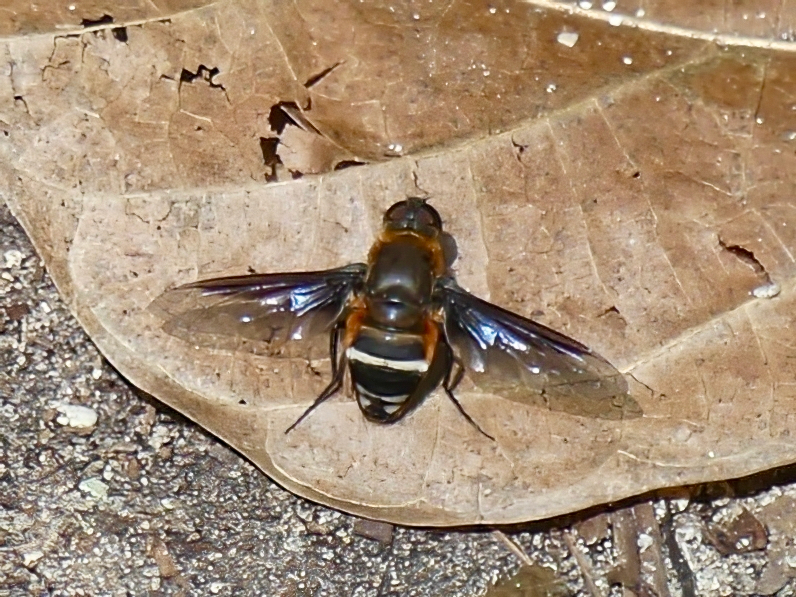
We enjoyed the wildlife on the beach and the trails. A sampling is below, Andaman Viscount and Indian Wanderer butterflies, a bee fly, and a Brown Land Crab. The bee fly is in the genus Ligyra, but we will probably never know the species. If you are a nature nerd, there are some interesting comments from experts on my iNaturalist observation of this little insect.

Our walks on the beach were usually accompanied by dogs. They don’t seem to belong to anyone, but most are sweet and very friendly. They especially loved Linda; the photo of her with the pup in her lap was typical. Linda shared the photo on the right on Facebook with the comment, “I think the one in the tide pool has the right idea! It’s really HOT here!” Oh, I didn’t complain about the heat yet? Well, it was sweltering most of the time, really the only thing that kept this part of our trip from being perfect.

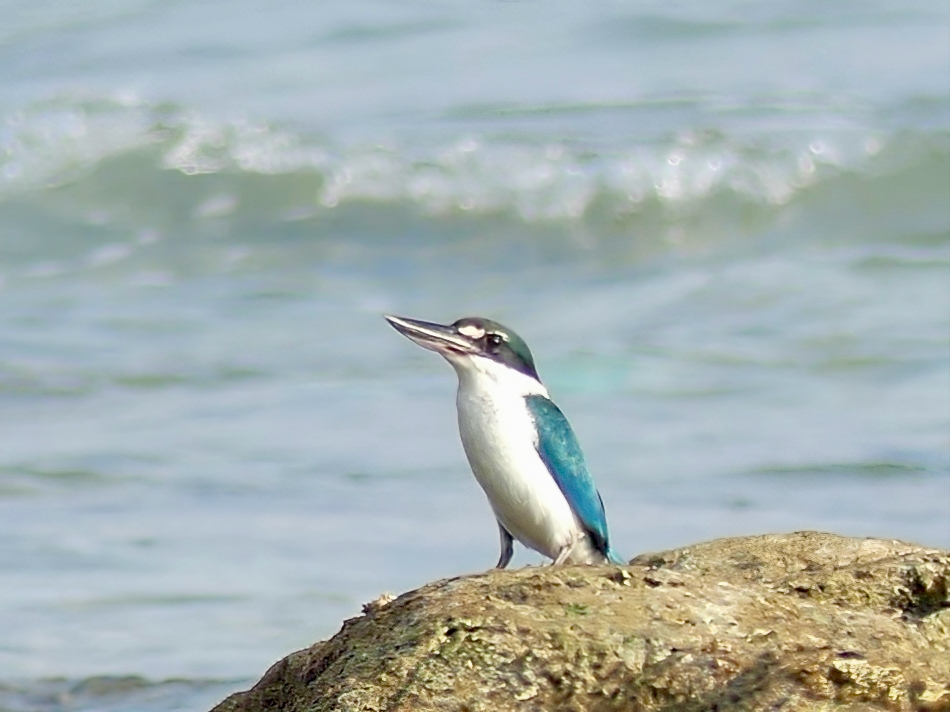
We continued to find our own life birds, adding to our lists with a White-bellied Sea-Eagle and a Collared Kingfisher on Kalapather Beach.
Back at the Park Resort where we stayed, we enjoyed sitting by the little pond. In the photo below, I was trying (unsuccessfully) to photograph the Plume-toed Swiftlets flying over the water. Our three days on Havelock Island had been a great introduction to the Andaman Islands. It was now time to get ready for some serious birding.

On Friday morning, December 15, we took the ferry back to Port Blair. We were met by our driver for the next few days and whisked off to the lovely Rainforest Resort. I had to cool off with a cold coffee with ice cream before meeting our guide, Shakti Vel, and starting the second phase of our Andaman Islands adventure.

Shakti is one of the best guides in Andaman. Watch for my next post to see the fascinating birds that he will find for us.

Read Full Post »

December 3 was a long and wonderful day that included a safari and some of my favorite birds of the trip. We spent the morning birding near Nagarahole National Park and I got my life Flame-throated Bulbul, a beautiful bird that Bopanna had promised me when we were planning the trip.

I also got my life White-bellied Treepie that morning. I have loved treepies ever since a Rufous Treepie ate from my hand. For that story, see Northern India 2014 (Part 1 of 2). The photo is near the end of the post. White-bellied Treepies are much more shy than Rufous Treepies and I was was not able to get a photo of my lifer. I took the photo below two days later when we were lucky to see this captivating species again.

Crimson-backed Sunbirds were the most cooperative species of the day and I was very happy to watch about half a dozen of these colorful birds as they fed in the vegetation near me. Their irridescence reminds me of our hummingbirds of the Western Hemisphere as they appear to change color in response to the light.

Later that morning, we spent a little time at a shallow river with large rocks that allowed us to walk out into the river. We decided that it was the perfect place for our trip group photo. I will always remember that serene and beautiful spot.

We had lunch at Devi villa, a lovely homestay near Nagarahole National Park. We enjoyed watching birds in the yard from the dining area. An adorable Vernal Hanging Parrot conveniently perched atop a closeby tree. Why is it called a hanging parrot? Because it has the unique ability to sleep upside down. There are 13 species of these tiny 5-1/2 inch green birds, all found in southeast Asia.

We were also treated to good views of a pretty Golden-fronted Leafbird in the lush yard.

A young English woman traveling alone was another guest at the homestay, so we invited her to sit with us for lunch. We enjoyed interesting conversation about everything from her desire to see wild tigers to Mongolia (she has been, I have a trip scheduled). After lunch, Bopanna picked some lychee fruits for our new friend that she wanted very much.

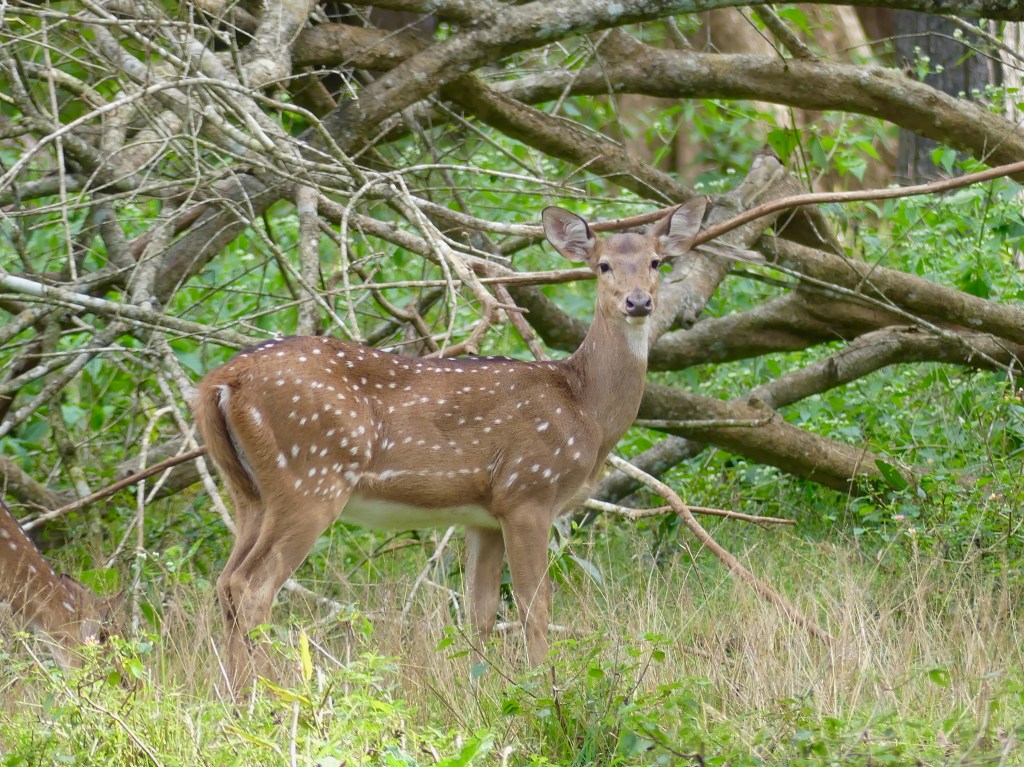
Our afternoon safari at Nagarahole National Park was a lot of fun. The mad dashes in an open jeep on dirt roads did not result in the tiger sighting that everyone wanted, but a safari wouldn’t be the same if the drivers didn’t try. We saw other animals including one of my favorites, Indian Spotted Deer (Chital), and Sri Lankan Sambar Deer.

We saw many elephants of all sizes and ages on the safari. Here’s a big guy with some nice tusks.

We saw birds, too. The Crested subspecies of Changeable Hawk-Eagle was especially nice to see. I had seen the “Changeable” subspecies in 2014, so this was not a life bird, but a new subspecies.

The sunset was beautiful as we left the park, a fitting end to a wonderful day.

I got six more life birds on December 4 and we continued to enjoy birding from our little balcony. The Malabar Gray Hornbill below was just across the street.

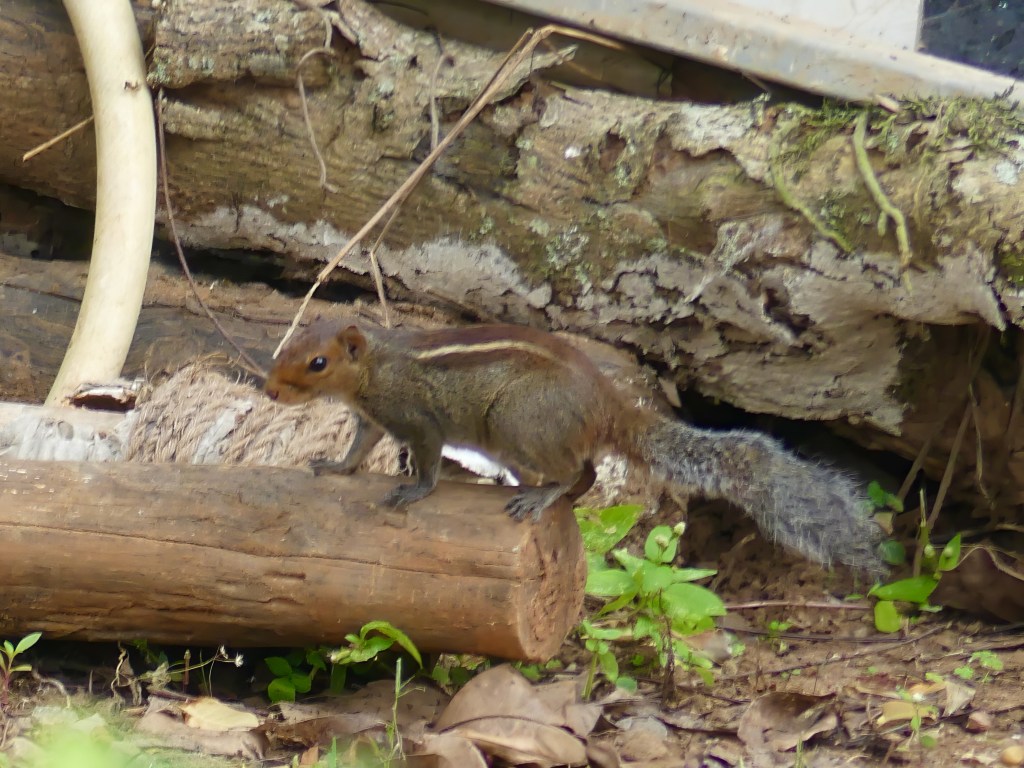
The Jungle Palm Squirrel in the yard below our balcony had entertained us all week and it finally held still long enough for me to get a photo.

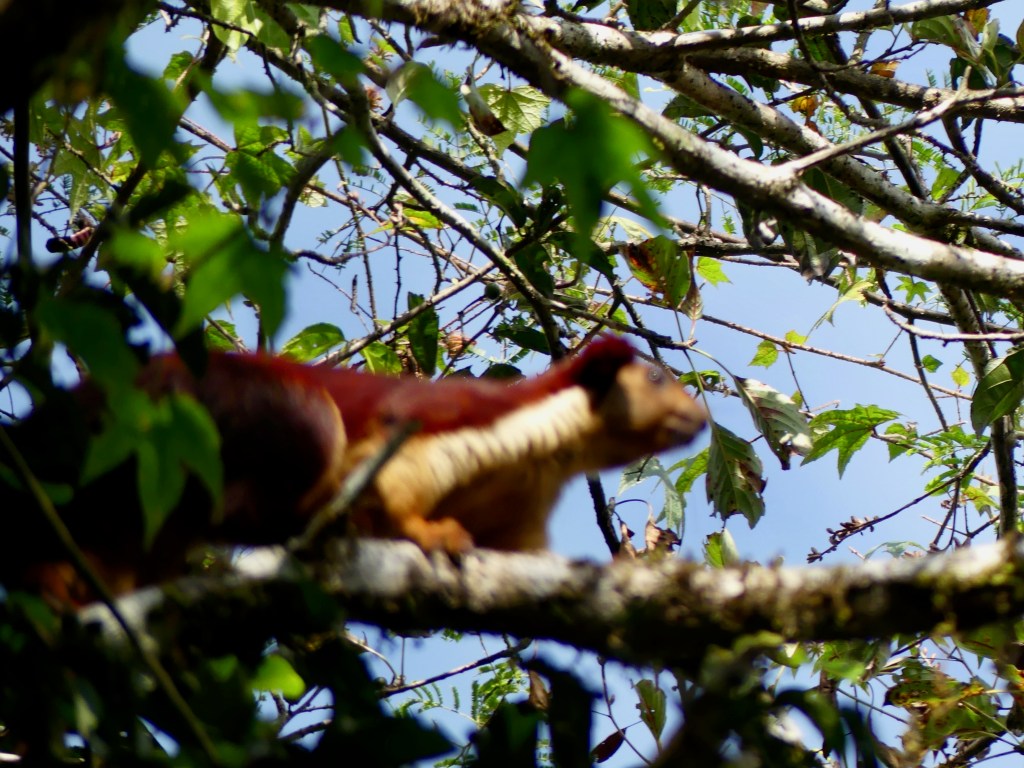
Our last day of birding with Bopanna on December 5 arrived much too quickly. In addition to four more life birds, a highlight that day was another Indian Giant Squirrel. We had seen one on the safari at Nagarahole NP a few days earlier, but this one was slightly more cooperative. I became fascinated with giant squirrels when I first saw a Black Giant Squirrel in China a few years ago, but it was so shy and quick that I didn’t get any photo at all. With this Indian Giant Squirrel, you can actually get an idea of what it looks like if you put my two photos together.

My last life bird in Coorg was Dark-fronted Babbler, a very skulky bird that took significant time and effort for me to see. This brought my total number of life birds for the week to 52, an impressive number I thought because this was not my first trip to India. Also, Linda and I had found 16 life birds for me on our own the week before near her home south of Bangalore. Bopanna was able to help me see so many birds because of his intimate knowledge of the area and its birdlife. Every day, he had me generate a new eBird target list which he used to decide which birds to look for and where to search for them.

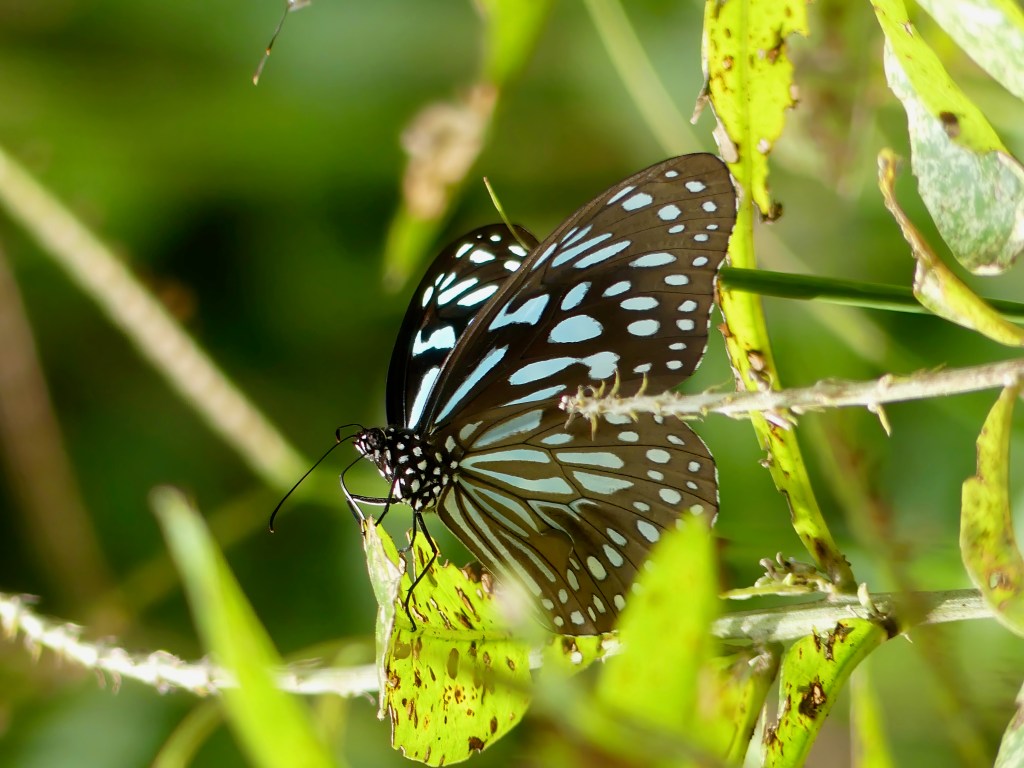
On our last afternoon, there were no more reasonable target birds, so Bopanna gave us some time to enjoy and photograph butterflies. Millions of butterflies of several species migrate to the Western Ghats every winter. It was spell-binding to see plants covered in these beautiful winged creatures.

The most numerous species was also my favorite – Dark Blue Tiger Butterfly. Below is a close-up view.

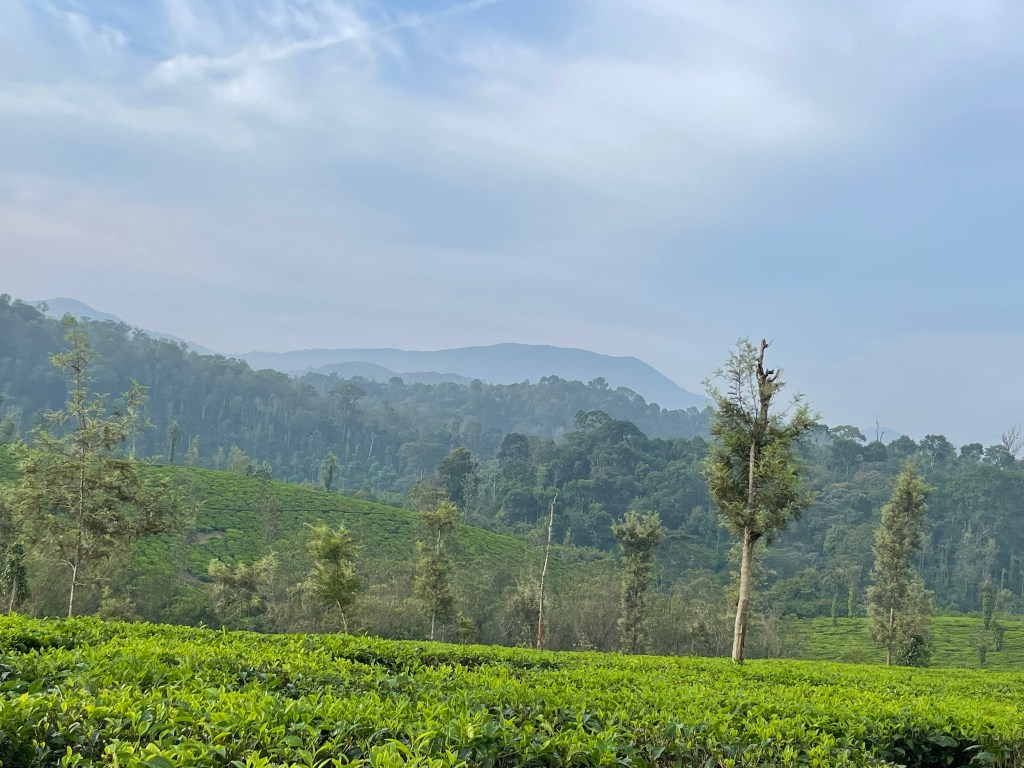
The Coorg district of the Western Ghats is a wonderful location for birding and nature watching amidst coffee plantations and sacred forests with wonderful landscape every direction you look. I highly recommend a trip to the area with guiding by Bopanna Pattada. See his website, Bangalore Birding, for more information.

Our eBird Trip Report provides a listing of all species seen and all photographs by Linda and me.

Read Full Post »

The Western Ghats is a vast mountain range that stretches nearly 1,000 miles along the western coast of the Indian peninsula, spanning six states. These ancient mountains, older than the Himalayas, are a globally significant biodiversity hotspot. They are home to over 9,000 species of plants, more than 500 species of birds, and numerous mammals and other animals. Sixteen bird species are endemic to the Western Ghats, and an equal number of species are most easily found there.

When Linda and I were planning my visit, we knew that we wanted to spend time in the Western Ghats. After exploring several options, we decided to hire Bopanna Pattada, one of the area’s top guides, for a week of birding in Coorg, where all of the endemic birds of the Western Ghats occur. Coorg, also known as Kodagu which means “dense hilly country,” is located on the eastern slopes of the Western Ghats. It is one of the nicest and coolest places that is easily accessible from Bangalore.

On November 29, we traveled to Mysore, where we enjoyed a pleasant and quiet afternoon at a nice little resort on the Kaveri River. It was the first day since my arrival in India that I did not get a life bird, but we enjoyed watching crows, cormorants, egrets, and a proud male peacock atop a big rock by the river.

Bopanna picked us up early the next morning and we started birding right away as we slowly made our way west. Linda photographed the Asian Openbill below at our first birding stop.

At our next stop, we were happy to see the beautiful Blue-tailed Bee-eater below. Linda and I both love the colorful and fascinating bee-eaters. They really do eat bees and other flying insects, catching them mid-flight and then smacking them on a branch to stun the insect and remove the stinger and toxins. Bee-eaters breed in large colonies and most species have nest “helpers” (offspring or other close relatives) who assist the parents with feeding and other duties. The San Diego Zoo provides fascinating facts about their life histories here.

I had seen a Blue-tailed Bee-eater in 2014, but I got ten other “lifers” that day including the Orange Minivet below.

We also saw several wild elephants as we drove the main road through Nagarhole National Park.

The latest elephant census in Coorg estimated 1,103 wild individuals. I was excited to see the elephants, but I quickly learned that Kodagu’s people live in constant fear of elephant encounters, and several people are killed in these encounters each year. Efforts to improve the dangerous situation for both the local people and the elephants are on-going. Bopanna was constantly alert, listening for the presence of elephants nearby, and several times told us to get to the car as quickly as possible.

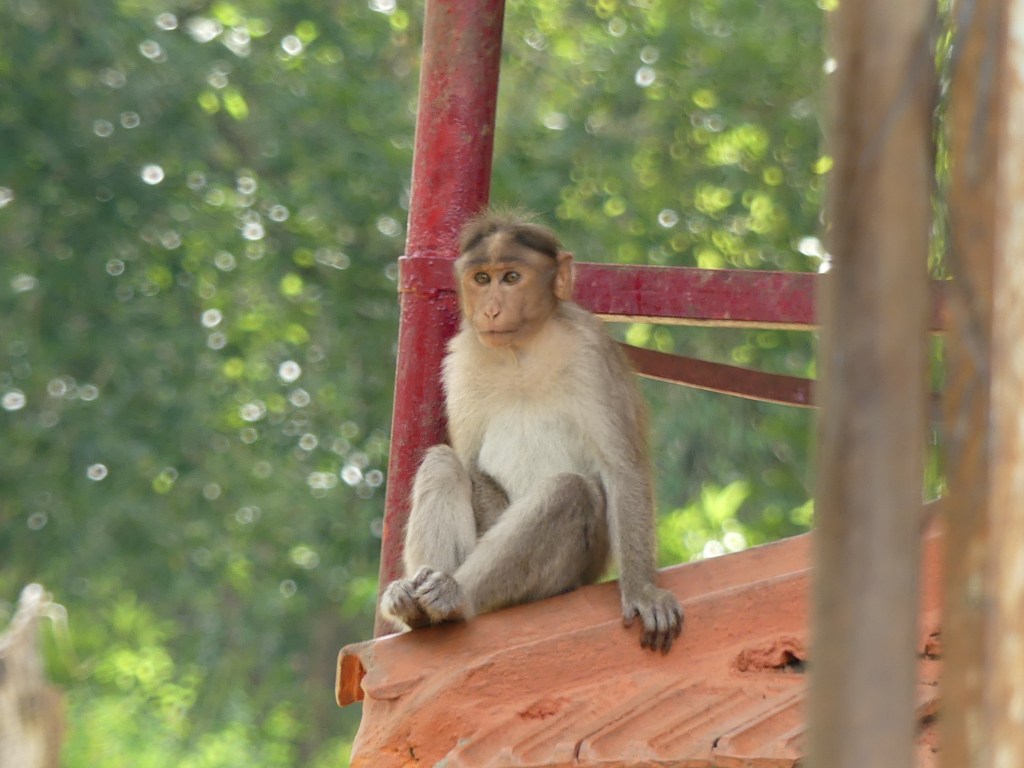
We also saw Bonnet Macaques while driving through the park. The one below was part of a group enjoying the offerings left at a small Hindu Temple.

That evening we settled in at our home for the week, the entire upstairs floor of a nice little house. We each had our own bedroom as well as two full baths, a living room, dining room, and kitchen. The best part was a lovely balcony where we spent several happy hours during the week watching birds in the trees right in the yard and across the street.

The next morning, December 1, we visited a coffee plantation. Coorg produces 40% of the country’s coffee crop, which is mostly grown under a native canopy. The coffee plantations were beautiful and full of birds. I really enjoyed the delicious coffee during our trip and I bought a pound of it to bring home.

Many of the endemics of the Western Ghats have Malabar in their names. Below, my life Malabar Flameback, distinguished from the similar Black-rumped Flameback mostly by a slightly different pattern on the face.

The day ended with one of the most amazing experiences of trip, the three of us sitting hidden in the woods by a little pond at dusk. Bopanna spotted an Indian Pitta in the trees, and then other birds slowly appeared at the water’s edge. Orange-headed Thrush, Indian Blue Robin, Malabar Whistling Thrush, Puff-throated Babbler, Blue-throated Flycatcher, and a few others came for a bedtime drink and bath. It was a “magic moment,” one of those almost spiritual experiences when it feels like the birds allow you to be a part of their world for a short time.

Saturday, December 2, started at Bandipur Wildlife Sanctuary with a Crested Serpent-Eagle.

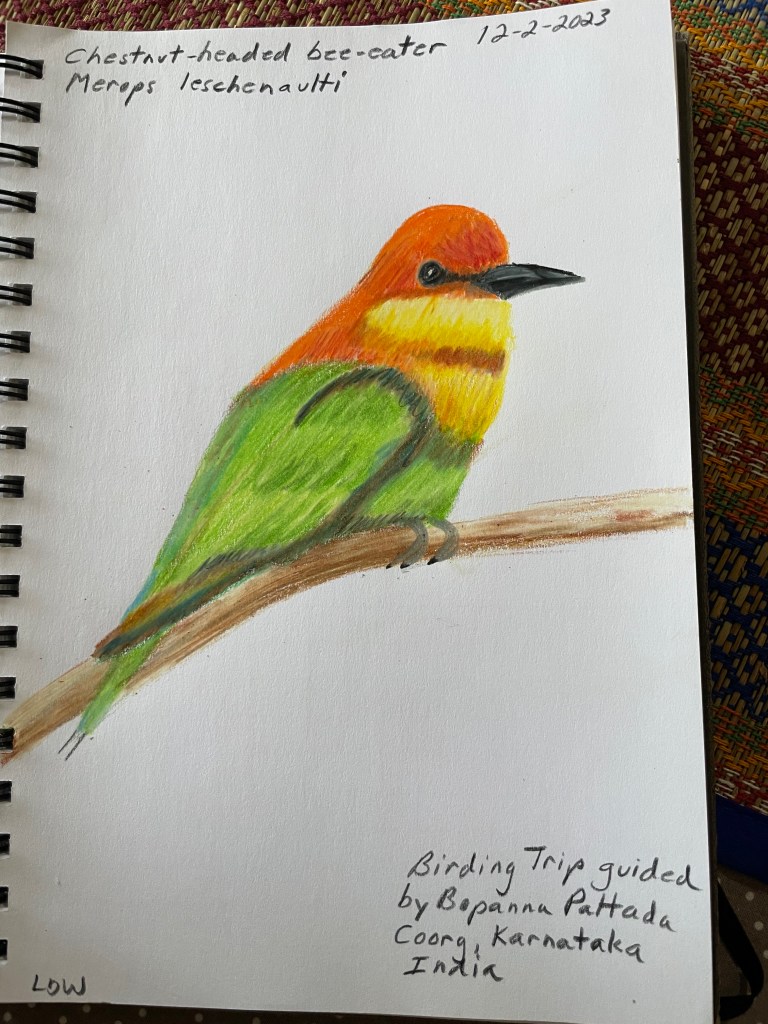
Next at the sanctuary, Linda and I both saw our lifer Chestnut-headed Bee-eater. We did some birding at another location and then went back to our home for the week for a mid-day break where Linda made the gorgeous entry below in her nature journal.

We still have three more days of birding with Bopanna in Coorg. Part 2b coming soon.

Read Full Post »

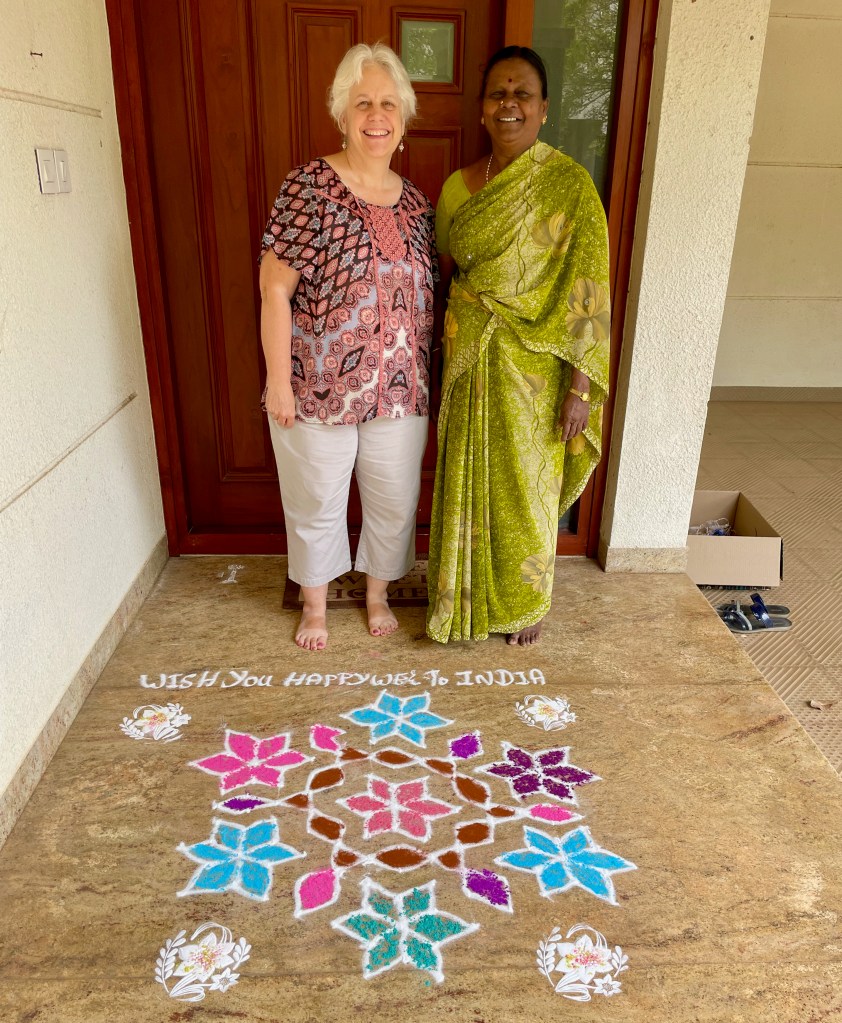
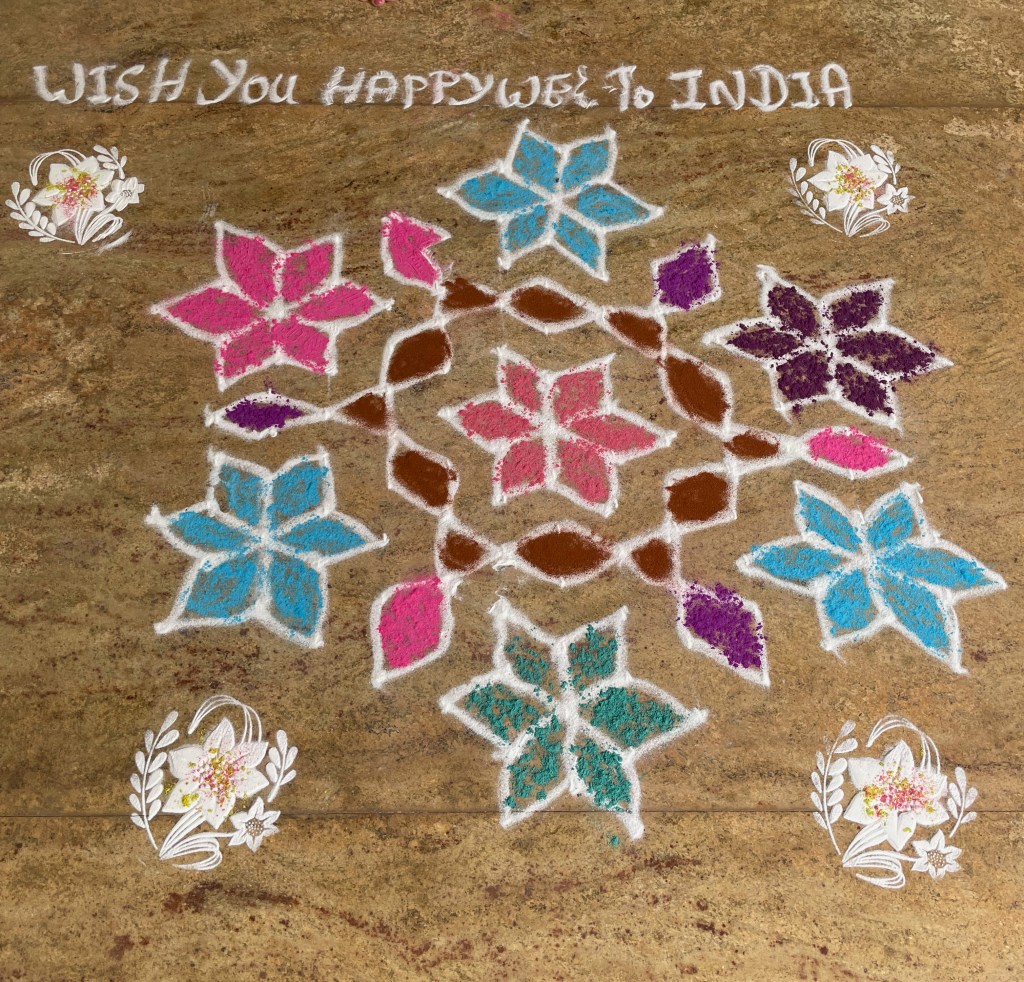
The smiling faces of my friend, Linda, and her maid, Mary, greeted me at Linda’s door on Wednesday, November 22. The design on the doorstep is the beautiful rangoli that Mary made to welcome me to India.

My first two flights had been rescheduled, but, miraculously, I made my originally scheduled flight from Doha to Bangalore and arrived at 2:30 AM after leaving home almost two days earlier. My bags did not fare so well. However, my binoculars and camera were in my carry-on bag, so we went birding in Linda’s neighborhood. I got a life bird on that first day, a Brahminy Kite. I was so excited and I would soon learn that these gorgeous birds are everywhere in this part of India.

In the area south of Bangalore where Linda lives, birding is mostly on trails around lakes. The day after my arrival, we went to Saul Kere (kere means lake), perhaps the most popular nearby birding hotspot. It was Thanksgiving and I had much to be grateful for – being in India with Linda, getting my luggage back, and my lifer Spot-billed Pelican and White-cheeked Barbet.

I had seen Asian Green Bee-eater twice on my trip to India in 2014, but I didn’t really remember. On this trip, we saw them a dozen times and they were some of the most cooperative birds for photos. I don’t think that I will forget these charming little birds now!

On Friday, we went to another close by lake, Muthanallur Kere. One of my life birds here was the secretive Blue-faced Malkoha pictured below. Many of the birds in India were challenging (or impossible) to see well. One reason is that there are no bird feeders or blinds where skulky birds are fed as in South America or other parts of Asia. We were told that bird feeding is illegal in India, but I could not verify that information.

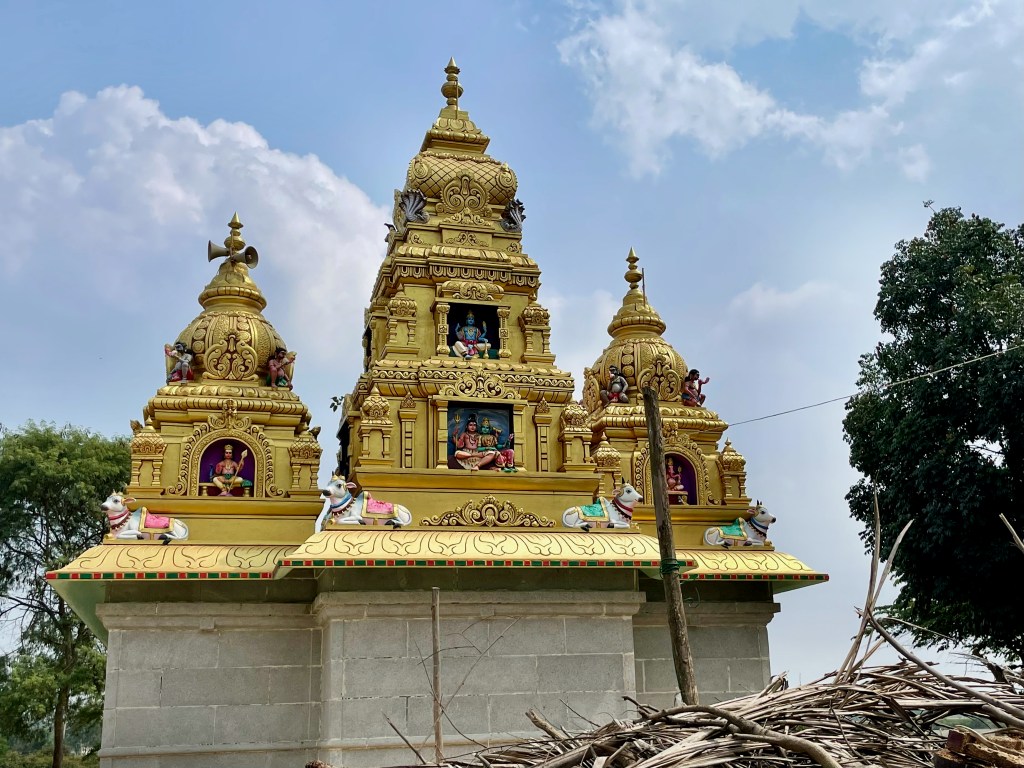
Below, the temple at Muthanallur Kere. Temples are everywhere in India, many similar to this one and many much smaller. This temple is on the edge of the lake near agricultural fields, a quiet and meditative location.

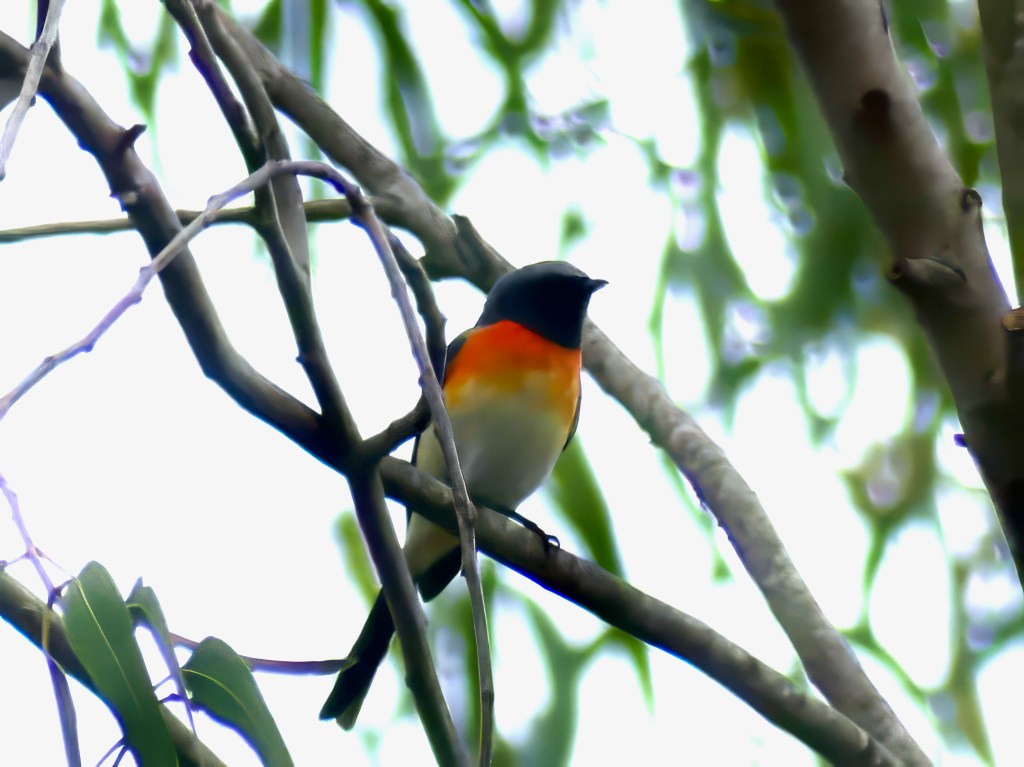
On Saturday morning, I walked to Linda’s lake by myself early in the morning. I was happy with my life bird of the day, a Small Minivet (photo below). Linda was happy for me and also happy to have a new bird for her Nature in Bellezea iNaturalist project.

We spent most of the day enjoying the celebration of Karnataka Rajyotsava (also known as Karnataka State Day). So much fun!

The next day was our eagerly anticipated trip to the Valley School, perhaps the most popular birding hotspot in Bangalore. The only way to get in is with the local birding group and Linda had signed us up far in advance. I really enjoyed meeting Linda’s Indian birding friends, but the actual birding was slightly disappointing to me. Someone said that it didn’t seem as birdy as usual, but it could also have been that I just missed too many birds. I got great looks at the Yellow-billed Babblers, though, life birds for me along with a Spot-breasted Fantail.

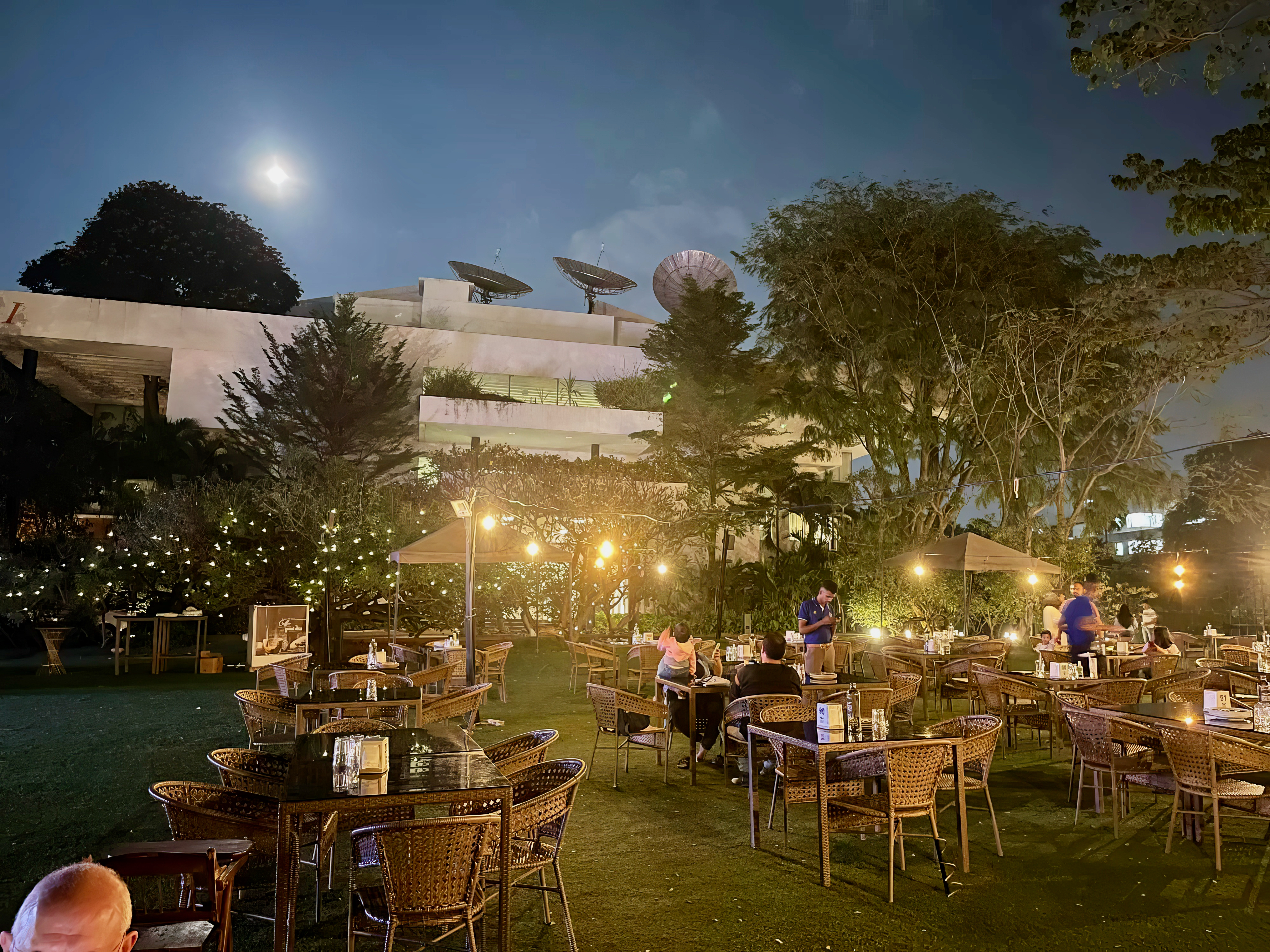
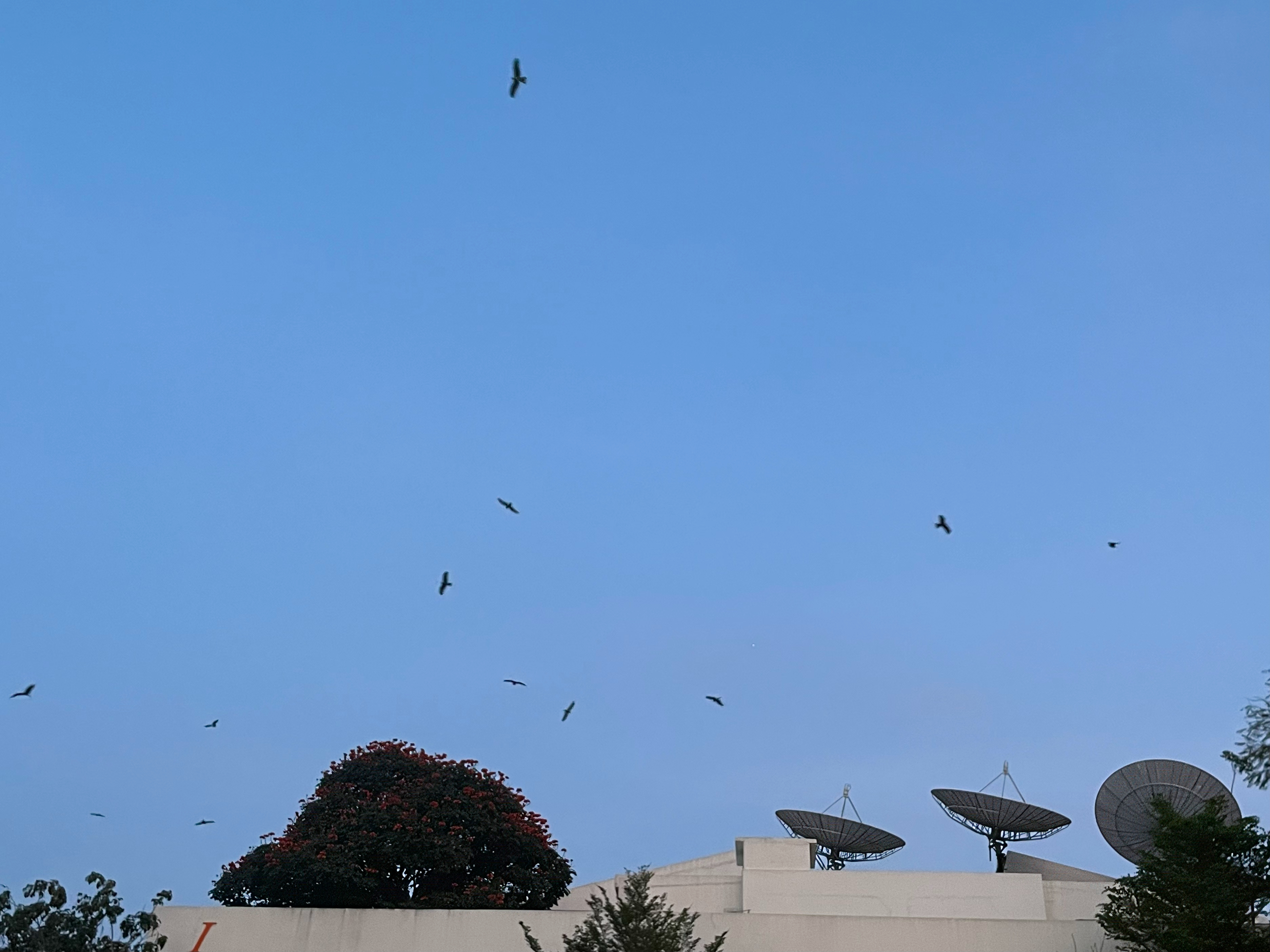
Bats and beer ended our day on Sunday at Forty Six Ounces, a micro-brewery in Electronic City, Bangalore. It was amazing to watch 25-30 Black Kites swirling overhead as Indian Flying Foxes slowly replaced them in the night sky. I enjoyed one of the few beers that I drank during my trip, the lovely outdoor dinner, the perfect weather, and Linda’s and Jim’s company.

On Monday, we went to another close by lake, Huskur Kere, where I got another life bird, Jerdon’s Bushlark. Linda spotted the bird that she had learned on an earlier trip here with the nature/birding group. I would have either missed it entirely or not recognized it.

There were always goats at Huskur Kere!

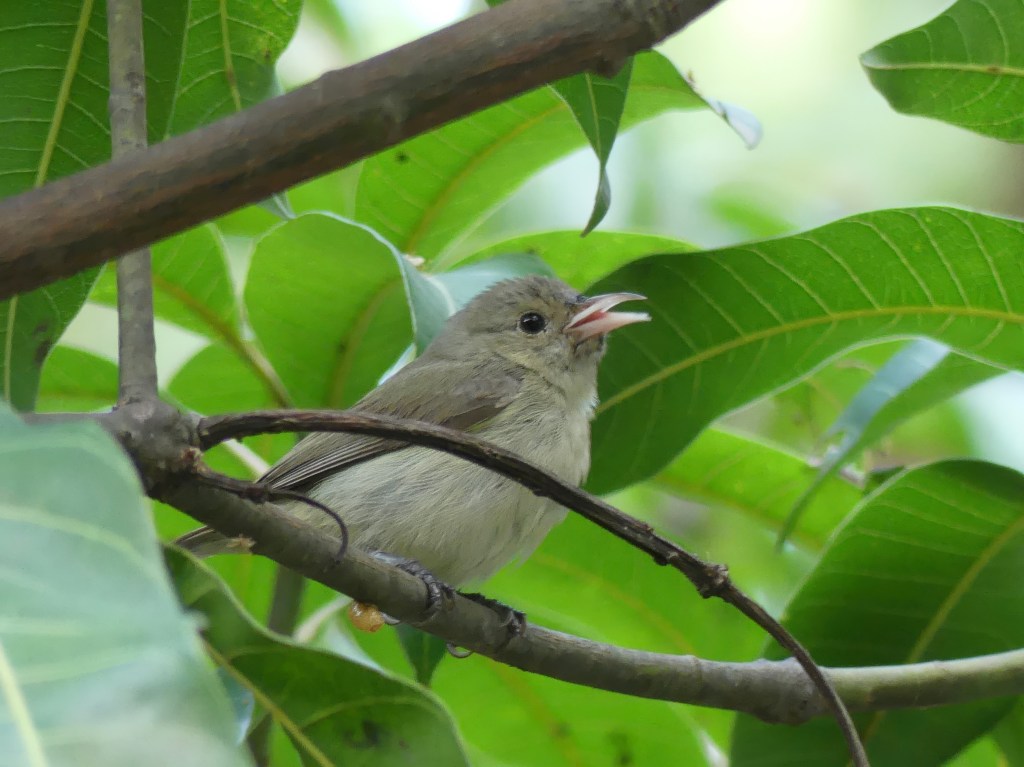
Linda did a great job planning our time during my trip. The first week was perfect to give me an introduction to the area where she lives and get over jet lag. The next day we would leave for Mysore and part two of our adventure – a week in Coorg with the amazing guide, Bopanna Pattada. So, on Tuesday, November 28, we just birded around Linda’s housing community, Nambiar Bellezea, and the adjacent lake. Yet I still got life birds that day as I had every day so far. Below, Pale-billed Flowerpecker, one of my 16 life birds that week.

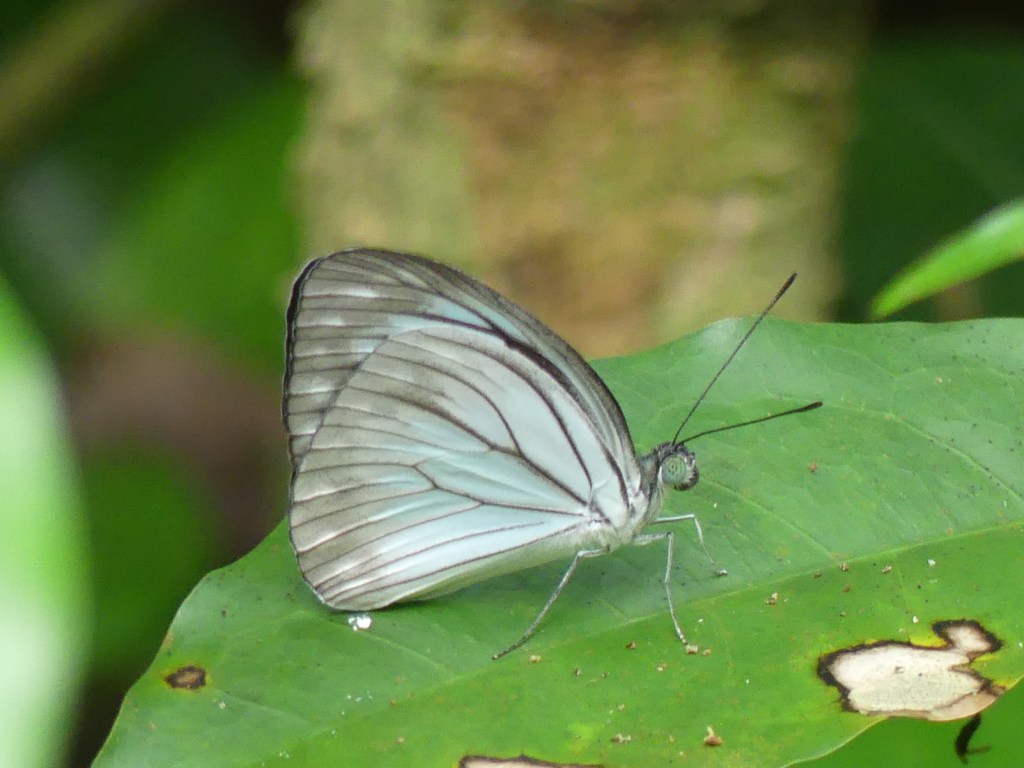
Linda and I both love all living things and we had fun seeing and photographing lizards, butterflies, and all the other creatures that we could find. Below, two common species in Linda’s community, an Oriental Garden Lizard and an Angled Castor butterfly.

Watch for part 2 when we will have a wonderful adventure and see many endemic birds of the western ghats.

Read Full Post »