Feeds:
Posts
Comments

Archive for the ‘Butterflies’ Category

Early October is usually good for migration here in Forsyth County, North Carolina, and this year was no exception. The third 3-week stretch of the fall Yard Squad Challenge went from October 5 to 25.  I am happy that I found 14 new birds during that time.  The first day started with one of my favorite migrants right on my deck – Rose-breasted Grosbeak.

A few days later, I found a bird that made me even happier.  It was one of those days that I didn’t get out until after 2:00 PM, so I headed to the Walnut Bottoms trail which is short, flat, and easy.  I wandered along the fence row and saw a pretty Cape May Warbler.  Next, I headed to the back corner where I found both male and female Black-throated Blue Warblers, a new bird for my team, Yardbirds Remastered.  Surprisingly, I did not see any of these lovely birds in my yard this fall as I usually do.

A Cape May Warbler in the late afternoon light at Walnut Bottoms

A Cape May Warbler in the late afternoon light at Walnut Bottoms

I intended a short walk, but something kept calling me to stay.  After I had already been there for three hours, I started following a big flock of Common Grackles in hopes of getting a good photo of one.  Yes, I know that sounds crazy, but I’m inspired by a local birder who was photographing American Robins in her yard a few years ago when she found a Henslow’s Sparrow.  The grackles led me through the woods and back out into one of the fields where I spotted a flycatcher on a power pole guy-wire.  I’m the opposite of those birders who turn common birds into rarities.  When I see a small flycatcher, I usually figure it’s an Eastern Wood-Pewee or at best an Acadian Flycatcher.  This day something told me to get a photo of the bird.  So, in the last light of the day, I worked hard to get the photo below which was good enough to confirm this bird as a Least Flycatcher.  They are not common birds here, yet every serious birder in the county except me had managed to see one.  I was thrilled to finally add it to my Forsyth County list and especially proud of finding it myself.

Least Flycatcher at Walnut Bottoms - a new county bird for me!

Least Flycatcher at Walnut Bottoms – a new county bird for me!

The next day, October 9, was the best day of fall in my yard.  I enjoyed sitting on my deck and watching the action in the Devil’s Walking Sticks which were loaded with berries.  In less than an hour, I observed four Cardinals, a Parula, a Scarlet Tanager, and two Swainson’s Thrushes feasting on the berries.

A Swainson's Thrush in the Aralia spinosa, Devil's Walking Stick

A Swainson’s Thrush in the Aralia spinosa, Devil’s Walking Stick

This Scarlet Tanager was also eating Aralia spinosa berries, but it popped out in the open for a photo.

This Scarlet Tanager was also eating Aralia spinosa berries, but it popped out in the open for a photo.

I continued to find nice birds for my Yard Squad circle, but nothing new for the Yardbirds.  With two other team members in the East (Ohio and Florida), we had a lot of overlap in species.  At Long Creek Park, I found my first Pine Siskins on October 16.  It’s an irruption year that some are calling the invasion of the Siskins.  A few days after I took this photo, birders around the state started reporting dozens of these birds at their feeders.  A couple of people reported hundreds of Siskins.  People are joking about second mortgages and 401K withdrawals to finance enough bird seed to keep these greedy little things happy.  If you are not familiar with avian irruptions, you can read about the phenomenon here.  See the Winter Finch Forecast for current predictions.
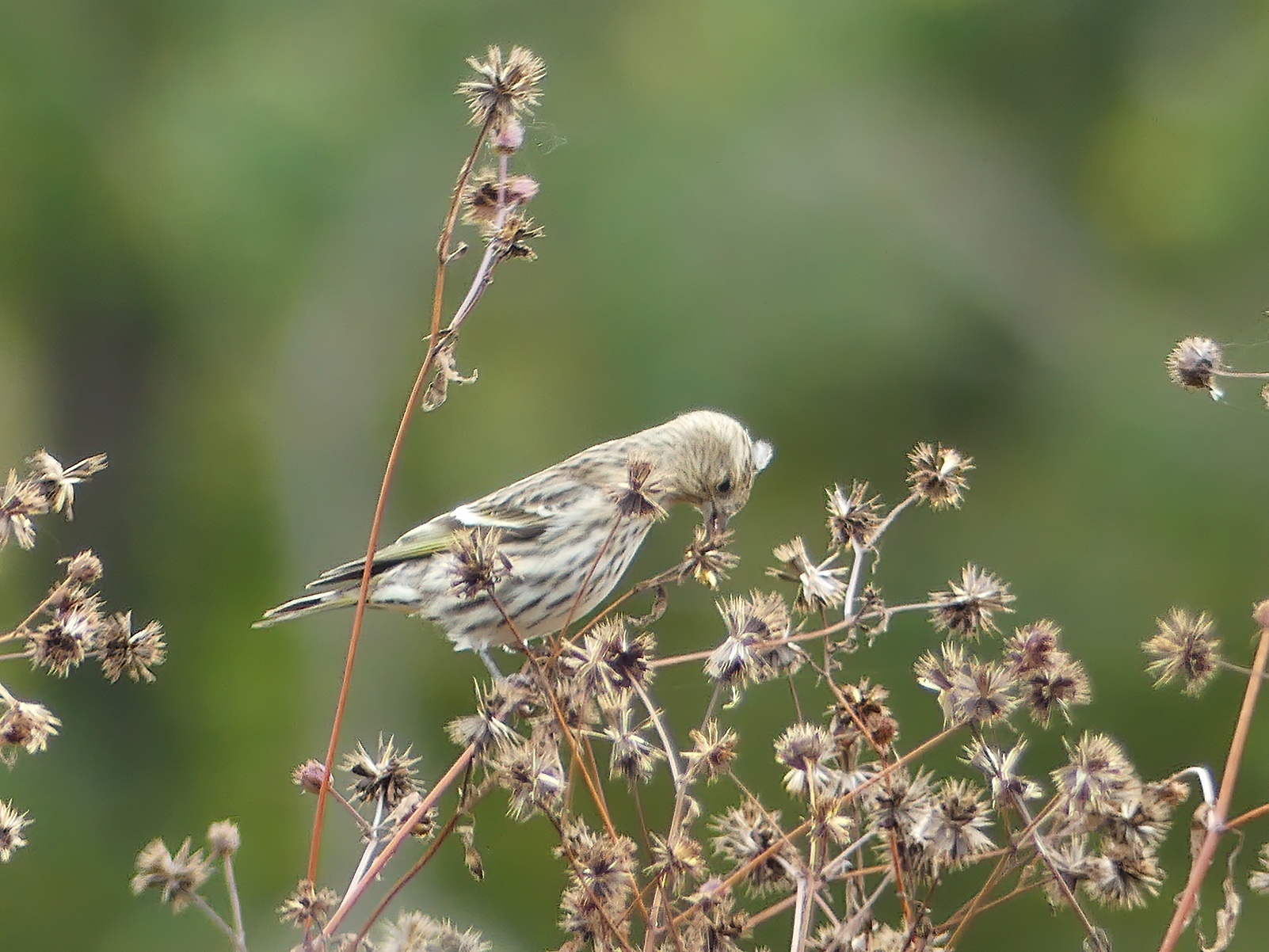
A Pine Siskin at Long Creek Park
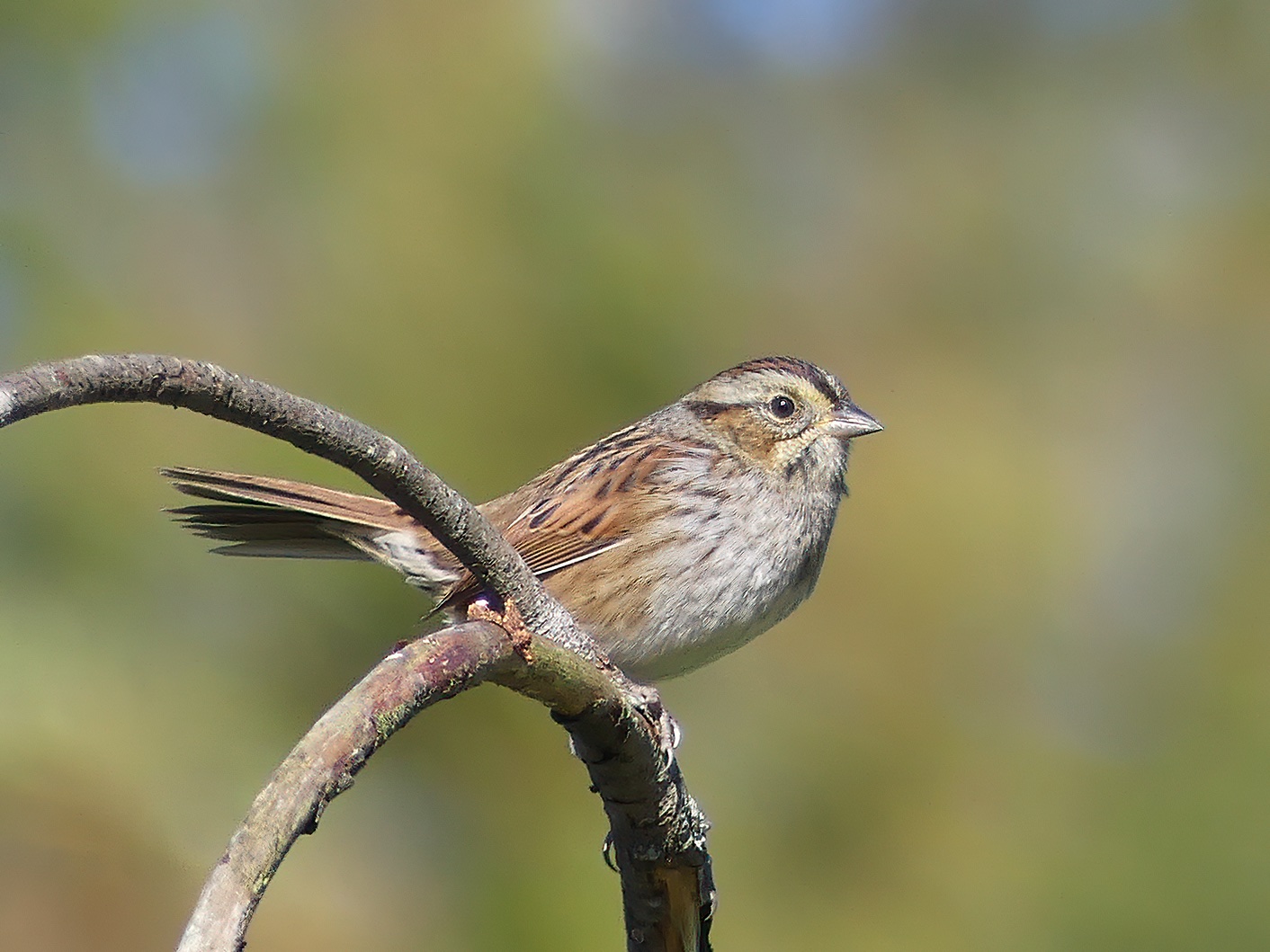
A Pine Siskin at Long Creek Park

Swamp Sparrow at Long Creek Park

Swamp Sparrow at Long Creek Park

I also found a really interesting thrush at Long Creek Park on October 17th.  I am calling it a Hermit Thrush, but it was a difficult ID even for the expert birders who advised me.  It alternately looked like a Gray-cheeked Thrush, a Swainson’s Thrush, and a Hermit Thrush depending upon the light.  Adding to the difficulty of the ID was the timing; migrating Gray-cheeked and Swainson’s Thrushes were still around and Hermit Thrushes were just arriving for the winter.

A newly-arrived Hermit Thrush enjoying wild grapes at Long Creek Park

A newly-arrived Hermit Thrush enjoying wild grapes at Long Creek Park

Here’s a bird that can’t be mistaken for anything else, an Eastern Bluebird.
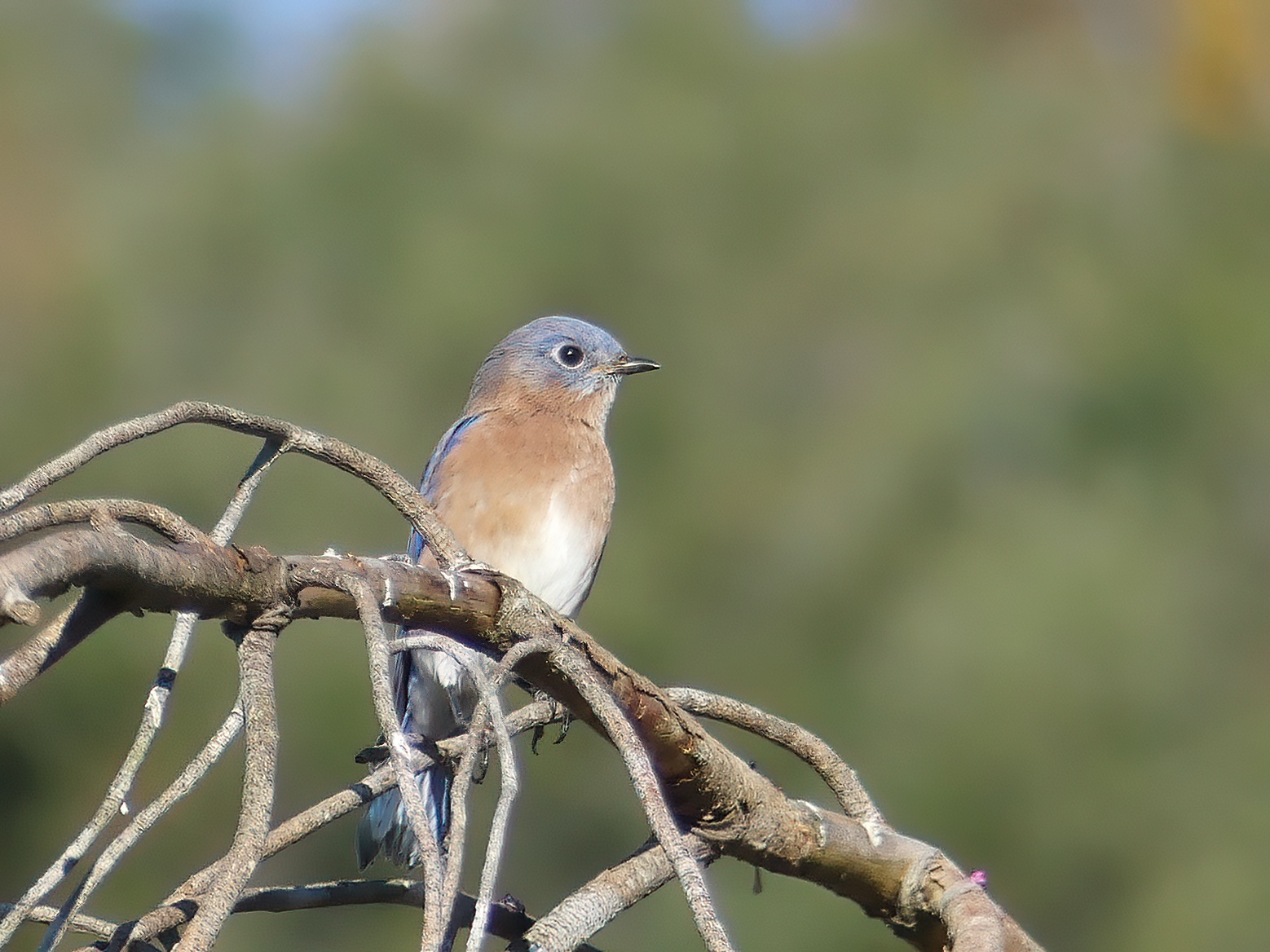
Eastern Bluebird at Long Creek Park

Eastern Bluebird at Long Creek Park

My heart has a soft spot for Hairy Woodpeckers, so I was thrilled to see this female come to my yard for a visit.  I was sitting at the kitchen table when I took this photo – across the kitchen, through two panes of glass, and on far side of the deck.

Hairy Woodpecker on my deck

Hairy Woodpecker on my deck

As we headed into the last week of the competition, there were three birds that I needed to find for my team – Blue-headed Vireo, Winter Wren, and Purple Finch.  Winter Wren was the only one of these that I was sure I could find.  Several other birders had seen Blue-headed Vireos at Long Creek Park, but I tried three days before I could find one.  But, what great luck I finally had!  Blue-headed Vireos seem curious and sweet; they are my favorite vireo.  None of the other vireos come close to check you out and then go about their business of foraging just over your head.

Blue-headed Vireo at Long Creek Park

Blue-headed Vireo at Long Creek Park

The next morning, I headed to Walnut Bottoms where I was hoping to find a Winter Wren.  I walked a short way down the trail to Muddy Creek and played the call.  Like a shot, a wren flew up from the creek bed and landed ten feet in front of me.  Success!  I watched it for a few minutes and then continued on the trail to the first open field where I quickly found a Purple Finch feeding in the weeds.

Purple Finch at Walnut Bottoms. This is likely a female, but it's nearly impossible to distinguish the females from first year males.

Purple Finch at Walnut Bottoms. This is likely a female, but it’s nearly impossible to distinguish the females from first year males.

Now I could relax!  I had successfully found my targets and could just enjoy birding for the last few days of the challenge.  The Purple Finch was the 100th bird that I observed during the fall Yard Squad Challenge in my 1-mile circle.  Forty-one of those birds added to the tally for my team, Yardbirds Remastered.  We ended with an impressive 479 species, but the competition was fierce so that put us in position 5 of 7 teams.

Eastern Box Turtle at Walnut Bottoms

Eastern Box Turtle at Walnut Bottoms

For the iNaturalist part of the competition we came in right in the middle of the pack at 4th place with 446 species of non-avian observations.  With 151 species, I was the iNat leader for my team.  The iNat competition renewed my interest in moths.  I found about a dozen species that I’d never seen before.  I also found that I enjoyed butterflies and found two “lifers”, Dun Skipper and Little Yellow.  Some of the other insects were interesting, too.  Did you know that there really is a living thing called a conehead?  Yep, and I found two different species of them at my moth lights.

Here are a few of the “leps” (lepidoptera – butterflies and moths) from the last stretch that I especially liked.

Fiery Skipper

Fiery Skipper

American Lady

American Lady

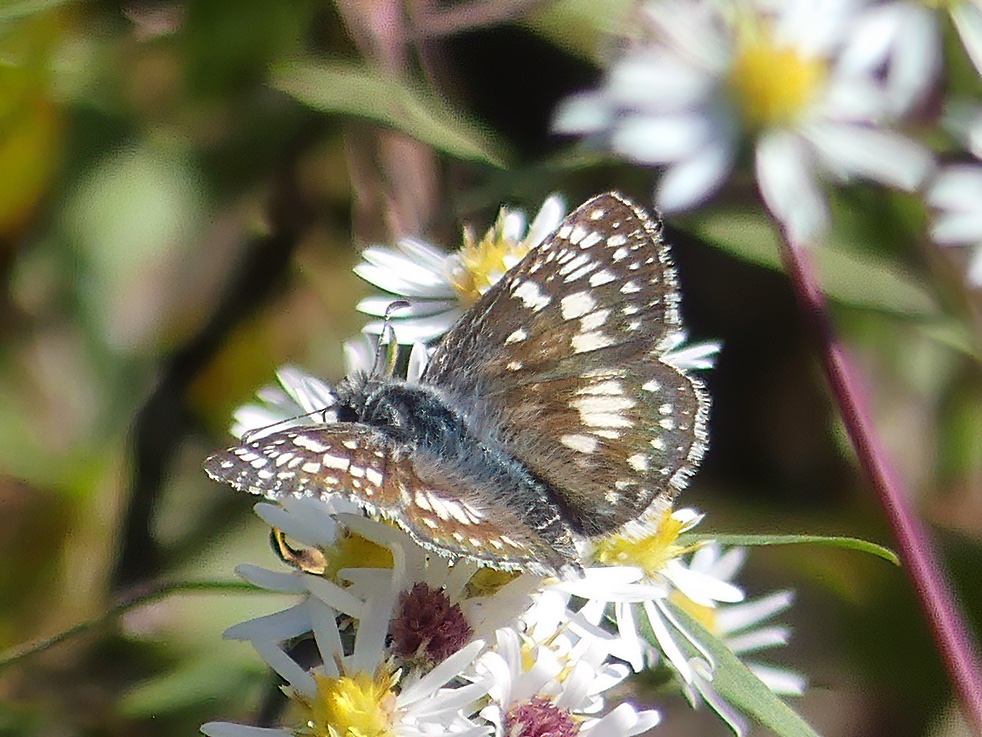
Common Checkered-Skipper

Common Checkered-Skipper

Long-tailed Skipper

Long-tailed Skipper

And, that’s a wrap for the fall Yard Squad Challenge.  Credit goes to Matt Smith for creating, hosting, and managing the game.  And, thanks to Joost Brandsma for leading the Yardbirds Remastered.  It was great fun and my obsession with the game gave me an excuse to put off cleaning and decluttering my house for two more months.  You can find more of my photos on eBird (contributor Shelley Rutkin) or iNaturalist (user shelleydee).


Read Full Post »

Fall is rapidly approaching, but sadly the Coronavirus is not retreating.  Many people are still social-distancing and staying near home.  So, what does that mean?  It means that the amazing Matt Smith has brought back the Yard Squad Challenge for a Fall Edition.  It’s similar to the spring competition in that we have teams of players from around the globe – seven teams of ten players each.  But instead of limiting each player to their neighborhood patch, each of us were allowed to define a circle with a radius up to five miles.  Instead of the snake draft, Matt queried eBird data and threw it all in the Magic Hat which created teams each having the same number of potential species (470).  Bonus points will be earned with iNaturalist observations of everything except birds.

Butterflies provided some easy iNat bonus points. Great Spangled Fritillary on Ironweed.

Butterflies provided some easy iNat bonus points. Great Spangled Fritillary on Ironweed.

I am on Joost Brandsma’s team again, Yardbirds Remastered.  We have two players in England, one in Alaska, and seven of us scattered around the lower 48 states.  I choose the smallest possible circle with only a one-mile radius, but it includes my two favorite birding hotspots in addition to my neighborhood.  I figured that a larger circle would simply increase my “par” list without significantly increasing my chances of finding additional birds.  My list of potential birds has 86 species, which seems achievable since I found 83 species in the spring competition without even leaving my neighborhood.

Eastern Tiger Swallowtail

Eastern Tiger Swallowtail

Even though my circle is rather small, it doesn’t have the patch feel of the spring competition.  As much fun as that was, I’m happy to have a little more variety.  We started on August 24 and this first stretch (of three total) ended on September 13.  I have birded every day, sometimes more than once.  I also created my brand new iNaturalist account a couple of days before the start of the Yard Squad Challenge.  I had been resisting the urge to “moth” again this year because of the time suck, but now I had to do it for the iNat bonus points.  I enjoyed it as much as ever and was pleasantly surprised that I found several new species of moths.  In my post Summer Nights a few years ago, I described the wonderful peaceful feeling of nighttime on my deck.

A lovely Showy Urola moth with wings that look like satin.

A lovely Showy Urola moth with wings that look like satin.

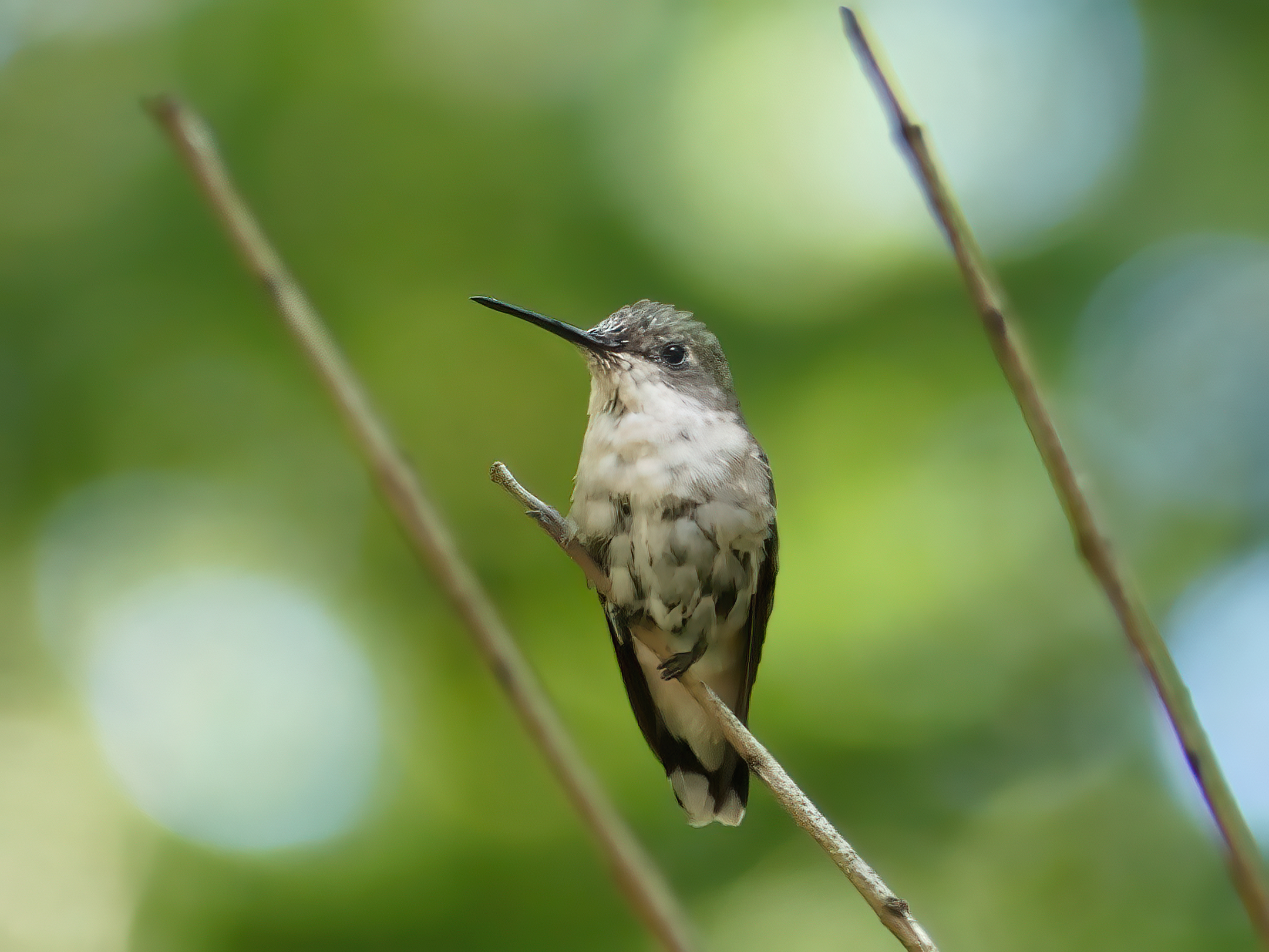
I haven’t seen a single rare or unexpected bird yet, but with close observation, I find that I am always learning something new.  I was pleased to get a clear image of a Ruby-throated Hummingbird, but didn’t realize how patchy her feathers were until I looked at the photo.  I mistakenly assumed that it was either a juvenile or sick bird, so I posted the photo to my state birding group on Facebook to learn more.  An expert hummingbird bander told me that it was an adult female in molt and that most of the females they band at this time of year look like this!  I hope she grows new feathers quickly to be in peak condition for her migration south in a few weeks.

Adult female Ruby-throated Hummingbird

Adult female Ruby-throated Hummingbird

I’d like to think that I always pay attention to flora and fauna, but iNat certainly heightened my alertness.  An interesting find was this lichen in the woods near my house.

How had I never noticed this before? Tentatively identified as Gray Reindeer Lichen.

How had I never noticed this before? Tentatively identified as Gray Reindeer Lichen.

And, just as in this post, my attention quickly shifted between plants, birds, butterflies, and other insects as interesting things constantly caught my eye during  my outings.  Birding has been a bit slower than usual this fall, but I never got bored and always came home with a new iNat observation even when I didn’t find a new avian species for the Yard Squad Challenge.  Here are a few of my sightings.

A beautiful Monarch is always nice to see.

A beautiful Monarch is always nice to see.


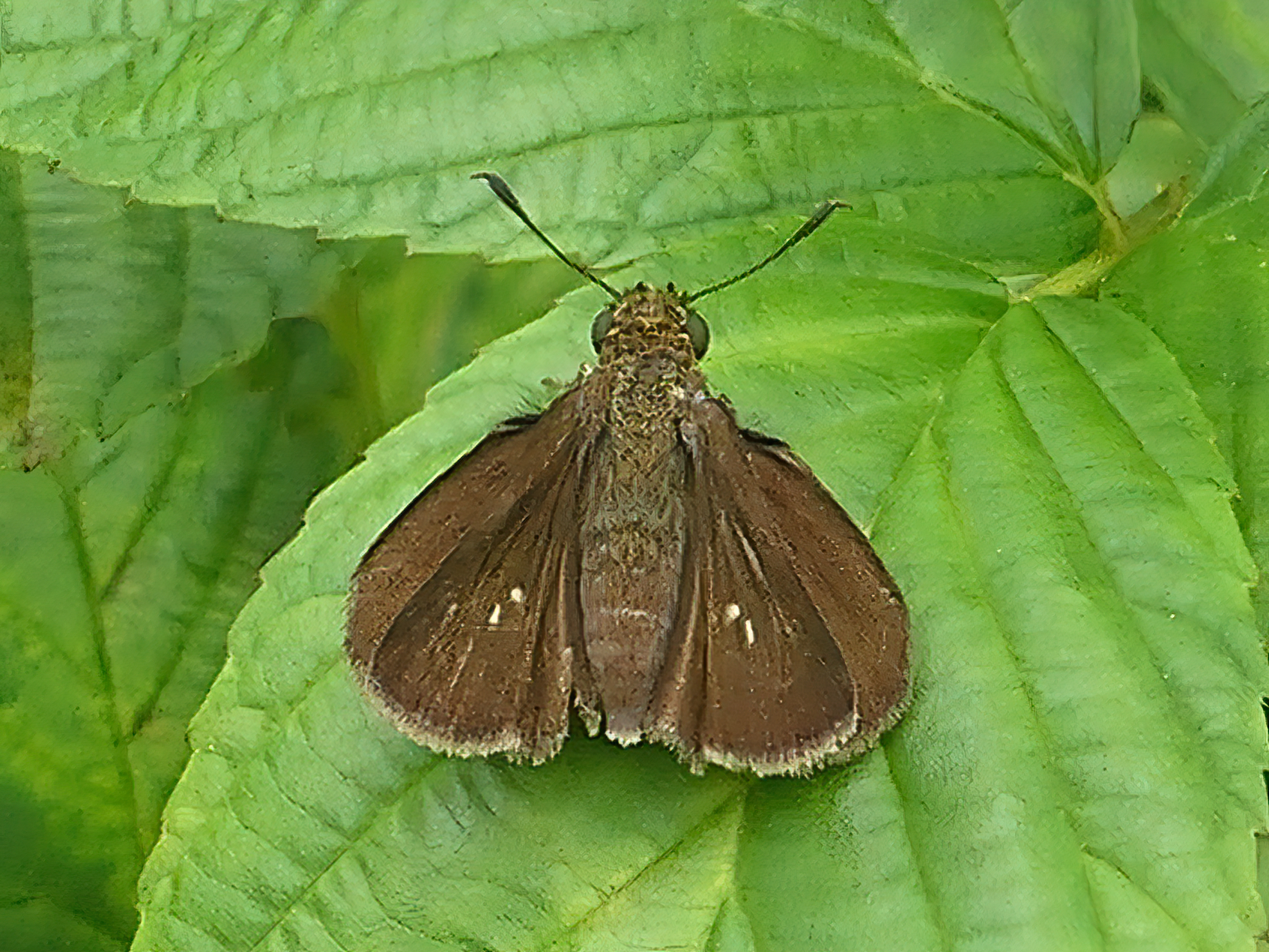
This Dun Skipper was a "lifer" for me.

This Dun Skipper was a “lifer” for me.


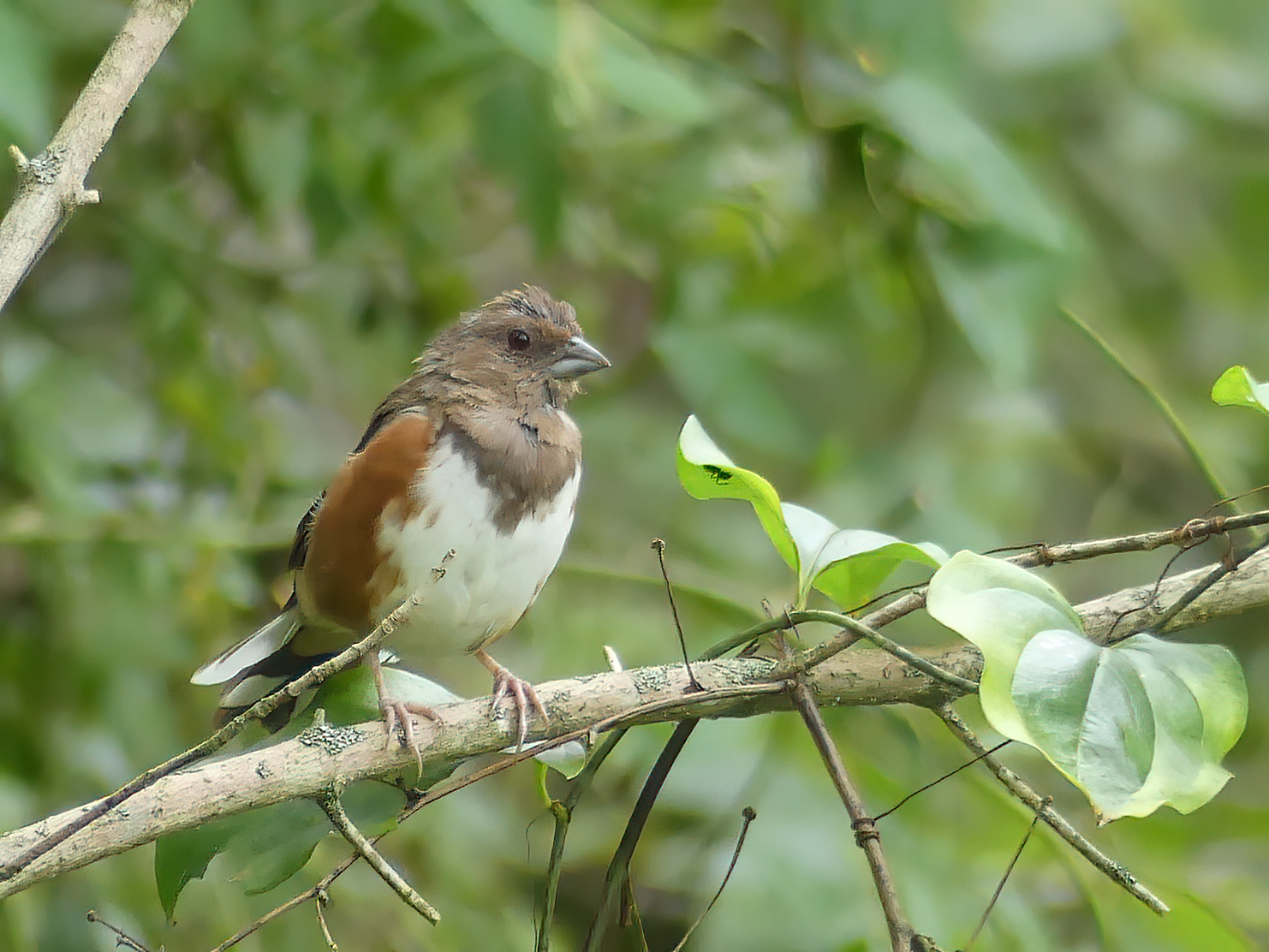
Eastern Towhees are common birds in my circle.  This female was accommodating and came to my pishing for a photo.

Eastern Towhees are common birds in my circle.  This female was accommodating and came to my pishing for a photo.


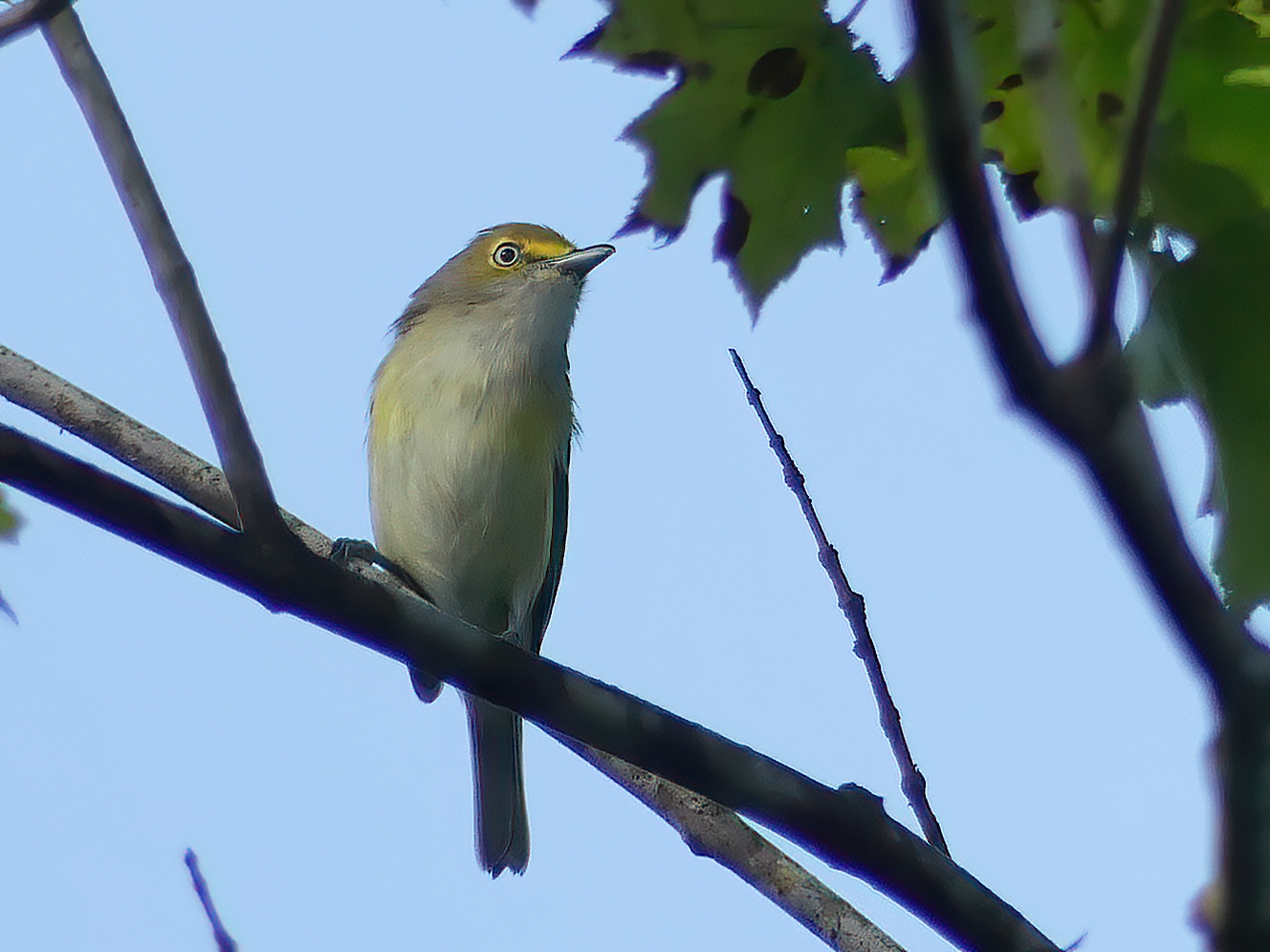
White-eyed Vireos have been more numerous than ever this year.  And, they are still singing which makes them easy to find them.

White-eyed Vireos have been more numerous than ever this year.  And, they are still singing which makes them easy to find them.


Widow Skimmers are a common dragonfly in my area.

Widow Skimmers are a common dragonfly in my area.


As a young girl, I played with grasshoppers and I still like them. This one is a Differential Grasshopper, identified by the black chevrons on its "thighs."

As a young girl, I played with grasshoppers and I still like them. This one is a Differential Grasshopper, identified by the black chevrons on its “thighs.”


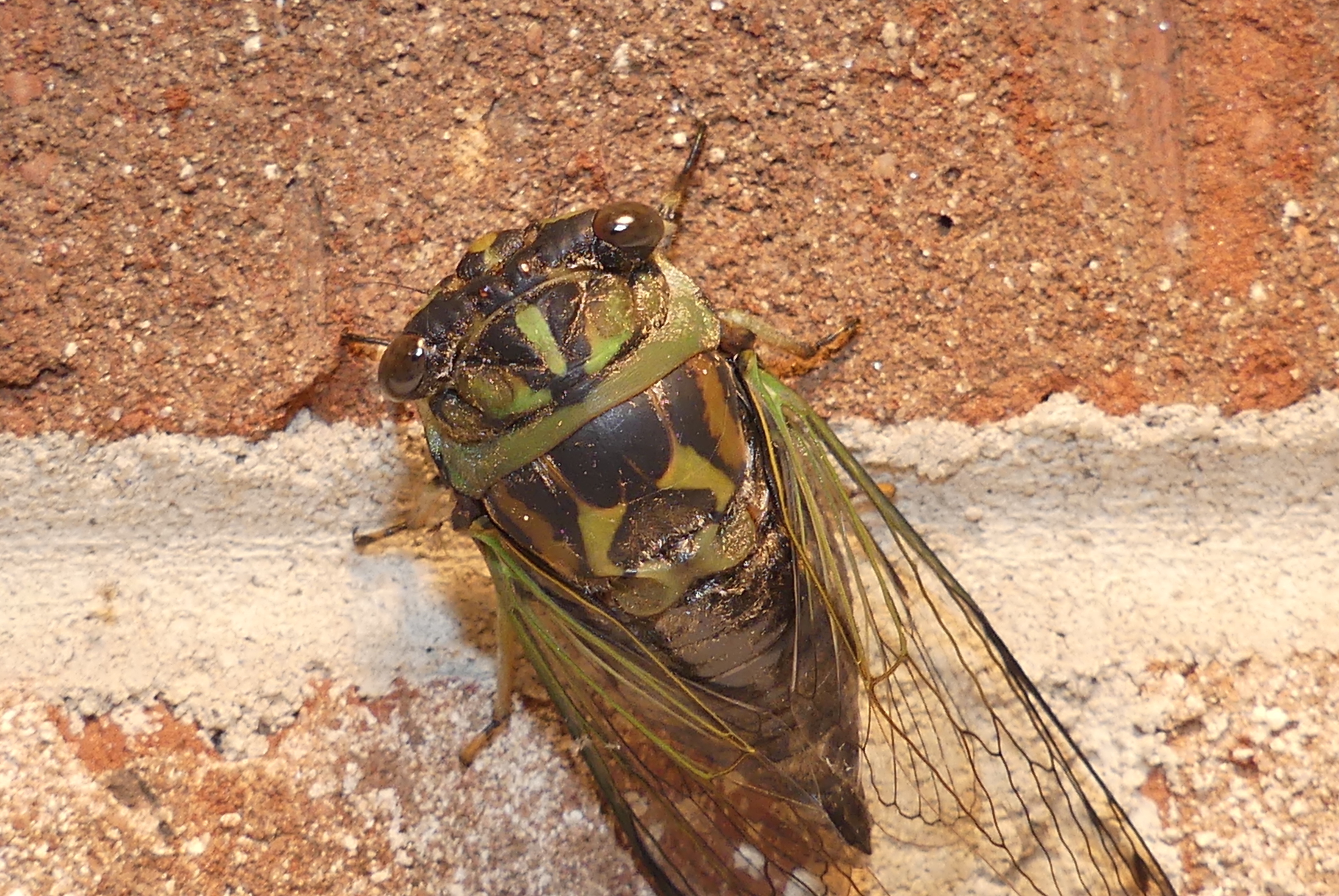
Cicadas, however, are on the short list of insects that I do not like.  I’ve been told that they don’t bite or sting, but they still look evil and freak me out.  

Cicadas, however, are on the short list of insects that I do not like.  I’ve been told that they don’t bite or sting, but they still look evil and freak me out.


I'll end with this sweet little fawn that I saw on a misty gray day. White-tailed Deer.

I’ll end with this sweet little fawn that I saw on a misty gray day. White-tailed Deer.

I found 70 species of birds in the first three-week stretch of the Yard Squad Challenge.  The height of migration for my area will be the next three weeks, so I should find new species.  There are several large clumps of Devil’s Walking Stick berries in my backyard that are nearly ripe.  They are always a favorite of tanagers and warblers.  Who will make is easy by just appearing on my deck?

Read Full Post »

News flash – I just saw my 600th ABA bird! Please pardon this interruption to my series of Alaska posts, but this is just too exciting to not share now. Birders, feel free to skip ahead while I attempt to explain to my non-birding friends just what an “ABA bird” is. ABA is the American Birding Association, a wonderful organization that serves birders with publications aimed at improving birding skills, promotion of conservation, summer camps for teens, and lots of other fun and important birding stuff. It is also the official keeper of LISTS. Avid birders love lists and ABA members can report theirs for comparison to other birders. The “ABA area” is basically all of North America north of Mexico. So, a birder’s ABA list is the list of all the birds that he or she has observed in the ABA area.

Green Heron - The ABA

Green Heron – The ABA “Bird of the Year” for 2015

Back in the 1960s, it was quite an accomplishment to join the “600 Club.” But, the Internet, email, listservs, eBird, Facebook, and cell phones have totally changed birding from a few decades ago. Now, news of a rare bird travels fast and within hours dozens of birders may see a rarity. This rapid communication has enabled many to see 700 species in the ABA area and some have even observed over 800 ABA birds, but that achievement requires a lot of time, money, energy, and ambition. To put these numbers in perspective, there are only 671 regularly occurring birds in North America and many of those are found only in small numbers in particular locations. Another 308 species are rare and many of those have been observed in North America only a few times.

Whooping Cranes. Photo: International Crane Foundation.

Whooping Cranes. Photo: International Crane Foundation.

I was getting close to 600 ABA birds when I left for Alaska in June. I needed 42 more and there were 42 birds on last year’s trip list that I had not seen. I had a chance! But, birds change from year to year and I got only 40 ABA birds in Alaska. I needed two more birds. And, then I learned that the non-migratory Whooping Cranes that I had seen in Florida last year were now countable. I needed only one more bird! Of course, I was excited about the possibilities, but this wasn’t going to be easy. I would figure out a plan for #600 later.

On August 11, I left for Gainesville, Florida, for a family visit. I planned to just drive down, visit family, and drive back home. I didn’t even take my scope or hiking shoes. Since I got back from Alaska a few weeks earlier, I had not paid much attention to what was happening outside my home county. But, after I got to Florida, I discovered that Smooth-billed Anis were being reported at Loxahatchee National Wildlife Refuge every day. There was mention of a nest, so I expected the birds to continue to be there for a while. I had seen Anis in Ecuador, but not in the ABA area. This could be my #600! I altered my plans so that I could drive to South Florida and see the Anis after visiting with my family.

Smooth-billed Ani

Smooth-billed Ani

I didn’t know if a scope was required or not, but I wanted to be sure that I’d have the best views possible. Fortunately, Angel & Mariel Abreu of Nature Is Awesome Birding & Wildlife Tours were available for the day. They would also try to help me get Black-whiskered Vireo for #601 and we could spend the remainder of the day looking for South Florida specialty butterflies.

On August 16, we arrived at Loxahatchee at 9:00 AM and found two Smooth-billed Anis right away. They could not have been more cooperative and we had fun watching the birds preen and fly around a little, but never out of sight. We could see detail in every feather with the scope and we got good photos.

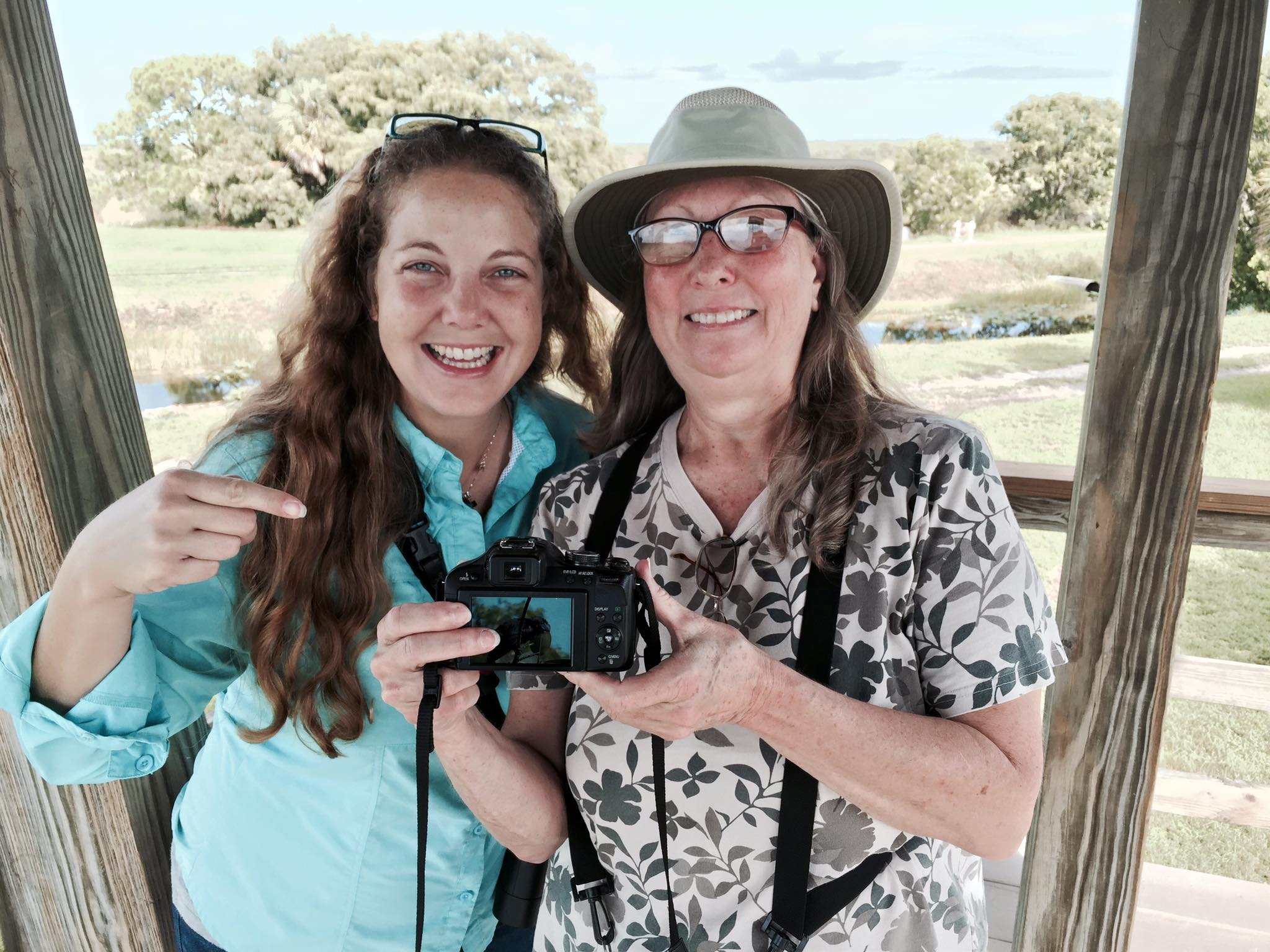
Mariel and I celebrating my 600th ABA bird

Mariel and I celebrating my 600th ABA bird

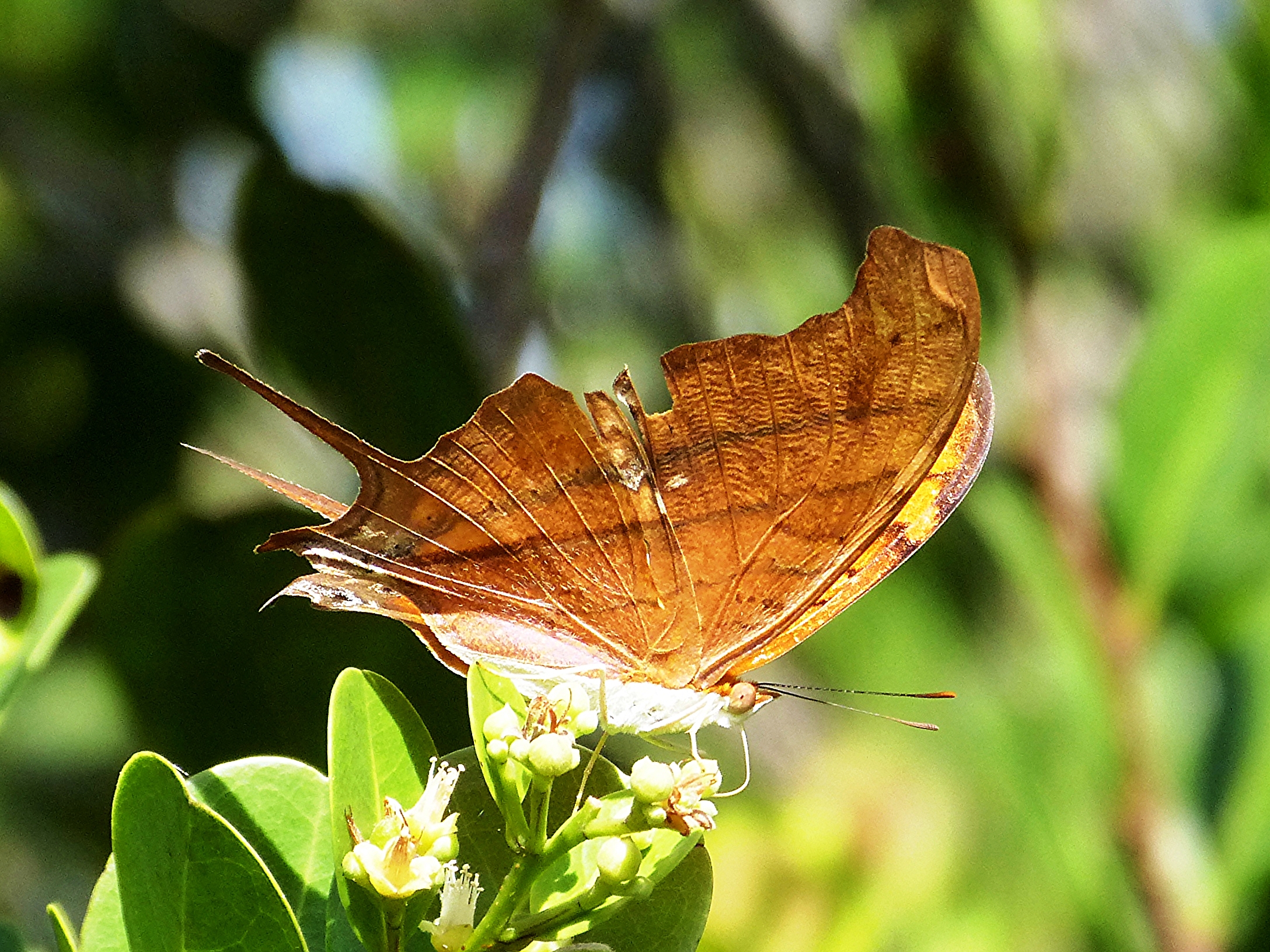
We also saw the first two of six new butterflies for me that day, Phaon Crescent and Ruddy Daggerwing.

Ruddy Daggerwing

Ruddy Daggerwing

Phaon Crescent

Phaon Crescent

Finally, we tore ourselves away from the Anis and drove down to Key Largo to look for the Black-whiskered Vireos that Angel and Mariel had scouted the previous day. They both saw three birds after just a few minutes, but it took over two hours for me to get a satisfying look. Angel and Mariel never once complained while we stood there in the August heat. Finally, I got a good enough look at one of the birds and we moved on to look for more butterflies.

Florida Purplewing

Florida Purplewing

We went to an area of the Key Largo Hammocks State Botanical Site that requires a backcountry pass, which the Abreus had obtained the previous day when scouting for the vireo. We saw a few birds and a Florida Purplewing, a rare butterfly that is officially listed as a “Species of Special Concern” due to its declining population and disappearance from most of its historic range. I’m sure that the beautiful Purplewing was the highlight of the day for Angel and Mariel.

Florida Purplewing

Florida Purplewing

Our last stop was at a pine rockland preservation in Homestead. At first glance, it looked like any other Florida pine forest with saw palmetto understory. But, as soon as we stepped off the path and carefully walked through the rocks, I could see how different this was. Pine rockland exists only in southern Florida and parts of the Bahamas. It is typically a savanna-like forest on limestone outcroppings with a canopy of Florida Slash Pine and a diverse understory of shrubs and herbaceous plants. Pine rocklands are home to a significant number of rare plants and animals found in no other habitat, including several Federally Endangered plants. Its delicate beauty becomes apparent once you really look at the life it hosts. Sadly, pine rockland is an endangered ecosystem with only a few fragments remaining in South Florida and some of those are slated for development.

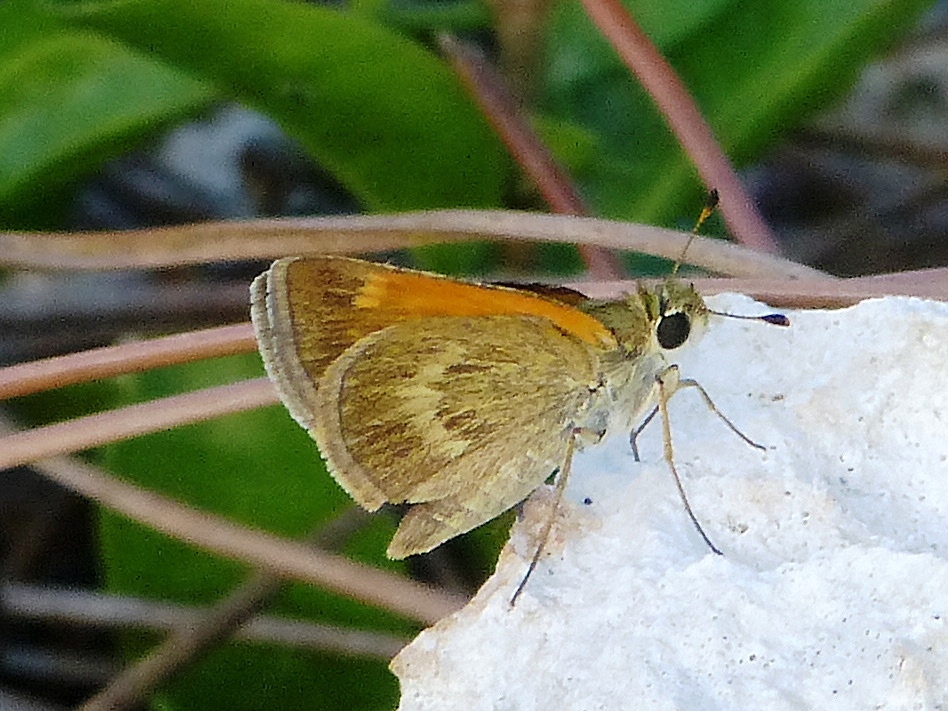
Baracoa Skipper

Baracoa Skipper

Ceranus Blue

Ceranus Blue

Butterflies we found there were Baracoa Skipper and Ceranus Blue.

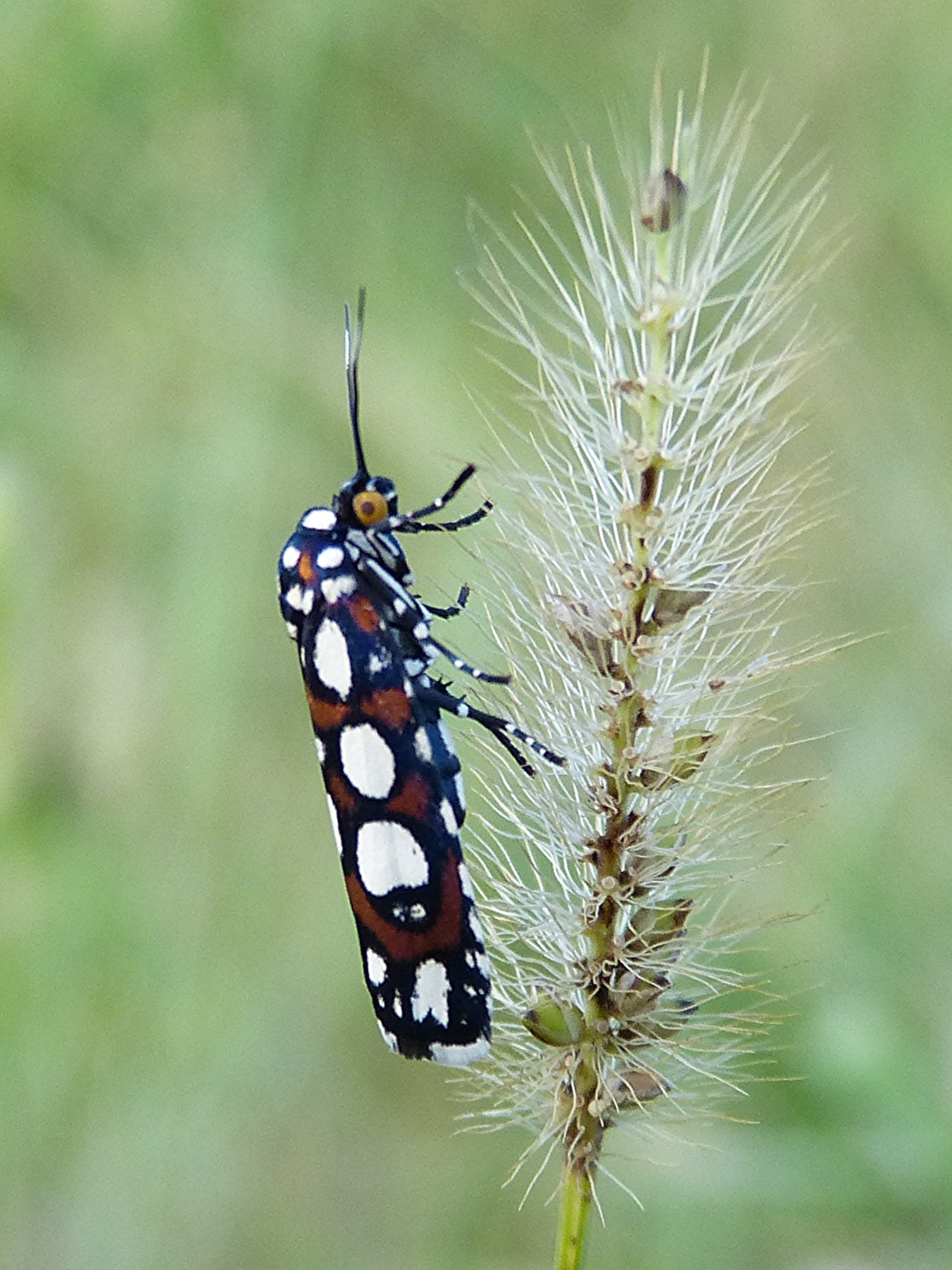
Curve-lined Cydosia Moth

Our last sighting of the day, just before dark at that same location, was the Curve-lined Cydosia Moth in the photo to the left, which is found from southern Florida south to Argentina. This beautiful moth is not very common and it was new to all of us.

I could not have asked for a more cooperative or interesting bird for ABA #600.  Thanks to Angel and Mariel for another fun day. As always, I left South Florida looking forward to returning again soon.

My next post will be another on Alaska.  Follow along with me on more birding adventures.

Angel Mariel and me

Angel, Mariel, and me

Read Full Post »

In July I made a quick trip to Florida to see my step-daughters in Gainesville with the usual stops at Savannah NWR and Harris Neck NWR.  I enjoyed seeing dragonflies, bugs, toads, and wildflowers in addition to birds and butterflies.  I especially liked the beautiful Gulf Fritillaries.

Gulf Fritillary at Harris Neck NWR

Gulf Fritillary at Harris Neck NWR

In Gainesville, the animal highlight was Debbie’s new horse, Charlie, who is just as sweet as she said.

Liz watches Casey and Debbie take Charlie for a walk

Liz watches Casey and Debbie take Charlie for a walk

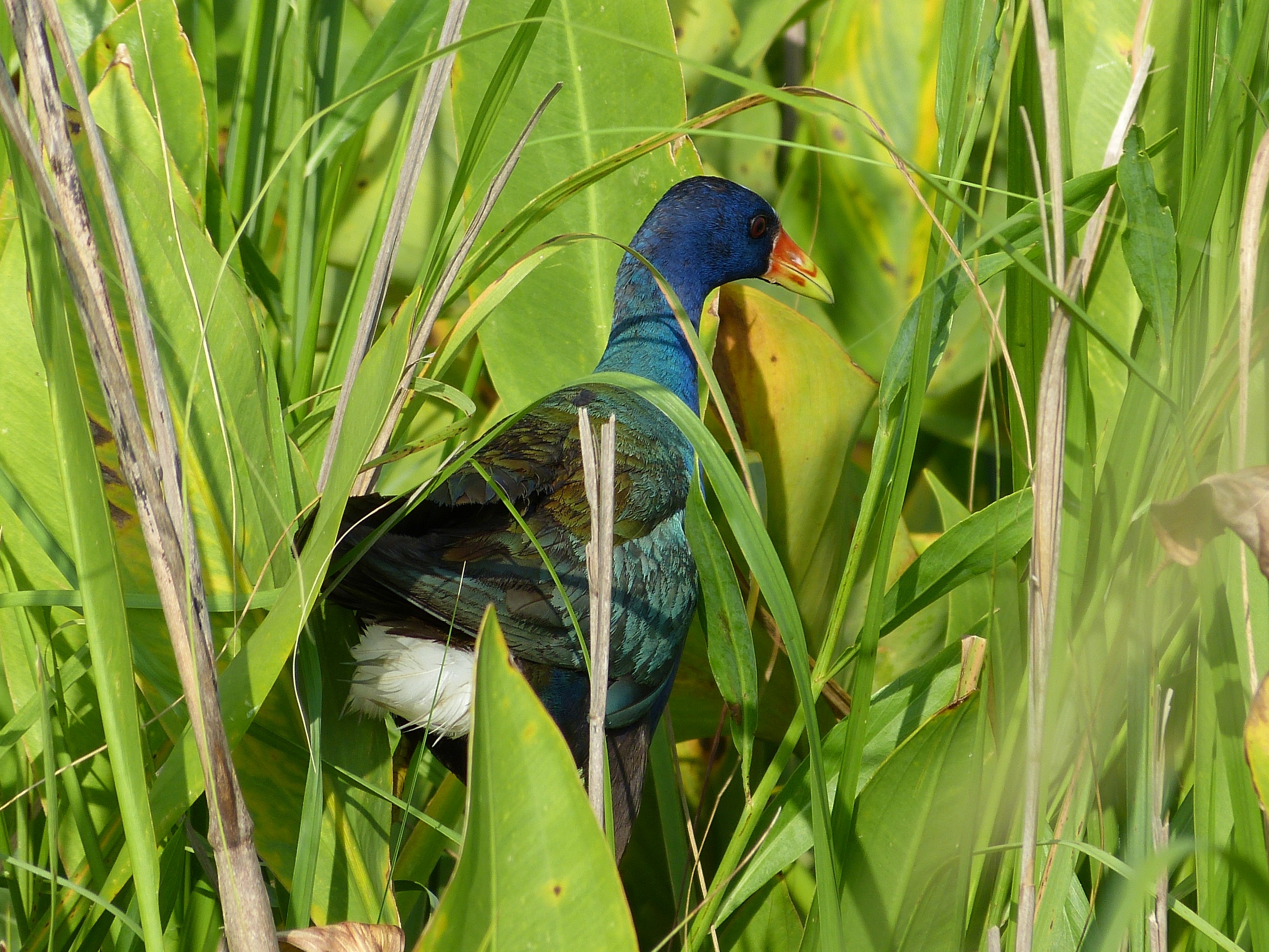
After a few days with the girls and their families, it was time to head back home.  At Savannah NWR, I was able to snap a shot of this Purple Gallinule as it was running away from me.  This is one of the birds that I remember from the early 1980’s in South Florida and it’s still one of my favorites.

Purple Gallinule at Savannah NWR

Purple Gallinule at Savannah NWR

Back home, it was time to leave the deck light on at night again.  I was quickly rewarded with The Hebrew (moth).  I love the simple, elegant black and white pattern.

The Hebrew

The Hebrew

A week later, I saw my first Monarch of the year – in my own yard.  I don’t have milkweed as a host plant (too much shade), so I felt bad that I didn’t have a place for her to lay eggs.  I don’t have many flowers for nectaring either, so I was surprised and very happy to see this butterfly, especially during a year in which they have been rather scarce.

Monarch (female) on Summersweet, Clethra alnifolia

Monarch (female) on Summersweet, Clethra alnifolia

All things lepidoptera heated up in August.  I photographed this Common Buckeye (which really is common) in a friend’s yard.

Common Buckeye in the Schepker/Schneider yard

Common Buckeye in the Schepker/Schneider yard

My favorite photo of the summer is probably this Little Glassywing.  Gene tries to get me to photograph skippers from the side to get all the field marks, but I love the face shots.

Little Glassywing

Little Glassywing

August 15 was a very exciting day for moths.  First, I discovered this gorgeous Imperial Moth outside my front door.  You can see how big he was – almost as “tall” as a brick and he appeared to be in perfect condition.

Imperial Moth (male)

Imperial Moth (male)

Later that same day, my friend Cynthia called to say that she was watching a Luna in the weeds at one of our local birding spots.  Of course, I ran right over to get my “lifer” Luna Moth.  He was missing an entire hindwing, but he was still beautiful to me.

Luna Moth

Luna Moth

The next day, August 16, I participated in the Iredell County NABA count in Statesville, NC, led by Gene Schepker.  We were at Allison Woods when Gene spotted a Harvester.  Before anyone else could see the butterfly, a truck came driving up the gravel road.  Gene’s immediate response was, “I’m going to stop those guys.”  I have no idea what Gene said, but the truck stopped and three men got out, two of them in National Guard uniforms.  In the meantime, the rest of us had lost track of the butterfly.  One of the men pointed to a branch on a nearby tree and there it was!  They patiently waited 10-15 minutes while we admired and photographed the butterfly.

Harvester at Allison Woods

Harvester at Allison Woods

The Harvester flew to the road and began puddling.  Gene explained that he was collecting nutrients to include with his sperm in a special package (a spermatophore) that he would deliver to the female when they mated.  The nutrients in this special “gift” enable the female to produce and lay eggs.  Gene also shared the fascinating fact that Harvesters are America’s only carnivorous butterfly (in the caterpillar stage).  The only food source for Harvester caterpillars is wooly aphids.  Thus, they grow quickly and have only four instar stages instead of the typical five stages for most butterflies.  The men from the truck listened attentively as did the rest of us.  This was more education that one usually gets on a butterfly count and it added to the fun of the day.

Harvester

Harvester

Later in August, Gene joined Cynthia and me to look for butterflies at the little wetland where Cynthia had found the Luna Moth.  Gene found Least Skippers, a new species for me, in grasses by the water’s edge.  They were tiny and liked to hide, so I didn’t get a very good look at them.  The next day I went back to try for a photograph, but I couldn’t even find the skippers.  Fortunately for me, Cynthia stopped to help when she drove by and saw me.  She found the skippers and I was able to get this photo, one of the most challenging of the summer.

Least Skipper

Least Skipper

Summer isn’t officially over yet and neither is moth or butterfly season, but it’s fall migration, so birds have priority now.  In addition to watching birds near home, a trip to India is coming up soon and a trip to Alaska is in the works for summer 2015.

More of my moth photos can be seen on Flickr in the Moths of Forsyth County, NC album.  My butterfly photos are in the Butterflies album.

Read Full Post »

Birding slows down during summer and I always hope to use that time to catch up with chores around the house.  It never works out that way, though.  Last summer I had major surgery and got hooked on moths during my recovery.  This summer I continued watching moths, but, amazingly, I was able to keep it from becoming a full-blown obsession.  My interest in butterflies picked up, however, so between birds, butterflies, and moths, I still managed to neglect my house and chores.

Rosy Maple Moth, Dryocampa rubicunda, a favorite from this summer.

Rosy Maple Moth, Dryocampa rubicunda, a favorite from this summer.

Getting an earlier start with moths this year meant that I saw a lot of species that I missed last year when I started in August.  I’ve been fascinated with green moths ever since I found a list of them on BugGuide.  In May I saw a nice one, this Green Leuconycta.  If you click on a photo in any of my posts, it will display the full-size image in a new tab or window.

Green Leuconycta Moth, Leuconycta diphteroides

Green Leuconycta Moth, Leuconycta diphteroides

Butterflies started getting my attention when my friend Lois and I surveyed Bethania’s Black Walnut Bottoms for the official NABA (North American Butterfly Association) count on May 31.  My favorite from that day was this gorgeous gravid female Southern Broken-Dash butterfly.

Southern Broken-Dash (female)

Southern Broken-Dash (female)

Moths started getting really interesting in June.  Below is a male Tulip-tree Silkmoth, another of my favorites from this summer.

Tulip-tree Silkmoth, Callosamia angulifera

Tulip-tree Silkmoth, Callosamia angulifera

This Catalpa Sphinx may have to have been seen to be appreciated.  It was huge with a wingspan of nearly four inches.  He sure got my attention when he came zooming in to the deck light while I was standing there.

Catalpa Sphinx Moth, Ceratomia catalpae

Catalpa Sphinx Moth, Ceratomia catalpae

I saw my first Great Leopard Moth on my kitchen window in 2010.  I wasn’t even “moth-ing” then, but it caught my attention as something special.  I was thrilled to see one again this summer.  It was absolutely gorgeous.


Great Leopard Moth, Hypercompe scribonia

Great Leopard Moth, Hypercompe scribonia

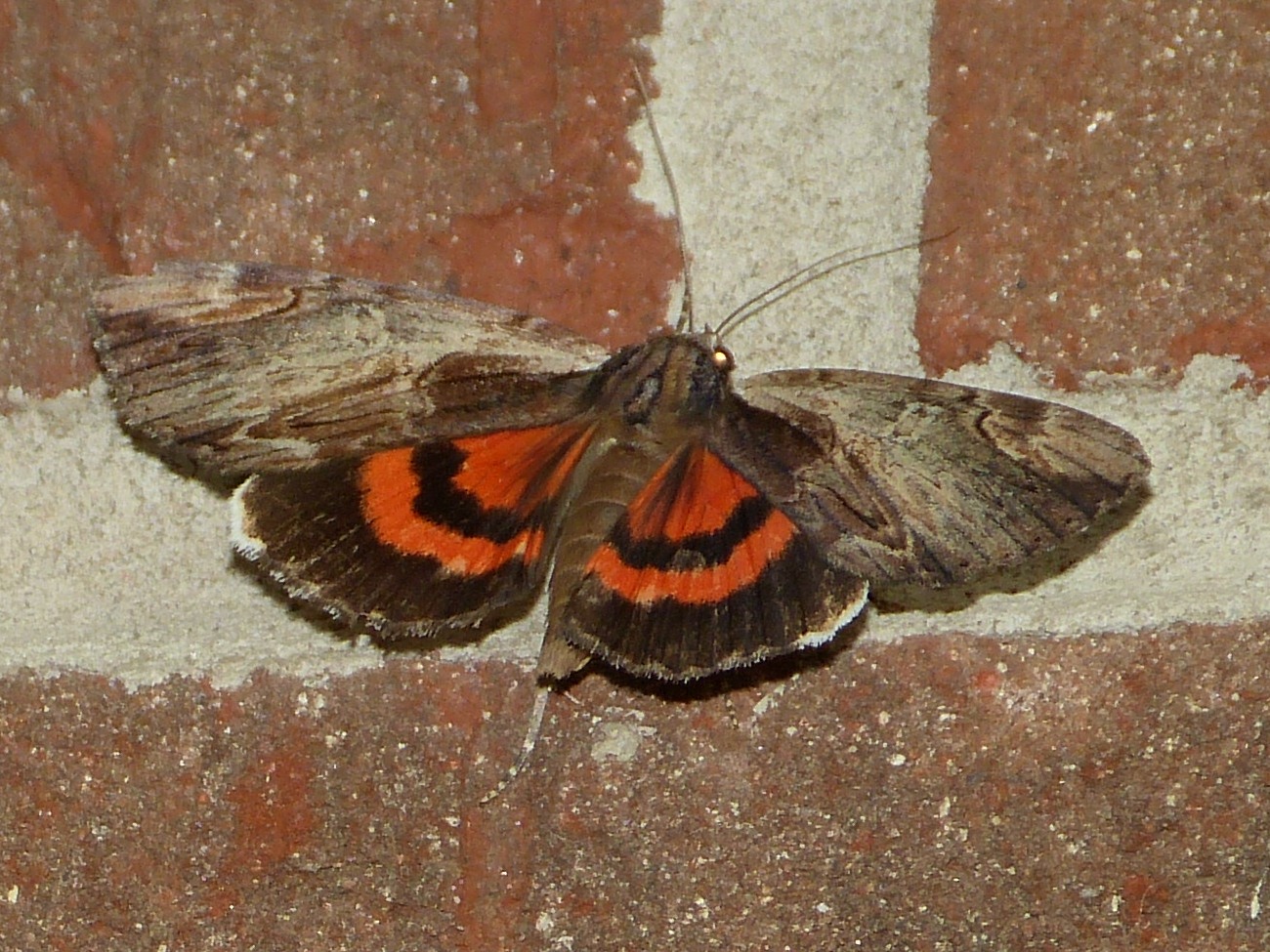
Moths in the genus Catocala are sometimes referred to as “underwing moths” or just “underwings.”  The name Catacala is of Greek origin and roughly translates as “beautiful hindwings.”  These moths have dull cryptic forewings for camouflage during the day.  When disturbed, they flash their brightly colored underwings which may resemble eyes and act as a defense.  Many moths in this group have common names with a female or marriage theme, so we have The Darling, The Girlfriend, The Bride, The Newlywed, The Widow, and others with similar names.  I saw the underwings of only one Catocala this summer, the simply-named Ultronia Underwing.

Ultronia Underwing, Catocala ultronia

Ultronia Underwing, Catocala ultronia

I also found a few moths during bird or butterfly outings.  Peter Keller went to Pilot Mountain on the evening of June 15 with hopes of capturing and attaching a geolocator to the last Wood Thrush for the Audubon project and I tagged along.  Unfortunately, the attempt was unsuccessful.  While waiting alone in the woods while the others went to take down the mist nets as darkness fell, I attracted this little moth with only the light from my flashlight.

Blepharomastix ranalis

Blepharomastix ranalis

A week later, I was back at Pilot Mountain, this time with Gene Schepker on a butterfly walk.  The surprise for the day was this lovely little Rare Spring Moth.

Rare Spring Moth, Heliomata infulata

Rare Spring Moth, Heliomata infulata

And here’s a butterfly that we found on that Pilot Mountain butterfly walk, a Hoary Edge (skipper).

Hoary Edge

Hoary Edge

I photographed this Sachem (another skipper) on the last day of June and inadvertently caught it with its proboscis all neatly rolled up, which I found fascinating.  But, you already know that it doesn’t take much to entertain me.

Sachem

Sachem

So, that’s a very brief summary of my moth and butterfly adventures through June.  Even after severe culling, I couldn’t limit the photos enough for only one post.  Stay tuned for part 2 of The Summer of the Lepidoptera.

Read Full Post »