Feeds:
Posts
Comments

Archive for the ‘Moths’ Category

Fall is rapidly approaching, but sadly the Coronavirus is not retreating.  Many people are still social-distancing and staying near home.  So, what does that mean?  It means that the amazing Matt Smith has brought back the Yard Squad Challenge for a Fall Edition.  It’s similar to the spring competition in that we have teams of players from around the globe – seven teams of ten players each.  But instead of limiting each player to their neighborhood patch, each of us were allowed to define a circle with a radius up to five miles.  Instead of the snake draft, Matt queried eBird data and threw it all in the Magic Hat which created teams each having the same number of potential species (470).  Bonus points will be earned with iNaturalist observations of everything except birds.

Butterflies provided some easy iNat bonus points. Great Spangled Fritillary on Ironweed.

Butterflies provided some easy iNat bonus points. Great Spangled Fritillary on Ironweed.

I am on Joost Brandsma’s team again, Yardbirds Remastered.  We have two players in England, one in Alaska, and seven of us scattered around the lower 48 states.  I choose the smallest possible circle with only a one-mile radius, but it includes my two favorite birding hotspots in addition to my neighborhood.  I figured that a larger circle would simply increase my “par” list without significantly increasing my chances of finding additional birds.  My list of potential birds has 86 species, which seems achievable since I found 83 species in the spring competition without even leaving my neighborhood.

Eastern Tiger Swallowtail

Eastern Tiger Swallowtail

Even though my circle is rather small, it doesn’t have the patch feel of the spring competition.  As much fun as that was, I’m happy to have a little more variety.  We started on August 24 and this first stretch (of three total) ended on September 13.  I have birded every day, sometimes more than once.  I also created my brand new iNaturalist account a couple of days before the start of the Yard Squad Challenge.  I had been resisting the urge to “moth” again this year because of the time suck, but now I had to do it for the iNat bonus points.  I enjoyed it as much as ever and was pleasantly surprised that I found several new species of moths.  In my post Summer Nights a few years ago, I described the wonderful peaceful feeling of nighttime on my deck.

A lovely Showy Urola moth with wings that look like satin.

A lovely Showy Urola moth with wings that look like satin.

I haven’t seen a single rare or unexpected bird yet, but with close observation, I find that I am always learning something new.  I was pleased to get a clear image of a Ruby-throated Hummingbird, but didn’t realize how patchy her feathers were until I looked at the photo.  I mistakenly assumed that it was either a juvenile or sick bird, so I posted the photo to my state birding group on Facebook to learn more.  An expert hummingbird bander told me that it was an adult female in molt and that most of the females they band at this time of year look like this!  I hope she grows new feathers quickly to be in peak condition for her migration south in a few weeks.
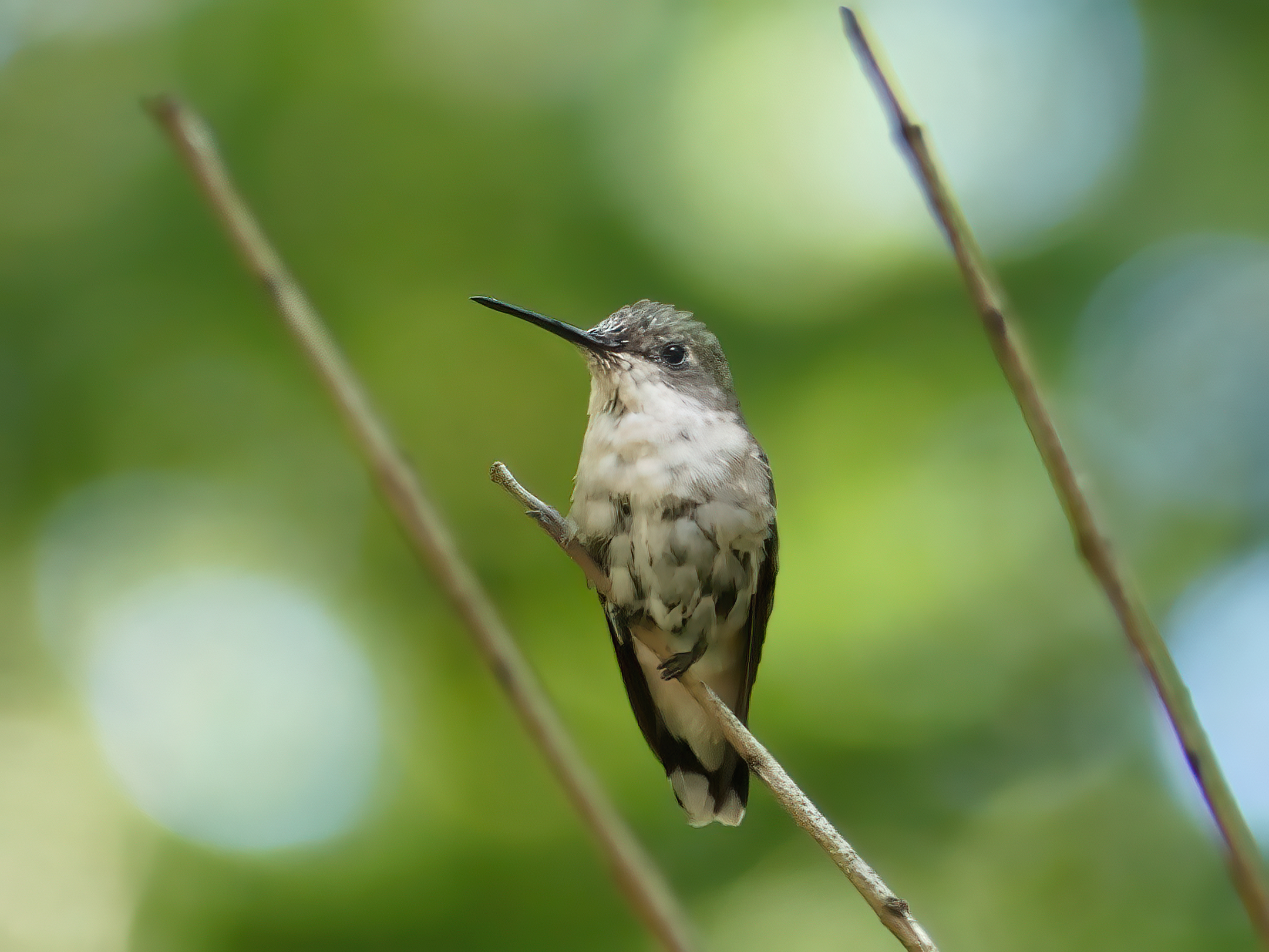
Adult female Ruby-throated Hummingbird

Adult female Ruby-throated Hummingbird

I’d like to think that I always pay attention to flora and fauna, but iNat certainly heightened my alertness.  An interesting find was this lichen in the woods near my house.

How had I never noticed this before? Tentatively identified as Gray Reindeer Lichen.

How had I never noticed this before? Tentatively identified as Gray Reindeer Lichen.

And, just as in this post, my attention quickly shifted between plants, birds, butterflies, and other insects as interesting things constantly caught my eye during  my outings.  Birding has been a bit slower than usual this fall, but I never got bored and always came home with a new iNat observation even when I didn’t find a new avian species for the Yard Squad Challenge.  Here are a few of my sightings.

A beautiful Monarch is always nice to see.
A beautiful Monarch is always nice to see.


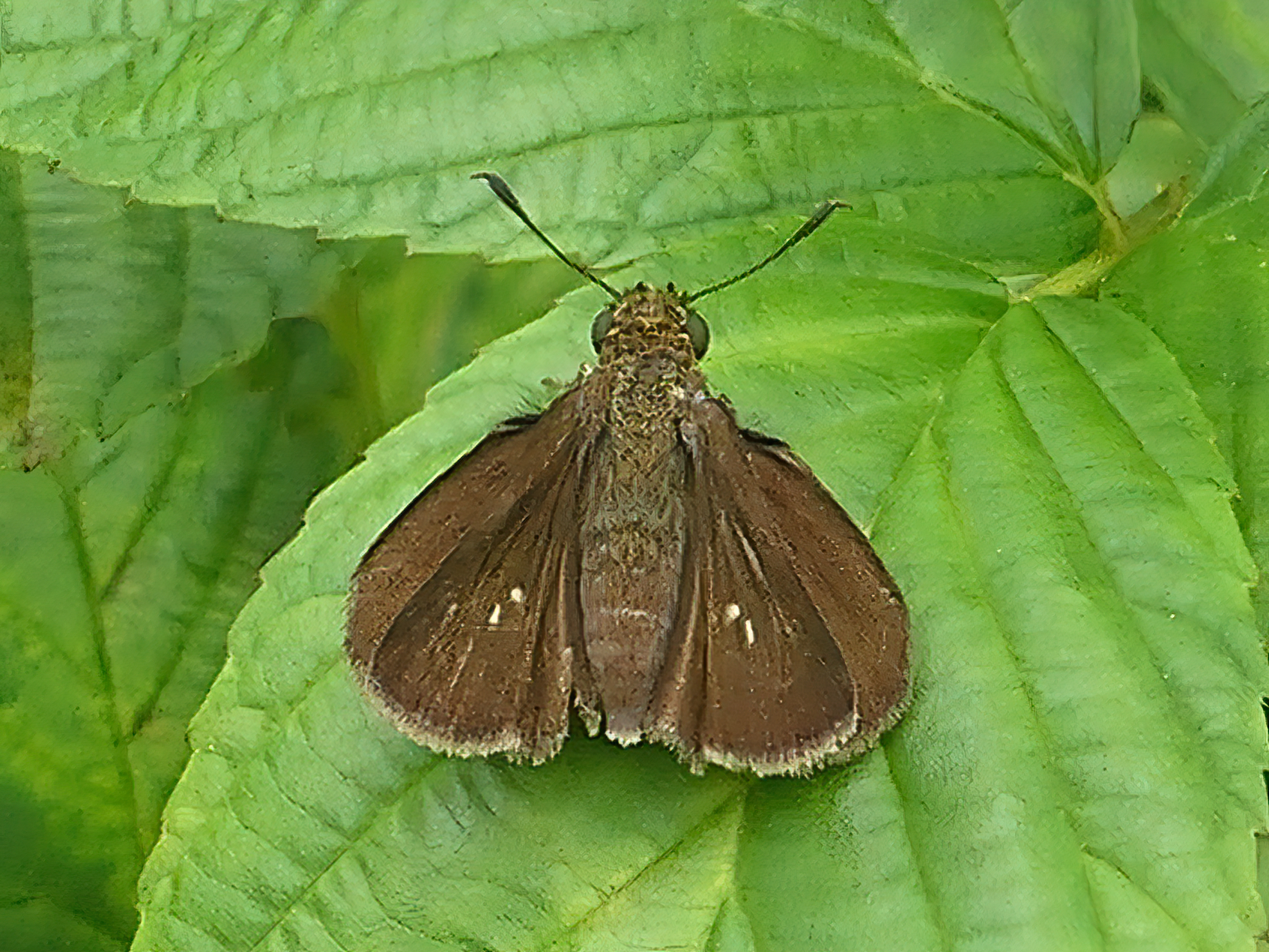
This Dun Skipper was a "lifer" for me.

This Dun Skipper was a “lifer” for me.
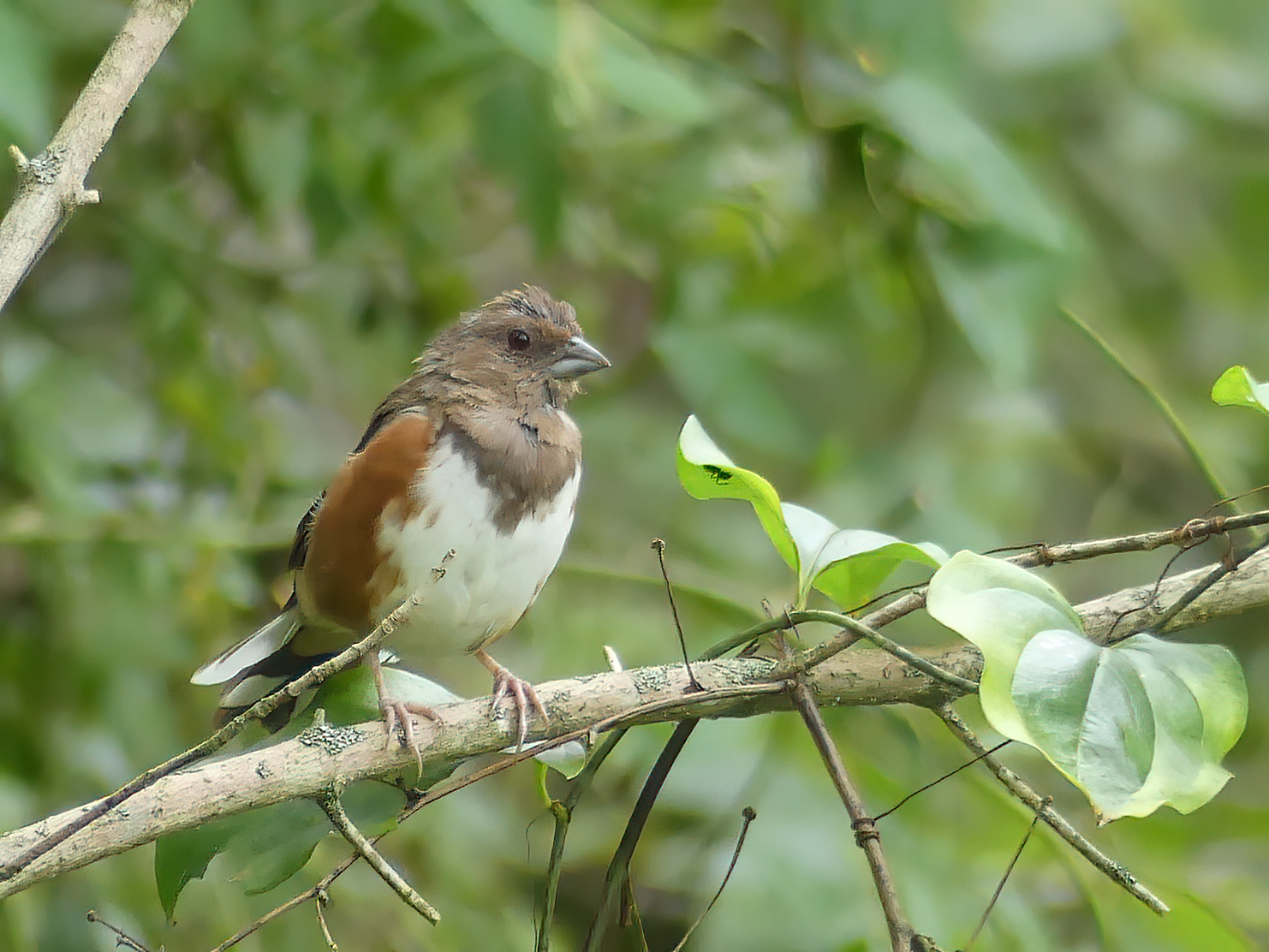
 

Eastern Towhees are common birds in my circle.  This female was accommodating and came to my pishing for a photo.
Eastern Towhees are common birds in my circle.  This female was accommodating and came to my pishing for a photo.


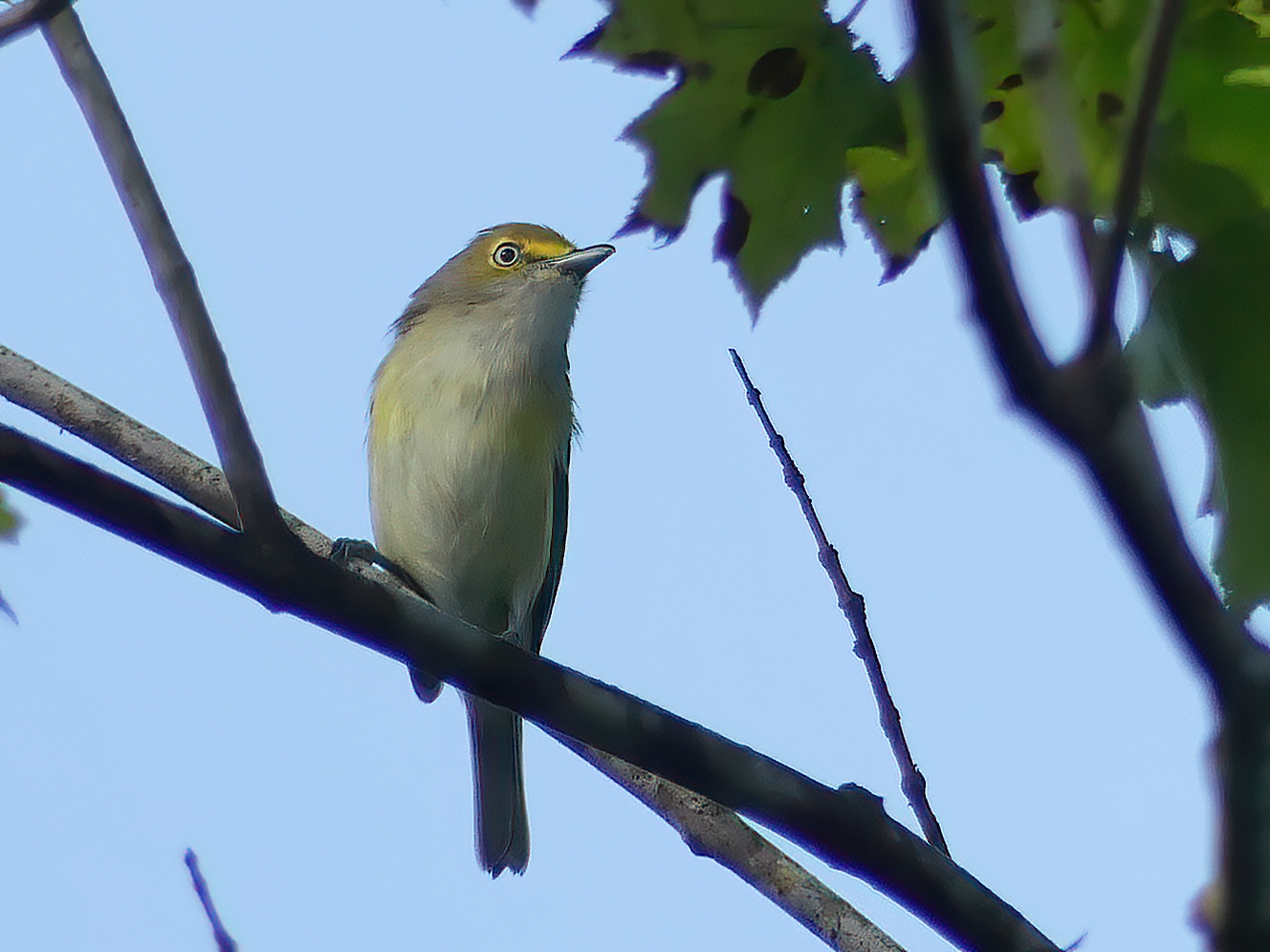
White-eyed Vireos have been more numerous than ever this year.  And, they are still singing which makes them easy to find them.

White-eyed Vireos have been more numerous than ever this year.  And, they are still singing which makes them easy to find them.


Widow Skimmers are a common dragonfly in my area.

Widow Skimmers are a common dragonfly in my area.


As a young girl, I played with grasshoppers and I still like them. This one is a Differential Grasshopper, identified by the black chevrons on its "thighs."

As a young girl, I played with grasshoppers and I still like them. This one is a Differential Grasshopper, identified by the black chevrons on its “thighs.”
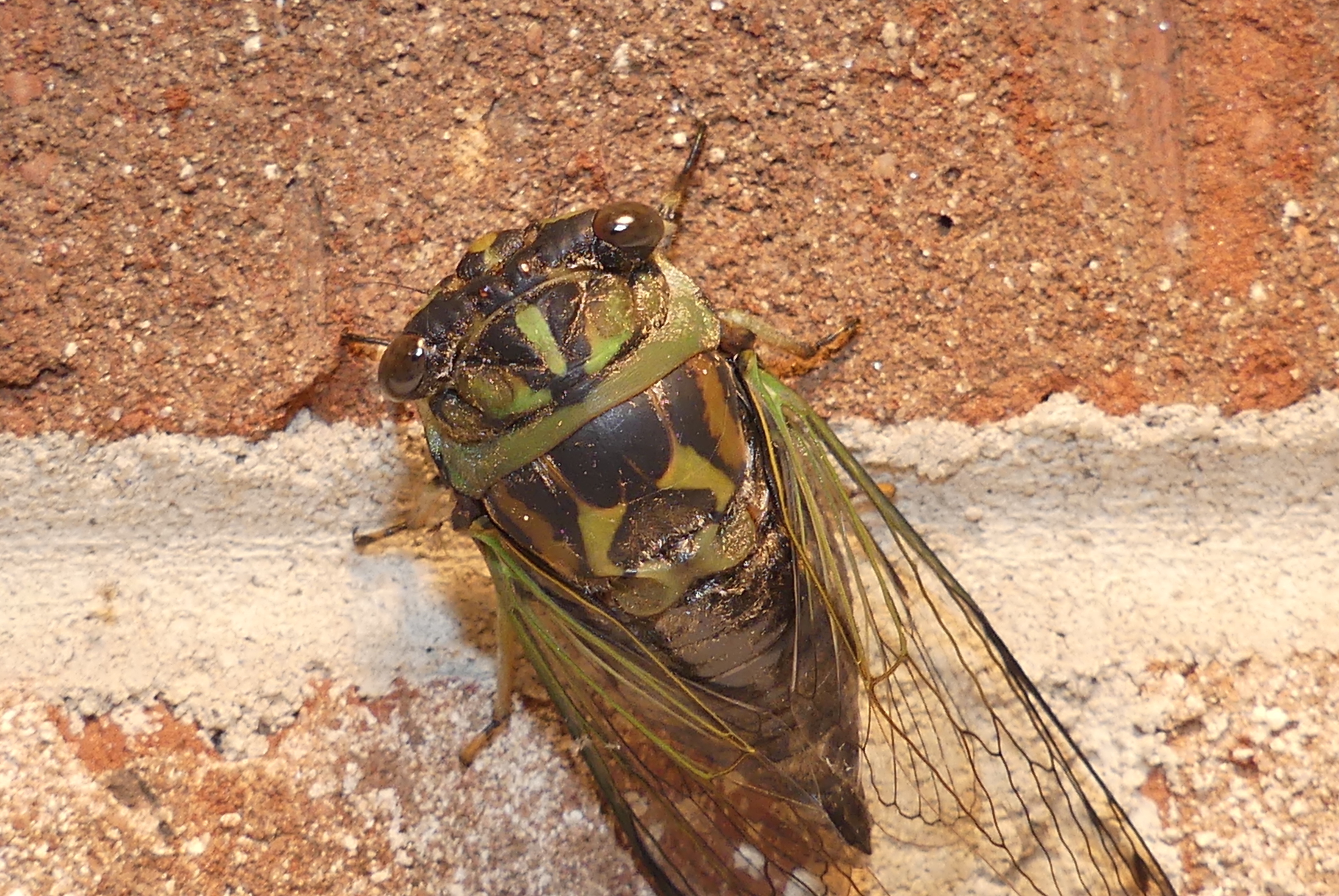
 

Cicadas, however, are on the short list of insects that I do not like.  I’ve been told that they don’t bite or sting, but they still look evil and freak me out.  

Cicadas, however, are on the short list of insects that I do not like.  I’ve been told that they don’t bite or sting, but they still look evil and freak me out.


I'll end with this sweet little fawn that I saw on a misty gray day. White-tailed Deer.

I’ll end with this sweet little fawn that I saw on a misty gray day. White-tailed Deer.

I found 70 species of birds in the first three-week stretch of the Yard Squad Challenge.  The height of migration for my area will be the next three weeks, so I should find new species.  There are several large clumps of Devil’s Walking Stick berries in my backyard that are nearly ripe.  They are always a favorite of tanagers and warblers.  Who will make is easy by just appearing on my deck?

Read Full Post »

In July I made a quick trip to Florida to see my step-daughters in Gainesville with the usual stops at Savannah NWR and Harris Neck NWR.  I enjoyed seeing dragonflies, bugs, toads, and wildflowers in addition to birds and butterflies.  I especially liked the beautiful Gulf Fritillaries.

Gulf Fritillary at Harris Neck NWR

Gulf Fritillary at Harris Neck NWR

In Gainesville, the animal highlight was Debbie’s new horse, Charlie, who is just as sweet as she said.

Liz watches Casey and Debbie take Charlie for a walk

Liz watches Casey and Debbie take Charlie for a walk

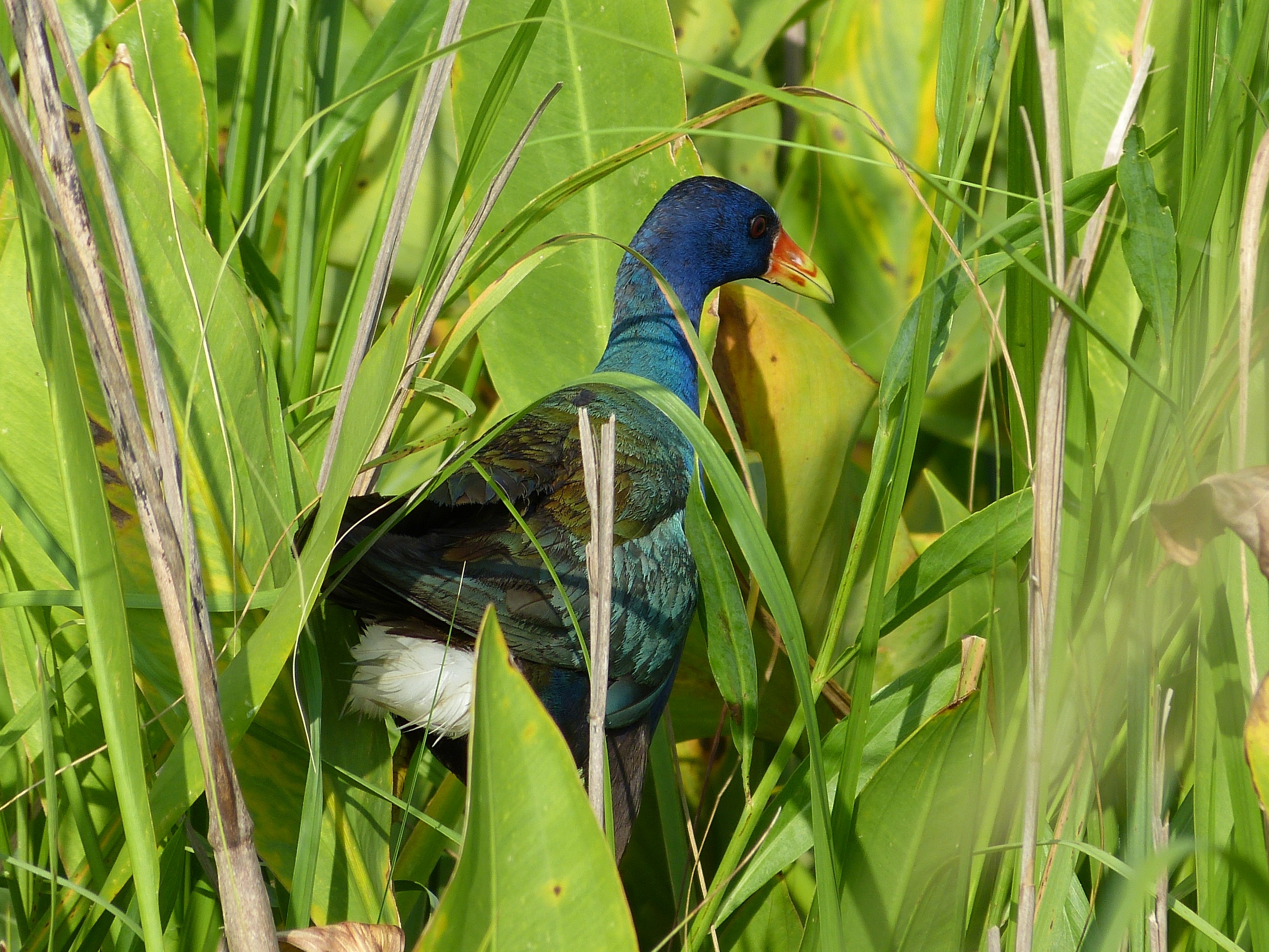
After a few days with the girls and their families, it was time to head back home.  At Savannah NWR, I was able to snap a shot of this Purple Gallinule as it was running away from me.  This is one of the birds that I remember from the early 1980’s in South Florida and it’s still one of my favorites.

Purple Gallinule at Savannah NWR

Purple Gallinule at Savannah NWR

Back home, it was time to leave the deck light on at night again.  I was quickly rewarded with The Hebrew (moth).  I love the simple, elegant black and white pattern.

The Hebrew

The Hebrew

A week later, I saw my first Monarch of the year – in my own yard.  I don’t have milkweed as a host plant (too much shade), so I felt bad that I didn’t have a place for her to lay eggs.  I don’t have many flowers for nectaring either, so I was surprised and very happy to see this butterfly, especially during a year in which they have been rather scarce.

Monarch (female) on Summersweet, Clethra alnifolia

Monarch (female) on Summersweet, Clethra alnifolia

All things lepidoptera heated up in August.  I photographed this Common Buckeye (which really is common) in a friend’s yard.

Common Buckeye in the Schepker/Schneider yard

Common Buckeye in the Schepker/Schneider yard

My favorite photo of the summer is probably this Little Glassywing.  Gene tries to get me to photograph skippers from the side to get all the field marks, but I love the face shots.

Little Glassywing

Little Glassywing

August 15 was a very exciting day for moths.  First, I discovered this gorgeous Imperial Moth outside my front door.  You can see how big he was – almost as “tall” as a brick and he appeared to be in perfect condition.

Imperial Moth (male)

Imperial Moth (male)

Later that same day, my friend Cynthia called to say that she was watching a Luna in the weeds at one of our local birding spots.  Of course, I ran right over to get my “lifer” Luna Moth.  He was missing an entire hindwing, but he was still beautiful to me.

Luna Moth

Luna Moth

The next day, August 16, I participated in the Iredell County NABA count in Statesville, NC, led by Gene Schepker.  We were at Allison Woods when Gene spotted a Harvester.  Before anyone else could see the butterfly, a truck came driving up the gravel road.  Gene’s immediate response was, “I’m going to stop those guys.”  I have no idea what Gene said, but the truck stopped and three men got out, two of them in National Guard uniforms.  In the meantime, the rest of us had lost track of the butterfly.  One of the men pointed to a branch on a nearby tree and there it was!  They patiently waited 10-15 minutes while we admired and photographed the butterfly.

Harvester at Allison Woods

Harvester at Allison Woods

The Harvester flew to the road and began puddling.  Gene explained that he was collecting nutrients to include with his sperm in a special package (a spermatophore) that he would deliver to the female when they mated.  The nutrients in this special “gift” enable the female to produce and lay eggs.  Gene also shared the fascinating fact that Harvesters are America’s only carnivorous butterfly (in the caterpillar stage).  The only food source for Harvester caterpillars is wooly aphids.  Thus, they grow quickly and have only four instar stages instead of the typical five stages for most butterflies.  The men from the truck listened attentively as did the rest of us.  This was more education that one usually gets on a butterfly count and it added to the fun of the day.

Harvester

Harvester

Later in August, Gene joined Cynthia and me to look for butterflies at the little wetland where Cynthia had found the Luna Moth.  Gene found Least Skippers, a new species for me, in grasses by the water’s edge.  They were tiny and liked to hide, so I didn’t get a very good look at them.  The next day I went back to try for a photograph, but I couldn’t even find the skippers.  Fortunately for me, Cynthia stopped to help when she drove by and saw me.  She found the skippers and I was able to get this photo, one of the most challenging of the summer.

Least Skipper

Least Skipper

Summer isn’t officially over yet and neither is moth or butterfly season, but it’s fall migration, so birds have priority now.  In addition to watching birds near home, a trip to India is coming up soon and a trip to Alaska is in the works for summer 2015.

More of my moth photos can be seen on Flickr in the Moths of Forsyth County, NC album.  My butterfly photos are in the Butterflies album.

Read Full Post »

Birding slows down during summer and I always hope to use that time to catch up with chores around the house.  It never works out that way, though.  Last summer I had major surgery and got hooked on moths during my recovery.  This summer I continued watching moths, but, amazingly, I was able to keep it from becoming a full-blown obsession.  My interest in butterflies picked up, however, so between birds, butterflies, and moths, I still managed to neglect my house and chores.

Rosy Maple Moth, Dryocampa rubicunda, a favorite from this summer.

Rosy Maple Moth, Dryocampa rubicunda, a favorite from this summer.

Getting an earlier start with moths this year meant that I saw a lot of species that I missed last year when I started in August.  I’ve been fascinated with green moths ever since I found a list of them on BugGuide.  In May I saw a nice one, this Green Leuconycta.  If you click on a photo in any of my posts, it will display the full-size image in a new tab or window.

Green Leuconycta Moth, Leuconycta diphteroides

Green Leuconycta Moth, Leuconycta diphteroides

Butterflies started getting my attention when my friend Lois and I surveyed Bethania’s Black Walnut Bottoms for the official NABA (North American Butterfly Association) count on May 31.  My favorite from that day was this gorgeous gravid female Southern Broken-Dash butterfly.

Southern Broken-Dash (female)

Southern Broken-Dash (female)

Moths started getting really interesting in June.  Below is a male Tulip-tree Silkmoth, another of my favorites from this summer.

Tulip-tree Silkmoth, Callosamia angulifera

Tulip-tree Silkmoth, Callosamia angulifera

This Catalpa Sphinx may have to have been seen to be appreciated.  It was huge with a wingspan of nearly four inches.  He sure got my attention when he came zooming in to the deck light while I was standing there.

Catalpa Sphinx Moth, Ceratomia catalpae

Catalpa Sphinx Moth, Ceratomia catalpae

I saw my first Great Leopard Moth on my kitchen window in 2010.  I wasn’t even “moth-ing” then, but it caught my attention as something special.  I was thrilled to see one again this summer.  It was absolutely gorgeous.


Great Leopard Moth, Hypercompe scribonia

Great Leopard Moth, Hypercompe scribonia

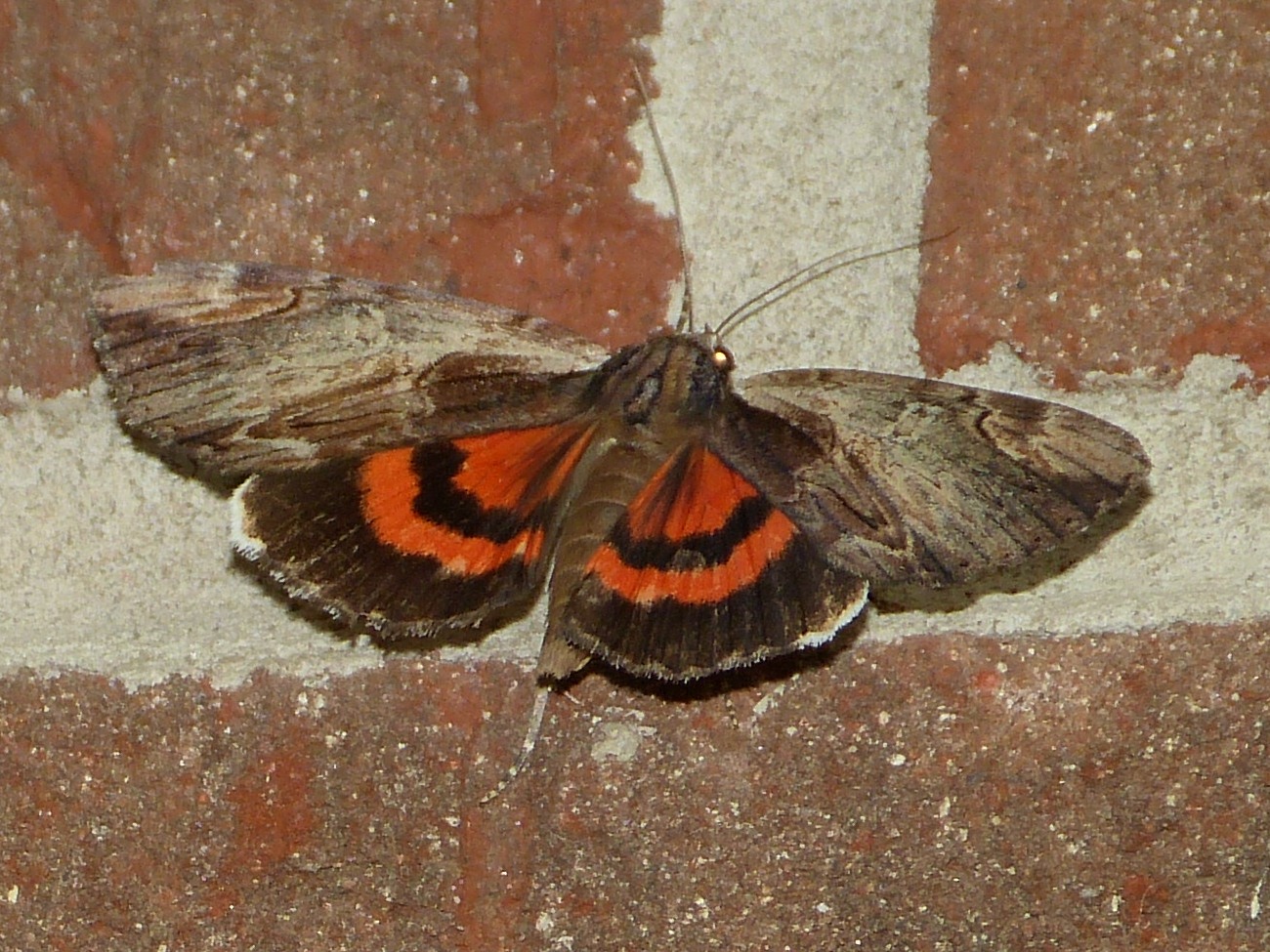
Moths in the genus Catocala are sometimes referred to as “underwing moths” or just “underwings.”  The name Catacala is of Greek origin and roughly translates as “beautiful hindwings.”  These moths have dull cryptic forewings for camouflage during the day.  When disturbed, they flash their brightly colored underwings which may resemble eyes and act as a defense.  Many moths in this group have common names with a female or marriage theme, so we have The Darling, The Girlfriend, The Bride, The Newlywed, The Widow, and others with similar names.  I saw the underwings of only one Catocala this summer, the simply-named Ultronia Underwing.

Ultronia Underwing, Catocala ultronia

Ultronia Underwing, Catocala ultronia

I also found a few moths during bird or butterfly outings.  Peter Keller went to Pilot Mountain on the evening of June 15 with hopes of capturing and attaching a geolocator to the last Wood Thrush for the Audubon project and I tagged along.  Unfortunately, the attempt was unsuccessful.  While waiting alone in the woods while the others went to take down the mist nets as darkness fell, I attracted this little moth with only the light from my flashlight.

Blepharomastix ranalis

Blepharomastix ranalis

A week later, I was back at Pilot Mountain, this time with Gene Schepker on a butterfly walk.  The surprise for the day was this lovely little Rare Spring Moth.

Rare Spring Moth, Heliomata infulata

Rare Spring Moth, Heliomata infulata

And here’s a butterfly that we found on that Pilot Mountain butterfly walk, a Hoary Edge (skipper).

Hoary Edge

Hoary Edge

I photographed this Sachem (another skipper) on the last day of June and inadvertently caught it with its proboscis all neatly rolled up, which I found fascinating.  But, you already know that it doesn’t take much to entertain me.

Sachem

Sachem

So, that’s a very brief summary of my moth and butterfly adventures through June.  Even after severe culling, I couldn’t limit the photos enough for only one post.  Stay tuned for part 2 of The Summer of the Lepidoptera.

Read Full Post »

Virginian Tiger Moth, Spilosoma virginica

Virginian Tiger Moth, Spilosoma virginica

After surgery this past summer, I watched videos about birds and read novels featuring birds and butterflies.  But soon I became bored and badly in need of a wildlife fix – something real and alive – and I wouldn’t be up to birding for a few weeks.  National Moth Week had been two weeks earlier and it gave me an idea.  I could leave the outside lights on and just step outside my back door with a camera.  I could stay out for three minutes or thirty and I could go out in the middle of the night when I couldn’t sleep.  Photos could be leisurely reviewed the next day and I could attempt to identify what I saw.  My plan worked perfectly with just one side effect; it fueled another time-sucking hobby.  I saw over 130 species of moths during the past three months and now I am seriously addicted to “moth-ing” in addition to birding.

Moths are just drab little brown and gray things – is that what you are thinking?  Well, take a look at this gorgeous thing, a Zebra Conchylodes.

Zebra Conchylodes

Zebra Conchylodes, Conchylodes ovulalis

This Tulip-Tree Beauty few into my family room where I photographed it, and then it flew back outside when I opened the door.  How cooperative!

Tulip-tree Beauty

Tulip-Tree Beauty, Epimecis hortaria

And could anything be more lovely than this delicate Pale Beauty?

Pale Beauty

Pale Beauty, Campaea perlata

I discovered an amazing diversity of size, color, shape, and behavior in moths. But my quiet time alone outdoors in the beautiful summer nights resulted in the discovery of much more than moths. Insects! There are thousands and I saw a lot of them. This Mayfly was a surprise that took me quite a while to identify. I was left feeling as I did after first seeing an Eastern Towhee in my yard. How could this amazing creature have been right here in my yard and I never noticed it before!

Mayfly

Mayfly, perhaps a Hexagenia limbata or Litobrancha recurvata.

Here’s another interesting insect, a Florida Predatory Stink Bug.  Yes, it’s a “good guy”, native and its prey consists of plant-damaging bugs, beetles, and caterpillars. I think that this is a 5th instar nymph.

Florida predatory stink bug

Florida predatory stink bug, Euthyrhynchus floridanus

Most of the insects that I saw this summer still need identification. If you recognize anything in my Flickr “Backyard Insects” set, please leave a comment here or on Flickr.

I learned that Barred Owls call nearly every night in late summer; not always their “Who cooks for you?” song, but frequently the gentle “hoo-ah” of owl conversation.

Barred Owl

Barred Owl photographed in my yard a few years ago. They breed in my neighborhood.

A couple of times I jumped when I heard something behind me and turned around to find as many as three raccoons on the deck rail.  When fall arrived, the raccoons stopped visiting.  Where they teaching the young ones where to get an easy meal of left-over bird seed?  They certainly enjoyed the “foot bath” on my deck.

Enjoying a drink

Raccoons visited my deck every night for a few weeks during the summer.

Neoscona crucifera

Neoscona crucifera, probably a female based upon its large size.

Recently I posted this photo of a large spider on Facebook with a request for an ID.  One person commented, “What a beauty!”  I felt a little ashamed that someone had to tell me that this was a beautiful living creature.  I’m vowing to be more open-minded and expand my notion of wildlife beauty beyond plants, birds, butterflies and moths.

Learning to appreciate diversity in nature is never-ending for me.  Every time that I open my eyes a little wider, I’m astounded by the beauty and wonder of life.

More moth photos can be seen in my Flickr set Moths of Forsyth County, NC

Update 10/3/2025: Most of my Flickr albums are now gone as I could not continue to justify the cost of a pro account as fees increased. However, I now have thousands of observations of all kinds of living things on iNaturalist. Check out my sightings there. You can find me with my real name or my iNat username shelleydee.

Read Full Post »