It started like most encounters between birders. Alie was arriving at Possum Branch Preserve just as I was heading out. “Hi, did you see anything good?” she asked. What came next was anything but ordinary. Within five minutes, I had blurted out: “I’m going to Malaysia to look at moths. Want to come?” Alie’s response was an enthusiastic “Yes!”
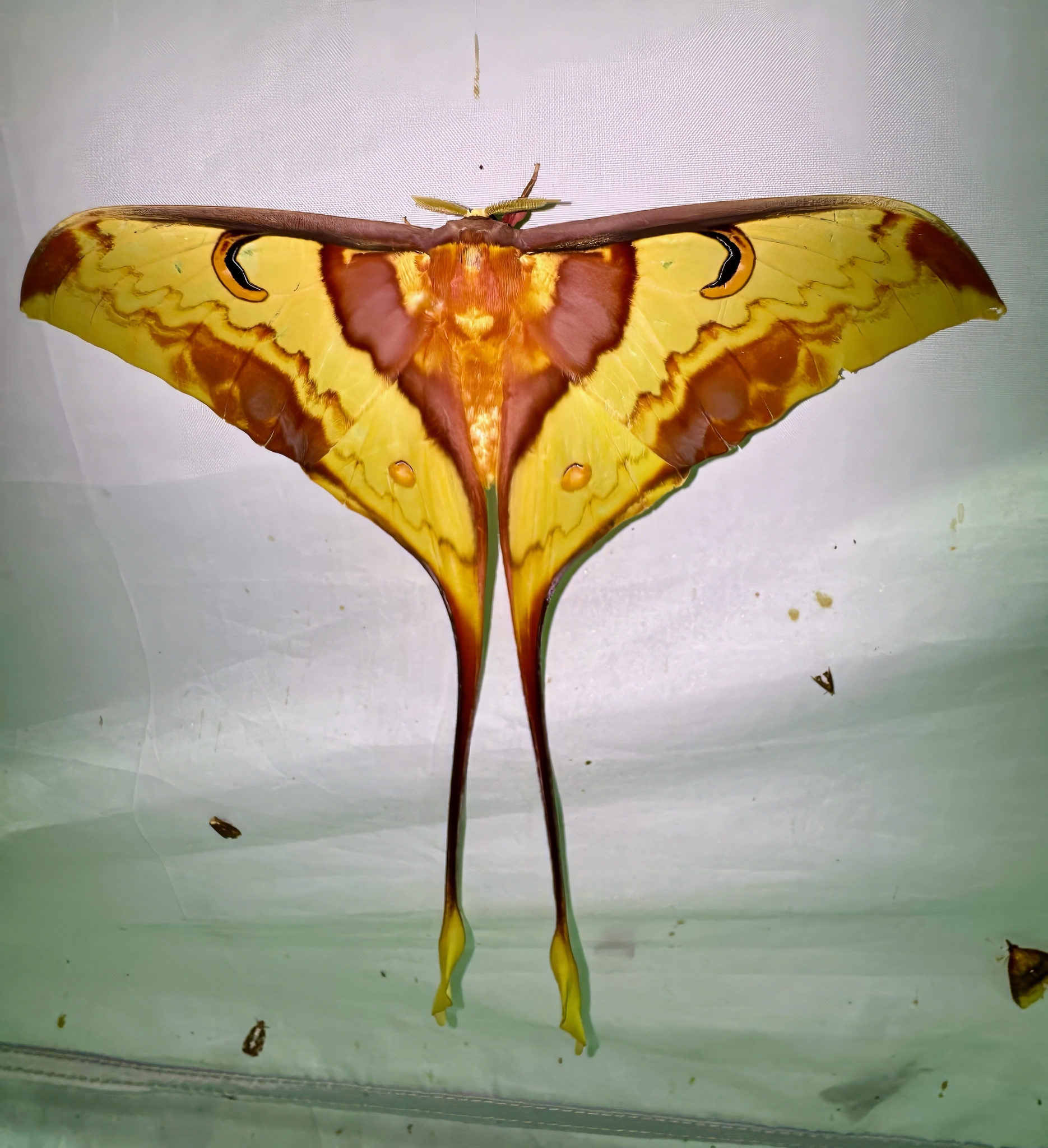
The huge Atlas moth—one of the largest lepidopterans in the world, with a wingspan measuring up to 24 cm (9.4 in)—was one that we especially hoped to see.

A couple of months earlier, David Fischer had posted an open invitation to join him at MCM Nature Discovery Villa in Fraser’s Hill for one of his three 2025 trips. I had been following David’s incredible photos in the Moths and Moth Watching Facebook group and thought Fraser’s Hill must be the best place on the planet for moths. David was friendly and encouraging when I contacted him, so I booked a room. Still, I felt a bit apprehensive and had been considering canceling before I met Alie. That hesitation was gone in an instant once I had a partner for the adventure.
We arrived at Kuala Lumpur International Airport on Saturday, June 21, just before 10:00 AM. Our driver picked us up and delivered us to MCM about three hours later. An hour after arriving, we joined the group for a photo session with two snakes that had been “bagged” the previous night. I was assured that this did not harm them and they would be returned to the exact spot where they had been captured. The Blue Malayan Coralsnake and Red-headed Krait are among the most beautiful creatures I have ever seen.


One of the seven moth sheets was set up on the patio right outside our room.
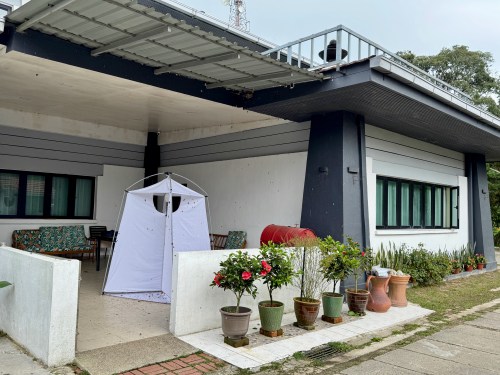
One word best describes that first night: overwhelming. I don’t have nightly numbers, but David identified over 1,500 species of moths during the 11 nights that he was at MCM.
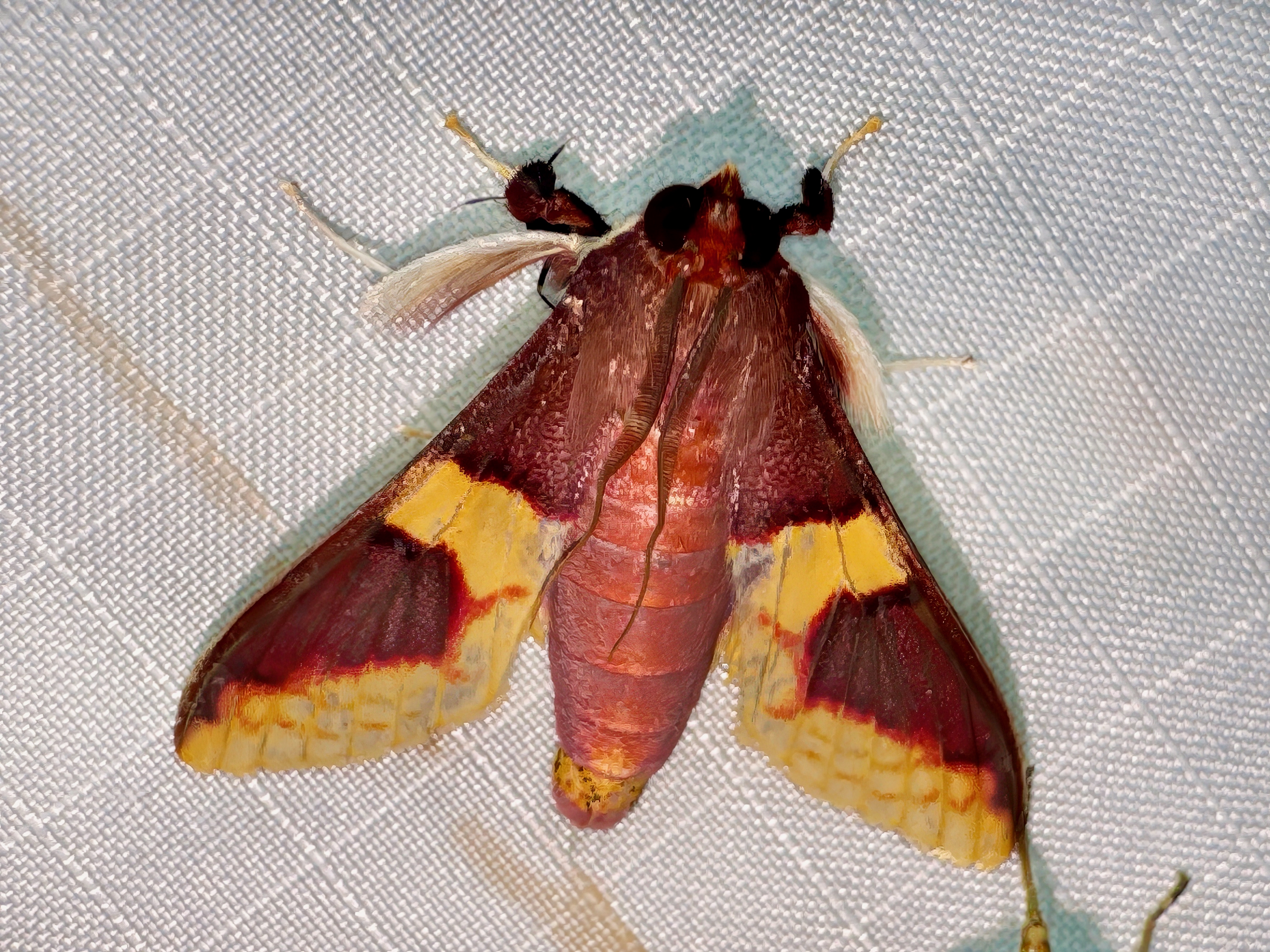
Here’s a small sample of the week’s amazing moth diversity. Note the yellow and orange giant silk moth that resembles a Luna Moth. Yes, they are in the same genus, Actias, but the Malaysian Moon Moth is much larger. You can click on any of the photos in the galleries in this post for a larger view.
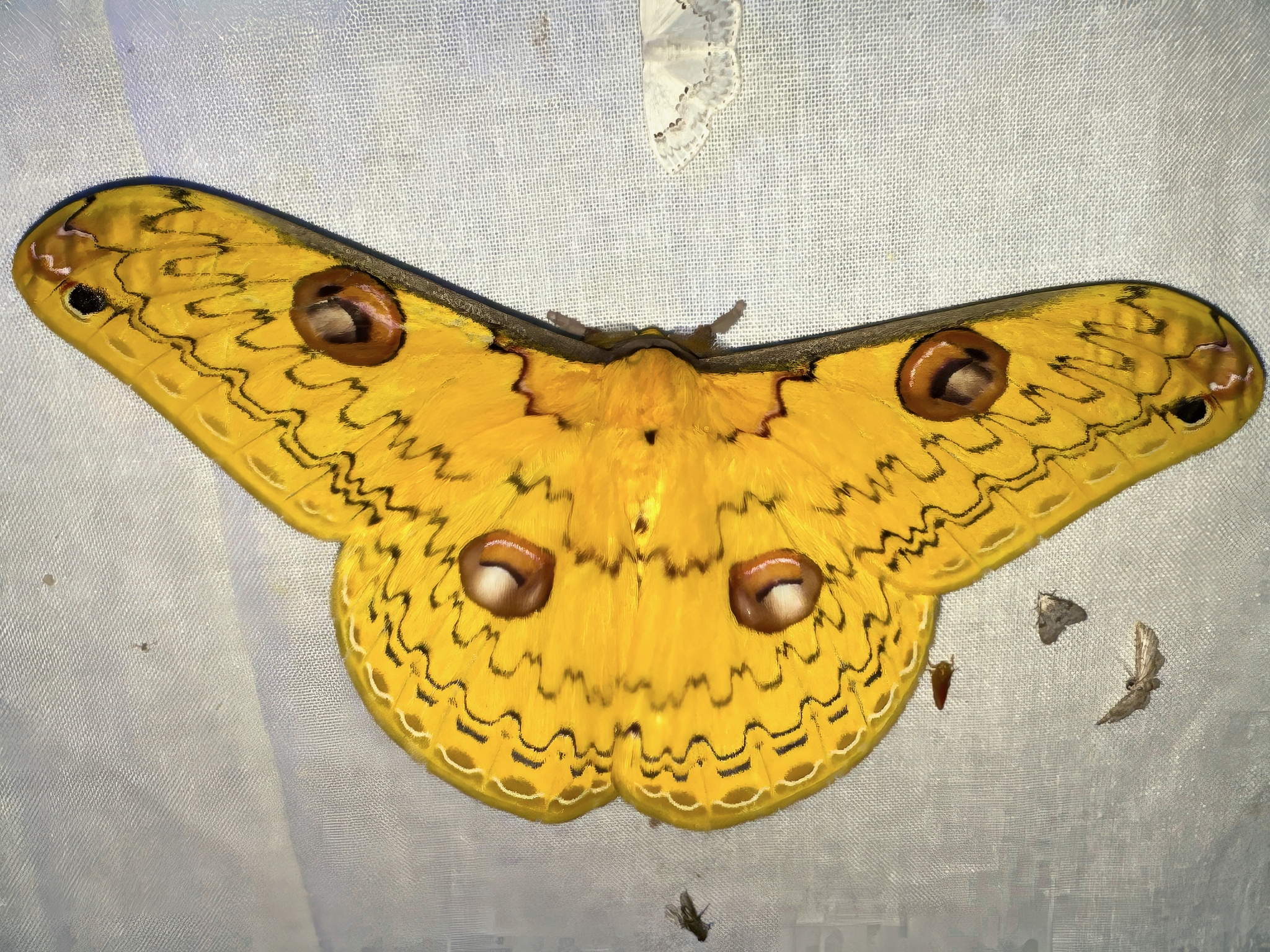

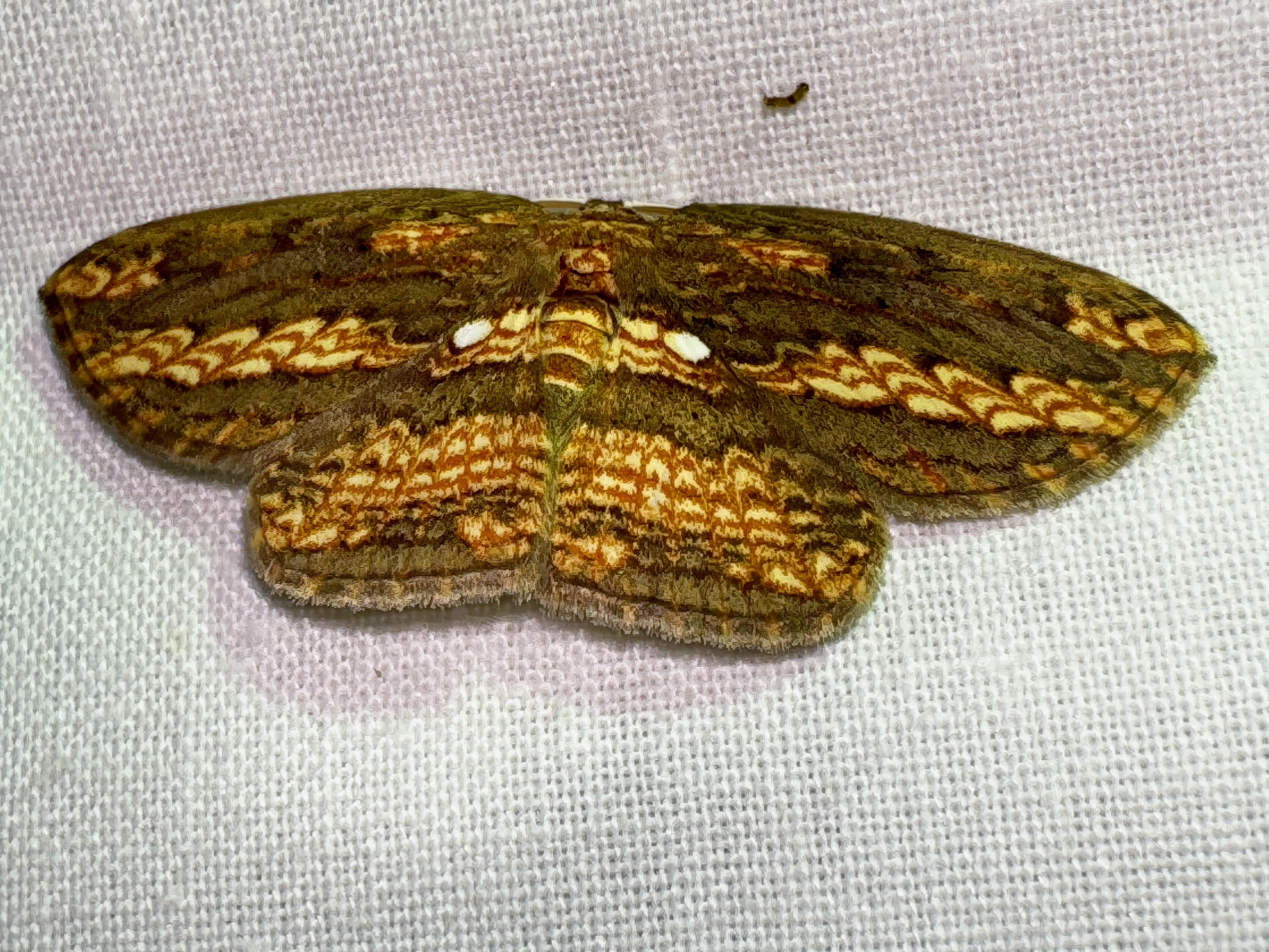


The next morning, Alie and I went birding with Adam, the son of MCM’s owner, Stephen, and an excellent guide. I found birding in Malaysia to be challenging overall with mostly skulky birds in dense forest. However, we had excellent views of this pretty Rufous-browed Flycatcher on the side of the road.

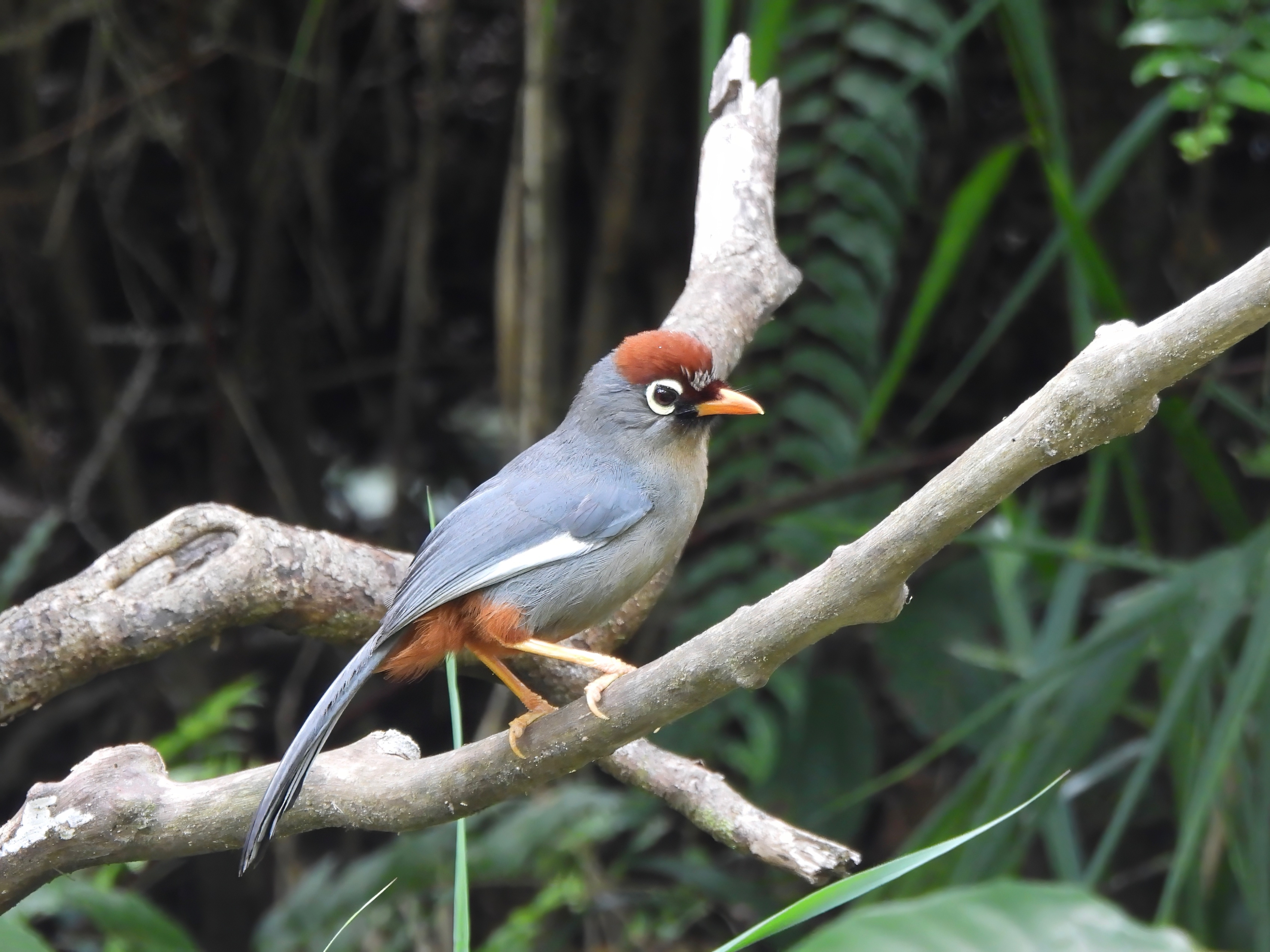
The birds at a feeding area were also cooperative. I was happy to get great looks at my lifer Chestnut-capped Laughingthrush, along with two Long-tailed Sibias.

On Monday, Alie walked the Telekom Loop with another birder staying at MCM while I took the day off to catch up on sleep. David and the regulars had a routine: a quick check of the moth sheets after dark, then sleep from 10:00 or 11:00 PM until 3:00 or 4:00 AM. They told us that the best moths frequently appear shortly before dawn. This was all new to us, and with a 12-hour jet lag, we never quite got into the rhythm. We simply enjoyed moths at random hours during the night and slept when we could squeeze in the time.

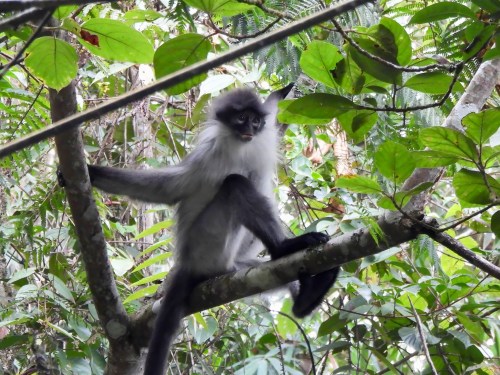
The MCM grounds were lovely, with plenty to see beyond the moths and other insects drawn to the lights at night. The photo above shows the treehouse and garden that attracted wildlife and provided the perfect staging area for birds nabbing breakfast at the nearby moth sheets. A highlight in the garden area was Malayan White-thighed Surili—a Near Threatened primate endemic to the Malay peninsula. They were shy; we did not see them every day.
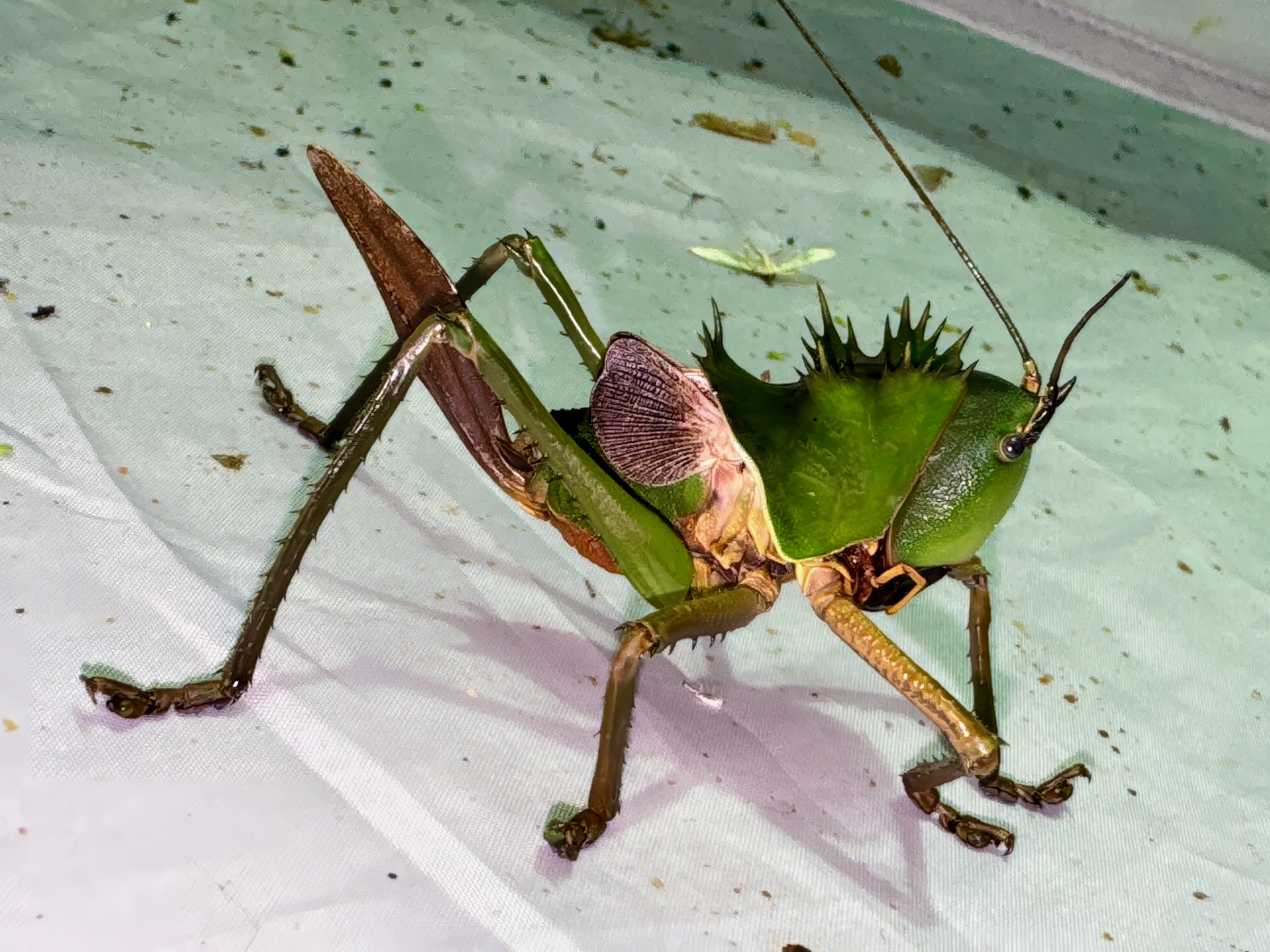
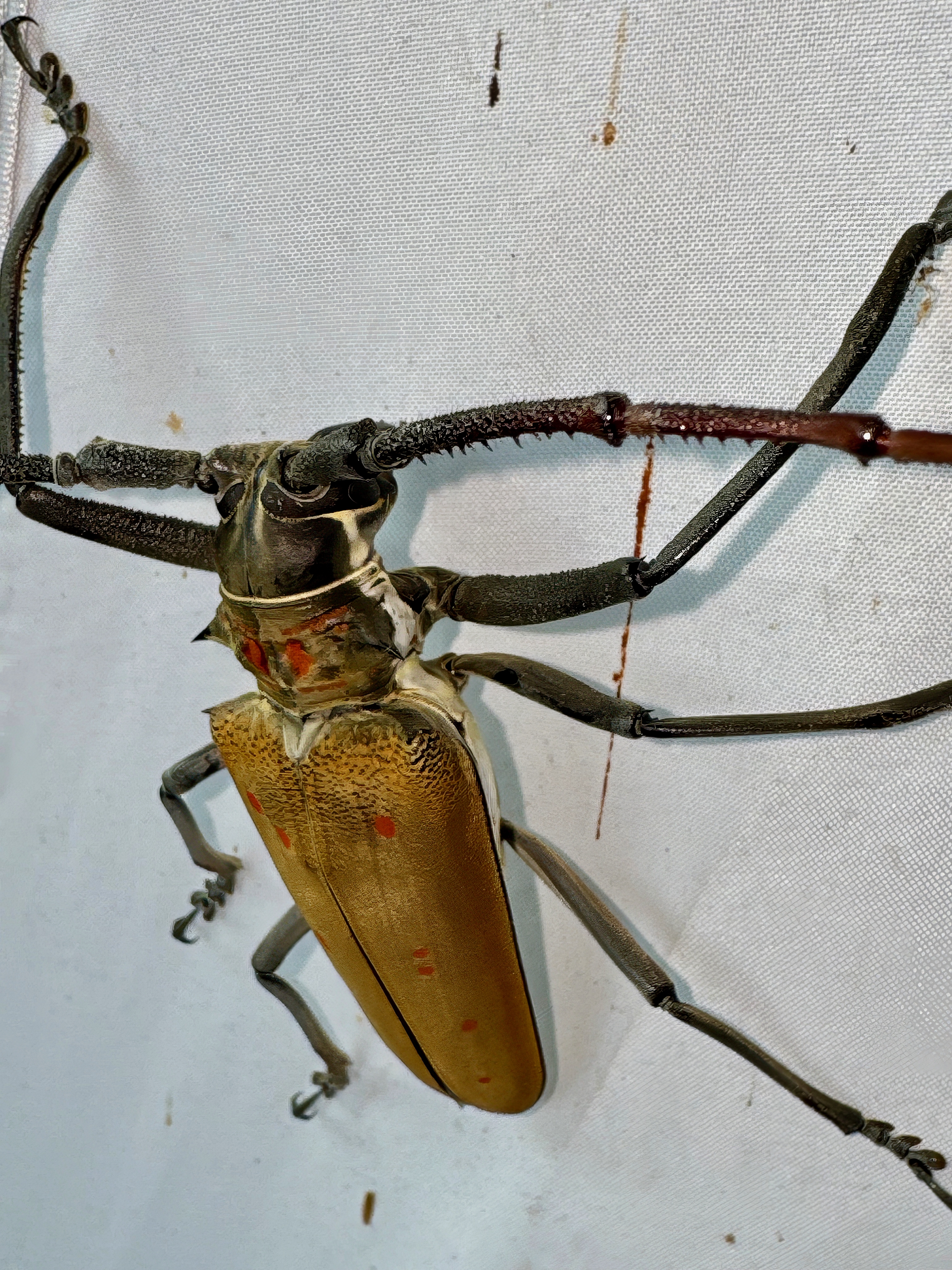
The lights attracted many beetles and other insects in addition to moths. When I first started mothing, I found them annoying, but, since discovering iNaturalist in 2020, I now embrace all living things. Those formerly annoying insects are now “lifers” and I quickly learned how interesting they are. Here’s just a tiny sample from MCM: a katydid in the genus Lesina, commonly known as Dragon-headed Katydids, a large beetle that I think is a Mango-tree Longicorn Borer, and a green cicada, Dundubia vaginata (with no common name).

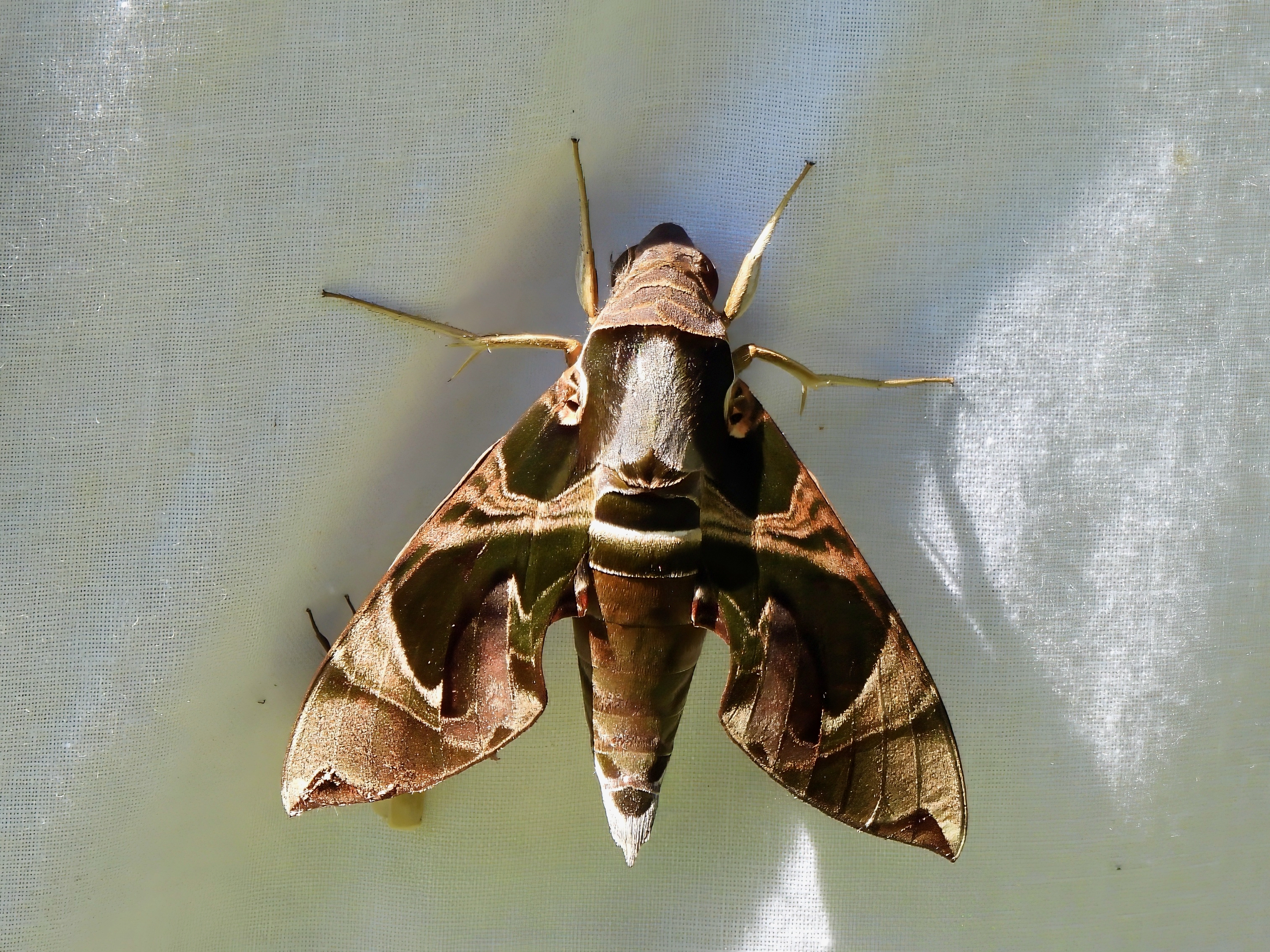
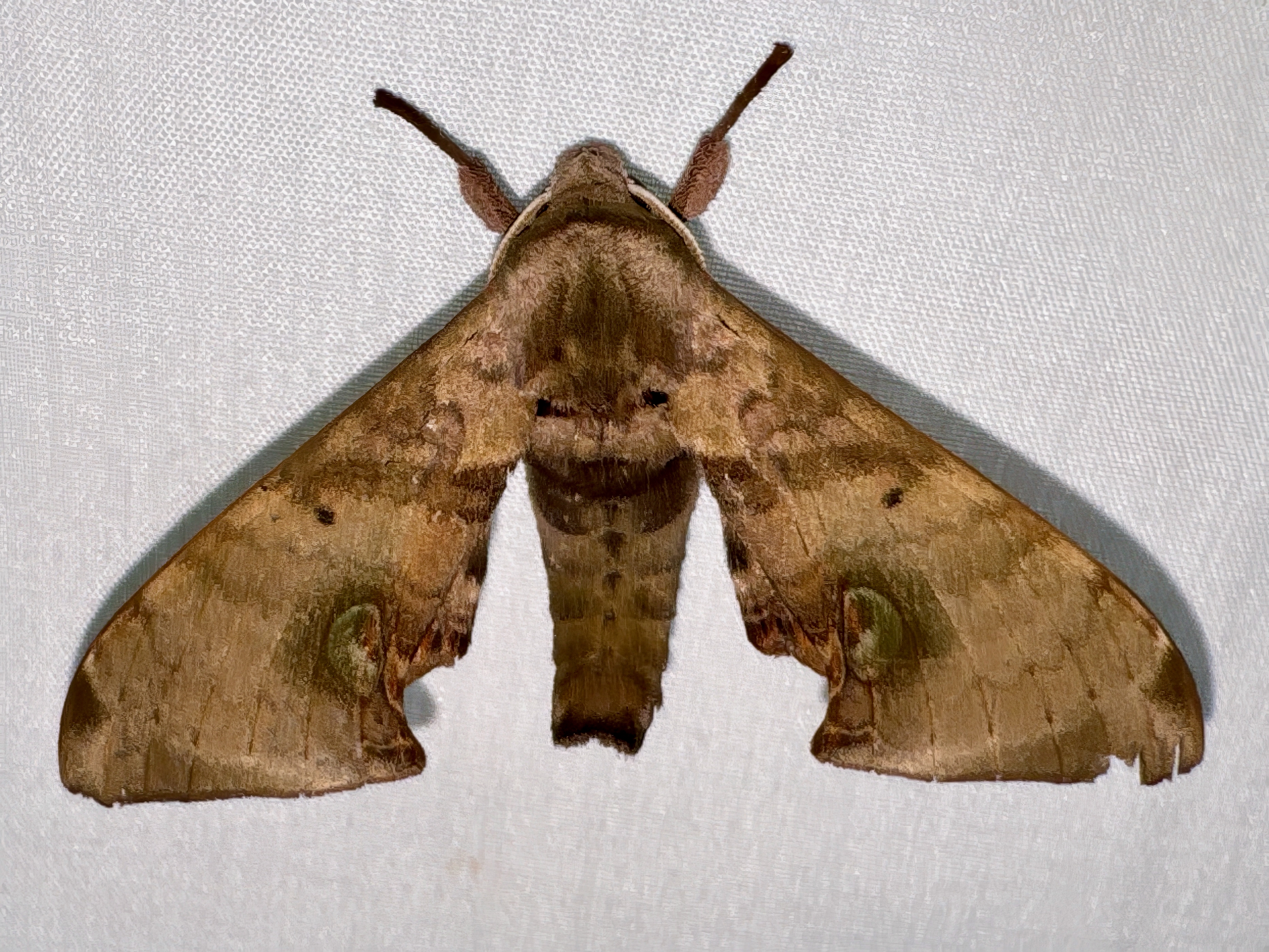
Among the many moths at MCM were numerous hawk moths. Here is a small sample.




On Tuesday, we walked the Telekom Loop with David. It’s one of the best birding hotspots in Fraser’s Hill, although the birds were unpredictable. Still, if you walked the loop often enough, you could see some wonderful birds and a few butterflies. One of my favorites was this beautiful Pallid Faun.

The Telekom Loop is only about two and a half miles, but the short road up to MCM is steep, and I was out of shape. On Wednesday, Alie and I walked the loop by ourselves and took our time—over four hours! We were rewarded with the discovery of a Rufous-browed Flycatcher nest by the side of the road, and we could even see a baby peeking out. We also found an Orange-bellied Flowerpecker, a life bird for both of us.


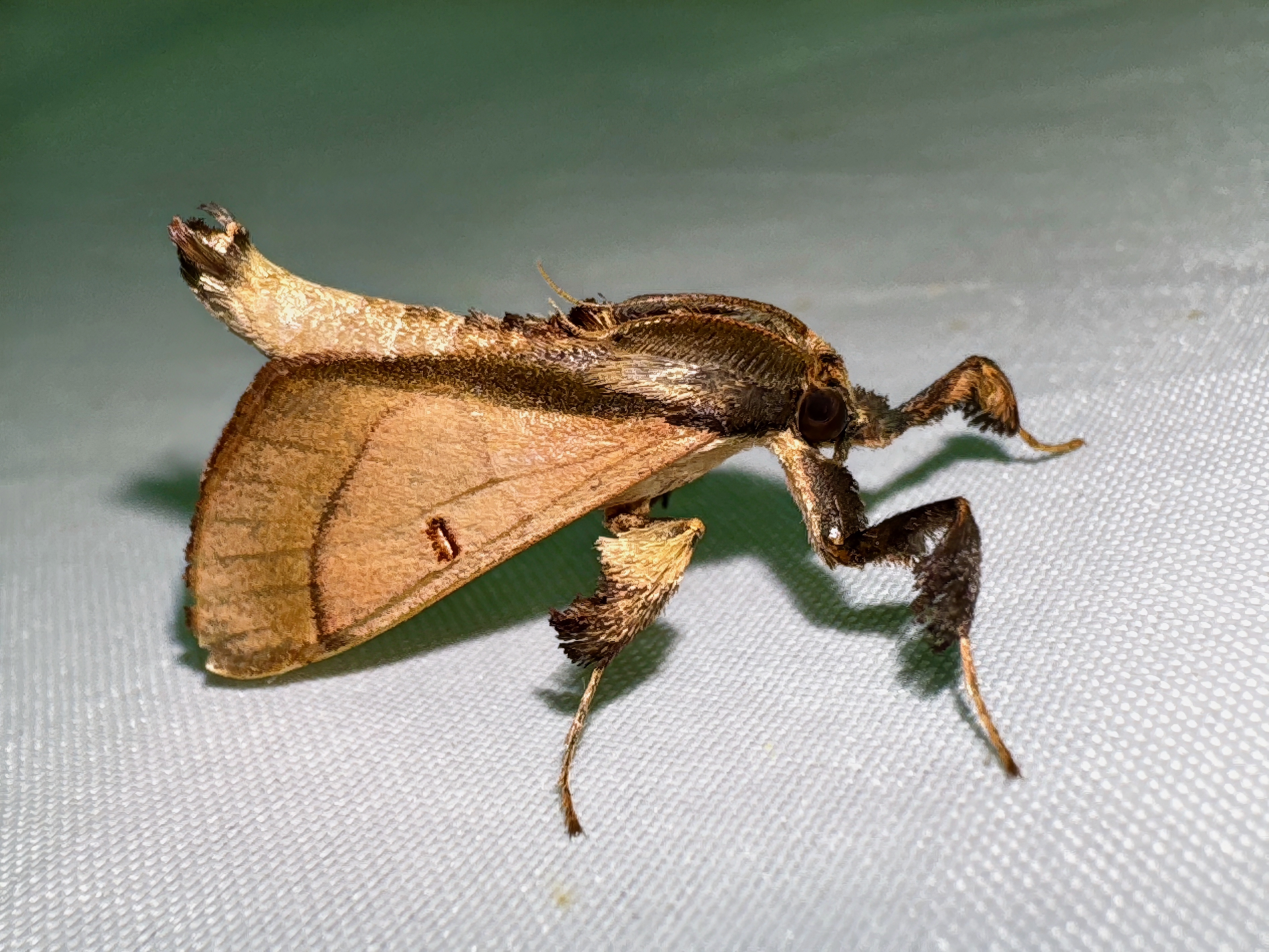
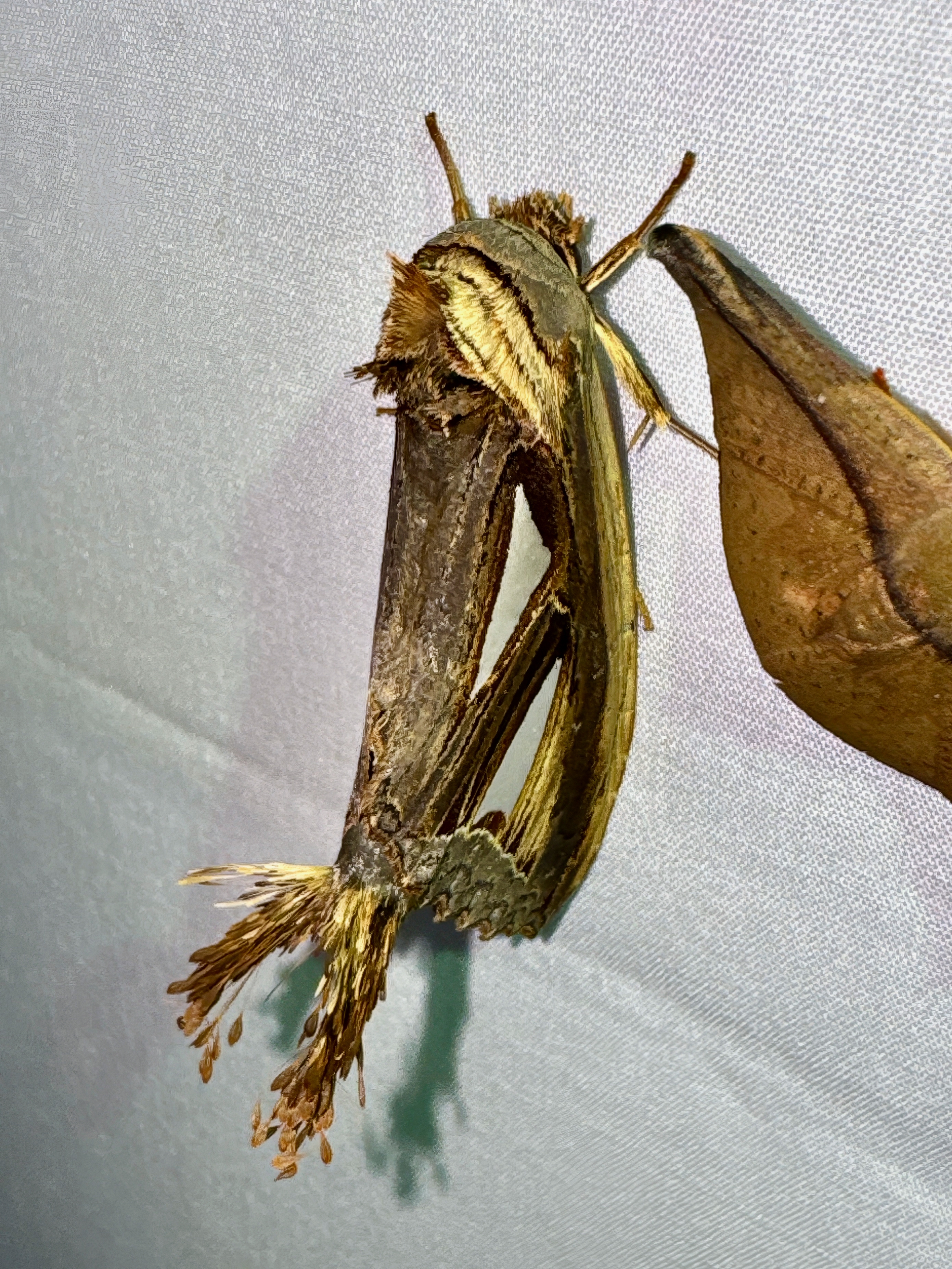
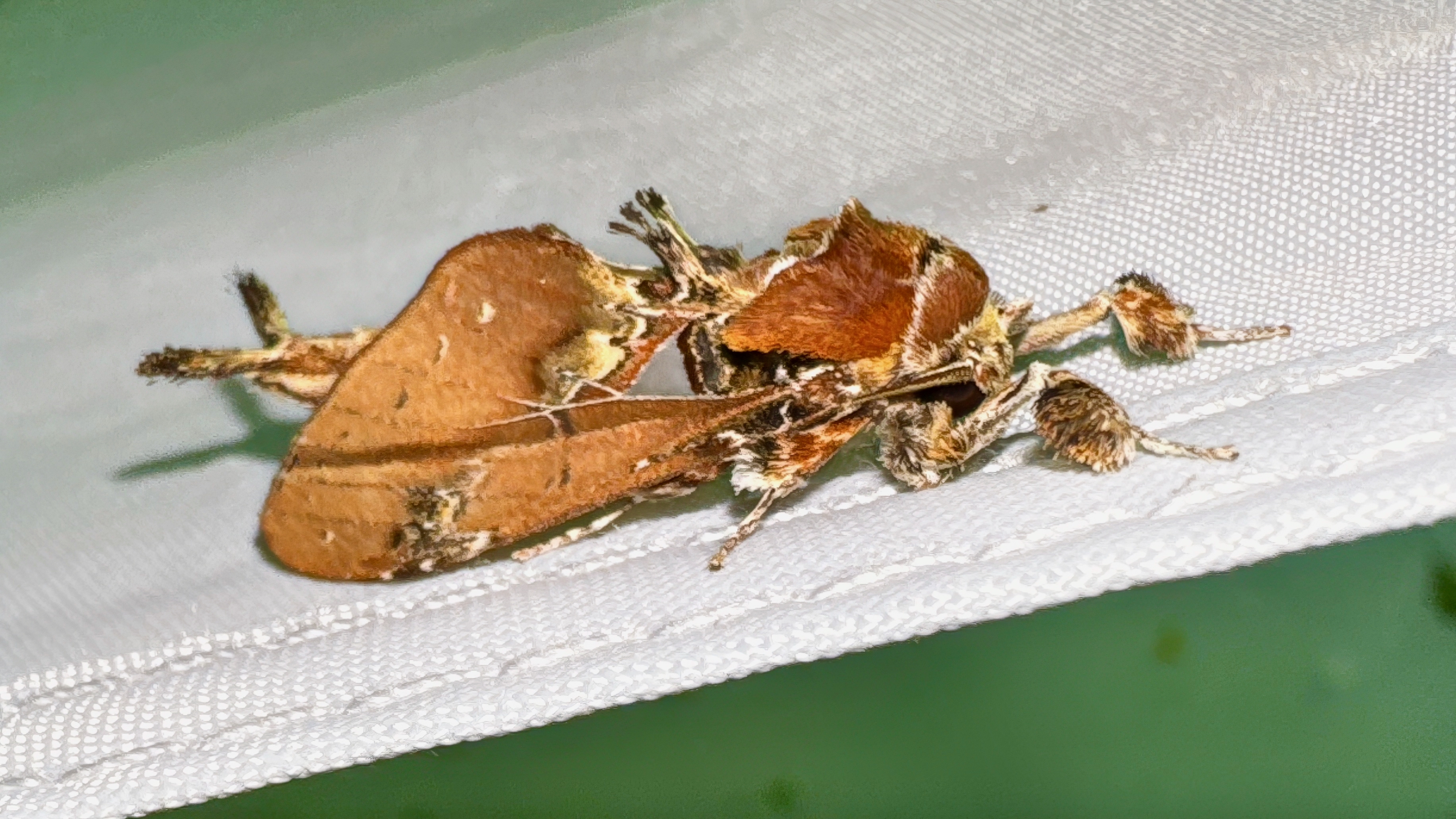
Of course, every night brought more moths. Here’s a selection I found particularly interesting for their odd shapes, fuzziness, or transparent wing spots.


Here is a close-up of one of the sheets at night. We thought that was a lot of moths, but David said the sheets were even more densely packed in May.

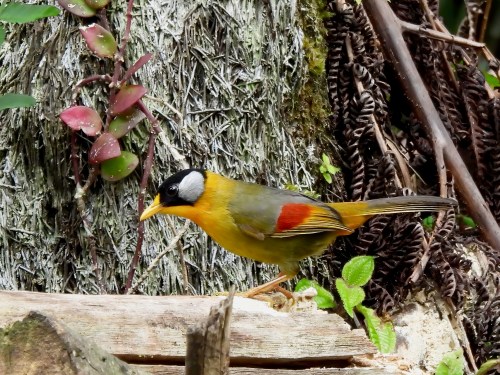
The atmosphere at MCM Nature Discovery Villa reminded me a little of REGUA in Brazil. Stephen only allows guests who are interested in nature, and everyone was very friendly. Jo and Petra, a couple from Belgium, had a car and invited us to join them for birding on Thursday. Alie opted for sleep while I choose the drive into town and birding. We visited the feeding area again, where I was surprised to see a Silver-eared Mesia. These gorgeous little birds are frequently targeted by the caged bird trade, and I had not realized how well the native populations are faring.
Every day in Malaysia brought new adventures and unexpected sightings. This is just the beginning—watch for part 2.


 Birding for Life