Feeds:
Posts
Comments

Posts Tagged ‘Orange-headed Thrush’

The Western Ghats is a vast mountain range that stretches nearly 1,000 miles along the western coast of the Indian peninsula, spanning six states. These ancient mountains, older than the Himalayas, are a globally significant biodiversity hotspot. They are home to over 9,000 species of plants, more than 500 species of birds, and numerous mammals and other animals. Sixteen bird species are endemic to the Western Ghats, and an equal number of species are most easily found there.
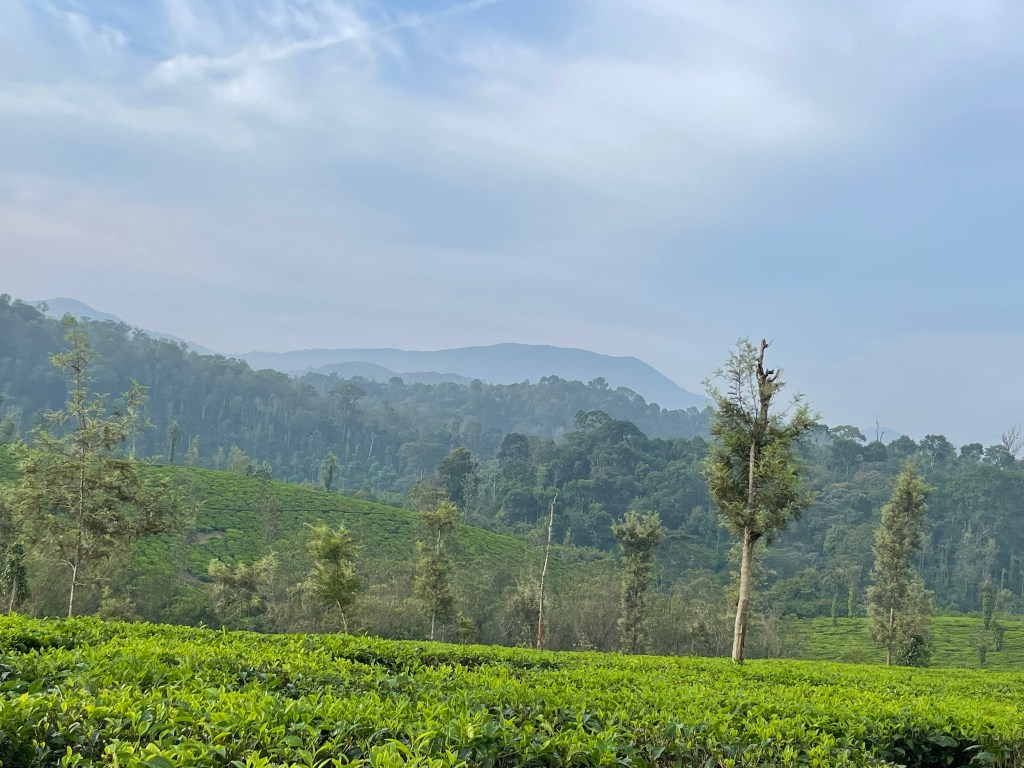
When Linda and I were planning my visit, we knew that we wanted to spend time in the Western Ghats. After exploring several options, we decided to hire Bopanna Pattada, one of the area’s top guides, for a week of birding in Coorg, where all of the endemic birds of the Western Ghats occur. Coorg, also known as Kodagu which means “dense hilly country,” is located on the eastern slopes of the Western Ghats. It is one of the nicest and coolest places that is easily accessible from Bangalore.

On November 29, we traveled to Mysore, where we enjoyed a pleasant and quiet afternoon at a nice little resort on the Kaveri River. It was the first day since my arrival in India that I did not get a life bird, but we enjoyed watching crows, cormorants, egrets, and a proud male peacock atop a big rock by the river.

Bopanna picked us up early the next morning and we started birding right away as we slowly made our way west. Linda photographed the Asian Openbill below at our first birding stop.

At our next stop, we were happy to see the beautiful Blue-tailed Bee-eater below. Linda and I both love the colorful and fascinating bee-eaters. They really do eat bees and other flying insects, catching them mid-flight and then smacking them on a branch to stun the insect and remove the stinger and toxins. Bee-eaters breed in large colonies and most species have nest “helpers” (offspring or other close relatives) who assist the parents with feeding and other duties. The San Diego Zoo provides fascinating facts about their life histories here.

I had seen a Blue-tailed Bee-eater in 2014, but I got ten other “lifers” that day including the Orange Minivet below.

We also saw several wild elephants as we drove the main road through Nagarhole National Park.

The latest elephant census in Coorg estimated 1,103 wild individuals. I was excited to see the elephants, but I quickly learned that Kodagu’s people live in constant fear of elephant encounters, and several people are killed in these encounters each year. Efforts to improve the dangerous situation for both the local people and the elephants are on-going. Bopanna was constantly alert, listening for the presence of elephants nearby, and several times told us to get to the car as quickly as possible.

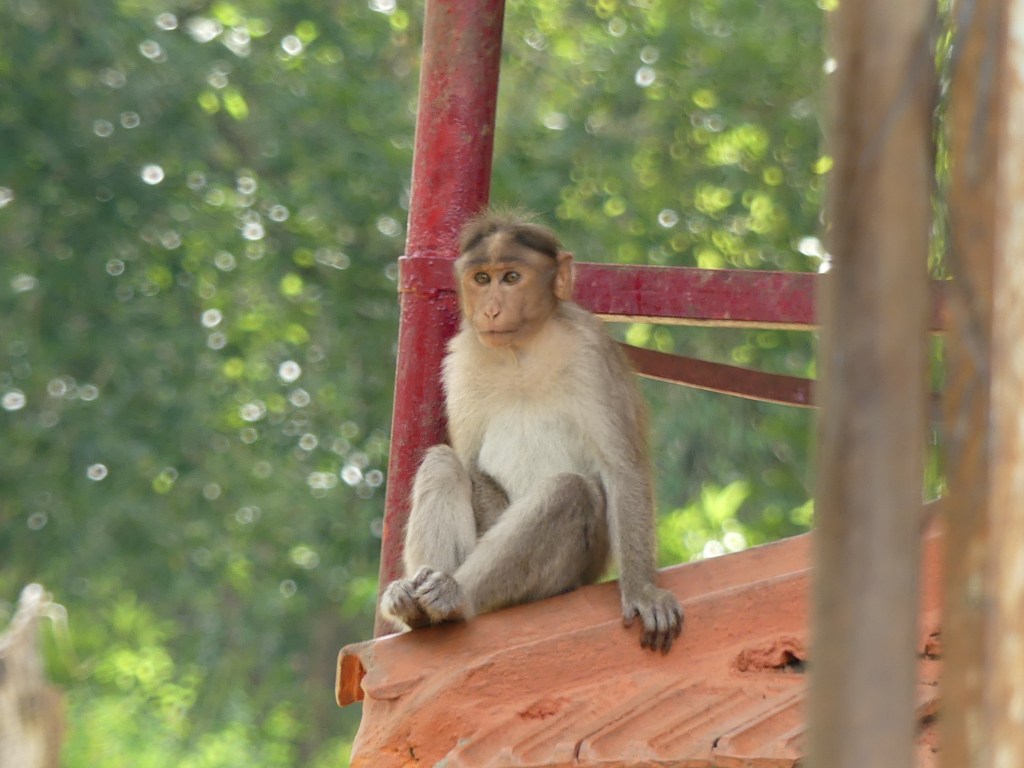
We also saw Bonnet Macaques while driving through the park. The one below was part of a group enjoying the offerings left at a small Hindu Temple.
That evening we settled in at our home for the week, the entire upstairs floor of a nice little house. We each had our own bedroom as well as two full baths, a living room, dining room, and kitchen. The best part was a lovely balcony where we spent several happy hours during the week watching birds in the trees right in the yard and across the street.

The next morning, December 1, we visited a coffee plantation. Coorg produces 40% of the country’s coffee crop, which is mostly grown under a native canopy. The coffee plantations were beautiful and full of birds. I really enjoyed the delicious coffee during our trip and I bought a pound of it to bring home.

Many of the endemics of the Western Ghats have Malabar in their names. Below, my life Malabar Flameback, distinguished from the similar Black-rumped Flameback mostly by a slightly different pattern on the face.

The day ended with one of the most amazing experiences of trip, the three of us sitting hidden in the woods by a little pond at dusk. Bopanna spotted an Indian Pitta in the trees, and then other birds slowly appeared at the water’s edge. Orange-headed Thrush, Indian Blue Robin, Malabar Whistling Thrush, Puff-throated Babbler, Blue-throated Flycatcher, and a few others came for a bedtime drink and bath. It was a “magic moment,” one of those almost spiritual experiences when it feels like the birds allow you to be a part of their world for a short time.

Saturday, December 2, started at Bandipur Wildlife Sanctuary with a Crested Serpent-Eagle.

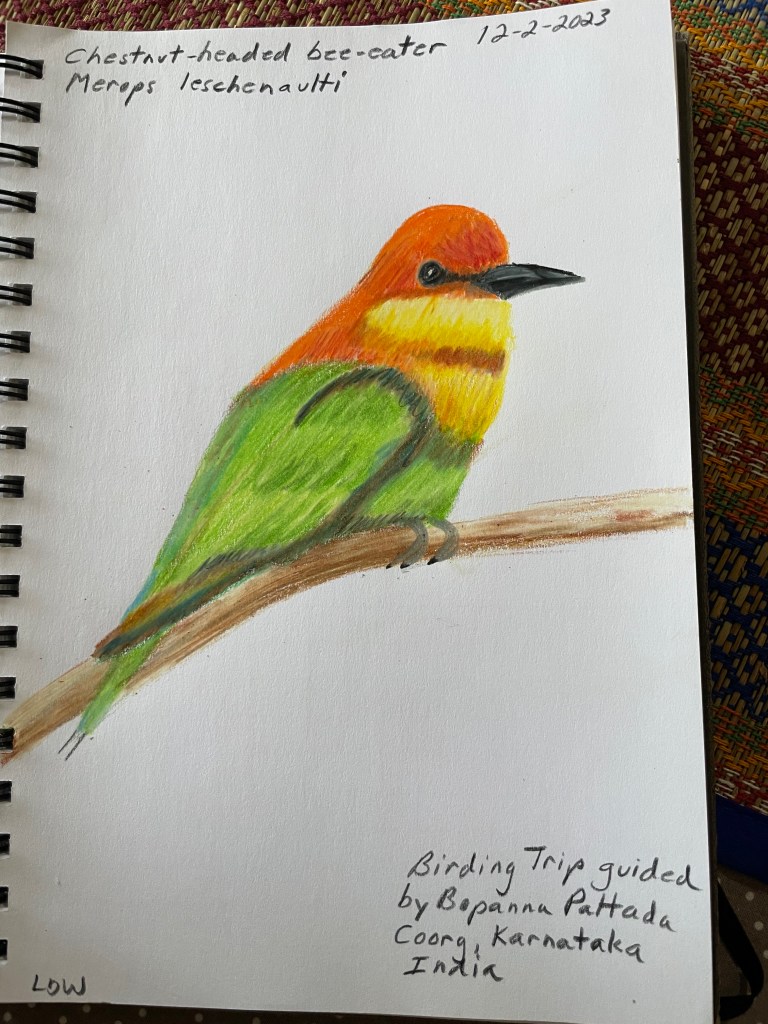
Next at the sanctuary, Linda and I both saw our lifer Chestnut-headed Bee-eater. We did some birding at another location and then went back to our home for the week for a mid-day break where Linda made the gorgeous entry below in her nature journal.
We still have three more days of birding with Bopanna in Coorg. Part 2b coming soon.

Read Full Post »

Indian Peafowl (male)

Indian Peafowl (male)

My birding guide for the day, Lokesh Kumar, met me at 10:00 AM after my arrival at the New Delhi hotel just four and a half hours earlier. I had arrived a day early for the birding tour organized by Partnership for International Birding which would start on October 30 and this was my day to “rest.”

That first day we birded at Sultanpur National Park and the surrounding area, where I was introduced to the Red-wattled Lapwing, a bird we would see everywhere during the next two weeks.

Red-wattled Lapwing

Red-wattled Lapwing

We also saw the first of many owls of the trip, adorable Spotted Owlets.

Spotted Owlet

Spotted Owlet

And, I couldn’t let the cute Five-striped Palm Squirrels get away without a photo for my granddaughter, Melody, who loves rodents.

Five-stripped Palm Squirrel

Five-stripped Palm Squirrel

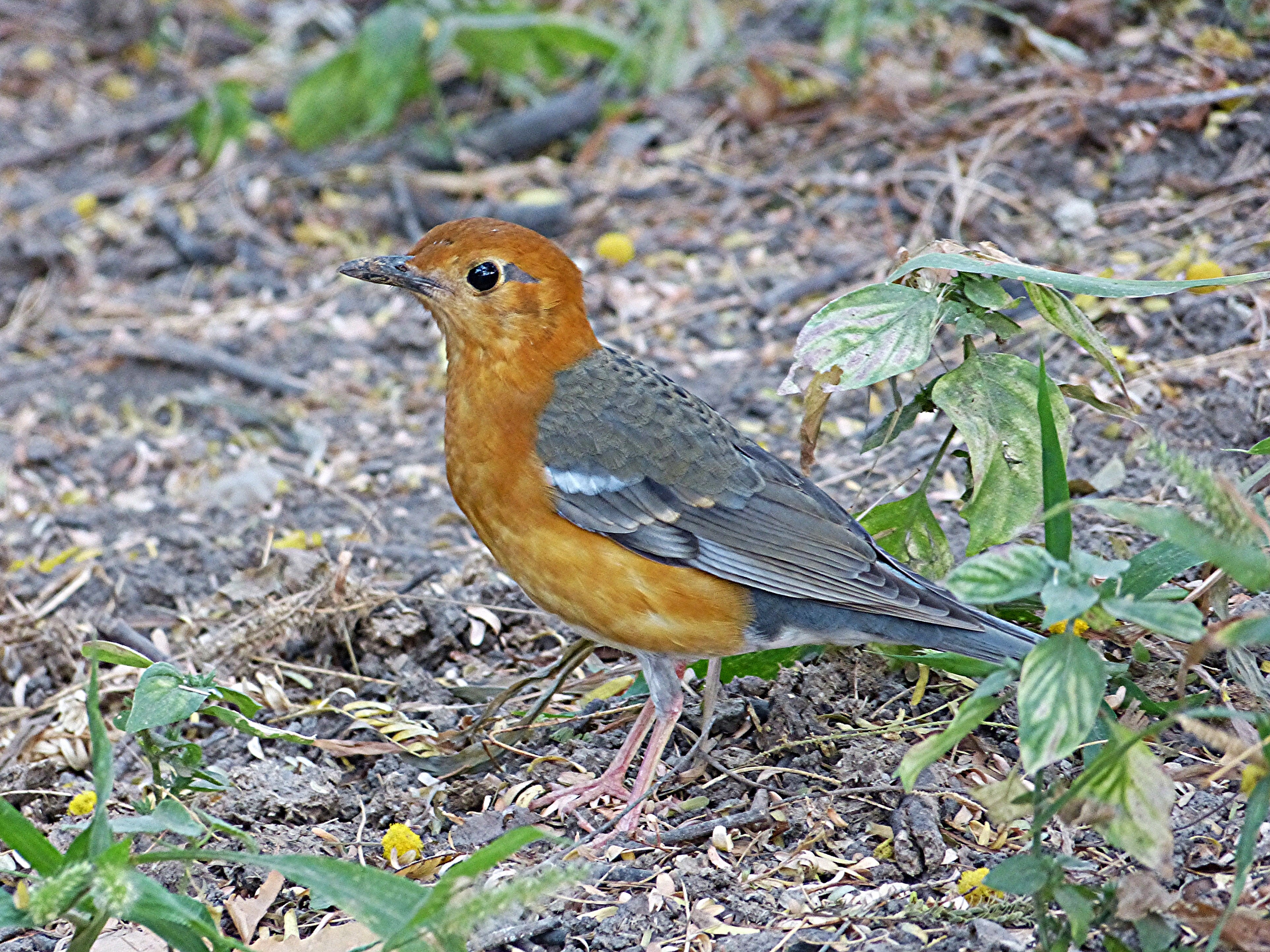
The day ended with this lovely Orange-headed Thrush, one of my favorites and the only species seen that day that we did not observe again on the main trip.

Orange-headed Thrush

Orange-headed Thrush

The next morning brought the start of the birding tour led by Leio De Souza, owner of India Nature Tours. Our group of seven birders would be lucky to have both Leio and Lokesh as our guides for the next two weeks.

We headed towards Agra and the Taj Mahal. The palace was breathtakingly beautiful, but the experience of seeing it was quite unpleasant. Our tour coincided with major Indian holidays resulting in crowds everywhere. The Taj Mahal was packed so tightly that day that our group had no chance of staying together as other visitors pushed in between us.  The palace guards constantly said “Keep moving.” Regardless, I wouldn’t have wanted to miss seeing this incredible wonder of the world.

Taj Mahal

Taj Mahal

We continued our drive to Jarar Village and Chambal Safari Lodge, where we spent the night after a little late afternoon birding near the lodge.

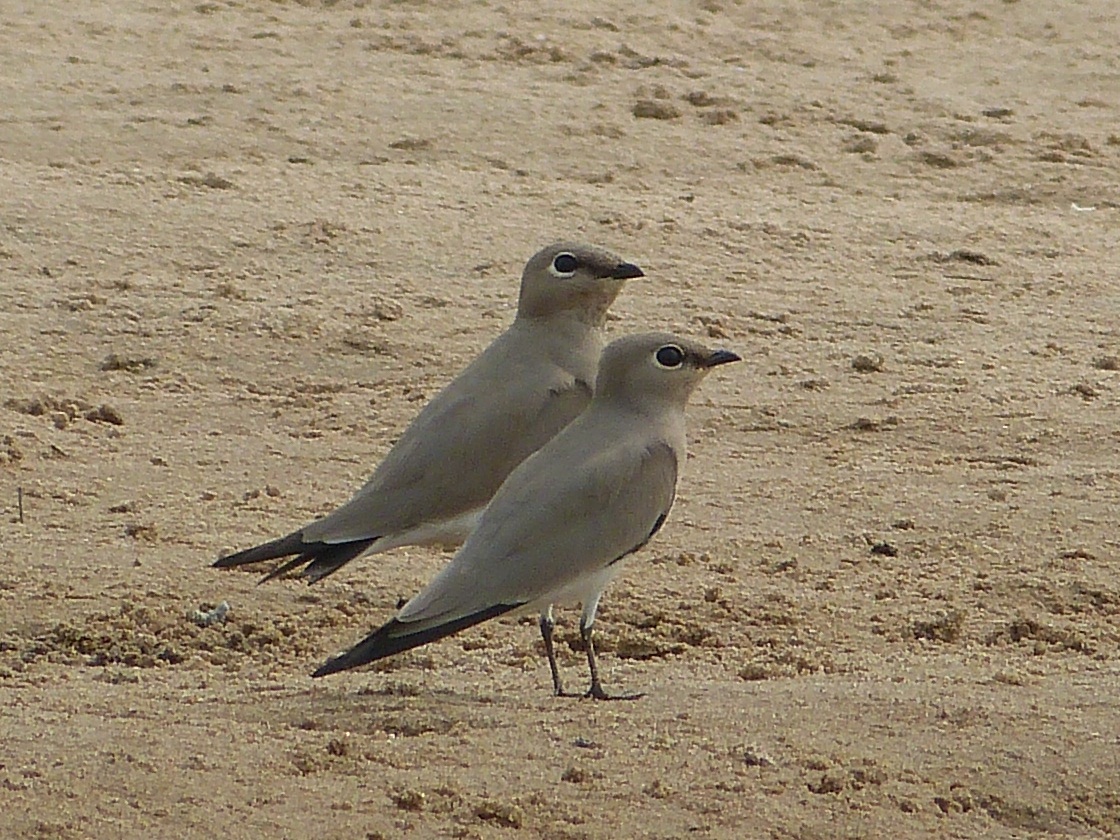
The focus of our second day was the Chambal River, where we hoped to find Indian Skimmer. Sadly, we missed the skimmers, one of the few big misses of the trip. However, we had great looks at two of India’s crocodilian species, the widespread Mugger and the rarest Indian crocodile, Gharial. We also saw wonderful birds including River Lapwing and Small Pratincole.

River Lapwing

River Lapwing

Small Pratincole

Small Pratincole

A drive to Keoladeo National Park, formerly known as the Bharatpur Bird Sanctuary, completed our day. We spent the night near the park entrance at Hotel Sunbird. The entire next day was spent in the park where we had a wonderful time exploring on foot and in the park’s unique cycle-rickshaws. Here we saw one of the most beautiful raptors of the trip, Oriental Honey-buzzard.

Oriental Honey-Buzzard

Oriental Honey-Buzzard

Our mammal list continued to grow with Sambar Deer, Spotted Deer, Rhesus Macaque, Golden Jackal, Wild Boar, and Nilgai.

Sambar Deer

Sambar Deer

Butterflies at Bharatpur included the gorgeous Common Rose.

Common Rose

Common Rose

After a little birding near the hotel the next morning, we drove to Ranthambhore. We made a stop along the way to look for Greater Painted-snipe, a species that fascinated me when I saw them in Hong Kong in 2009. The typical sexual roles are reversed in this species with the larger and more brightly colored females courting the males.  After mating and laying her eggs, the female leaves the male to incubate the eggs and raise the young.  She then repeats this process, sometimes mating with as many as four males in a season.  In India, I had even better looks than I’d had previously and was able to get a photo of this good-looking female.

Greater Painted-Snipe

Greater Painted-Snipe

Diwali or “Festival of Lights,” the most important Hindu holiday of the year, had been celebrated shortly before the start of our tour. Celebrations during the five-day festival include gift giving, prayer offerings to Lakshmi, the goddess of wealth, and fireworks displays. Homes are cleaned, painted, and decorated and even livestock and farm equipment are decorated. We enjoyed seeing cows still sporting garlands and bells from the holiday and tractors all jazzed up like this one.

Tractor decorated for Diwali.  Photo by Tom Walker.

Tractor decorated for Diwali. Photo by Tom Walker.

We went to Ranthambhore National Park to look for birds, but it’s also the easiest location in India to observe Bengal Tigers. We started the morning looking at birds, but as soon as the park guides detected tigers close by, we were off on a wild chase in our open lorry-bus over the very bumpy roads. There were no walkie-talkies, but the guides seemed to have a sixth sense of where the tigers were and they communicated directions to the other groups in the same zone of the park.

Mama tiger and three cubs were first observed playing in a shallow lake, but they were out of the water by the time I saw them. I didn’t need to worry about getting a good view, though, as they slowly same closer to our vehicle and walked 30-40 feet from us as they crossed the road. There was nothing preventing the tigers from jumping into our open vehicle and having a couple of birders for breakfast except the generous supply of spotted deer and other easier prey in the park. I felt no fear, only awe at being so close to these magnificent animals. These tigers really were wild animals, but it was obvious that they were habituated to humans.

One of the three 7-month-old tiger cubs seen with their mother.

One of the three 7-month-old tiger cubs seen with their mother.

Back home, I learned that tigers really are “king of the jungle” with no natural predators. The human activities of poaching and habitat destruction are the major factors that have pushed them to an endangered conservation status. According to Wikipedia, “Over the past 100 years, they have lost 93% of their historic range, and have been extirpated from southwest and central Asia, from the islands of Java and Bali, and from large areas of Southeast and Eastern Asia.” In an attempt to halt the slide to extinction, the Indian government created Project Tiger in 1973 to preserve its national animal. Due to these efforts, tiger numbers have increased in recent years with a total of 1706 individuals in India estimated for 2010. India’s wild tigers represent over half of the global population, estimated at 3200, down from 100,000 a century ago. Our park guide told us that there were sixty tigers in Ranthambhore.

Male tiger observed on second day in Ranthambhore.

Male tiger observed on second day in Ranthambhore.

As promised, we saw wonderful birds in the park, too. White-throated Kingfishers were common throughout the trip, and we were surprised to see them in many areas that were not near water. They do not require fish, but also eat a wide range of food items such as grasshoppers, lizards, and insects. For the story of a nesting cycle of one pair with phenomenal photographs, see “White-throated Kingfishers nesting behavior.”

White-throated Kingfisher

White-throated Kingfisher

This gorgeous Indian Scops Owl was one of several owl species seen on the trip.

Indian Scops Owl

Indian Scops Owl

A less spectacular, but interesting, sighting was this Spotted Dove. I have seen this species many times in China, as well as in California. This bird in India surprised me by having numerous distinct spots on the wings; the others I’ve seen were much plainer. A little research revealed that there are three main subspecies groups of Spotted Dove and considerable plumage variations across populations within its wide range. The Spotted Doves that we saw in India were a different subspecies, suratensis, than the nominate subspecies, chinensis, that I had seen in China. The photos below show the differences in plumage of these two subspecies.

Spotted Dove (India)

Spotted Dove (India) Streptopelia chinensis suratensis

Spotted Dove (China)

Spotted Dove (China) Streptopelia chinensis chinensis


My favorite bird at Ranthambhore might have been Rufous Treepie. On our first day there, a treepie sat on the edge of our vehicle and Lokesh told me that I would see the bird eat from his hand. The next day a treepie did eat from his hand as promised and from mine as well.

Rufous Treepie on my hand.

Rufous Treepie on my hand.

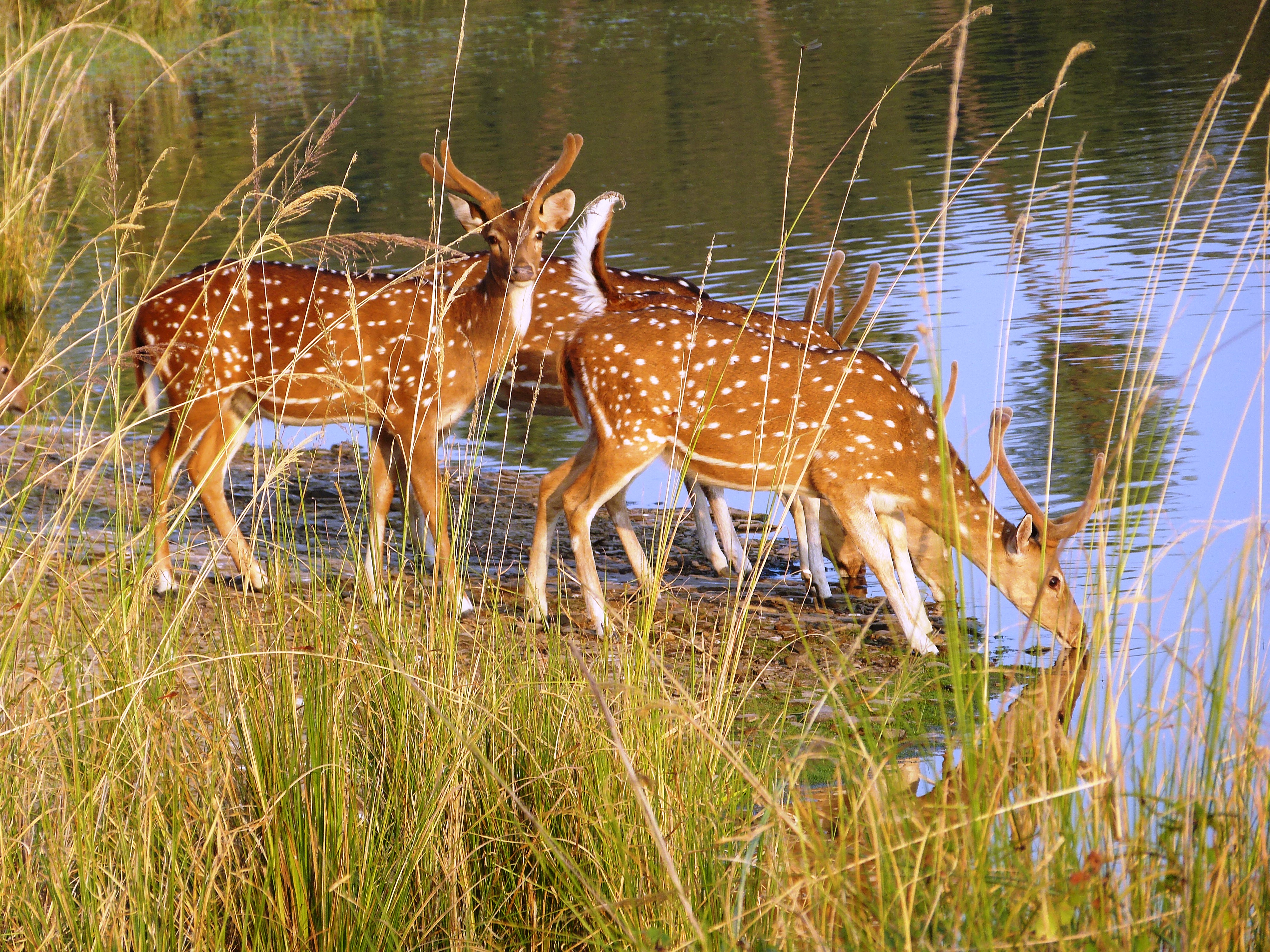
During our two days at Ranthambhore, we saw quite a few mammals in addition to tigers, including many lovely Spotted Deer.

Spotted Deer

Spotted Deer

Our first week in India went by quickly and it was now time to take the train back to Delhi where we would spend the night before driving north towards the Himalayan foothills for the second part of our trip.  Stay tuned for more!

Read Full Post »