Feeds:
Posts
Comments

Posts Tagged ‘Blue Dacnis’

My trip to Panama last month started on a whim, as so many of my trips have. A couple of years ago, I made a birding trip bucket list; this trip wasn’t on it. I think that I’ll blame – or maybe credit – my friend, Sandra, for this one. She is a much better birder than I am and also more motivated, and some of that ambition may be rubbing off on me. Her goal is to see half of the world’s birds, now somewhere over 5,500. My more modest goal is 2,500. Sandra and I have a big trip to South America starting in November, and I really want to celebrate reaching my goal on that trip. Fearing that I wouldn’t make it, I looked for a quick and easy trip to pad my list a bit. Panama’s Canopy Camp fit the bill perfectly. I had been to the other two Canopy lodges in 2017 and had a great time. The guides are excellent, and there wouldn’t be any planning required. When I told Sandra about my plan, she decided to come with me.
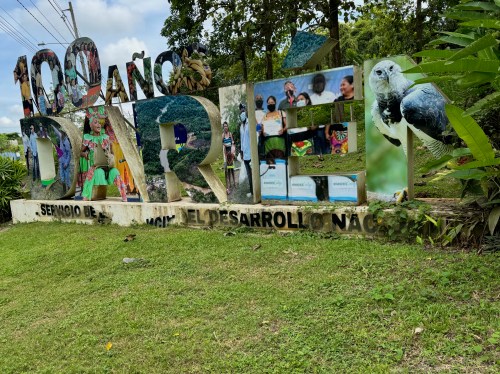
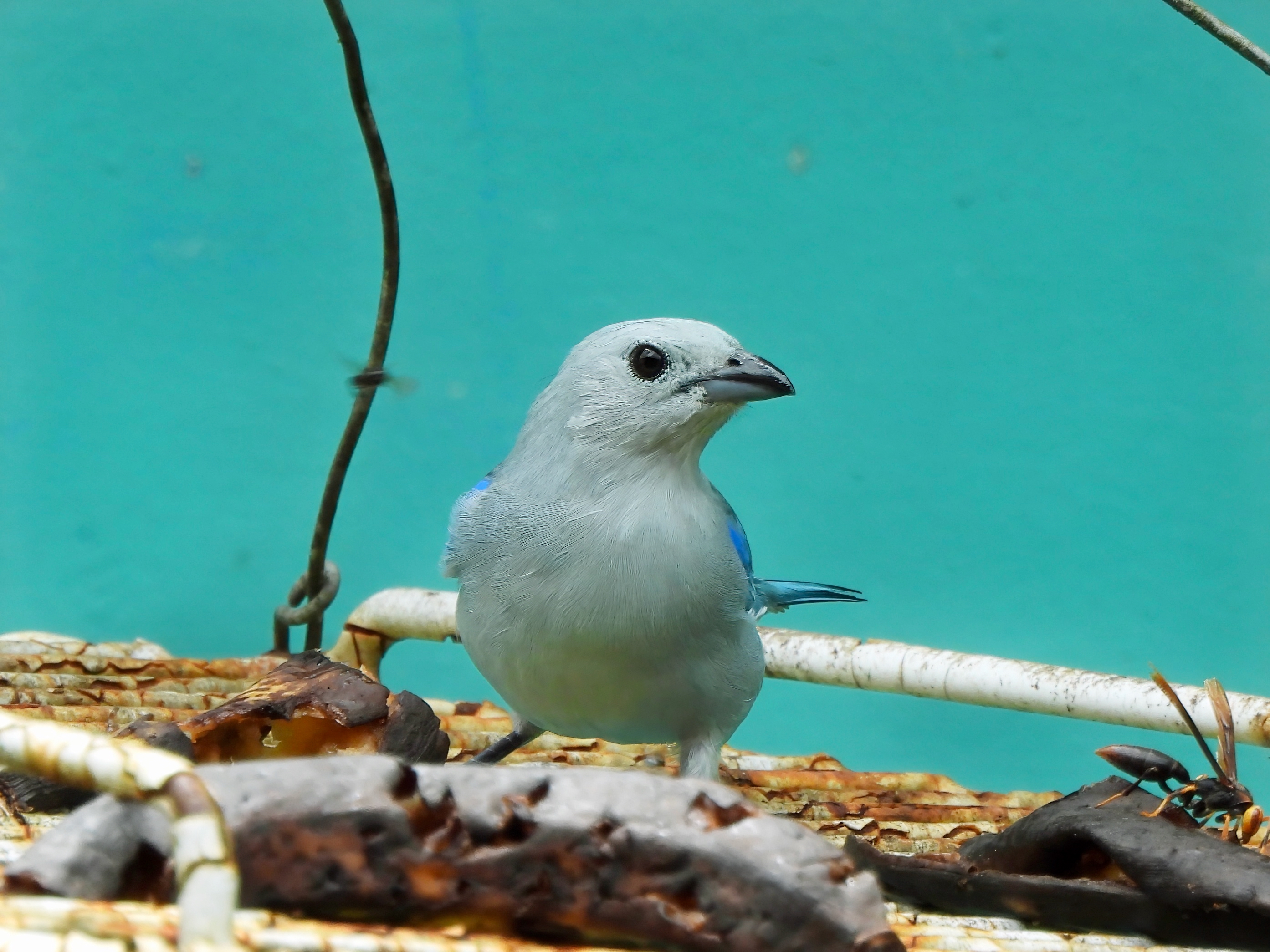
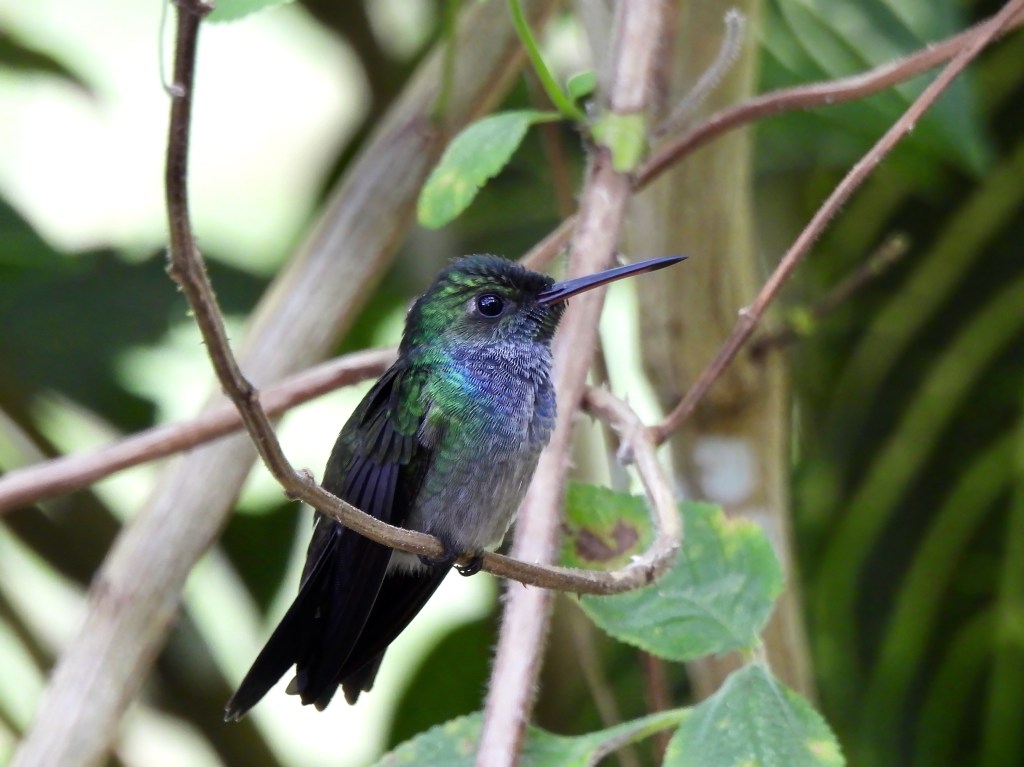
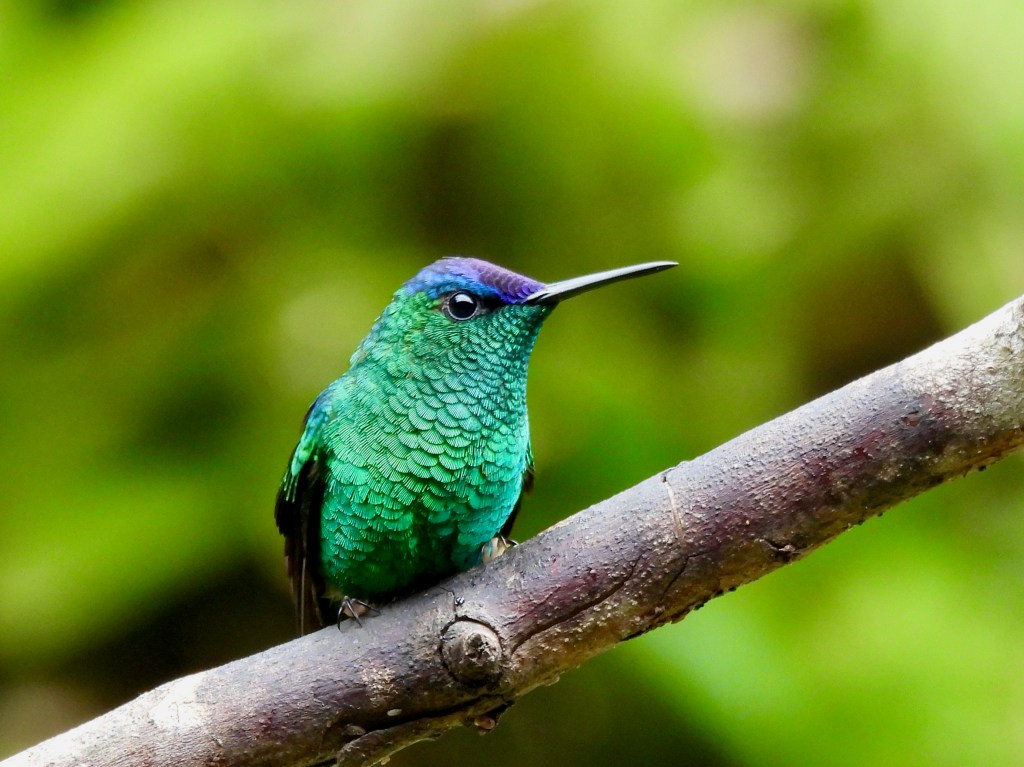
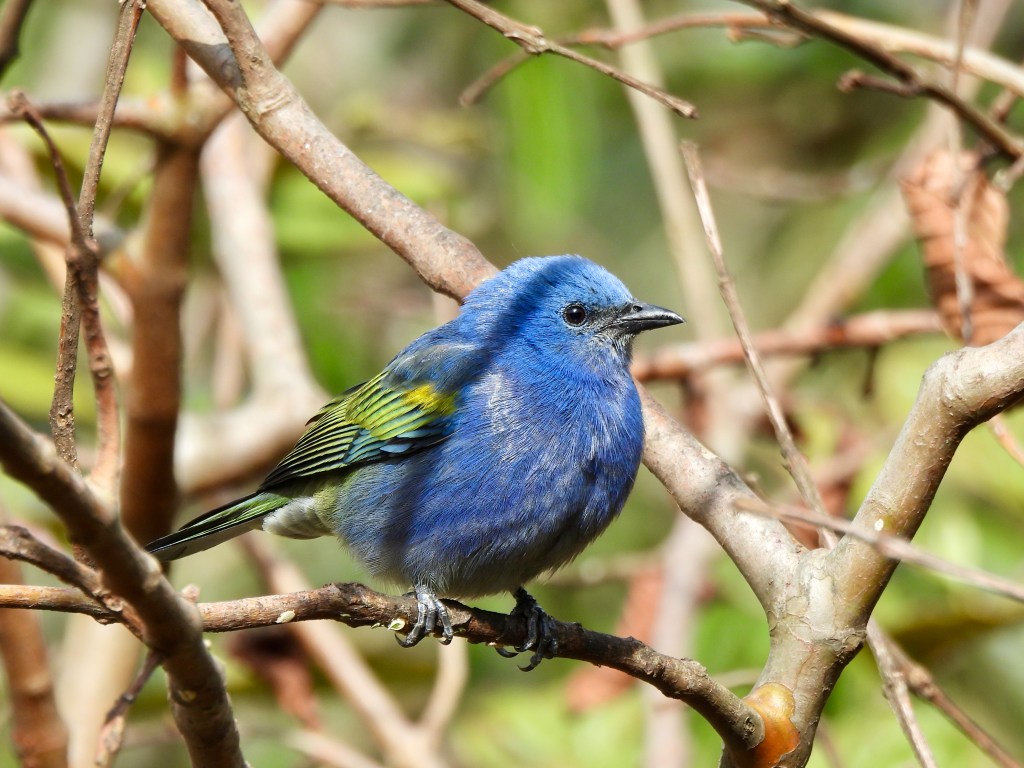
We flew to Panama City on September 15 and met our guide, Oscar Fría, and the seven other participants the following morning. We all marveled at the migrating Mississippi Kites right over our heads in the hotel parking lot—an estimated 200 birds! And then we started the three-hour drive south toward the Darién Province. The day went quickly, with a couple of stops for birding and a nice outdoor lunch where we could watch birds while we ate. Below are the Snowy-bellied and Rufous-tailed Hummingbirds, a Blue-gray Tanager, and my favorite plumaged Blue Dacnis, an immature male, that entertained us during our meal.

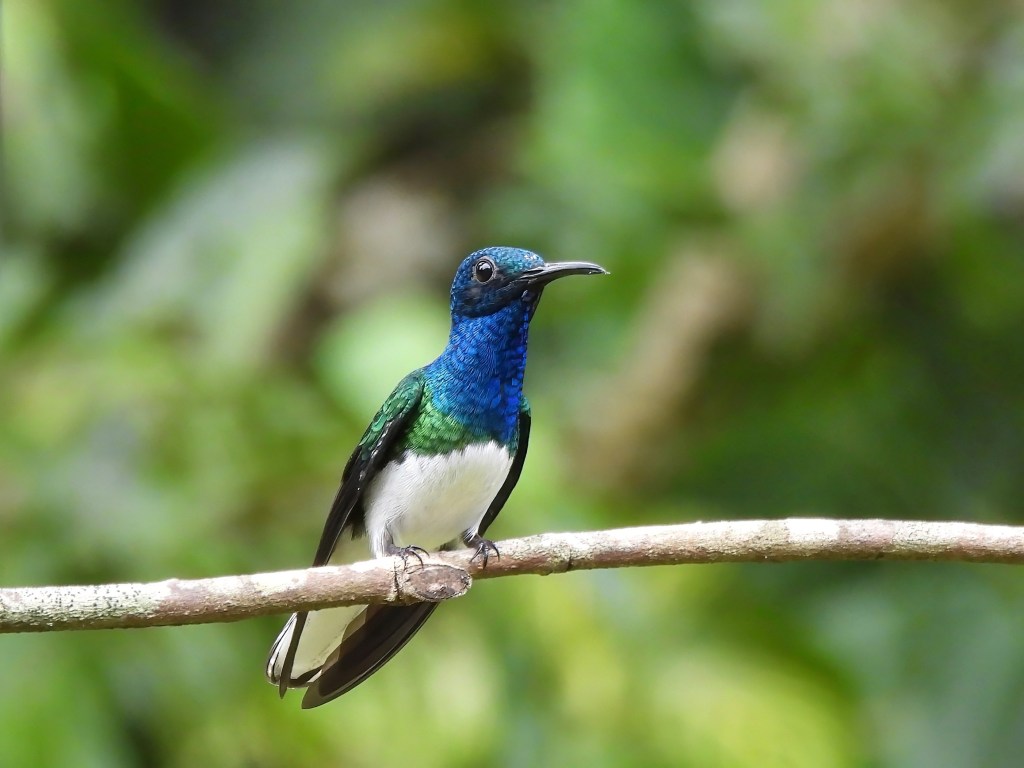
We arrived at the camp mid-afternoon, giving us just the right amount of time to get settled in our comfortable safari-style tents and explore a little. I was happy to get two life birds that first day, a Sapphire-throated Hummingbird and a Pale-bellied Hermit. In the gallery below are those birds (top row), along with a Blue-chested Hummingbird and a White-necked Jacobin that frequented the area near the deck where we ate our meals.

It was exciting to be in the Darién, described by Raúl Arias, owner of the Canopy Family lodges, as the largest and least inhabited province of Panama, the one with the biggest tracts of primary forests, the longest and widest rivers, the tallest trees, the least accessible province, the least known. Here, in this hotbed of biological diversity, the camp itself sits atop a small plateau in lowland rainforest.

We birded around camp the next morning, and I got several more life birds. One of my favorites was the lovely Gray-cheeked Nunlet that Oscar digiscoped for me.

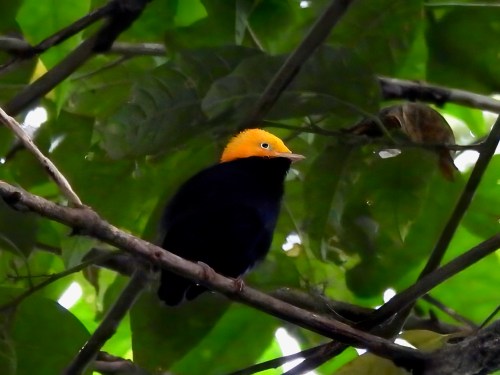
Another highlight was this Golden-headed Manakin. I missed it the first time the group saw it because I had gone back to our tent for something. Later, Sandra spotted it right from our deck!
Chestnut-headed Oropendolas were a constant presence around the camp.

I also loved this gorgeous female Black-crowned Tityra, a photo lifer.

On the 18th, we birded an area not far from the camp where more life birds awaited. I really like woodpeckers, so I was delighted to add this Golden-green Woodpecker to my life list.

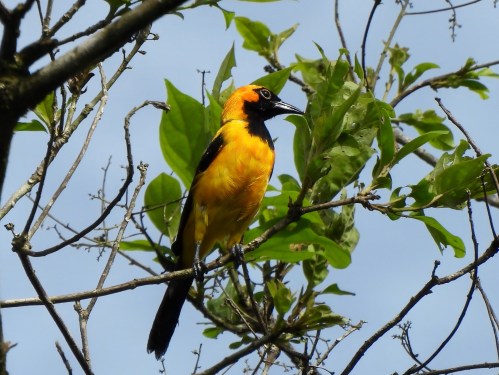
This Orange-crowned Oriole was another wonderful bird and also a “lifer.”
A female Blue Cotinga was not a life bird, but what a beauty! I couldn’t have been happier if she had been a lifer. It was my best view ever of this species and my first look at a female.

Friday was a big day–the quest for Harpy Eagle. I saw my life Harpy in Ecuador a few years ago. Read about that experience and learn more about the eagle in Ecuador 2021: Limoncocha (Part 4 of 6). But I don’t think that any birder would pass up an opportunity to see this special bird, so I was happy to have another experience with it.

While assembled at the edge of the field before we started our trek, these Black Oropendolas bounced around a bare treetop on the opposite side of the field. The oropendolas were life birds, and I was very happy to have even a distant view.

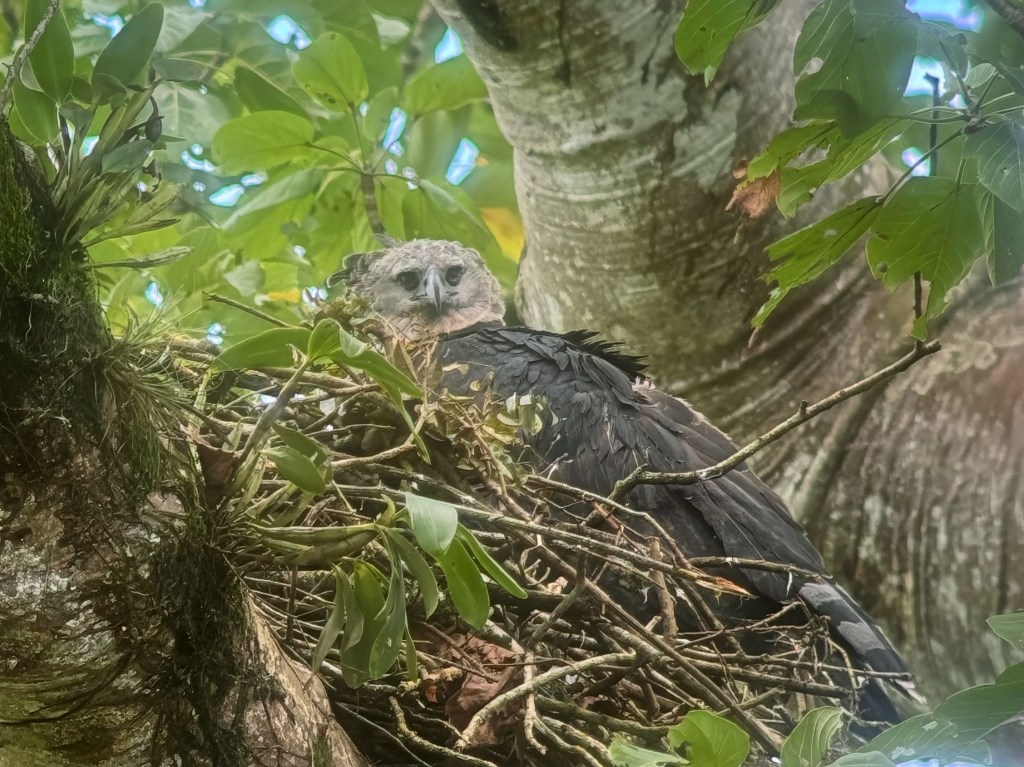
We were lucky to have a relatively easy trek to the Harpy Eagle nest, about two-thirds of a mile each way on a shaded trail through the forest. In contrast, many birders have walked for hours in the sun or ridden horses to get to a Harpy Eagle nest. The trail was not exactly easy, though, with lots of mud and exposed tree roots. I couldn’t help thinking that these birds must intentionally choose nest sites in inaccessible areas. Here is the majestic female Harpy Eagle on her nest!
Our good luck continued the next day with an outing to Yaviza Forest and nearby areas. During the trip, no one talked of our proximity to the Darién Gap, but a little research at home revealed Yaviza as the terminus of the Pan-American Highway. There were smaller roads going south, and our eBird trip report map shows that we ventured south of Yaviza for a few birding stops, including our Harpy Eagle outing. The economy of Darién seems complicated, but we were told that cattle ranching is important, and there was evidence of it everywhere. The pretty pastoral scene below with the mountains in the distance is typical of many areas we visited.

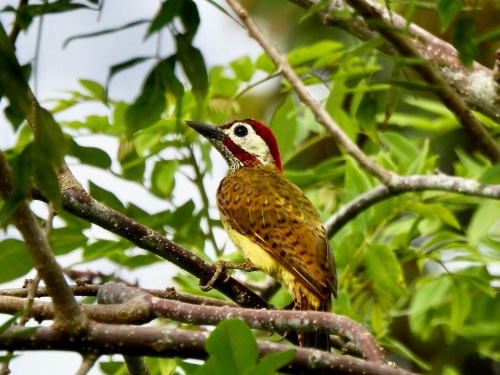
We saw some special birds this day, with the Spot-breasted Woodpecker an instant favorite. Oscar told us that it is his favorite woodpecker, and it’s easy to see why.
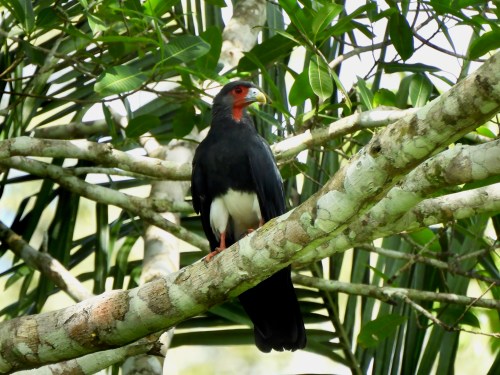
This Red-throated Caracara was another standout species that day.
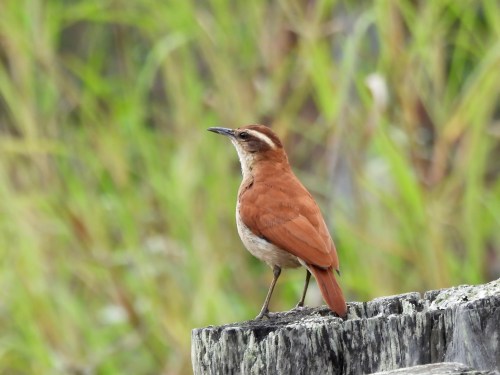
One more great bird was White-headed Wren. Not only does it look quite unlike most other wrens, it’s also much larger.

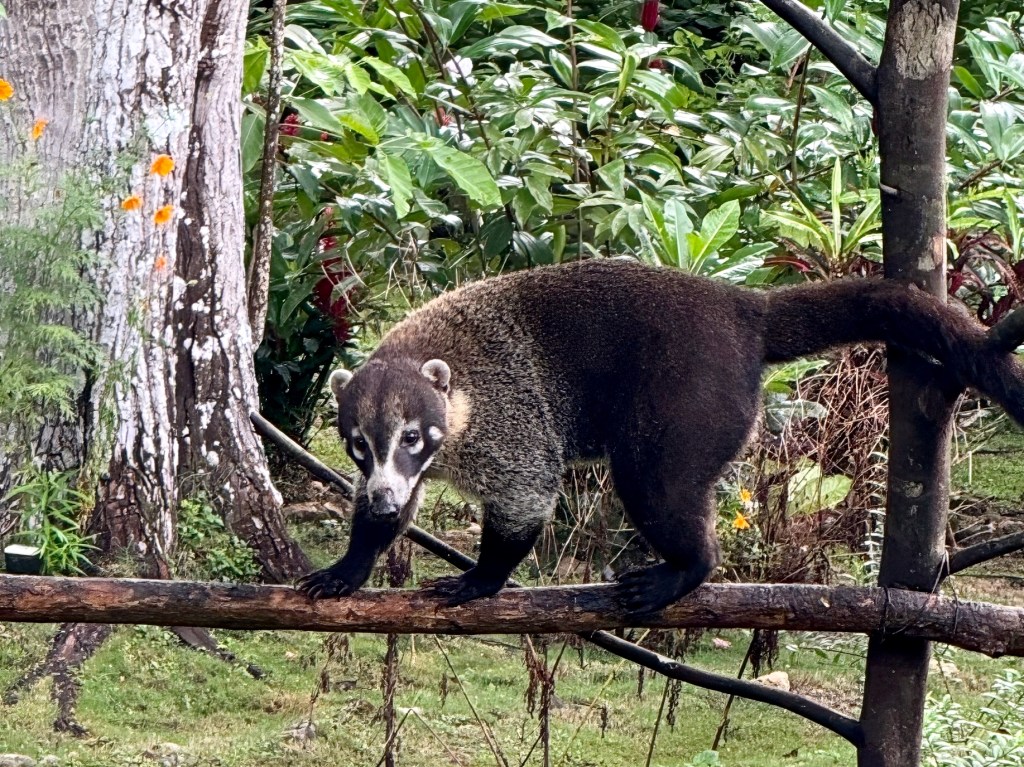
We saw a few mammals at the camp, but not many species. Oscar told us that they are scarce due to hunting for food by the local people. However, we did see White-nosed Coatis and Geoffroy’s Tamarins nearly every day.
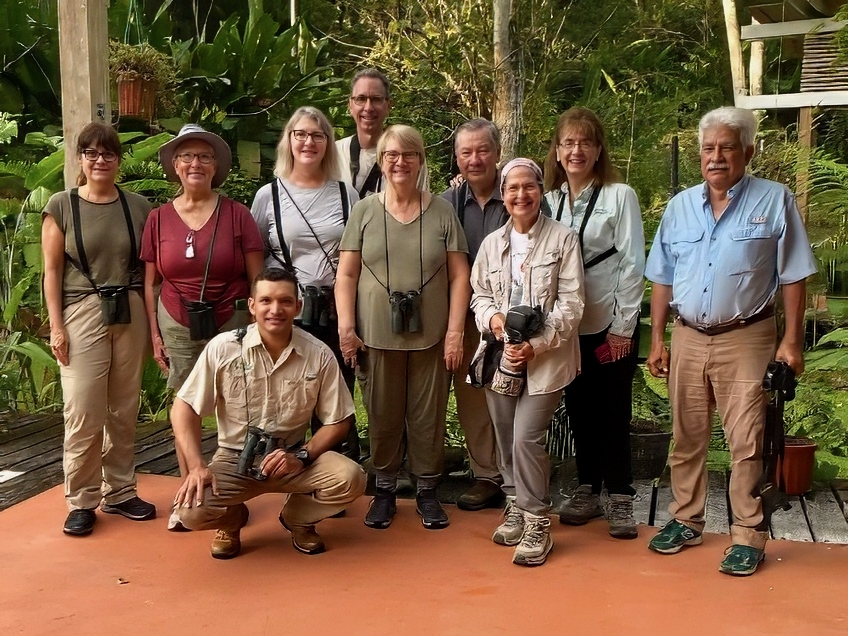
There’s still a lot of the trip remaining. Watch for part 2. It was a fun group with some of the nicest people that I’ve ever met on a birding trip; every single person was kind and helpful. Sandra, John & April, Rob & Lynn, Gloria, Pablo, Amarilys, it was a delight sharing this adventure with you. Oscar was a great guide, and the Canopy staff was outstanding. Birding trips are about more than just birds, and these wonderful people made this one of my favorite trips.
Read Full Post »

We arrived at Eco Lodge Itororó late in the afternoon of August 26 with just enough time for Derek to get five life birds before dinner with a Brazilian Ruby hummingbird as #1,200. It was much colder and foggier here than it had been at REGUA due to the higher elevation. This part of Brazil is south of the equator so it was the middle of winter. We piled wool blankets on our beds and tucked in the hot water bottles provided by the lodge for extra warmth. Below, the main lodge building where we had our meals.
Cirilo, our guide for the next few days, joined us for breakfast and then we set off on the wonderful Three-toed Jacamar excursion. Our first stop was a little spot on the side of the road by a wetland. Cirilo had promised us Blackish Rail and he delivered. A dependable rail? I was amazed!
This stop also gave us a few other birds – Toco Toucan, Swallow-tailed Hummingbird, and Wing-banded Hornero being the highlights. I thought this hornero was sharper looking than the others I’d seen in Brazil.

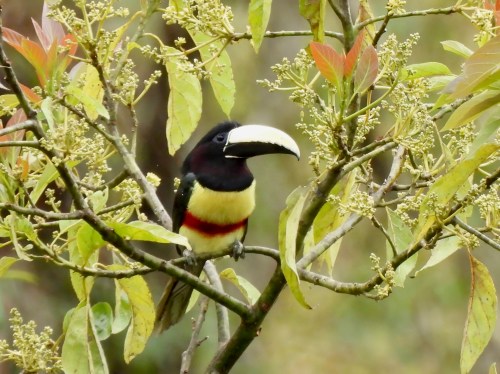
More wonderful birds awaited us at our next stop, including this Black-necked Aracari.

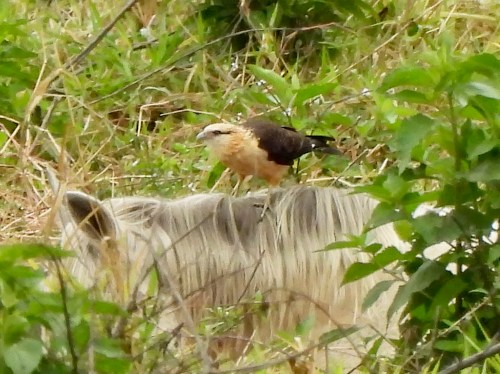
At our third stop, we watched a Yellow-headed Caracara standing on a horse picking off ticks. The caracara also “picks flesh from open wounds on backs of cattle, which often seem oddly indifferent to the process” according to Birds of the World. But, that is “cheating” according to the cleaning symbiosis contract. Yes, “cheating” is the word that I found in scientific publications. Black Vultures occasionally clean capybaras, but several species of caracaras are the only raptors that clean large mammals.

We saw spectacular Stramer-tailed Tyrants in another horse field.

Down the road a bit farther, Derek got his much-wanted lifer Red-legged Seriema. And, we both got our lifer Crested Black-Tyrant. First, we had a distant look, but good enough to count the bird. It came closer for a better look. And, finally, the bird was right in front of us!

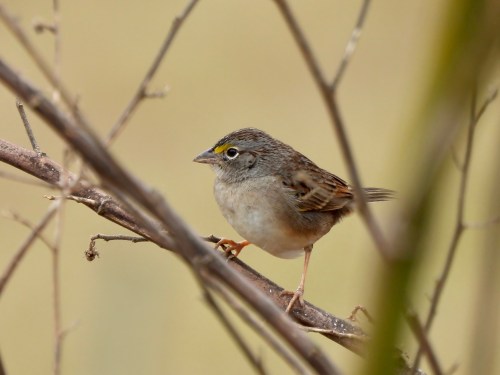
Cirilo could not have made it more fun if he’d had the magic ability to choreograph the bird’s movements. At the same stop, I was very happy to get a good look at a Grassland Sparrow. I’d missed the bird earlier in the trip with Sherry’s group, so it was especially satisfying to see it well.

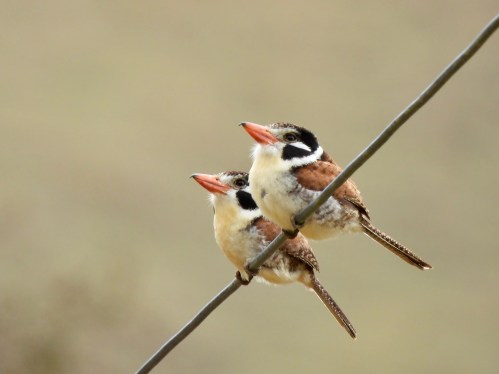
White-eared Puffbirds were the highlight for me at our next stop. What could be more adorable?

It was a great stop with several life birds for both of us. One of the most interesting was Firewood-gatherer. First, what a cool name. And, see why with these photos of the birds and their nest.

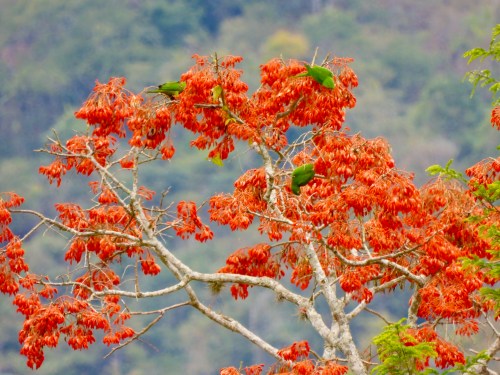
This was one of my favorite days of birding ever. In addition to the wonderful birds, the landscape was very appealing. I loved this coral tree topped with White-eyed Parakeets.

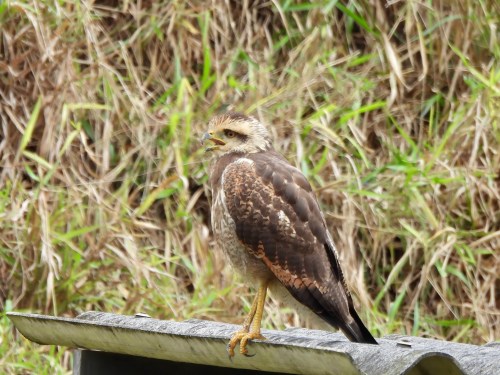
At another horse pen, we had an intriguing bird that we couldn’t immediately identify, this beautiful immature Savanna Hawk.

We finally stopped for lunch and ate our sandwiches while we continued to look at birds, including Derek’s lifer Black-capped Donacobius. Soon we were back on the road headed towards the last birding stop of the day and the signature species on this route, Three-toed Jacamar, a Brazilian endemic that only occurs in a limited area north of Rio de Janeiro. We saw the jacamar, but the light was bad, so my photos are not very good. This White-bearded Manakin chose a spot on the other side of the road with better lighting for his photo.

Cirilo guided us on the trails around the lodge on the morning of our second full day at Eco Lodge Itororó. He found 47 species of birds for us, although I found it much harder to see birds in the dense Atlantic Forest than the open countryside of the previous day. I missed quite a few birds, but it was an enjoyable morning and only having Cirilo for half a day resulted in incredibly good luck. When we returned to the lodge for lunch, we found the photography group happily clicking away at a gorgeous Saffron Toucanet right at the feeders. This is the species that everyone wants to see and this was its only appearance during our five days there.

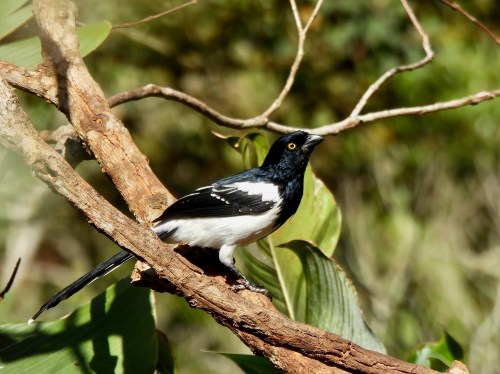
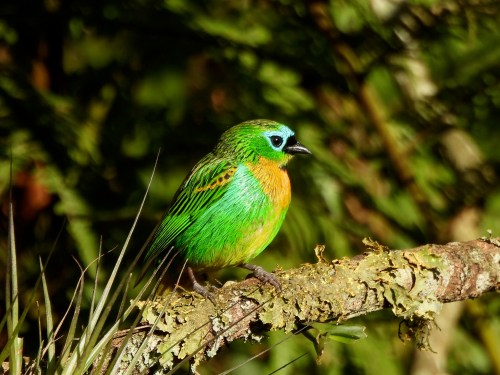
We spent the afternoon mostly watching the feeders, one of my favorite activities. The Magpie Tanagers were huge compared to the little Brassy-breasted Tanagers and I loved them. The Magpie Tanagers favored the feeder offering avocados.

Below, a cute little Brassy-breasted Tanager.

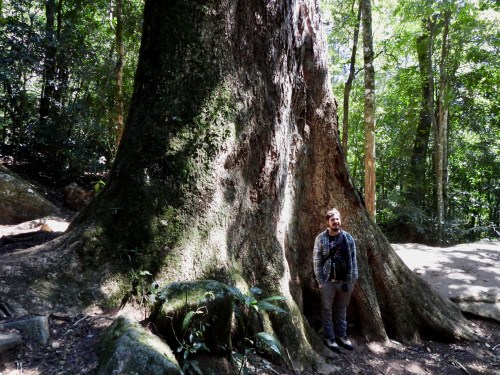
On August 29, we birded in Tres Picos State Park. Our walks included a short trek to see a locally famous Jequitibá tree. Scenes in the 2024 version of the Brazilian telenovela, Renascer, were filmed here as the tree plays a central role in the story. It replaces the 3,000 year old tree used in the 1993 version of the TV show which was struck by lightenng and died. As you can see from this photo of Cirilo in front of the tree, it is huge.

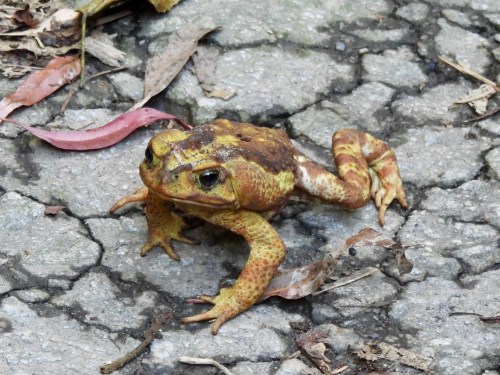
We also found this cute little toad on one of our paths through the forest, a Yellow Cururu Toad.

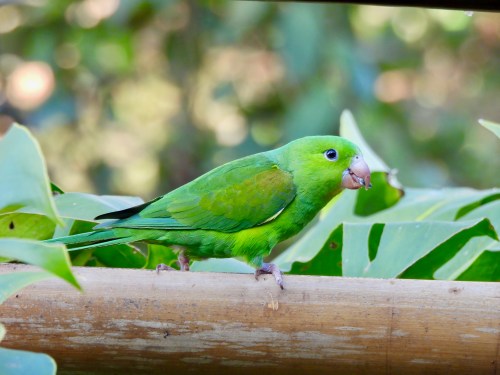
We stopped at the banana stand on our way back to the lodge. They feed leftover bananas to the birds making it a great place for a coffee and chlorophonias, tanagers, euphonias, parakeets, and other birds. Here’s a poorly named Plain Parakeet we watched there.

Derek and I had originally planned to bird on our own on the following day, but finding birds in the forest was more challenging than we had expected. Fortunately, Cirilo was available to guide us for one more day. But, where to go? We had already done all the easy trails. At dinner, Cirilo had an idea. Birders usually walk up a steep hill for the high-elevation excursion to Pico da Caledônia. Since there were only two of us, however, he was able to arrange a 4-wheel drive vehicle that could drive us almost to the top and we could walk down. Perfect!

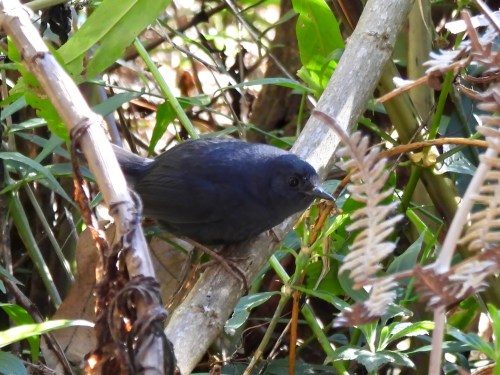
The day got off to a wonderful start when Cirilo heard a Mouse-colored Tapaculo on the side of the road. We stopped the car and he pointed to a log in a little opening in the vegetation where he expected it to cross. I pointed my camera at the log and quickly clicked as the little bird stopped for a fraction of a second.

Again, most of the forest birding was challenging, but the only important bird that we missed was the very localized Gray-winged Cotinga which occurs only in a small area northeast of Rio de Janeiro. With only 374 observations in eBird (some of which are certainly heard-only birds), many others must also miss the cotinga.

We walked about halfway up the 650-step staircase to the summit of Pico da Caledônia.

Later that afternoon, we saw the most unexpected bird of the day, a Zone-tailed Hawk. Cirilo was excited because this was a new state bird for him. Most American birders know this bird from the Southwest US, but the southern edge of its range extends to Paragray and this part of Brazil, although it is uncommon there in winter.

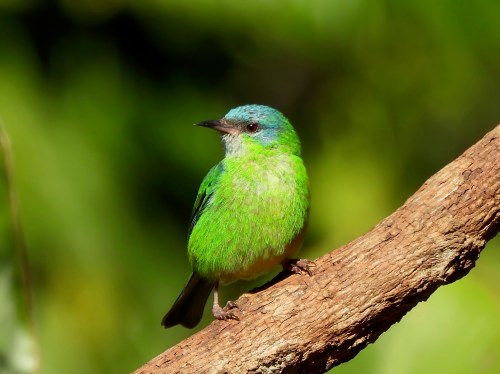
My “bonus week” with Derek in the Atlantic forest went quickly. All that remained was one more morning with a few hours to leisurely watch the feeders. Blue Dacnis is common throughout much of Central and South America. The male is blue, but the beautiful female is a lovely shade of green.

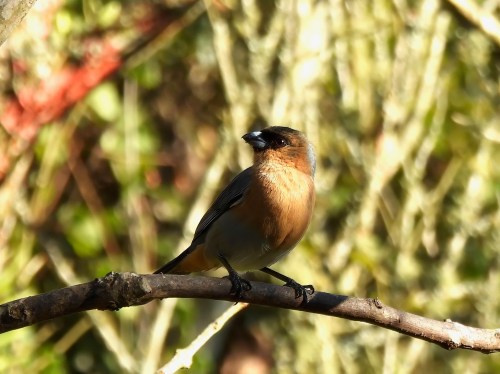
Cinnamon Tanager was a species that I saw only at Eco Lodge Itororó. When I was going through my photos, I realized that I did not know how to differentiate the males and females, so I looked it up in Birds of the World where I found this fascinating information. “The sexes are similar in appearance. The species is dichromatic, however, …. Thus, these tanagers visually can distinguish between males and females, but humans are unable to see these differences.”

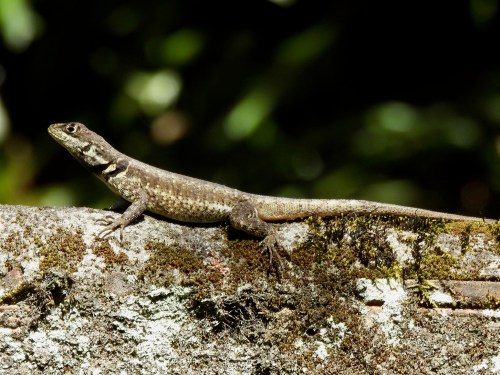
We enjoyed seeing the Amazon Lava Lizards that were often around the lodge.

And, what bird feeder would be complete without a squirrel? Although they were much more shy and less of a nuisance than our gray squirrels at home. This one is an appropriately named Brazilian Squirrel.

Below, Derek enjoying the feeders during our last hours at Itororó.

Andy Foster of Serra dos Tucanos Birding Tours did a wonderful job making all the arrangements for the week including transportation and our stays at REGUA and Eco Lodge Itororó. We could not have asked for a better guide than Cirilo. Bettina fed us well and treated us like family at Itororó. I would love to go back any time!

Our eBird trip report Brazil – Atlantic Rain Forest (REGUA & Ecolodge Itororo) August 2024 has all of our checklists and photos. Also see Shelley’s iNaturalist observations for the trip and Derek’s iNat observations.

Read Full Post »

Our group arrived at Hotel do Ypê on a rainy afternoon, August 10, 2024. We did not leave the hotel area that day, yet most of the birds were new to me and I got 24 “lifers.” I had been to South America before, Colombia and Ecuador, but southeast Brazil is far from where I’d been on those trips and on the opposite coast. Brazil has over 1,800 species of birds including nearly 250 that are endemic to the country. It was a great start to Sherry Lane’s Lifebird Tours trip and one that I had been looking forward to for over a year.

Green-headed Tanagers were small, colorful, and abundant around the hotel. This one was puffed up to stay warm in the cool afternoon.

Below, Mr. and Mrs. Ruby-crowned Tanager, another common species in this area. The male’s ruby crown is not always visible, but this guy shows it nicely.

Our first parrot of the trip was this lovely Blue-winged Macaw right on the hotel grounds.

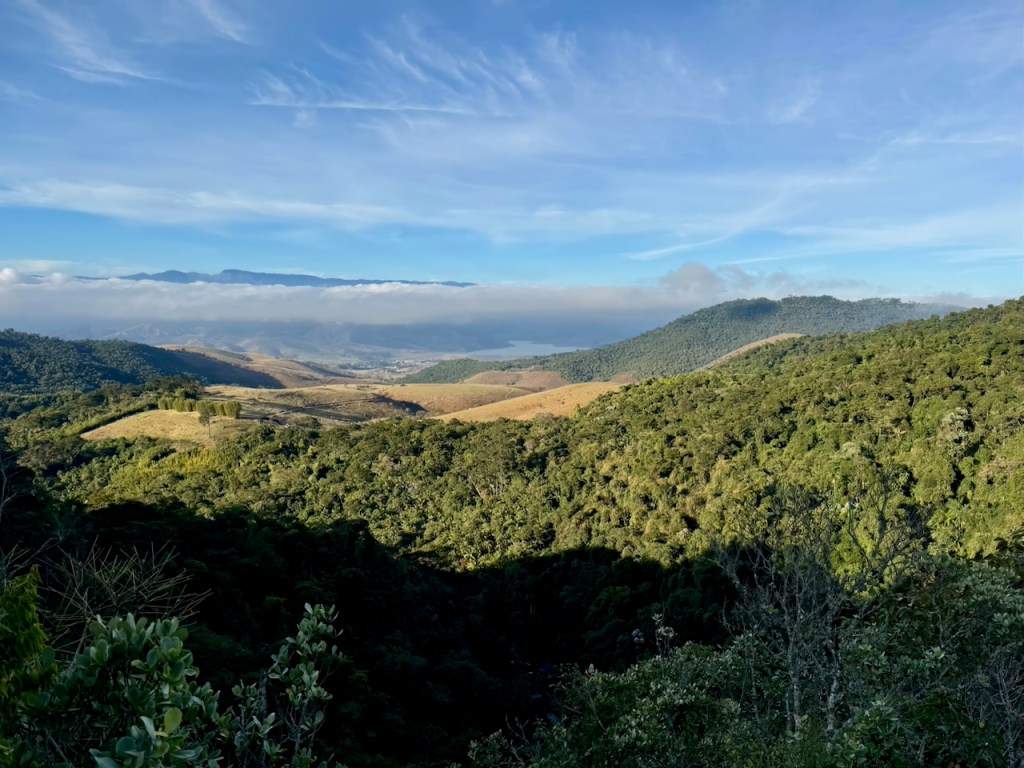
Hotel do Ypê is snuggled inside Parque Nacional de Itatiaia, Brazil’s oldest national park, which is 3-4 hours northeast of São Paulo. This large park is in the Mantiqueira mountain range where elevations range from under 2,000 feet to nearly 10,000 feet. The lower part of the park, where the hotel is located, protects an important area of Atlantic rainforest. Five hundred years ago, the Atlantic Forest of Brazil comprised an area twice the size of Texas. Today, it is estimated that only 7 to 15 percent of the original forest remains. These remnants of the Atlantic Forest are extremely valuable; they host hundreds of species of plants and animals that occur nowhere else on Earth. Below, a view from Hotel do Ypê.

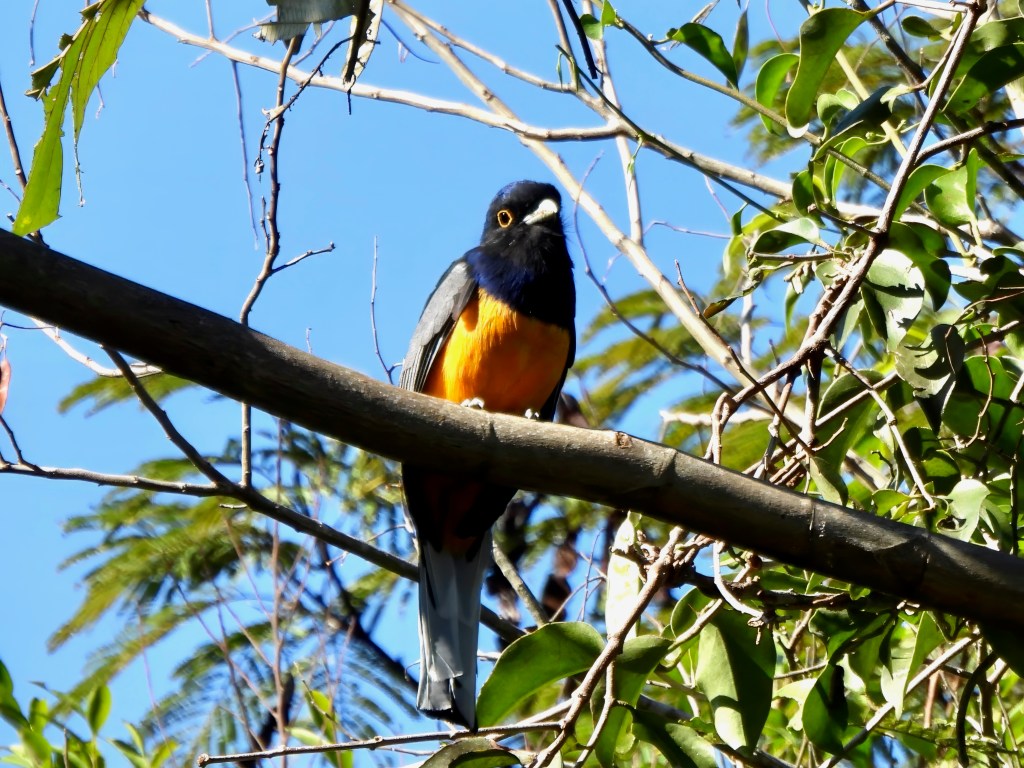
The next day we explored the lower part of the park where we saw beauties like this Surucua Trogon.

And, this Red-breasted Toucan.

In addition to the spectacular big birds like those above, we also saw many small birds. I even managed a photo of this tiny bird of forest undergrowth, a cute little White-throated Spadebill.

On our last day in the park, the group went to the upper part of the park to seek birds that only occur in the rocky high-altitude grasslands. It would be cold at the higher elevation and I had not brought enough cold weather gear. I was also worried about the cold triggering my asthma, so I stayed around the hotel and enjoyed my time there. Here are some of the birds I enjoyed photographing. Click any photo in the gallery for an enlarged view.

Early on Tuesday morning, August 13, we said goodbye to beautiful Itatiaia National Park and turned south towards Ubatuba on the coast. We arrived at our first stop later than planned and I struggled birding the dark forest along the road, but our next and last stop of the day at Sítio Folha Seca made up for it.

Some of the birds there were common like this Green Honeycreeper, but I don’t think that I’ll ever tire of seeing these gorgeous birds.

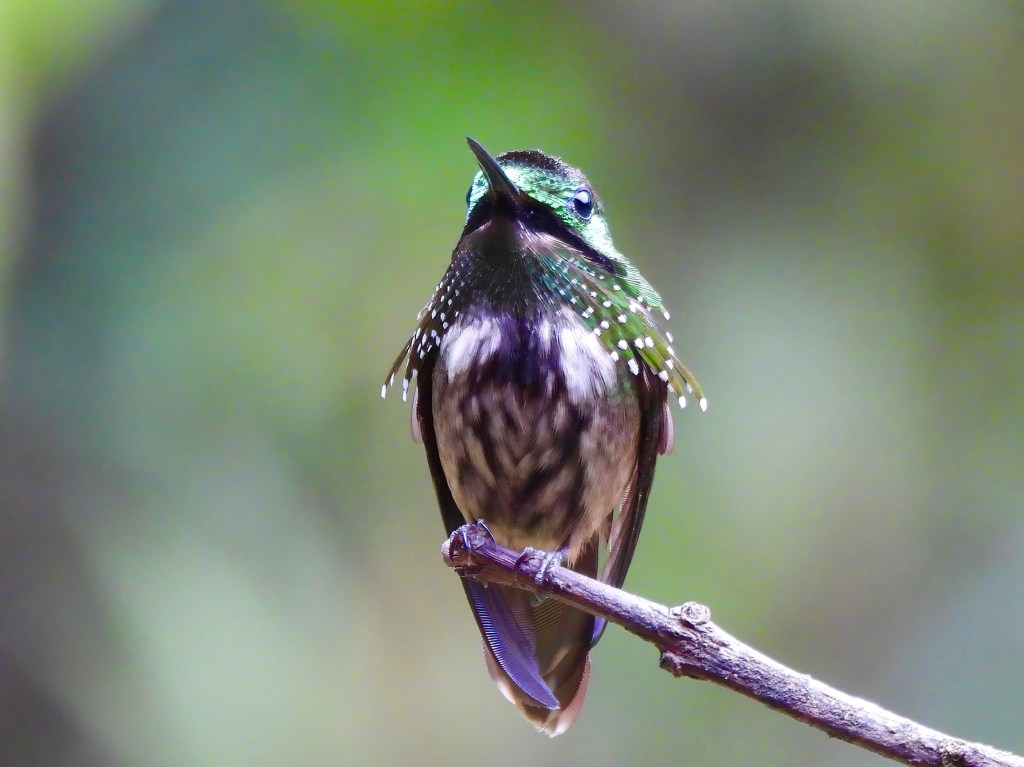
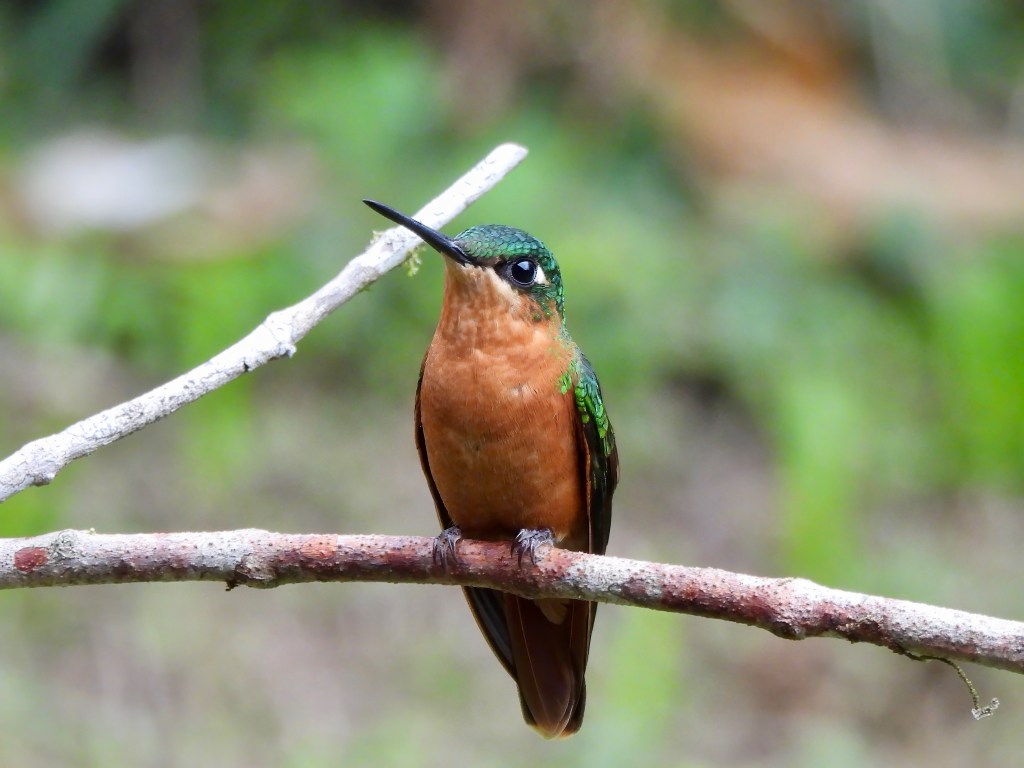
The real stars of Sítio Folha Seca are the hummingbirds. It is one of the best places in Ubatuba for these little winged jewels and our group saw ten species; six of those were life birds for me. All of the photos below were taken that afternoon.

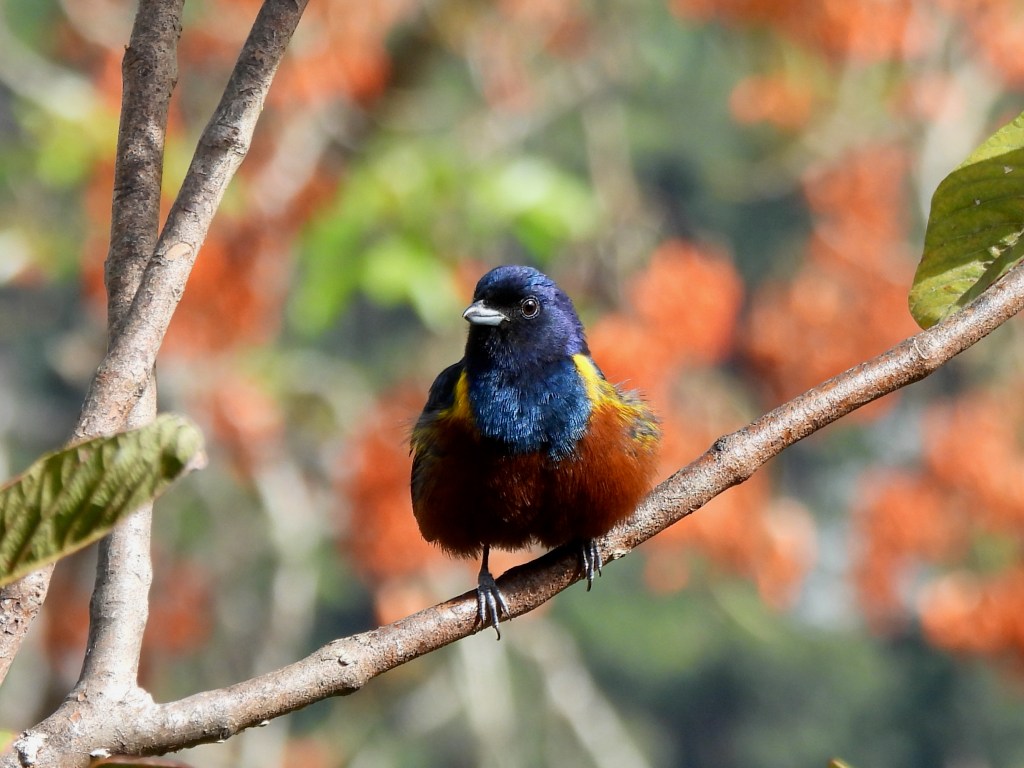
Sítio Folha Seca has much more than hummingbirds, though. Three of the tanagers that we saw there were also life birds for me. One was this Brazilian Tanager, a group favorite.

I also saw my first Red-necked Tanager, another stunner, at Sítio Folha Seca.

Ubatuba is very popular with birders and nearly all birding tours to southeast Brazil include time in the area.

On the 14th, we continued to bird around Ubatuba and I got 12 more life birds ranging from Swallow-tailed Hummingbird to Green-backed Trogon, Channel-billed Toucan, and Yellow-fronted Woodpecker.

That day I also got my life Blue-naped Chlorophonia, a bird that is a member of one of my favorite genera. I promise to share a photo in a later post about my trip to Brazil.

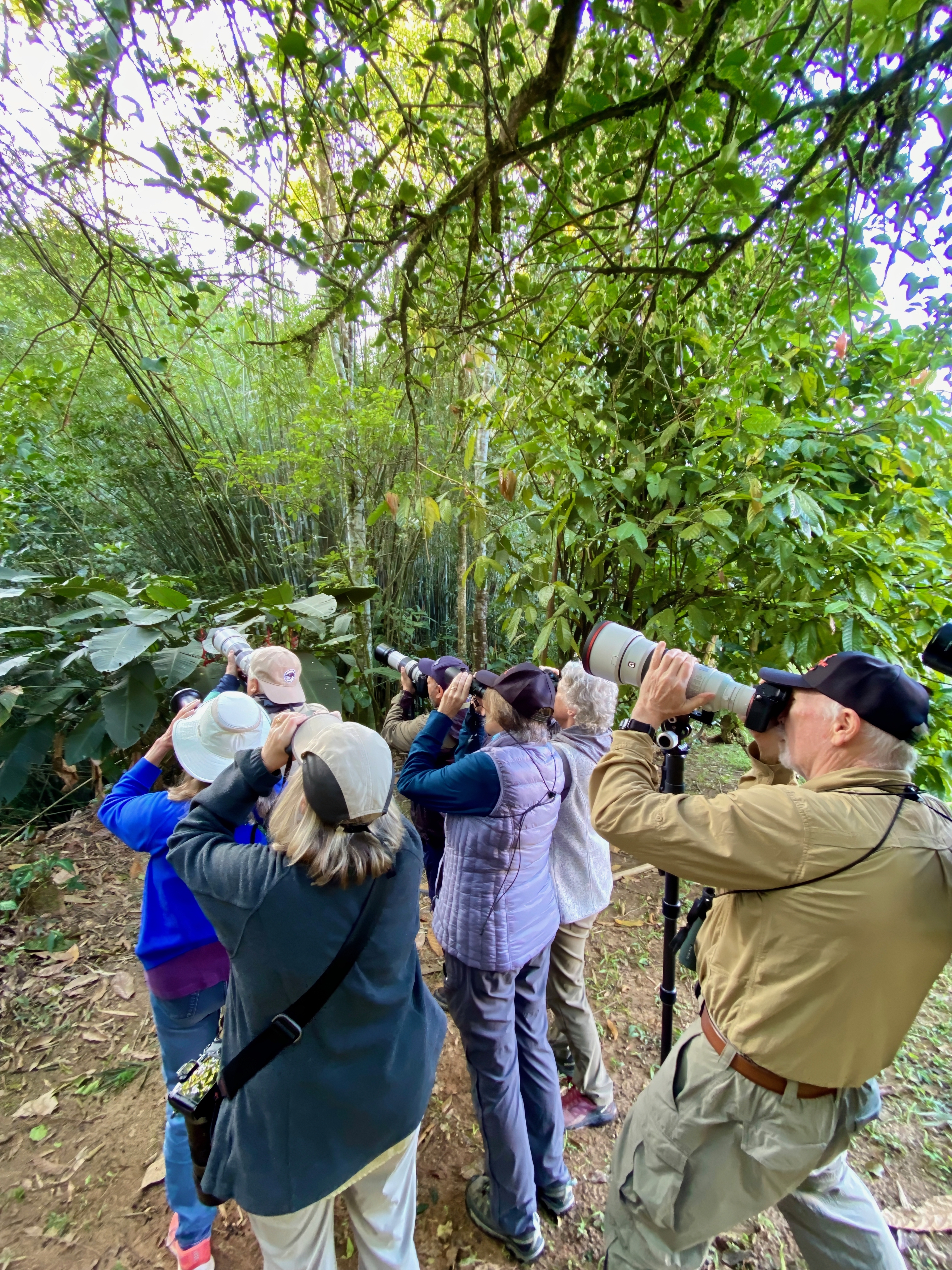
Left, our group birding in Ubatuba.

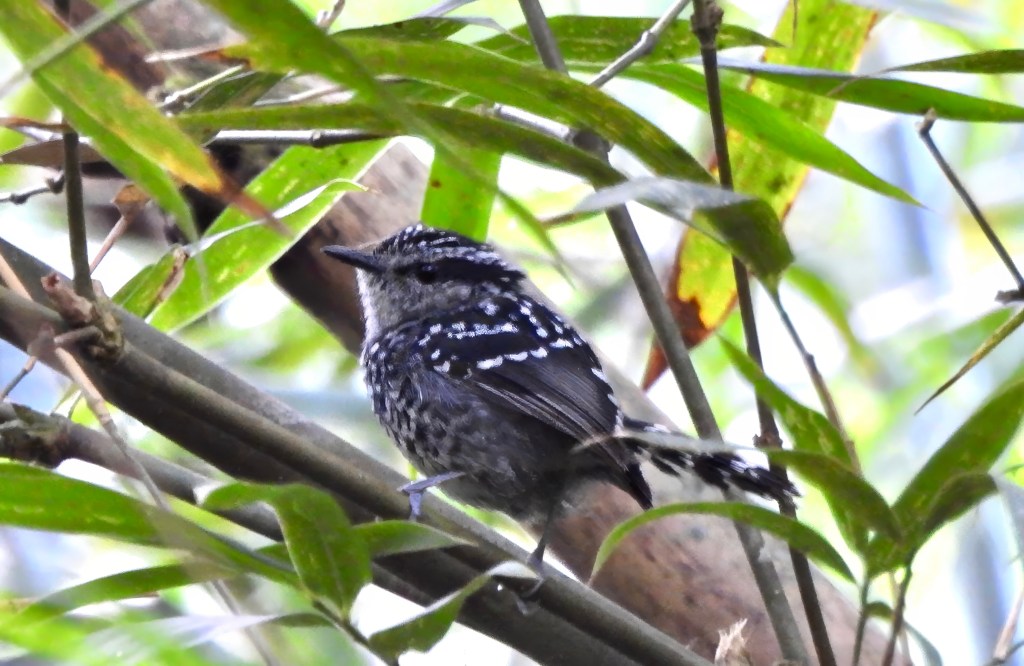
As expected in the forest, we also saw small, skulky birds. I was pleased that I actually got photos of a Scaled Antbird.

We spent the afternoon of August 14 at Ninho Da Cambacica, another wonderful little ecolodge with bird feeders and trails on the property. Below, our group with the owners of Ninho Da Cambacica. This was our last birding with Atlantic Forest bird guide, Lucas (kneeling in center below). Lucas had found some great birds for us and it had been fun to spend time with him. We would miss his smile and enthusiasm. Alyson Melo (on the left), our lead guide, would continue on the trip with us.

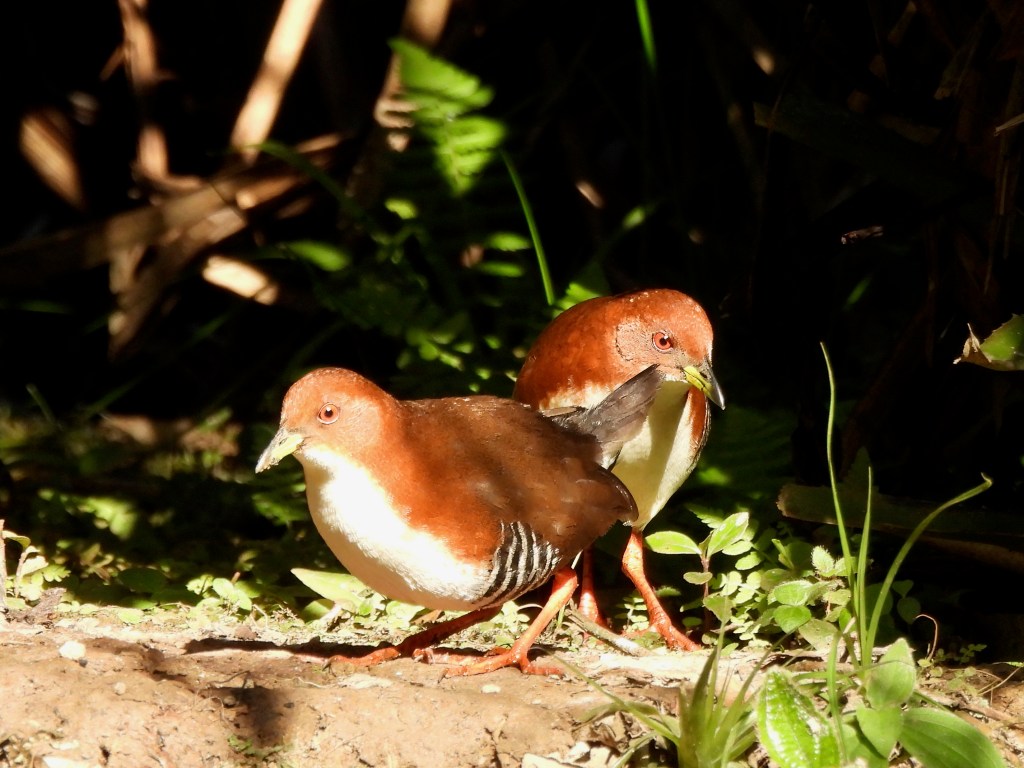
On August 15, our last day before heading to the Pantanal, we visited Sítio Macuquinho, my favorite place on this part of the trip. The feeders attracted several species of hummingbirds and tanagers, but my favorite birds may have been the Red-and-white Crakes we viewed from one of the trails on the property.

But, that wasn’t all. We had close-up views of a White-breasted Tapaculo eating worms on a log by the side of the road. These normally shy and difficult-to-see birds were found for us by the amazing Elvis Japão, bird guide and owner of Sítio Macuquinho. He also found two Marsh Antwrens for the group, but I just couldn’t find them in the thick marsh vegetation. I didn’t feel quite too bad about missing them after noting “usually very hard to see” in the description in eBird. Another wonderful bird that Elvis found for us was a singing Bare-throated Bellbird, a bird that our entire group was thrilled to see and hear.

All too soon, it was time to head to Sao Paulo for the night and our flight to Cuiabá the next morning. Amazing birds and exciting adventures awaited us in the Pantanal of Brazil.

Read Full Post »