Feeds:
Posts
Comments

Archive for July, 2026

Uruguay was my contribution to the scope creep that turned my trip with Sandra last fall into more than a month in South America. “Look at the map! We’ll be in Buenos Aires, and Montevideo is right across the river. I’ve wanted to go to Uruguay since I was in high school.” Sandra quickly found Florencia Ocampo, founder of Birding With Me and co-author of the new field guide Birds of Uruguay, and just like that, Florencia had arranged a short tour for us.

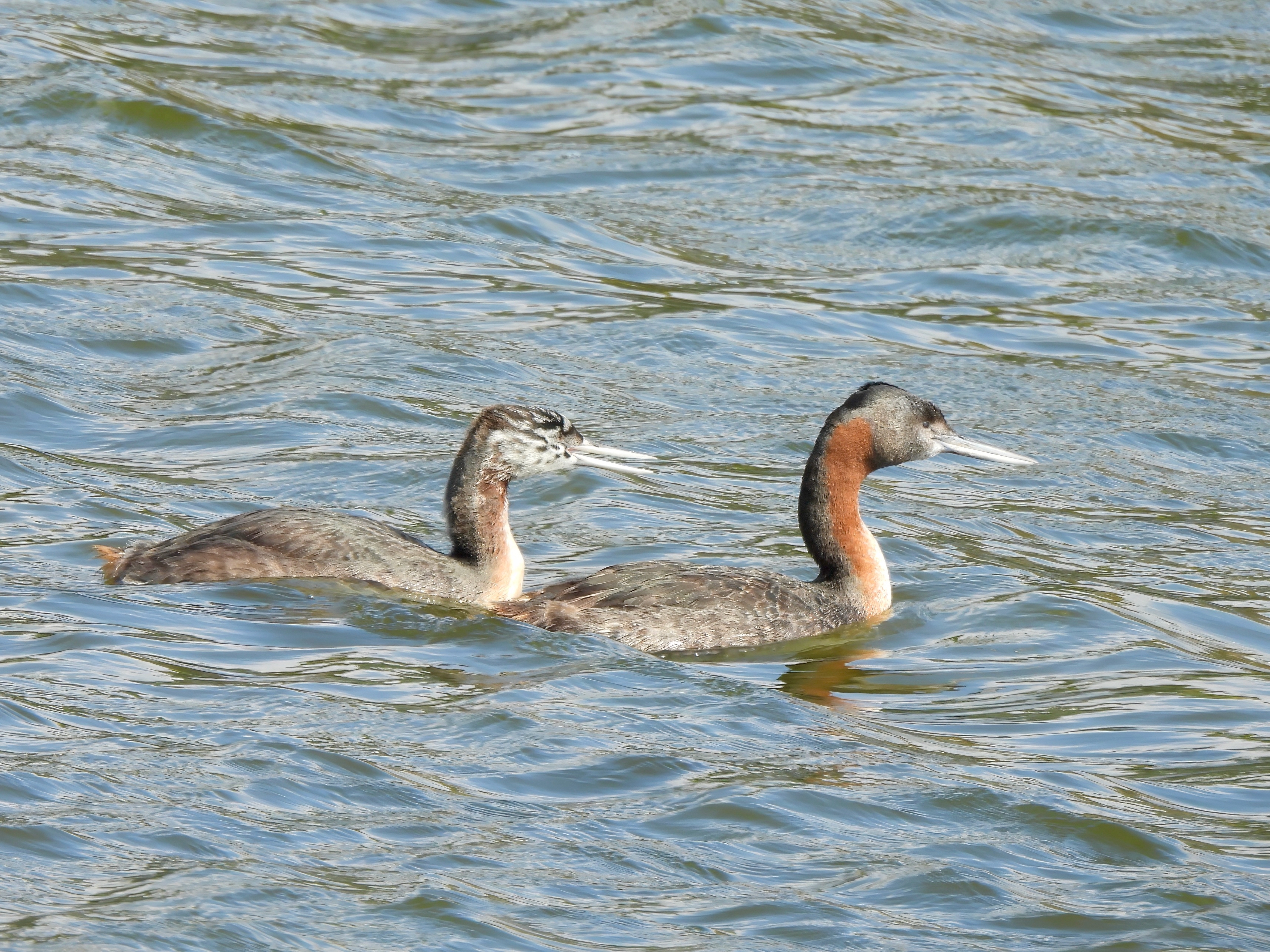
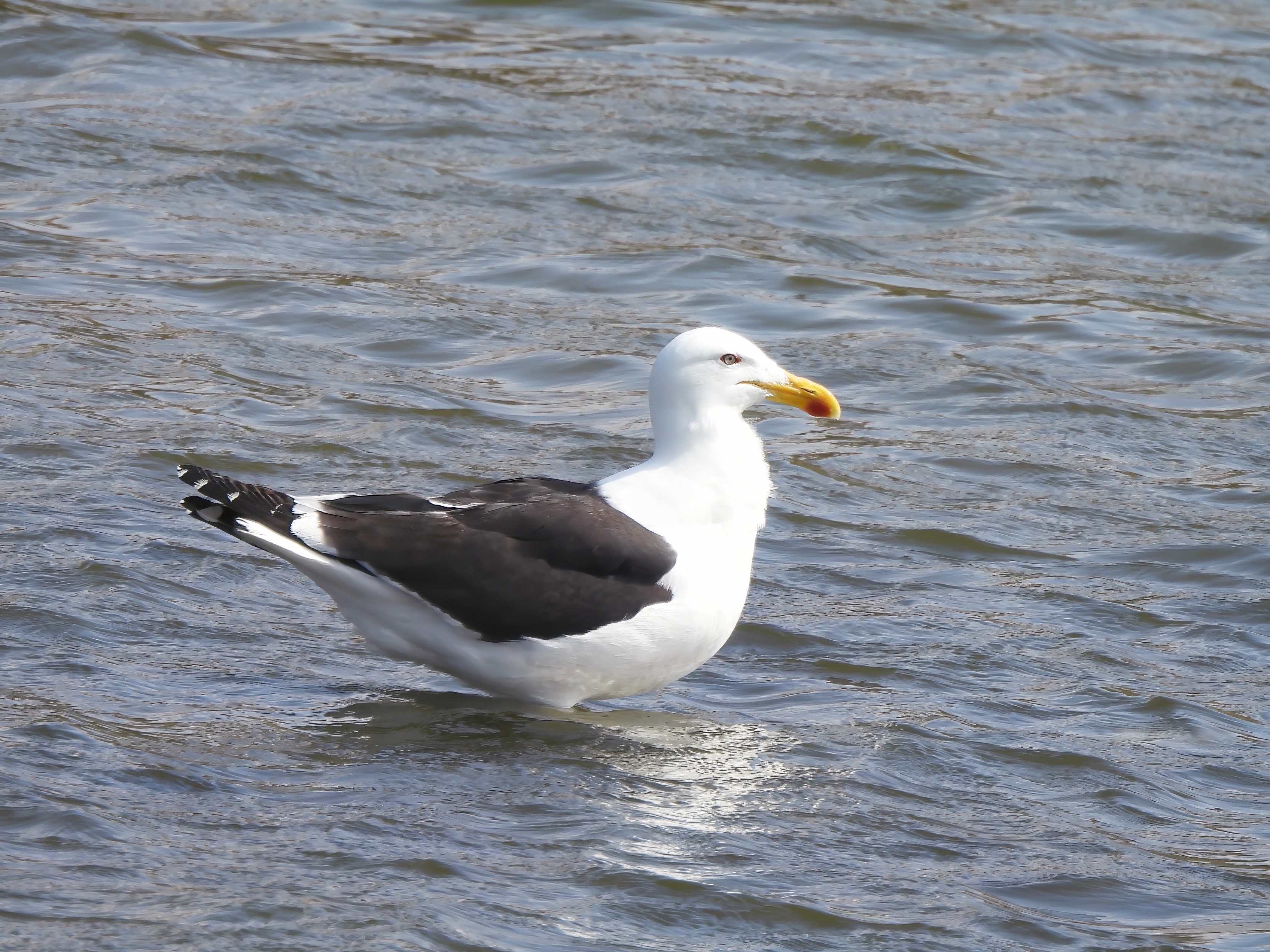
We flew to Montevideo on December 4, checked into the lovely Cala di Volpe Boutique Hotel, and headed out for a little afternoon birding. I picked up two life birds right away—Great Grebe and Kelp Gull. I got better looks at both species later in Chile, where I took the photos below of the grebe with its “teenage” offspring and the big dark-winged Kelp Gull, but it was a great start.
Early the next morning, our guide for the next two days, Mauricio Silvera, picked us up. On our way out of the city, we stopped for his colleague, Pilar Camejo, who arrived at the car with an amazing homemade breakfast.

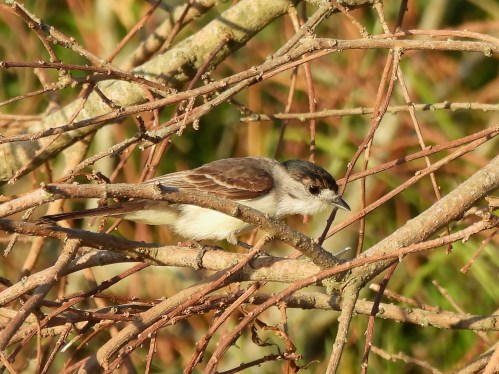
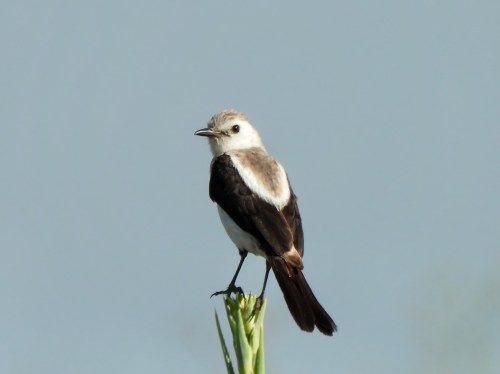
Mauricio wasted no time finding birds. Black-necked Swan, Chilean Flamingo, and Long-winged Harrier were all lifers for me. Hellmayr’s Pipit and the striking Black-and-white Monjita in the photo below were lifers for both of us. The monjita, with its limited range, was our only sighting during our entire month in South America. Amazingly, Mauricio spotted this bird as we were driving on a major highway.
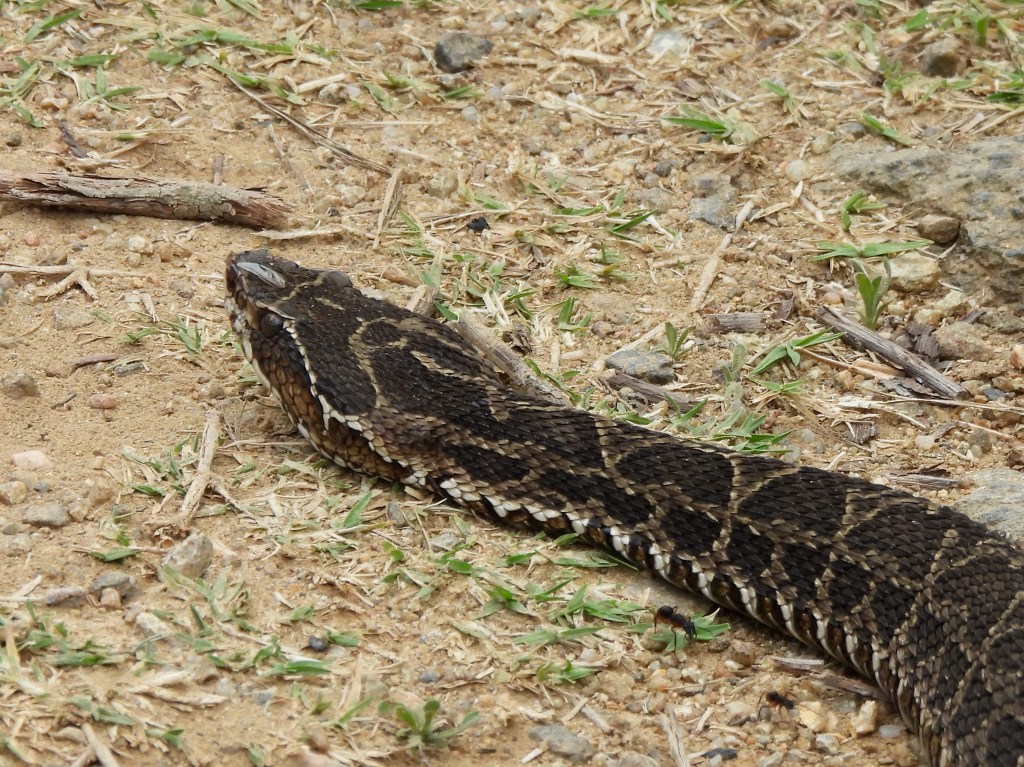
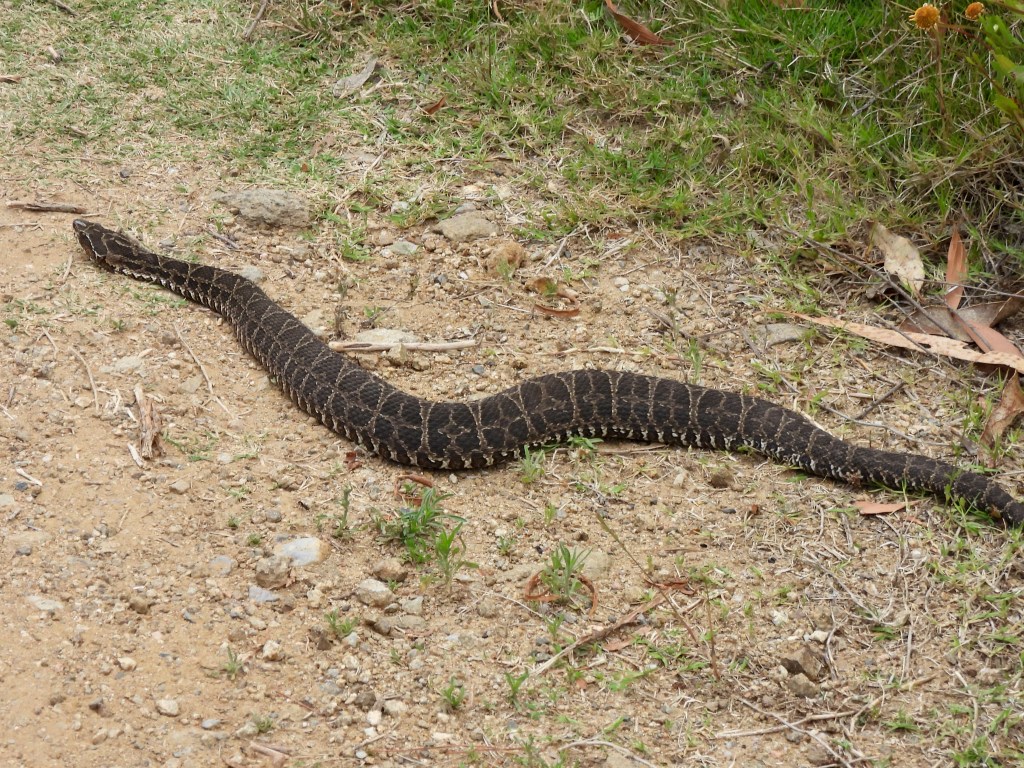
In addition to the birds, I soon had another exciting wildlife sighting—the Urutu Lancehead below.
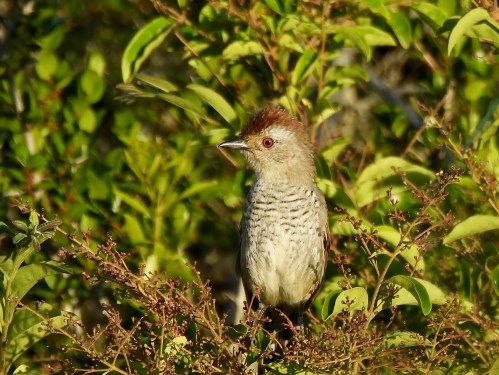
Later that afternoon, we made an unplanned visit to a little area near our hotel that turned into one of my favorite experiences of the day. What a treat to get such a clear look at the Rufous-capped Antshrike below—a small, perfect moment in a day full of good birds.
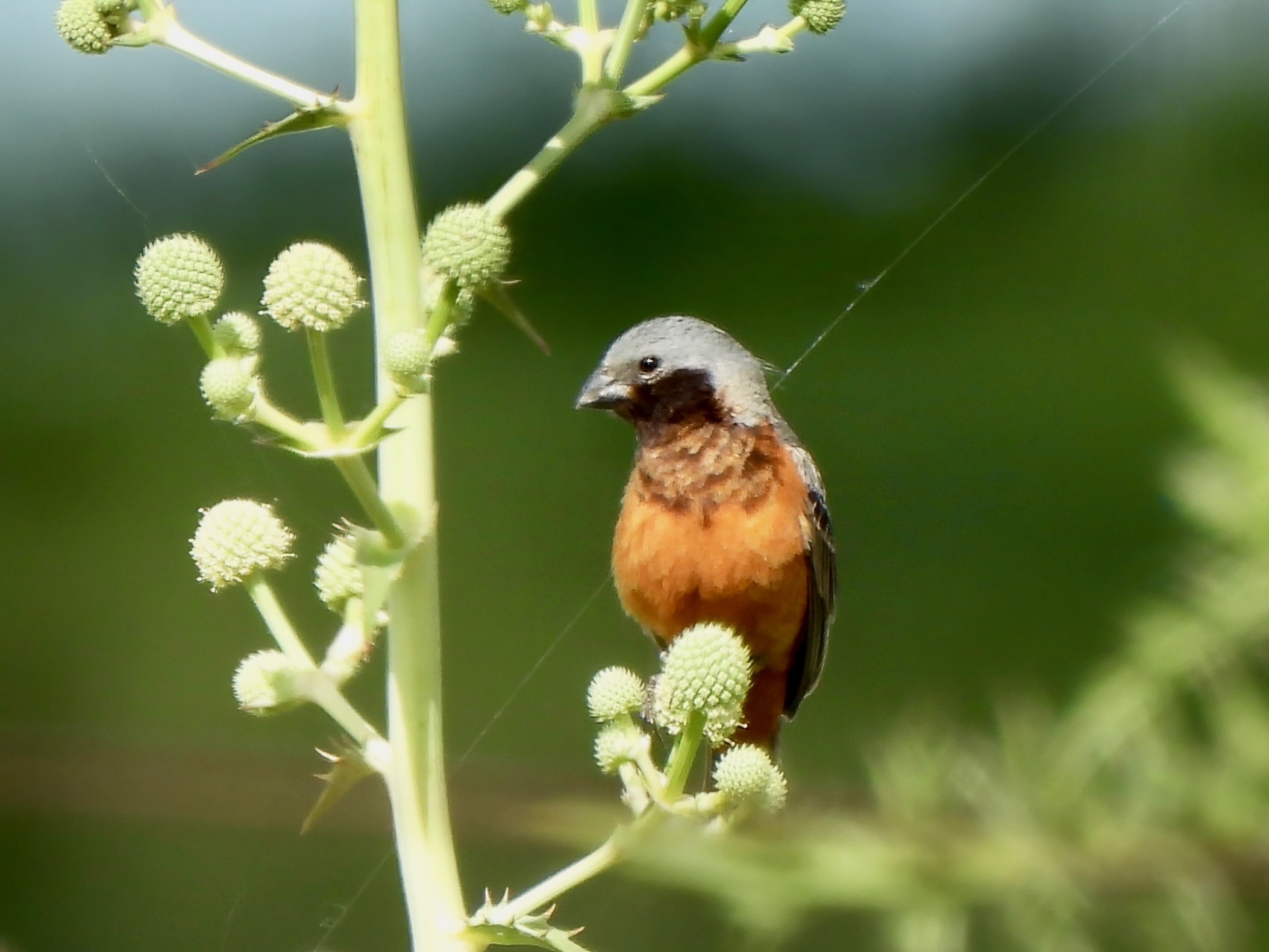
Same spot, another lifer—this pretty Gray-throated Warbling-Finch. Two new birds for my life list, and a wonderful end to our serious birding for the day.
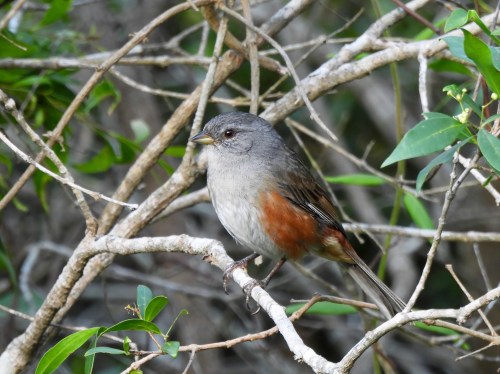
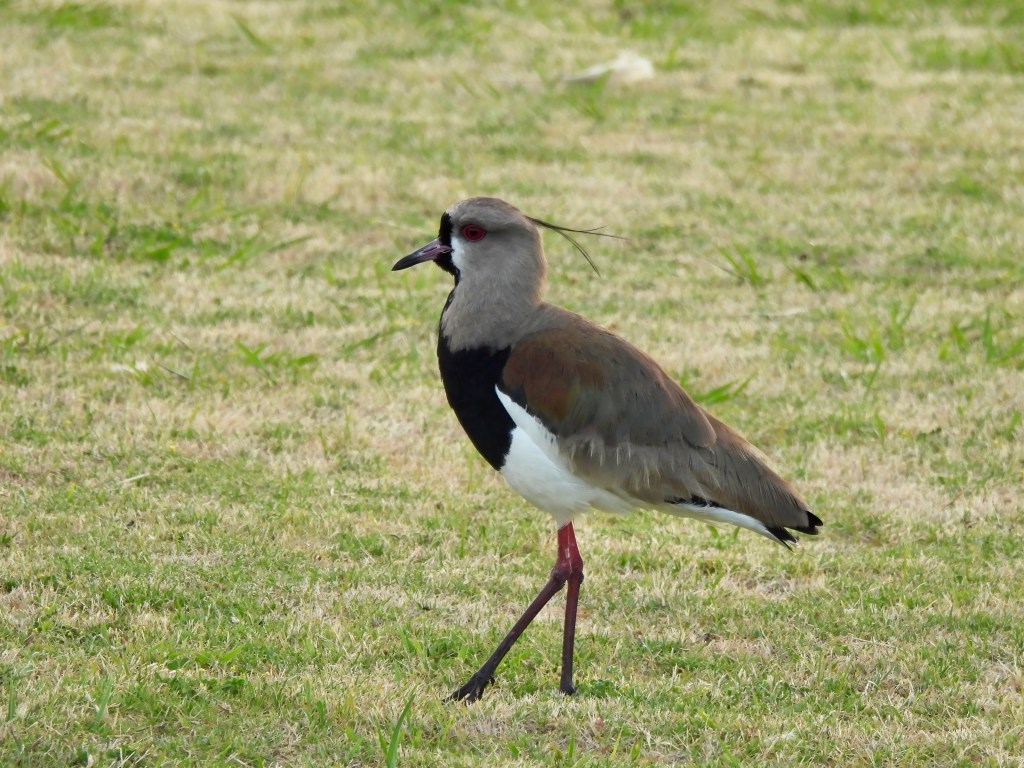
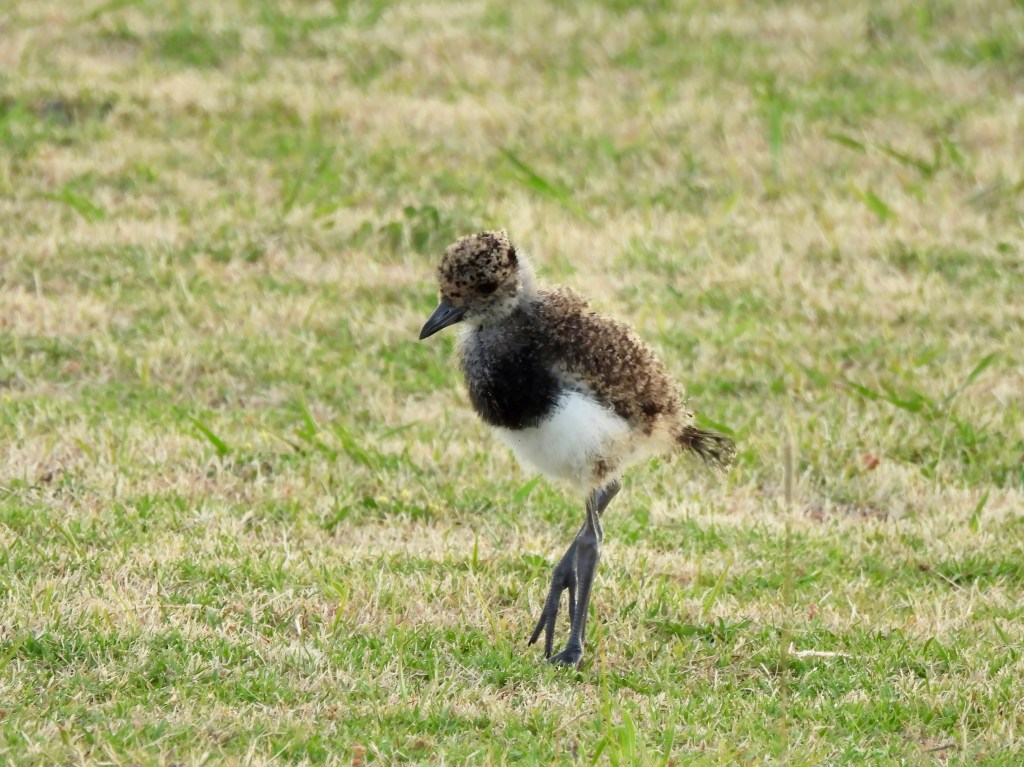
Our bonus birds that evening were an adult and juvenile Southern Lapwing right in front of our hotel. I could have spent another hour photographing them, but it was time for dinner, and the others were not going to indulge me any longer. Lapwings are ubiquitous in South America; nine of our checklists over our two days in Uruguay included them. Still, babies are adorable and hard to walk away from!
Day two brought more life birds for both of us. We started with Curve-billed Reedhaunter, known as skulking and reclusive, so I was thrilled to photograph two different individuals. One appeared to be an immature bird, due to the light-colored bill. It was noticeably more confiding as well, typical of young birds, making it easier to photograph.
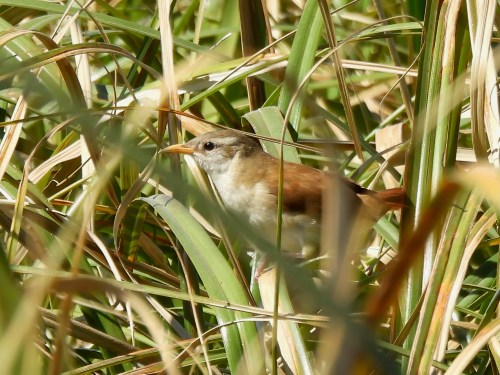
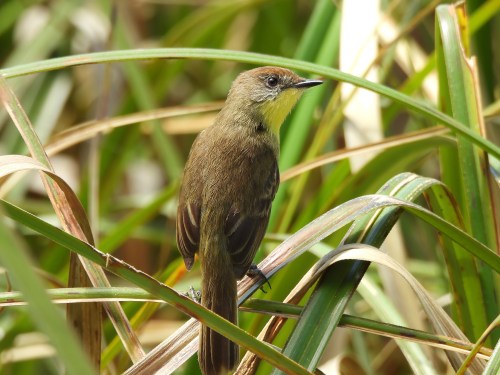
In that same reedbed habitat, we tracked down a Warbling Doradito—smaller and, reputedly, harder to see than the reedhaunter. I was thrilled to see this pretty bird, too, a very satisfying sighting of another bird with a fun name.
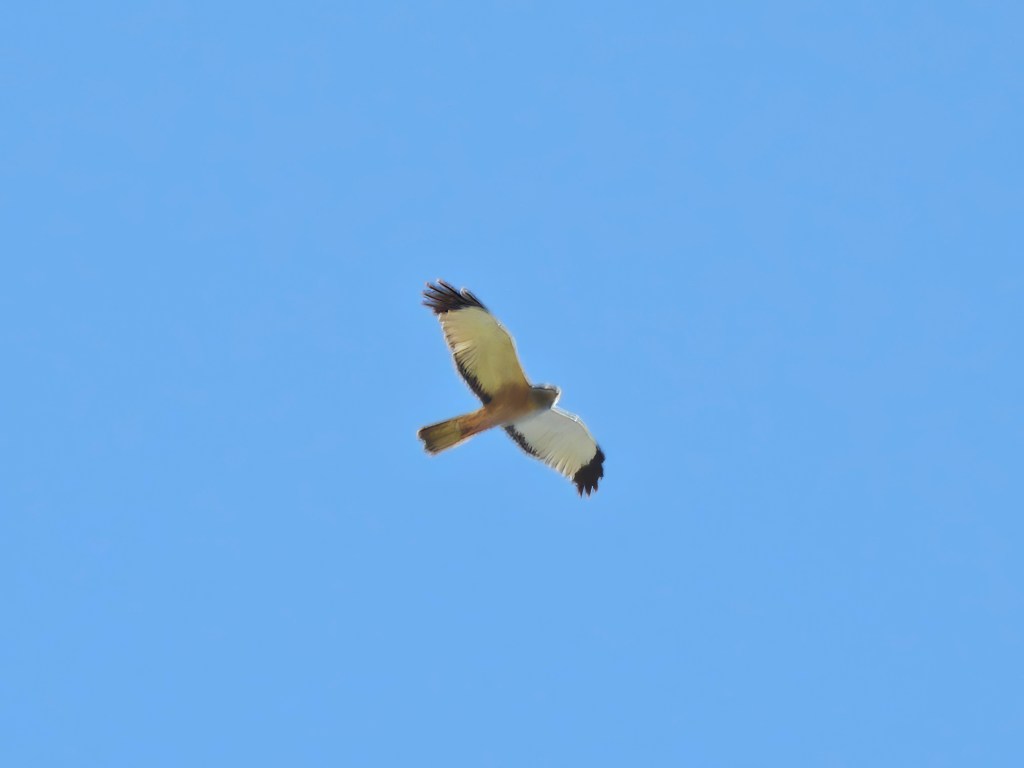
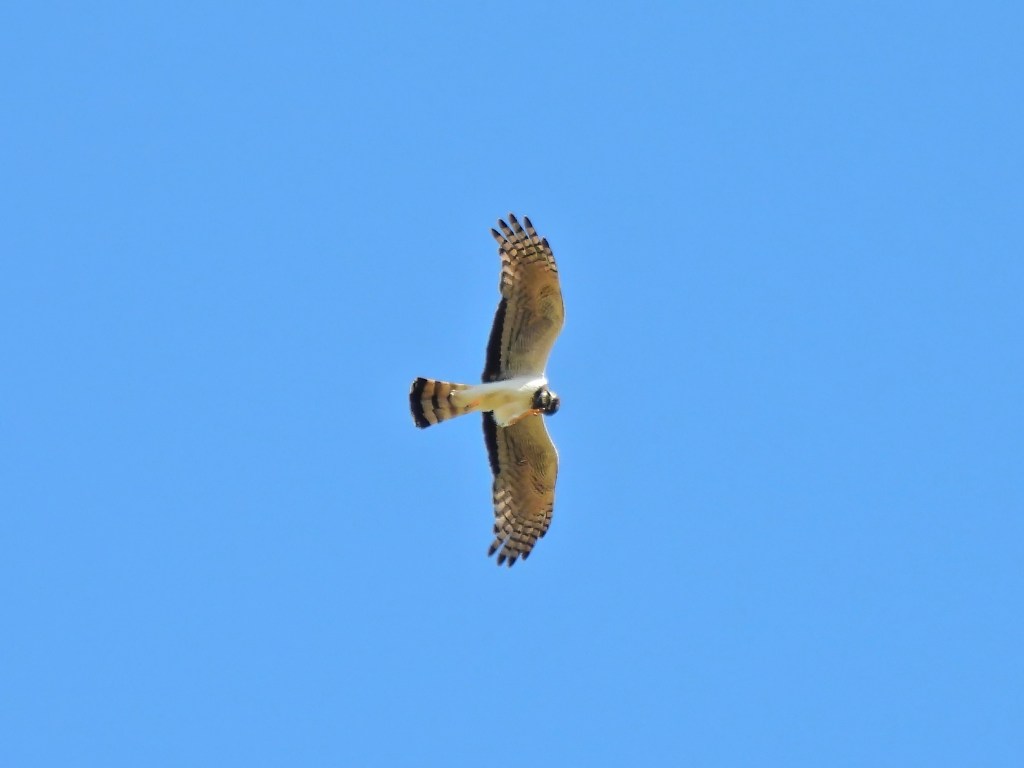
Cinereous Harrier (on the left below) was another lifer for me in this productive birding area. I was able to compare it to Long-winged Harrier (on the right) at the same spot for a nice side-by-side study.
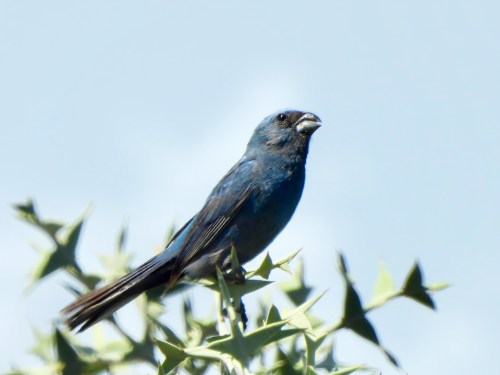
One of Sandra’s favorites was Glaucous-blue Grosbeak. It is in the cardinal family, like the North American Blue Grosbeak, but it’s a little smaller and generally more shy. We were fortunate when this beautiful bird perched in the open and allowed us such a clear view.
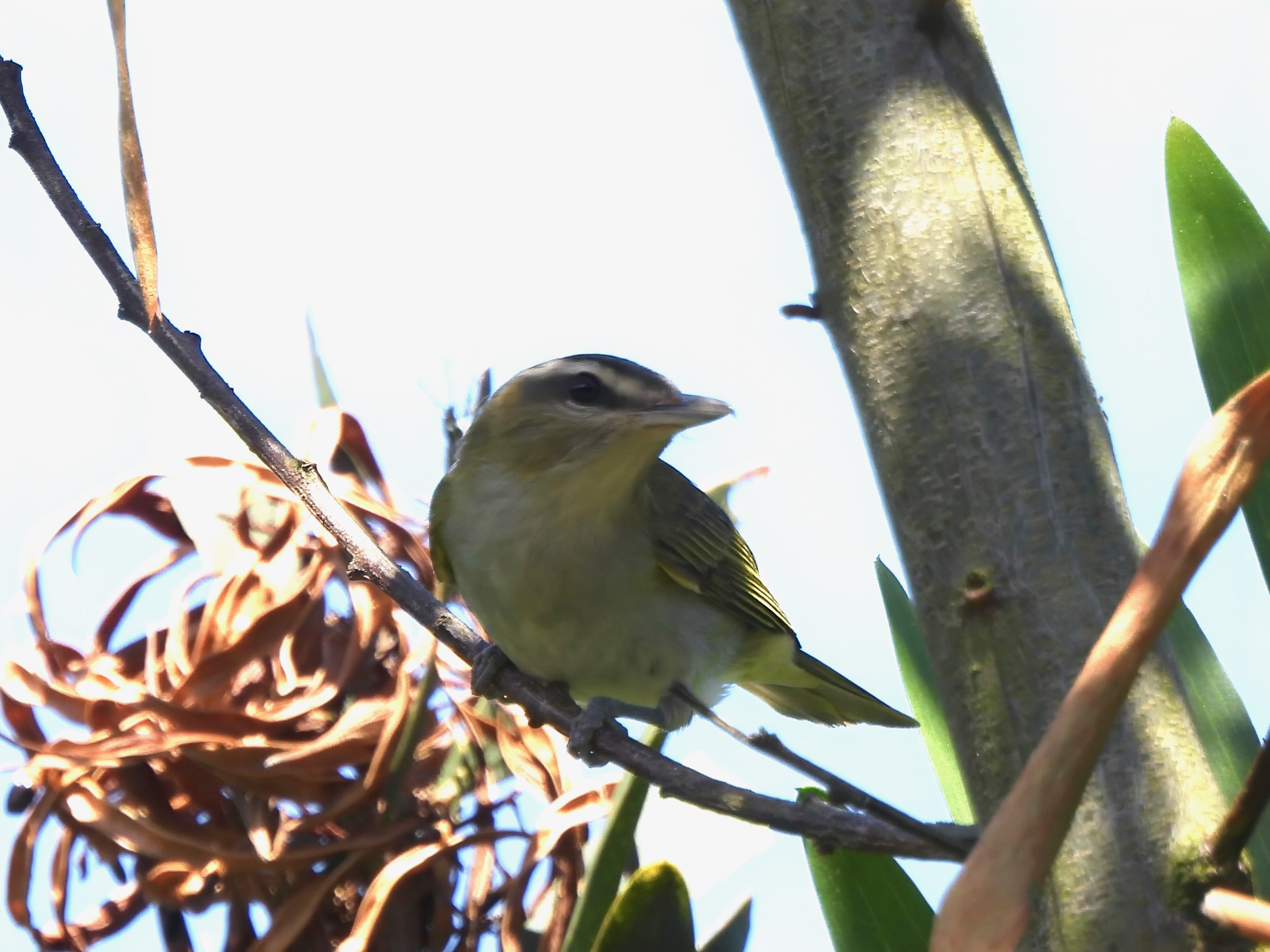
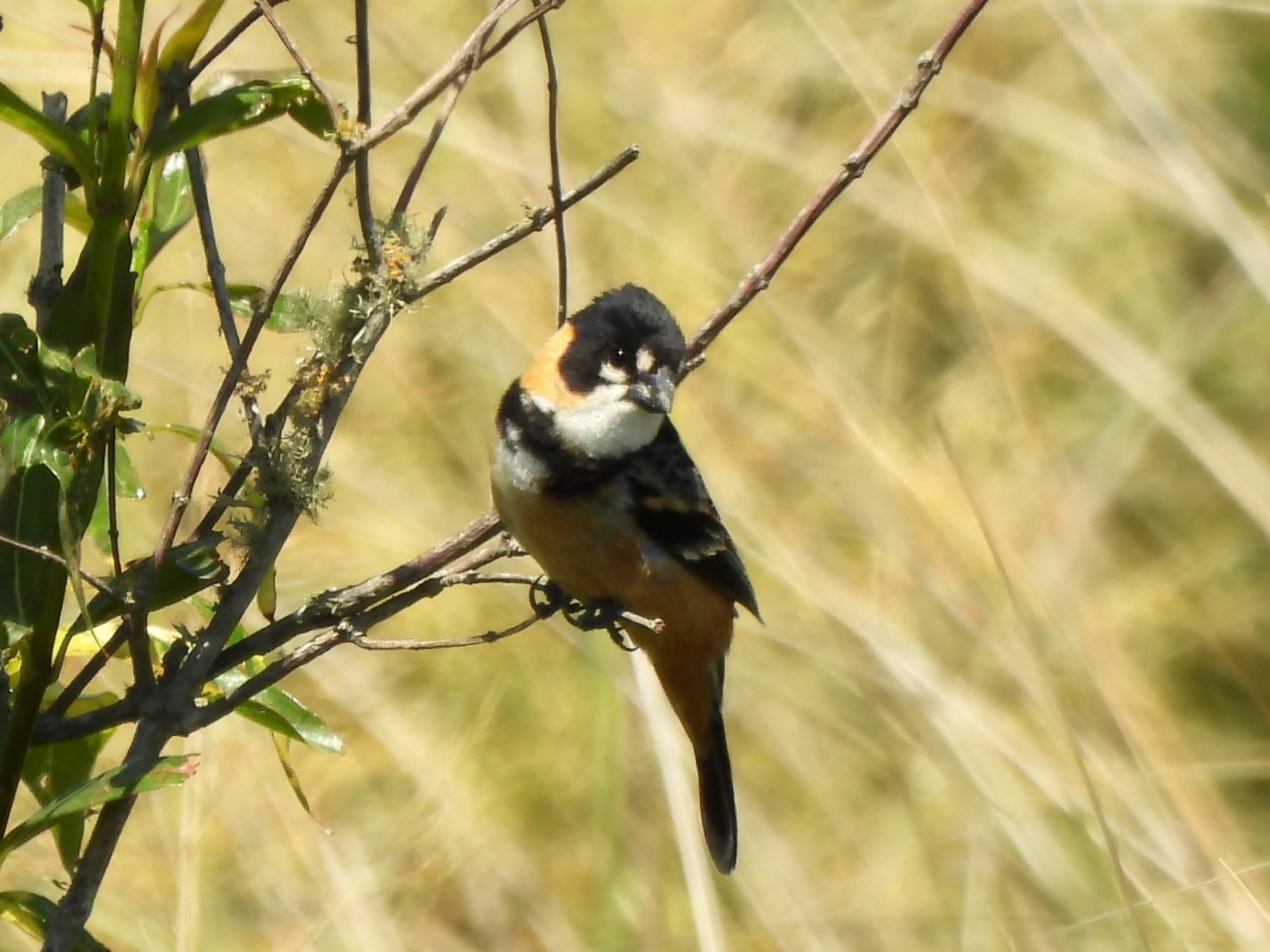
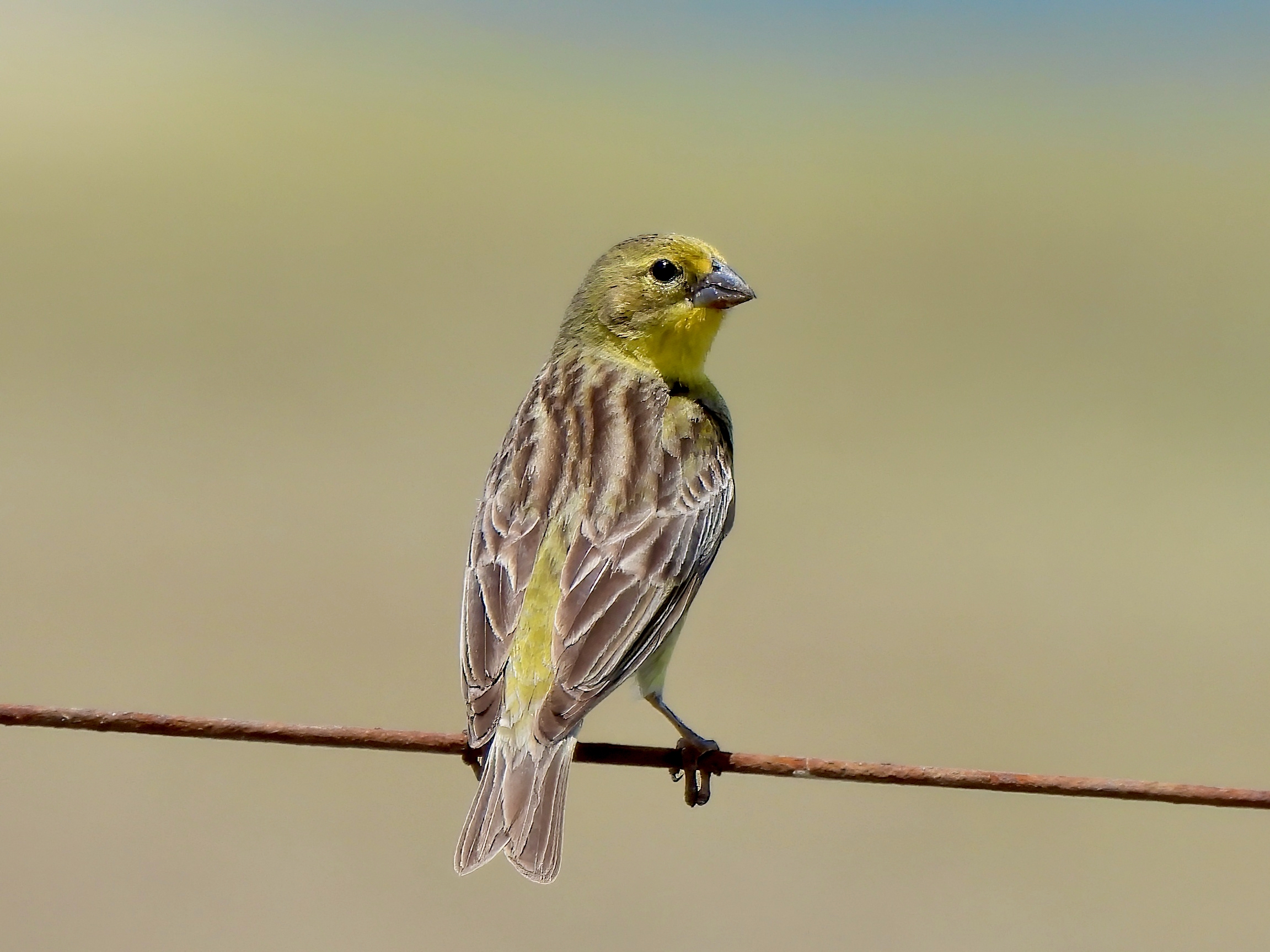
Other great birds that day included the Rusty-collared Seedeater, Grassland Yellow-Finch, and Chivi Vireo below. The Vireo photo isn’t great, but I was happy to get any look at all, especially as I’d missed it multiple times earlier in the trip. It is a widespread and common bird in South America, but like the Red-eyed Vireo at home, it’s easier to hear than to see.
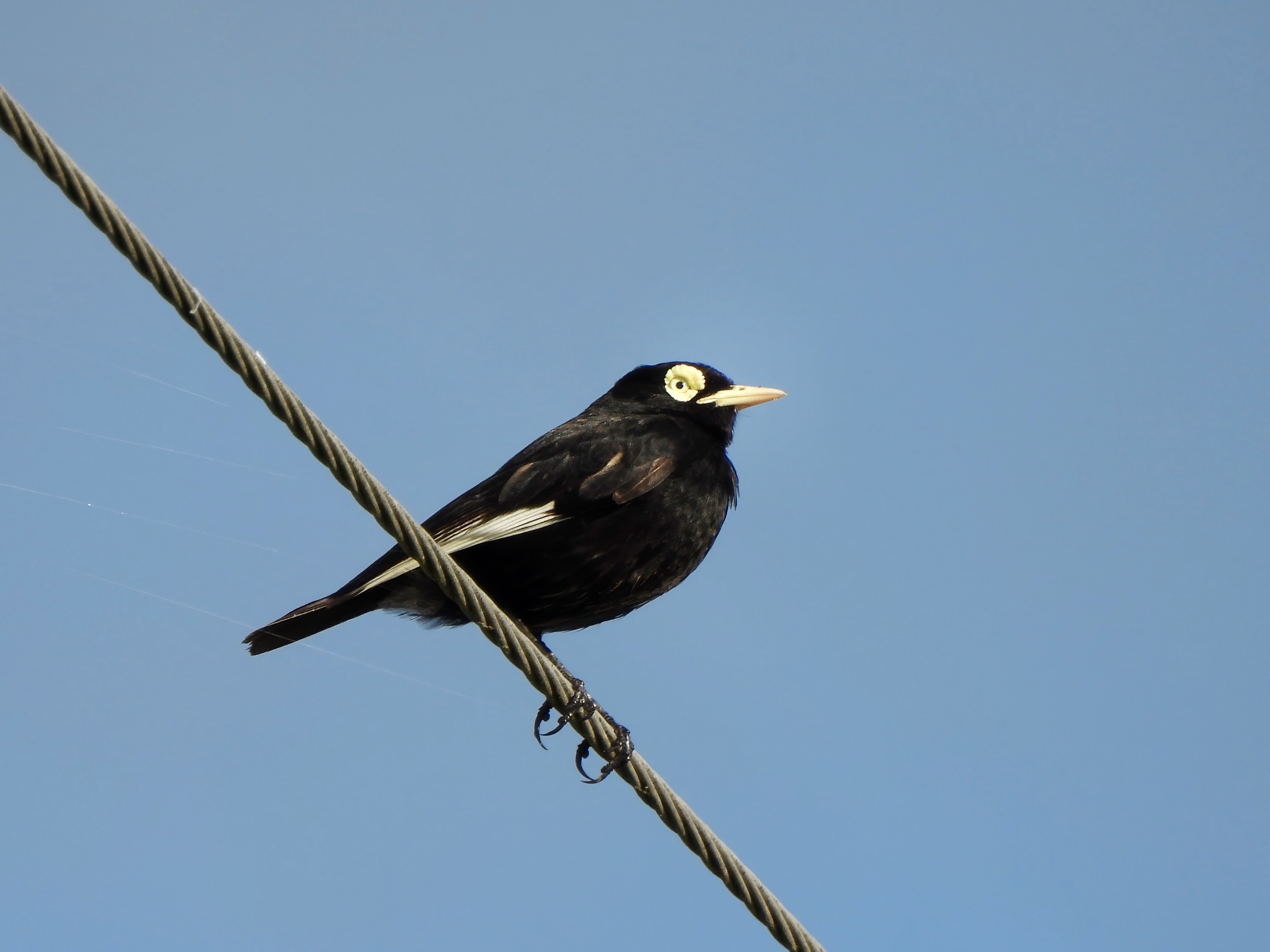
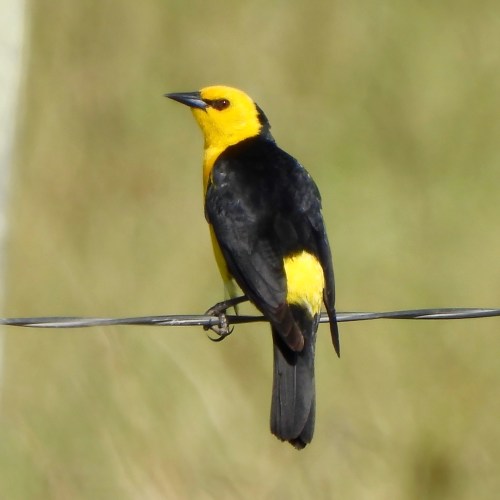
The star of the day—perhaps the star of our Uruguay birding—was the gorgeous Saffron-cowled Blackbird. Mauricio was elated to estimate 150 birds in the flock of this rapidly declining species. Seeing such a large flock of these birds was a truly unforgettable spectacle, made all the more poignant by the vulnerability of the species.
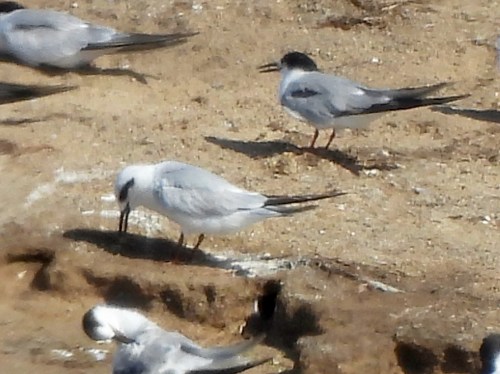
My final life bird of the trip was the Snowy-crowned Tern that I’d really wanted. In the photo below, it’s the lighter bird with the black mask.
It was difficult to believe that we’d packed so much into just two days of birding. The group trip report contains 125 species. I gained 17 life birds, and Sandra, who has birded far more extensively than I have, including recently in nearby Argentina, added six lifers. Uruguay had started as an easy add-on to our South American itinerary, but it had quickly contributed some captivating highlights to our trip.
Read Full Post »

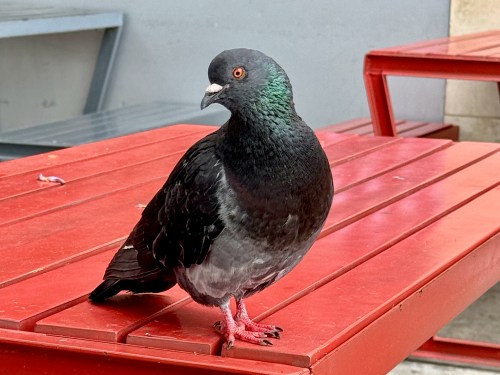
Sandra and I arrived in Buenos Aires late on November 29 and went directly to our lodging, a lovely place that even had “luxury apartments” in its name. For the first time in over two weeks, we didn’t have to set our alarms. The next morning, we ventured out and got an impression of the city: pleasant, clean, and modern. Our first bird was this friendly Rock Pigeon, who seemed determined to join us for breakfast.

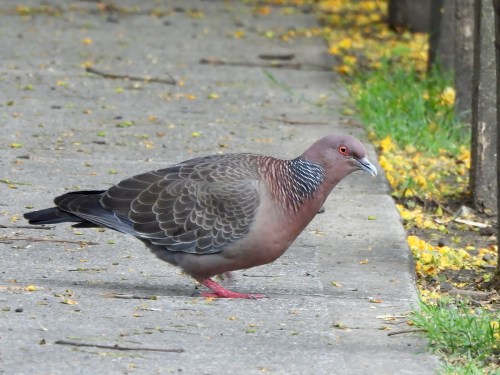
Our plan was to bird Reserva Ecológica Costanera Sur on our own, but the park was closed, apparently due to expected rain. We birded the edge of the park from outside the fence before the rain became too heavy. We had only a dozen species on our list, but two of those were life birds for me: Rosy-billed Pochard and Chimichanga Caracara. Oops! That’s actually Chimango Caracara, but once I’d dubbed it “Chimichanga Caracara”, it remained that for the rest of the trip. I also got my best ever look at a Picazuro Pigeon. In other places they had been a bit shy, but here they were nearly as tame as the Rock Pigeons.

We enjoyed a lazy afternoon and got some much-needed rest before our guide, Laura Dodyk, and driver, Dani Alvarez, picked us up early the next morning. We headed to Ceibas, a legendary birding destination just two hours north of Buenos Aires. Birders love Ceibas for packing wetlands, grasslands, thorn scrub, and woodlands into one small area—a rare combination that makes it possible to see a high number of species in a short time.

The day got off to a great start with my lifer Freckle-breasted Thornbird and Black-capped Warbling Finch at our first stop. Five more life birds quickly followed at Predio del Hotel Ceibas, our home for the next two nights.

Who doesn’t love woodpeckers? I do! And, this adorable Checkered Woodpecker became one of my all-time favorites. He may not be the biggest or flashiest woodpecker, but he more than makes up for it in cuteness and personality.

Another lifer at the hotel was this White-naped Xenopsaris, a bird that Laura said is usually challenging to see.

The birding was quite easy as we drove miles of rural dirt roads, where we could stop and walk along the road, never far from our car. We continued to rack up the lifers until I had 22 new birds on our first day with Laura and Dani. See more of my favorites from this day in the gallery below. Click on any image for a larger view and caption.

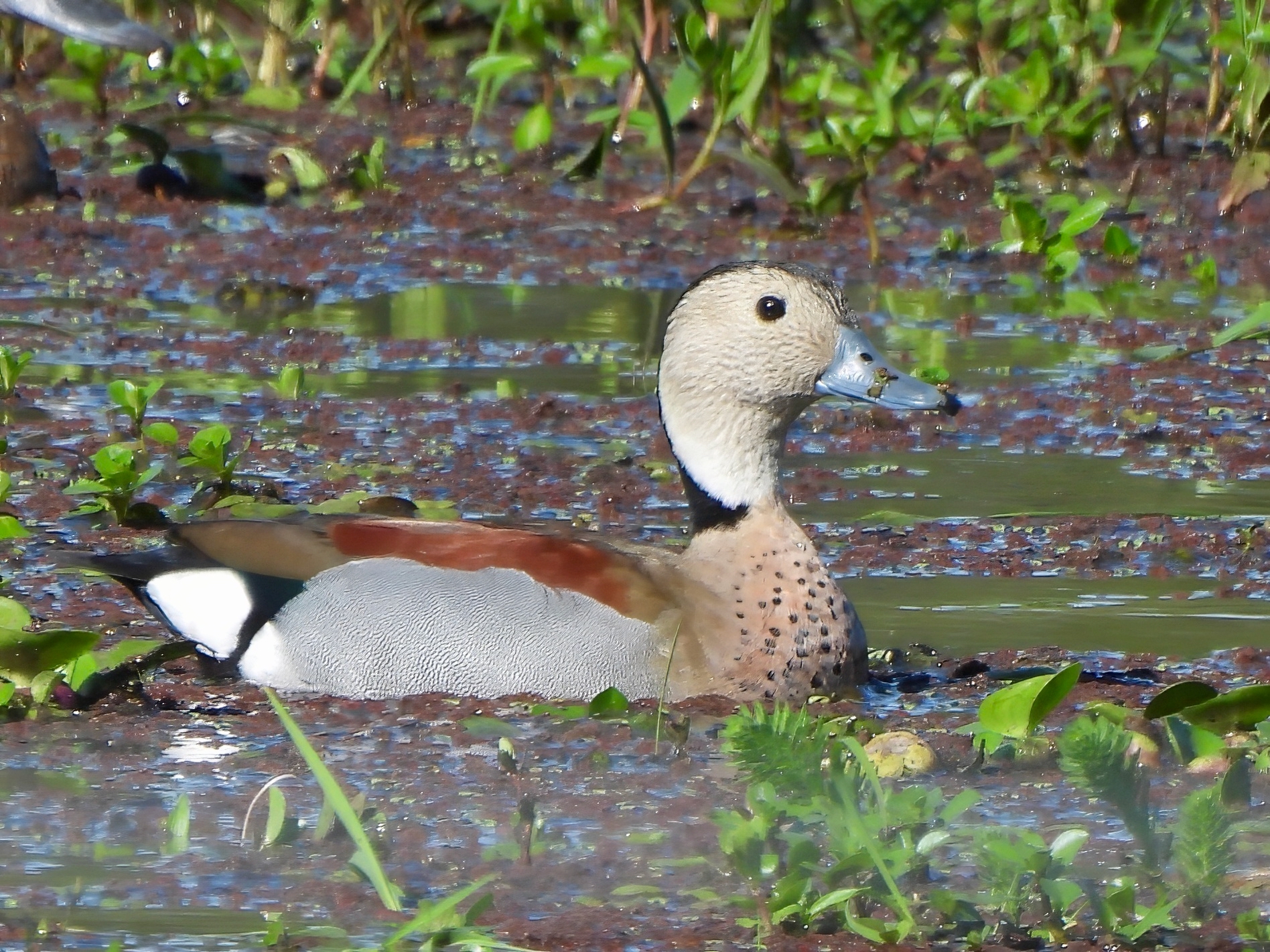
The expansive wetlands near Ceibas provide habitat for many species of waterfowl, and we were able to bird these areas right from the road. In the photos below, some of my lifers: Ringed Teal, Coscoroba Swan, and a Rosy-billed Pochard pair. Rosy-billed Pochard had actually been a life bird the previous day at Reserva Ecológica Costanera Sur, but I hadn’t been able to photograph it before the rain began.

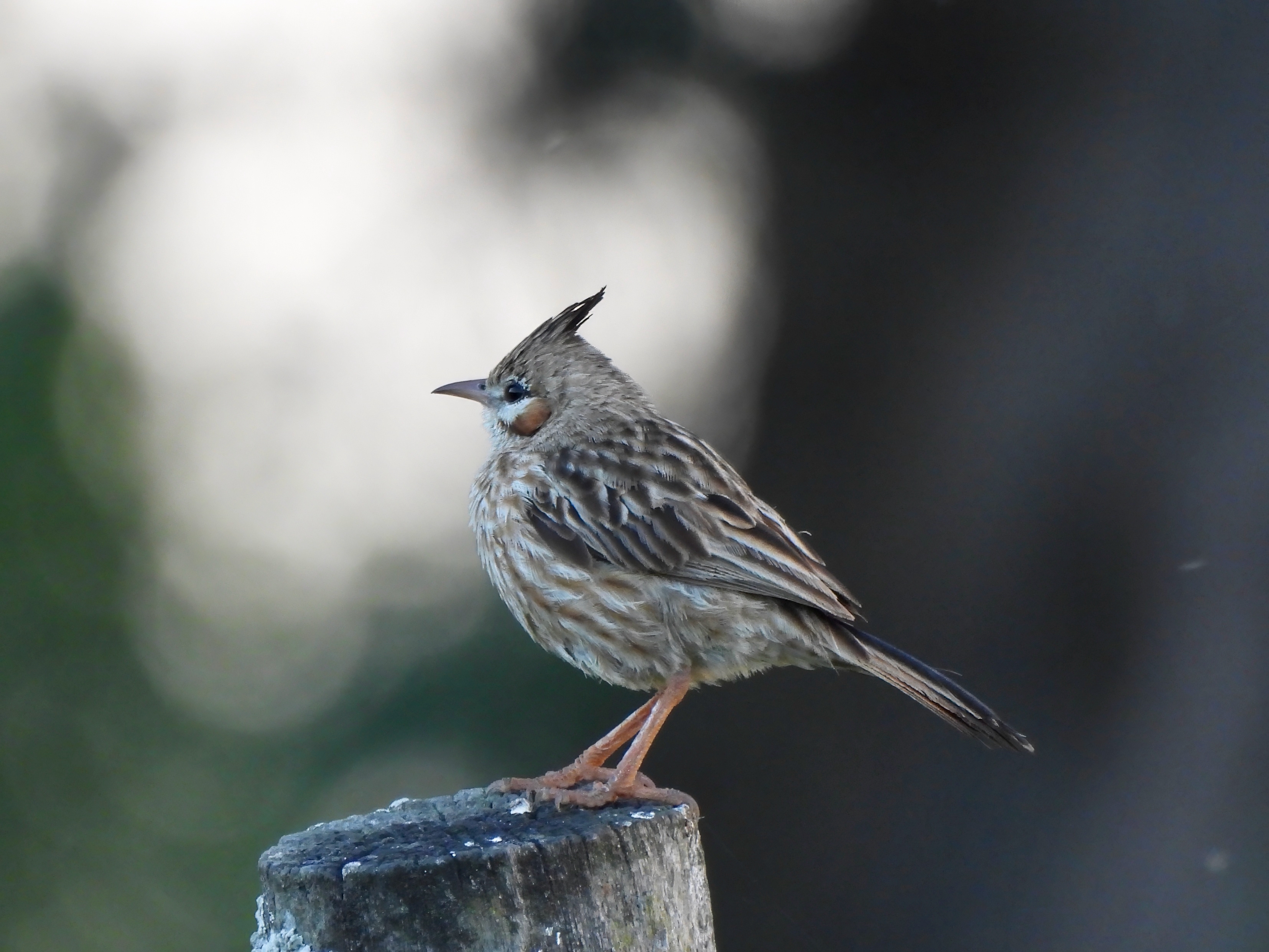
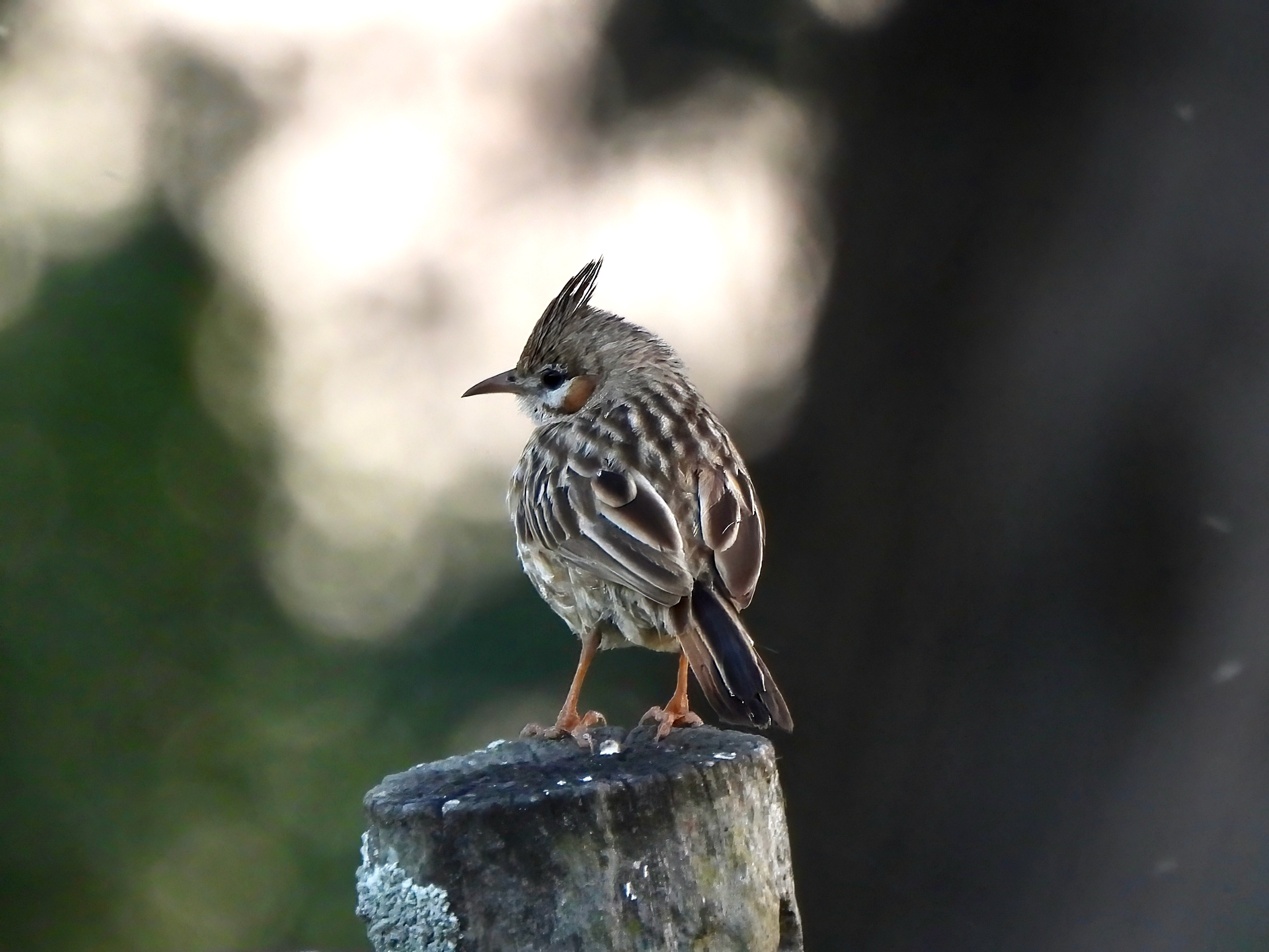
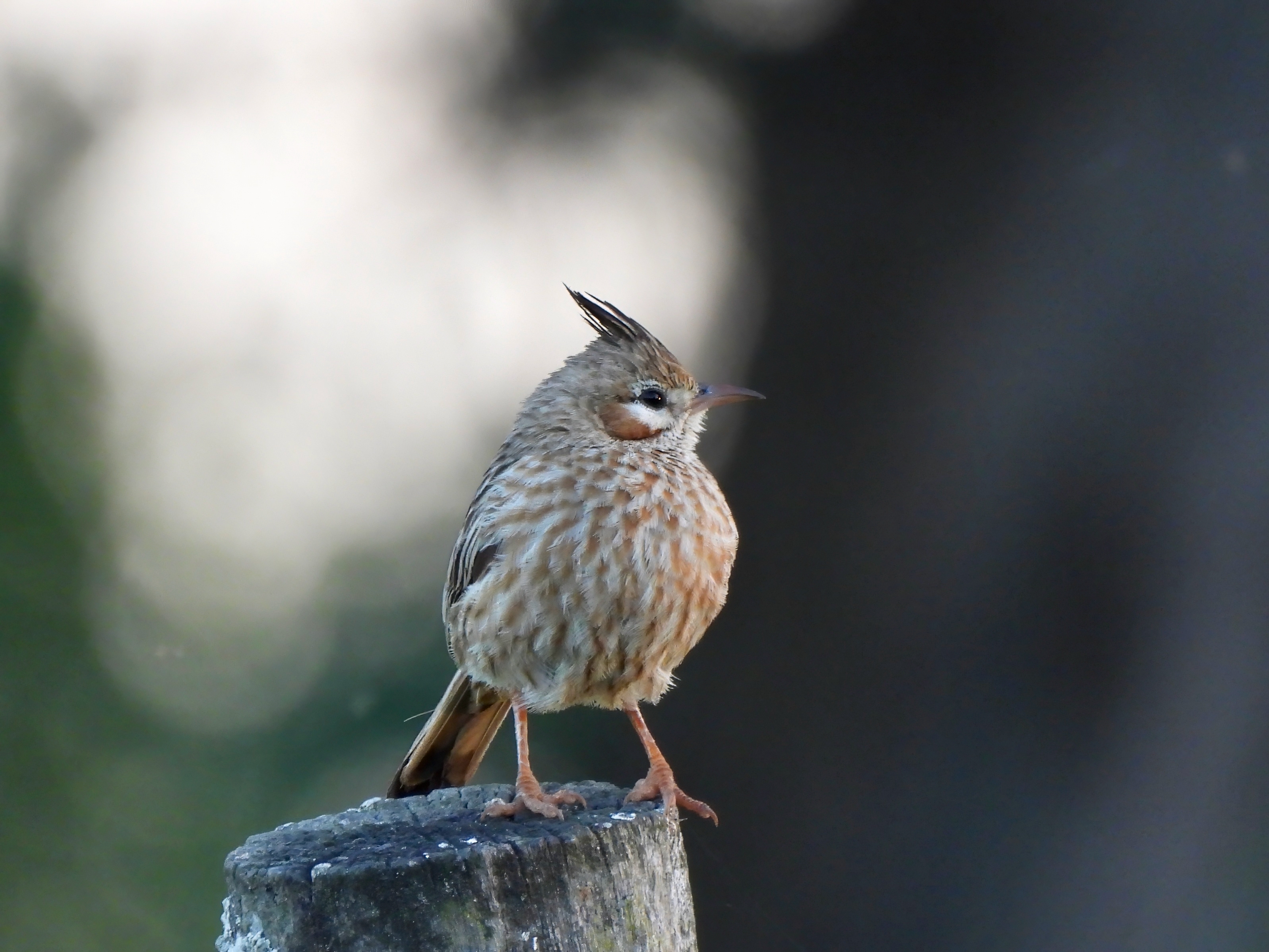
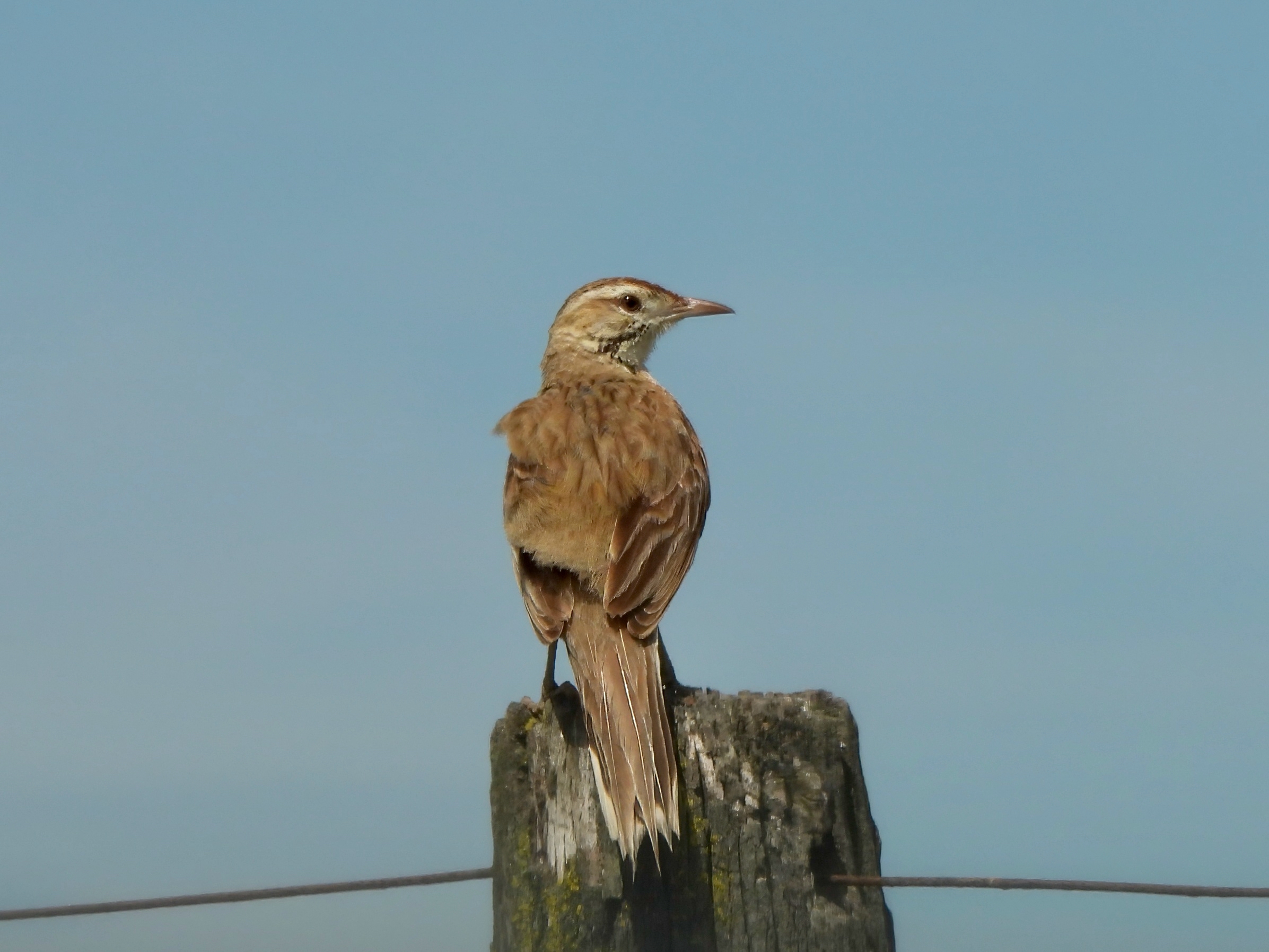
The Ceibas area also has arid habitats, like low, thorny acacia scrublands where species such as this Lark-like Brushrunner thrive. I liked this bird so much that it gets its own gallery.

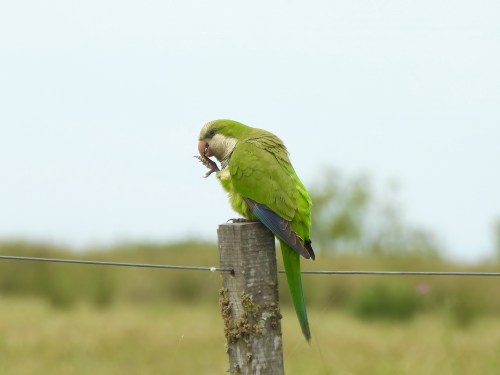
I also liked seeing Monk Parakeets in their native range, which encompasses northern Argentina, Uruguay, Paraguay, and the southern parts of Bolivia and Brazil. They have become established in many parts of the world, including a sizable population right where I live in Florida, mostly due to escapees and releases from the pet trade. Monk Parakeets are unusual among parrots because they’re one of only two species that build nests rather than nesting in tree cavities. The resulting nests are big, bulky masses of sticks—often large communal structures, with each pair having its own “apartment.”

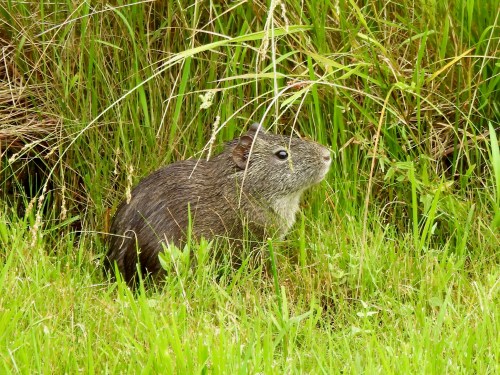
This little Brazilian Guinea Pig was another fun sighting. I’m as happy to see new mammals and other wildlife as I am to see new birds.

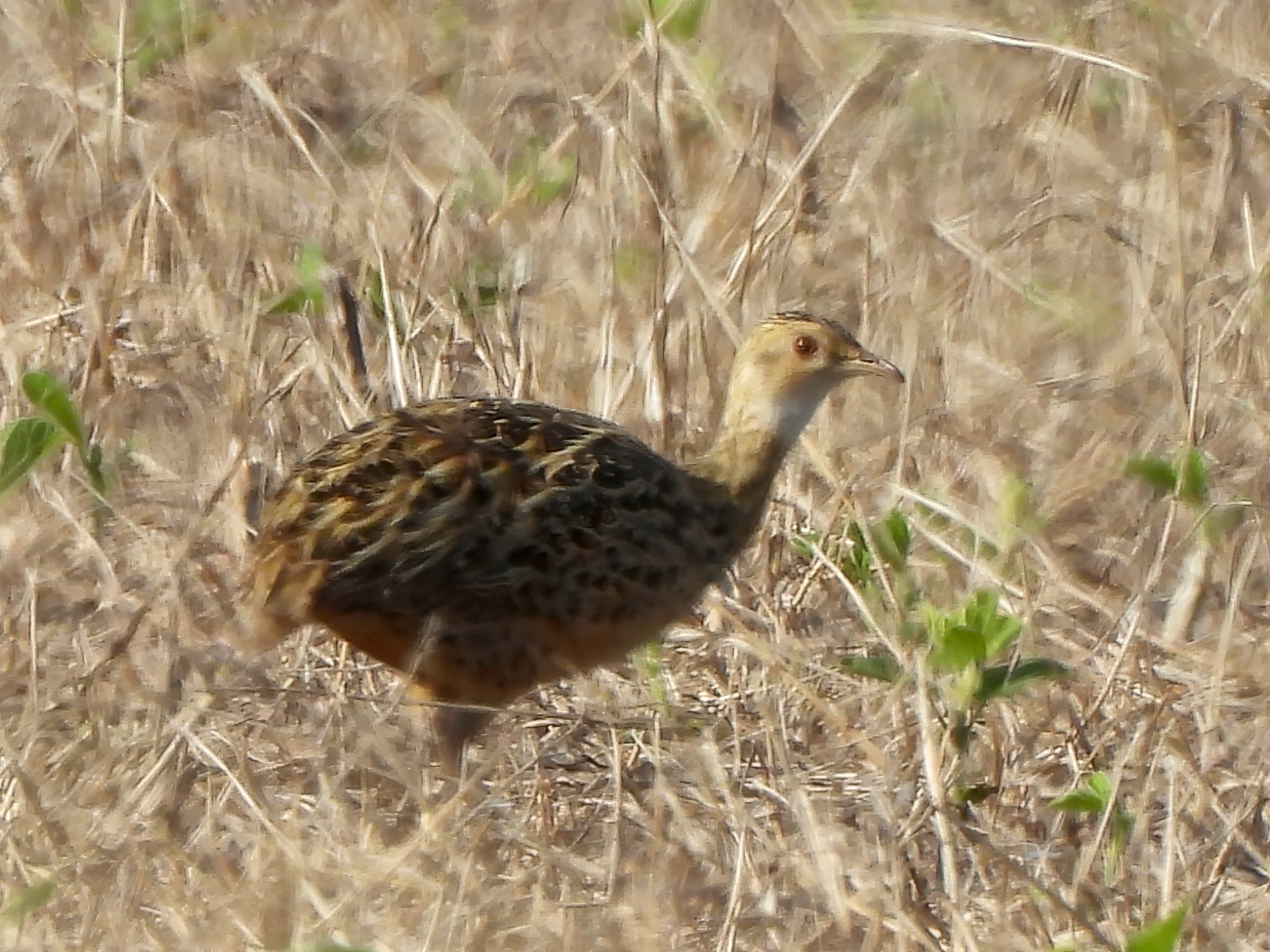
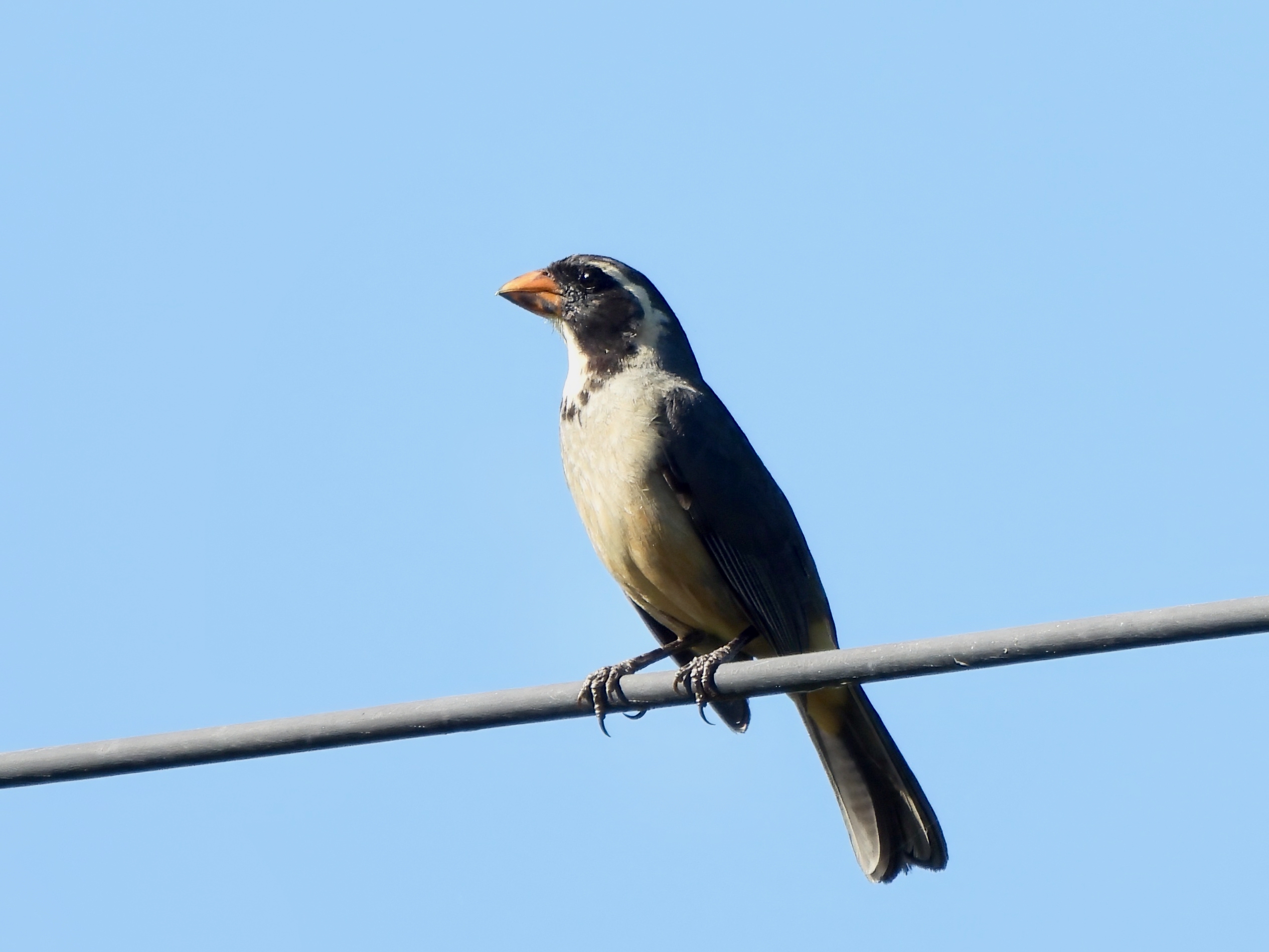
Our second day with Laura and Dani was fun, too, and I was thrilled to get life birds like the Dark-throated Seedeater, Spotted Nothura, and Golden-billed Saltator in the following gallery. Nothura is a genus of small tinamou, and this was my first sighting of one—and still my only Nothura.

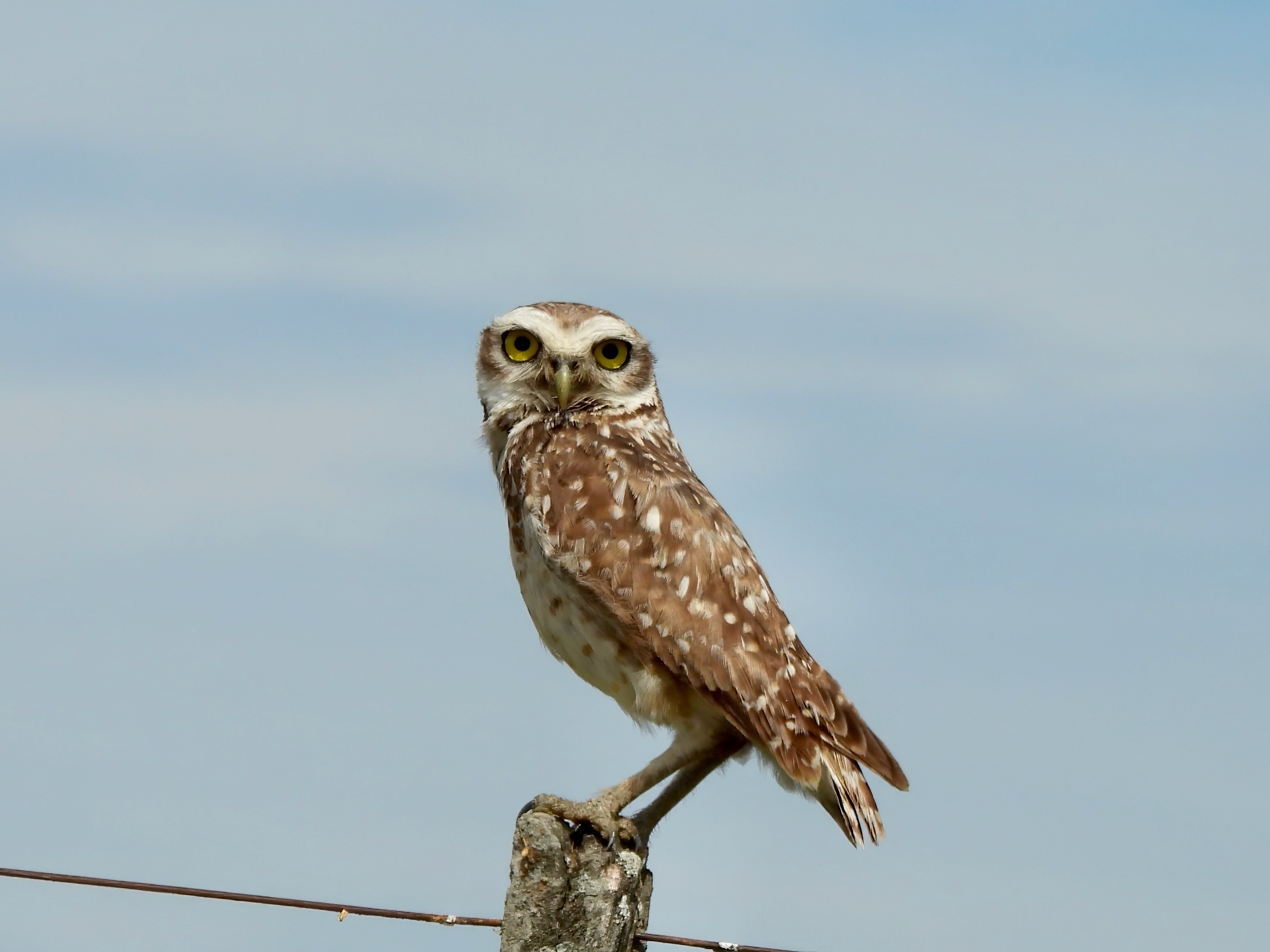
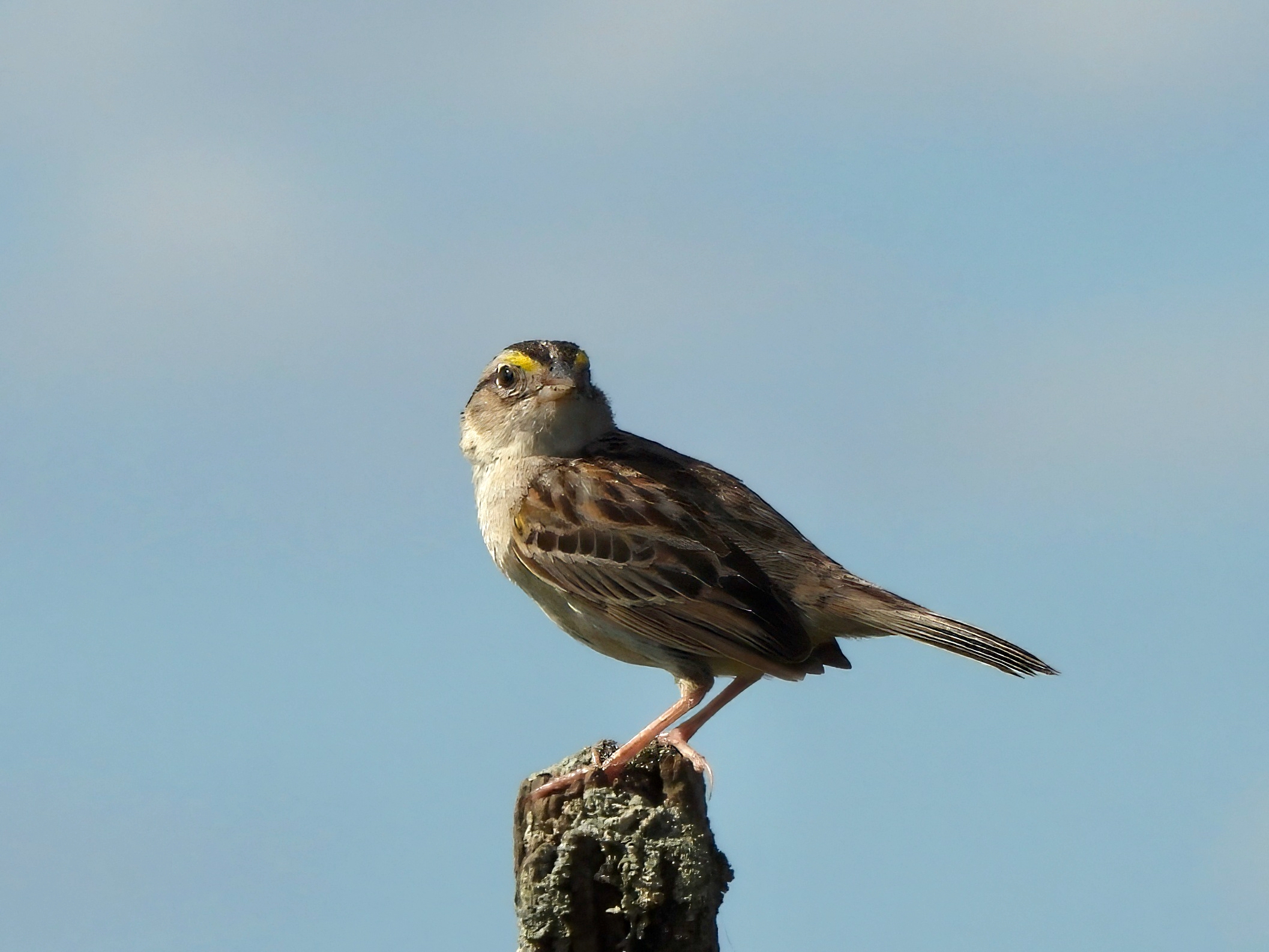
I’ve seen quite a few Burrowing Owls, but I never get tired of them. Firewood Gatherer was not a life bird either, but it was also nice to see. Perhaps I’m just fascinated with its name. And Grassland Sparrow has become one of my favorites. Like many birders, I have a soft spot for the Ammodramus sparrows, the genus that includes the familiar Grasshopper Sparrow of North America.

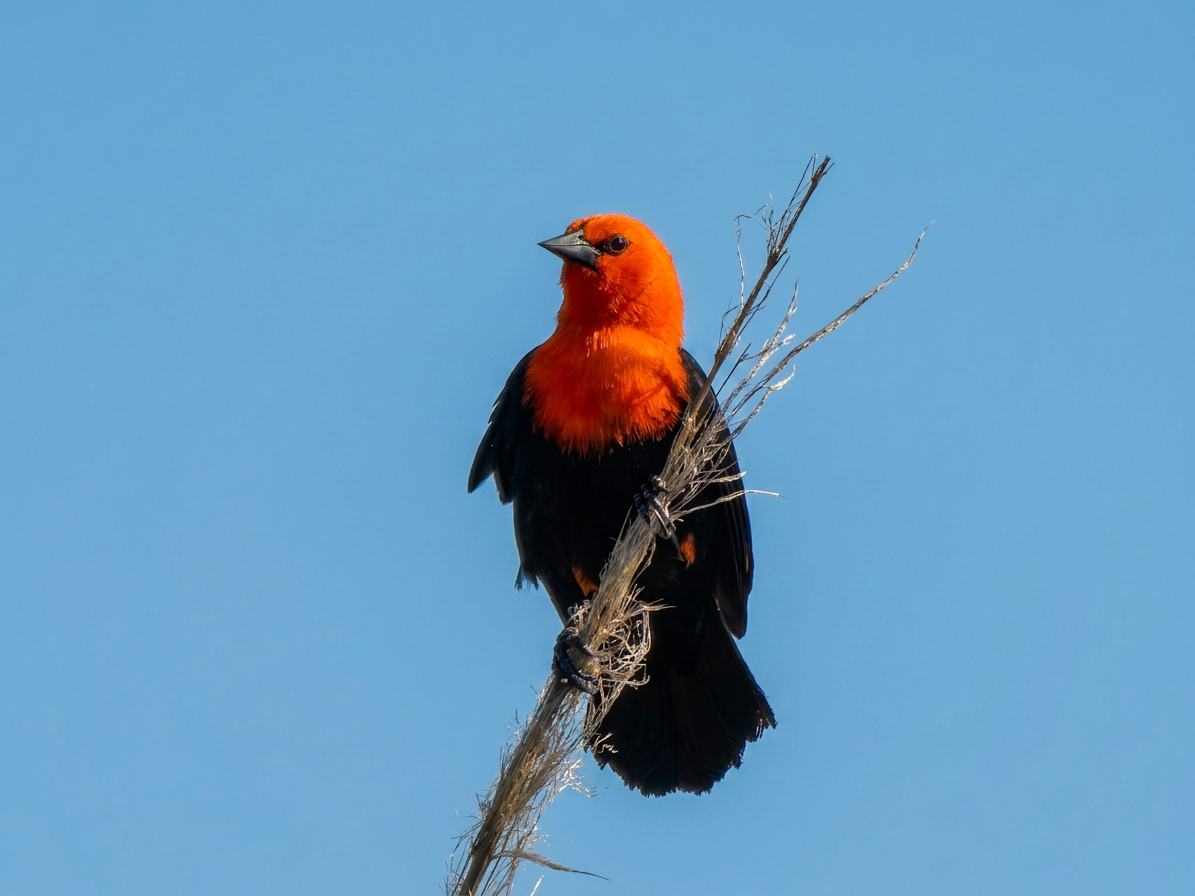
We didn’t have as much time on our third and final day with Laura, but I got a few life birds, with my favorite being the stunning Scarlet-headed Blackbird.

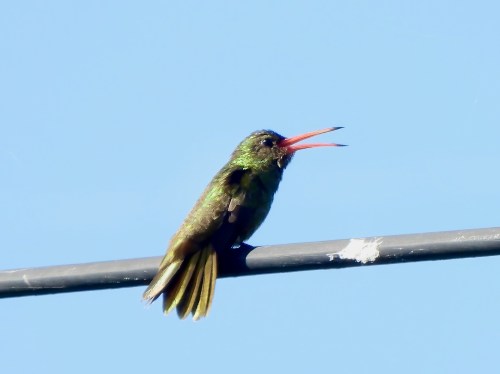
For the obligatory hummingbird in any post about birding in the Americas, I present this Gilded Hummingbird, soon to be known to eBirders as Gilded Sapphire when Cornell adopts the new AviList taxonomy.

Sadly, I didn’t get any photos of Laura or Dani or any landscape shots because we never stopped birding. It was a great introduction to Argentina, and I was thrilled to get 39 life birds in just a few short days. I frequently end posts by saying that I want to visit a country again. Well, this time it came quickly, but not exactly as Sandra and I had planned. Stay tuned as I share more adventures from our month in South America.

Read Full Post »