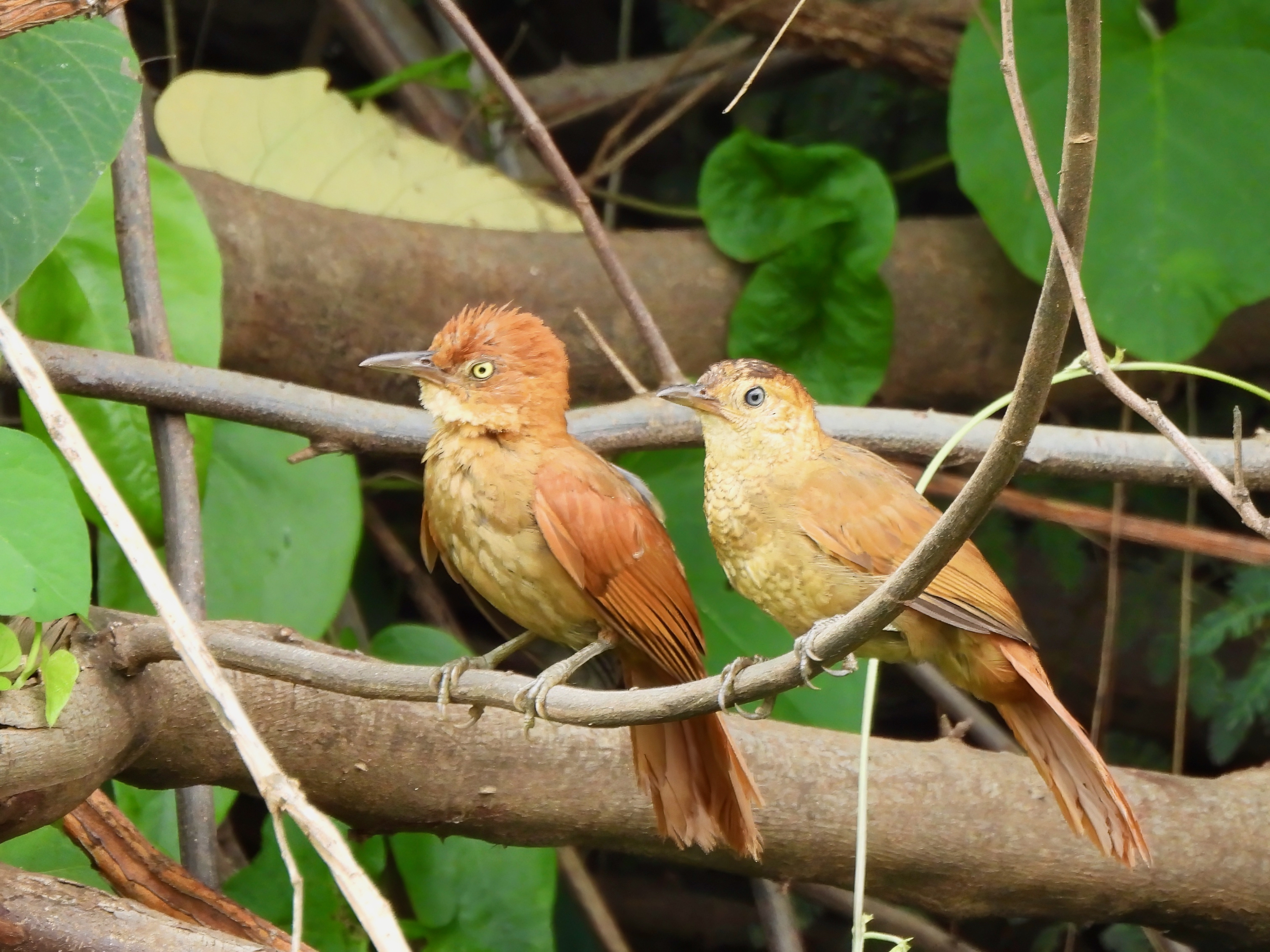
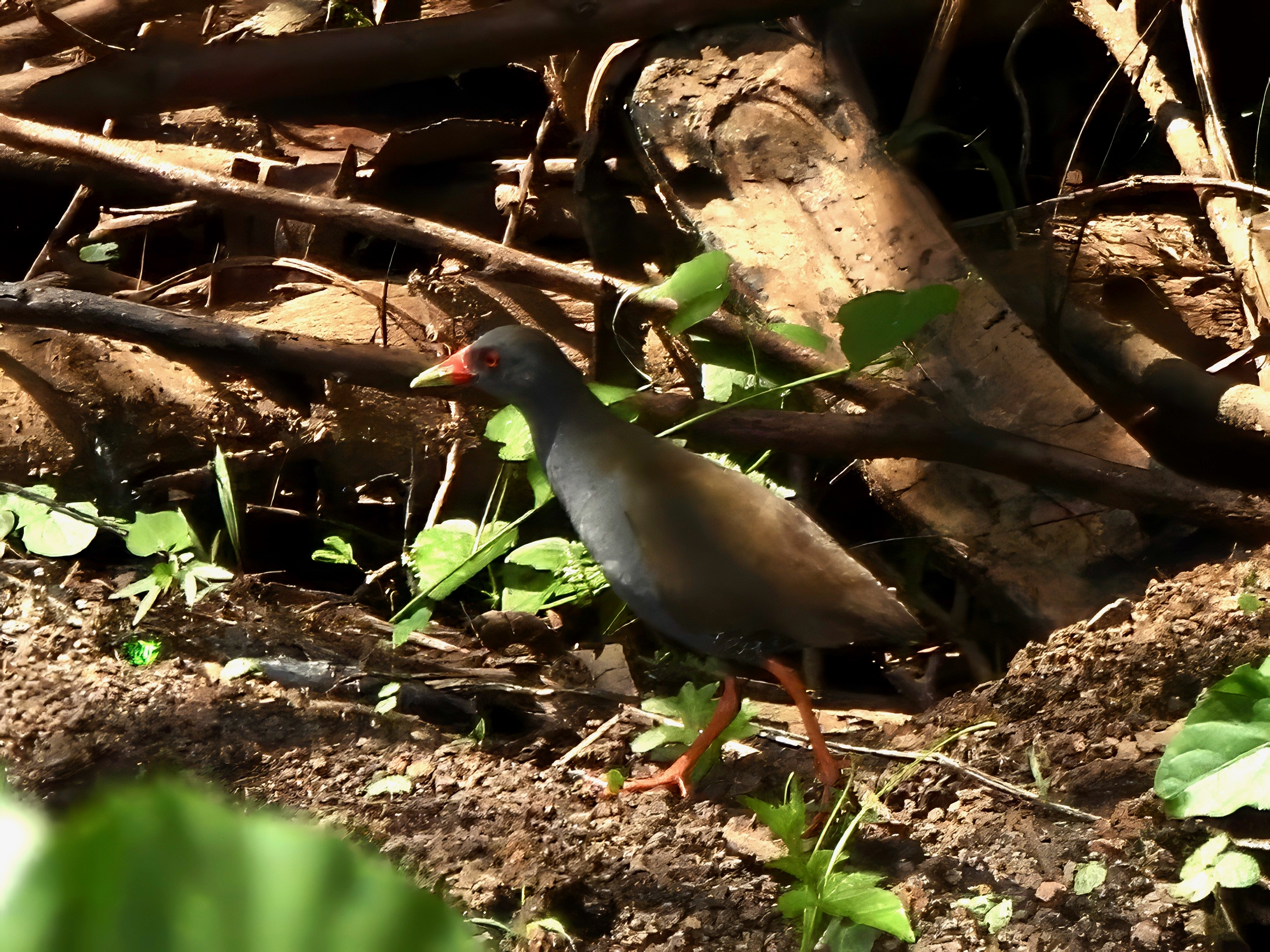
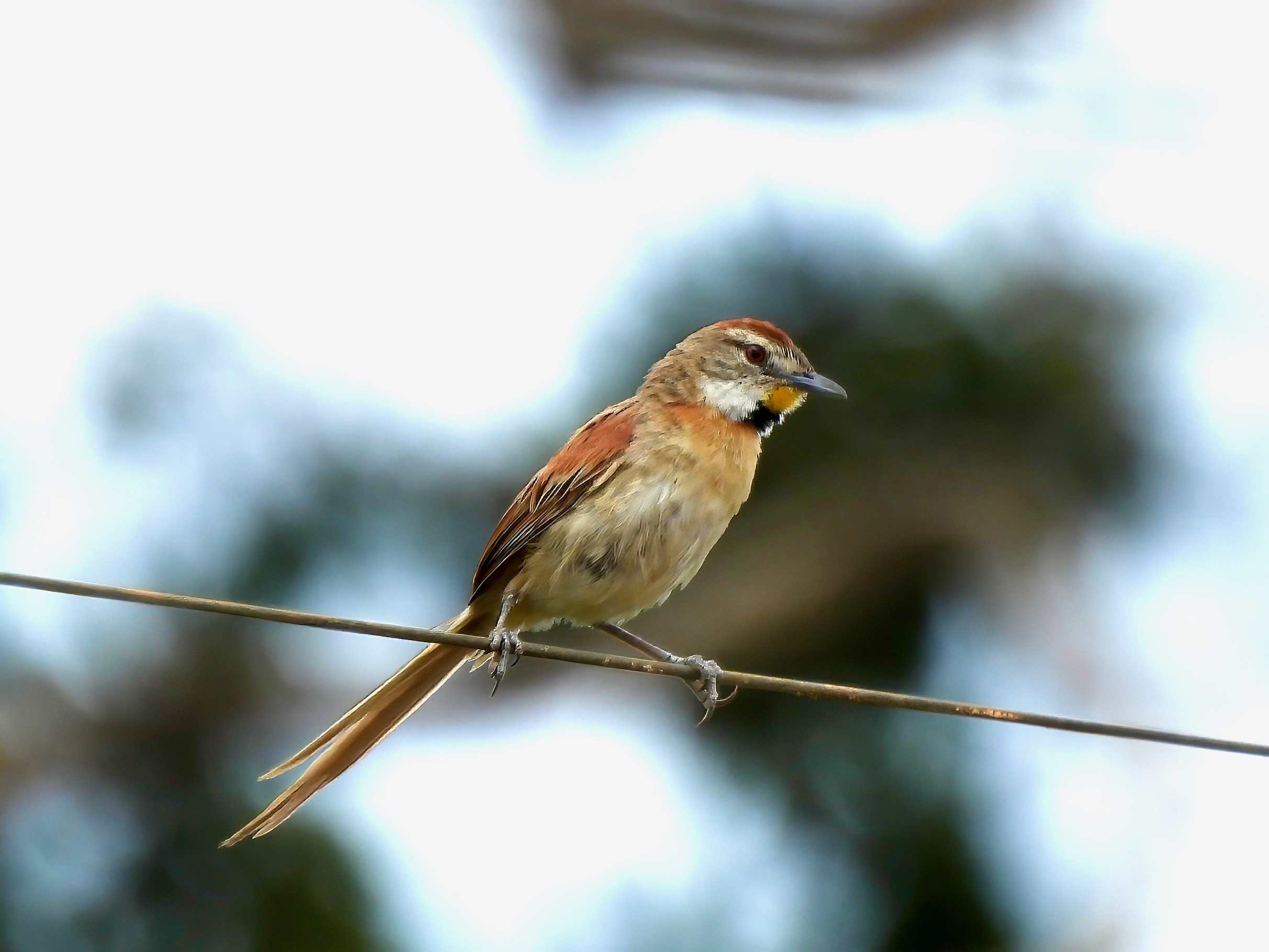
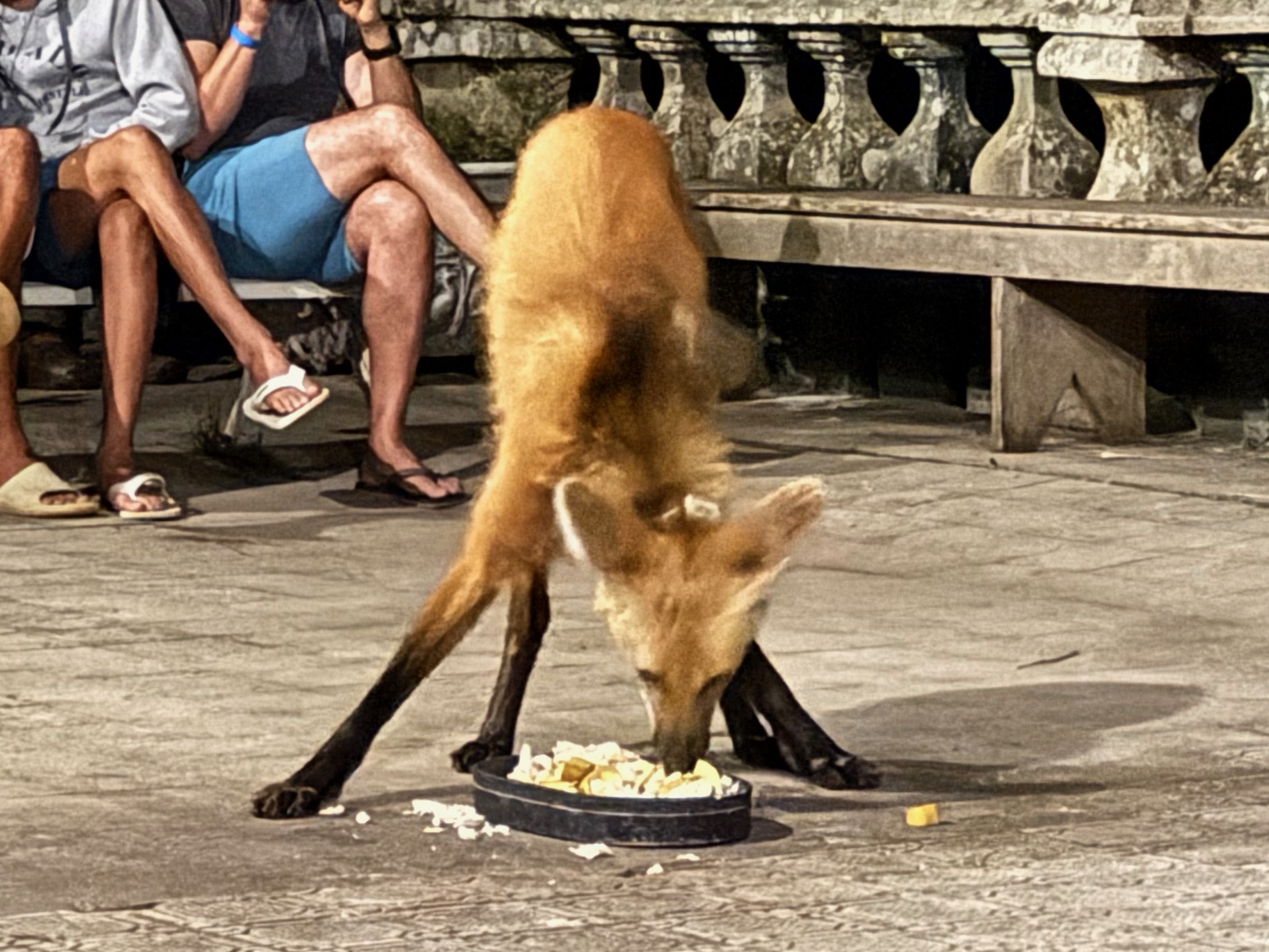
At Santuário do Caraça in 1982, Father Tobias, a resident priest, discovered that a Maned Wolf was responsible for nightly raids on the monastery’s garbage cans. To discourage the animal from scavenging, food was placed in a designated area. More than forty years later, the tradition continues. The sanctuary is relatively isolated, surrounded by a large protected reserve, and visitors can stay in the monastery’s guesthouse for a chance to see one of South America’s most iconic mammals.
The wolves are closely monitored by researchers, and many of the animals visiting the monastery wear GPS radio collars. The monitoring program tracks their movements, health, and behavior. Studies have shown that the wolves continue to range widely, hunt naturally, and maintain normal wild behavior despite their nightly visits.
I was excited when I saw Santuário do Caraça on our itinerary because seeing a Maned Wolf was one of the experiences I most wanted in Brazil, second only to seeing birds.
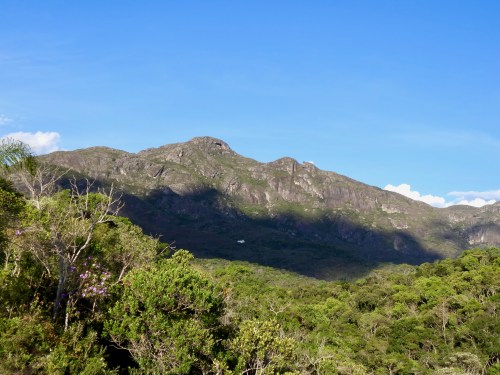
Santuário do Caraça lies in a transition zone where Atlantic Forest, Cerrado savanna, and Campos Rupestres (rocky fields) overlap, creating an exceptionally diverse mix of habitats. This convergence of ecosystems supports a remarkable variety of plants and animals. More than 400 bird species have been reported, making Caraça one of the premier birding destinations in southeastern Brazil.
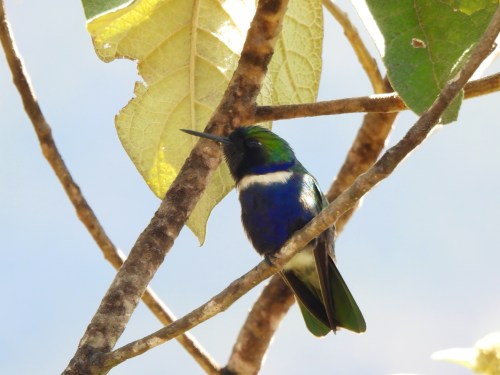
The wolves are wild animals and do not visit the sanctuary every night. None appeared on our first night, November 24. The following day, we enjoyed excellent birding on the trails around the sanctuary. This Hyacinth Visorbearer, a life bird for both Sandra and me, was a highlight.
Sandra was also thrilled to get her lifer Gilt-edged Tanager here, a stunning species that I had been fortunate to see in 2024 at Ecolodge Itororó.
A Hangnest Tody-Tyrant, a tiny flycatcher endemic to Brazil, was another lifer for me. I initially thought the name was odd, but it’s actually quite descriptive. These birds build hanging nests suspended from horizontal branches above streams.
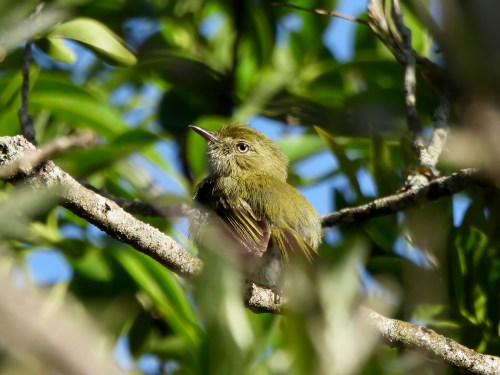
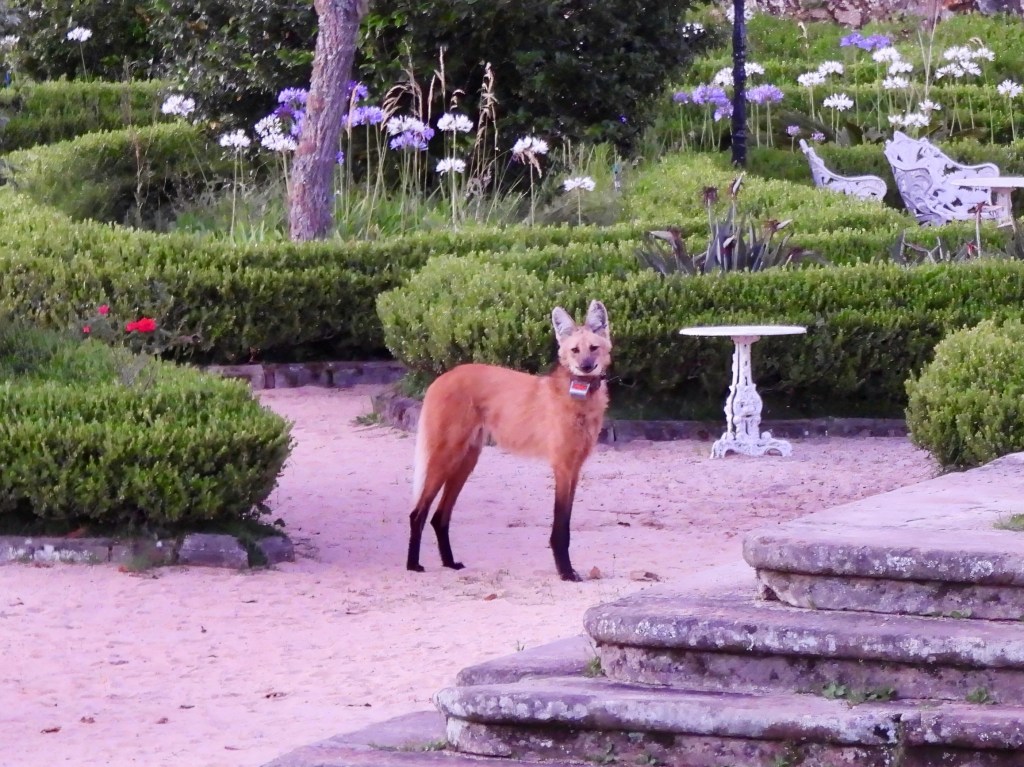
Late that afternoon, Sandra and I were in our room when she was looking out the window and excitedly called me over. There, in the grassy area near the parked cars, lay a Maned Wolf. We were surprised and thrilled. The photo below was taken a little later, after she got up and spent some time standing at the base of the steps leading up to the terrace, where a crowd of hopeful visitors waited and watched.
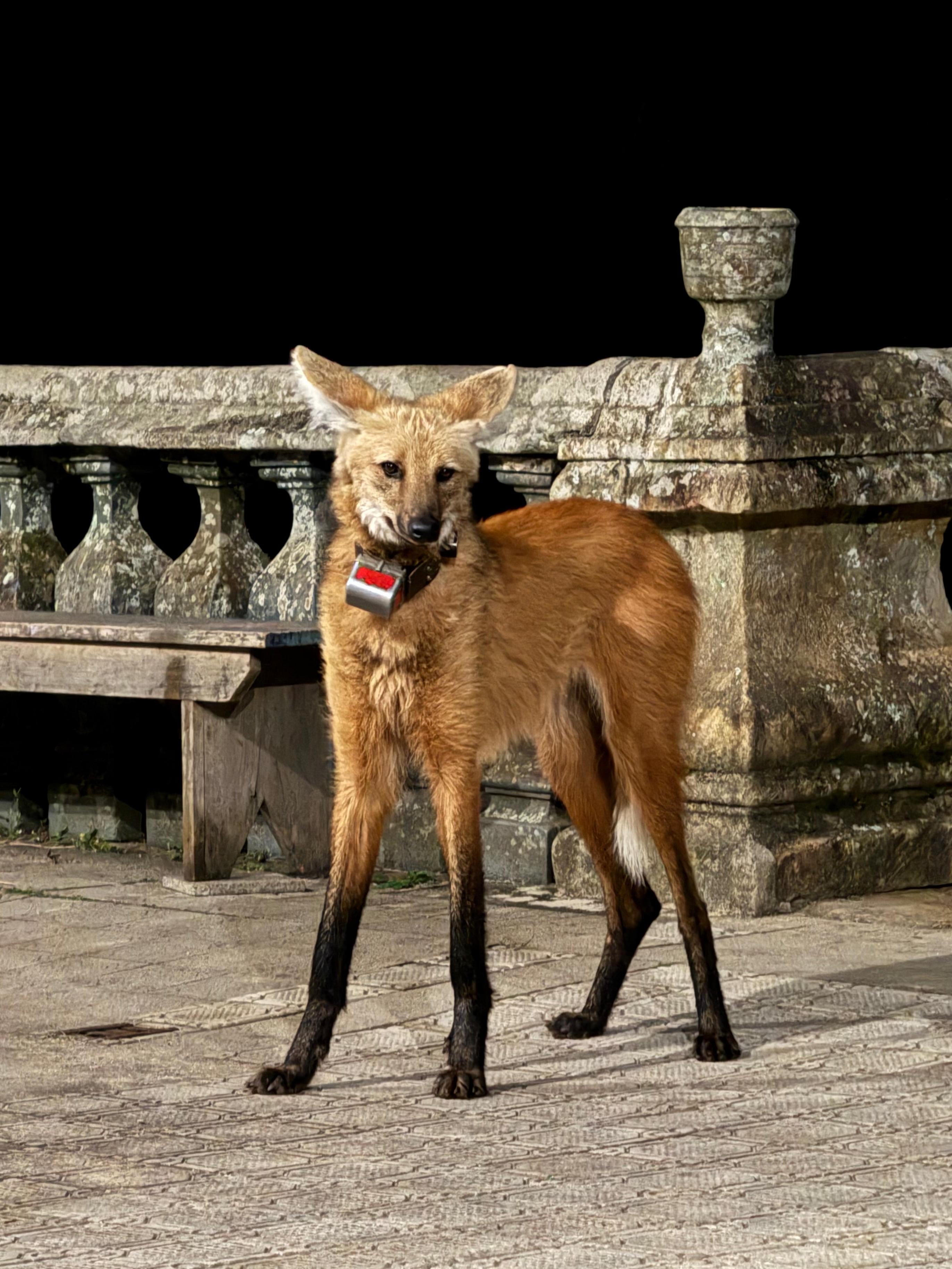
At 7:30 PM, food is set out for the wolves, and a sanctuary staff member gives a talk about the animals and the viewing rules: be still and quiet, no flash photography. A short time later, just after dark, the wolf cautiously made her way up the steps and nervously began eating. Even while feeding, she remained alert, frequently pausing to scan her surroundings. Although she may have been uneasy about the 15 to 20 people watching her, Maned Wolves are naturally wary. As solitary animals, they are constantly alert for predators and competitors.
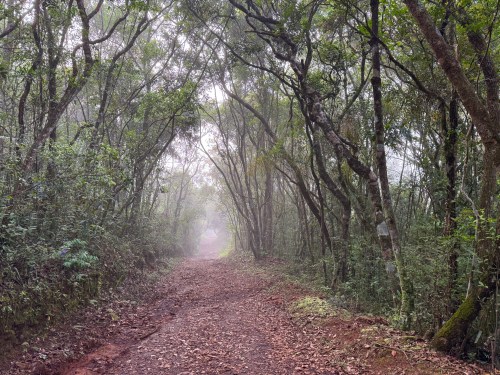
The next morning, we were out early for our final bird walk at the sanctuary.
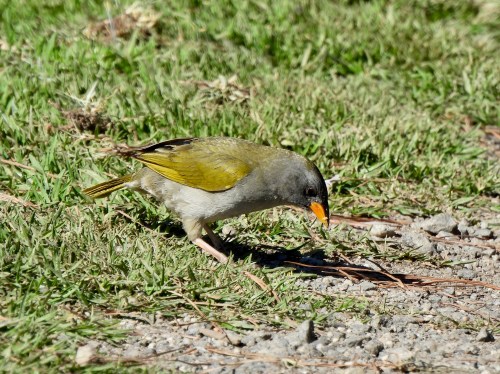
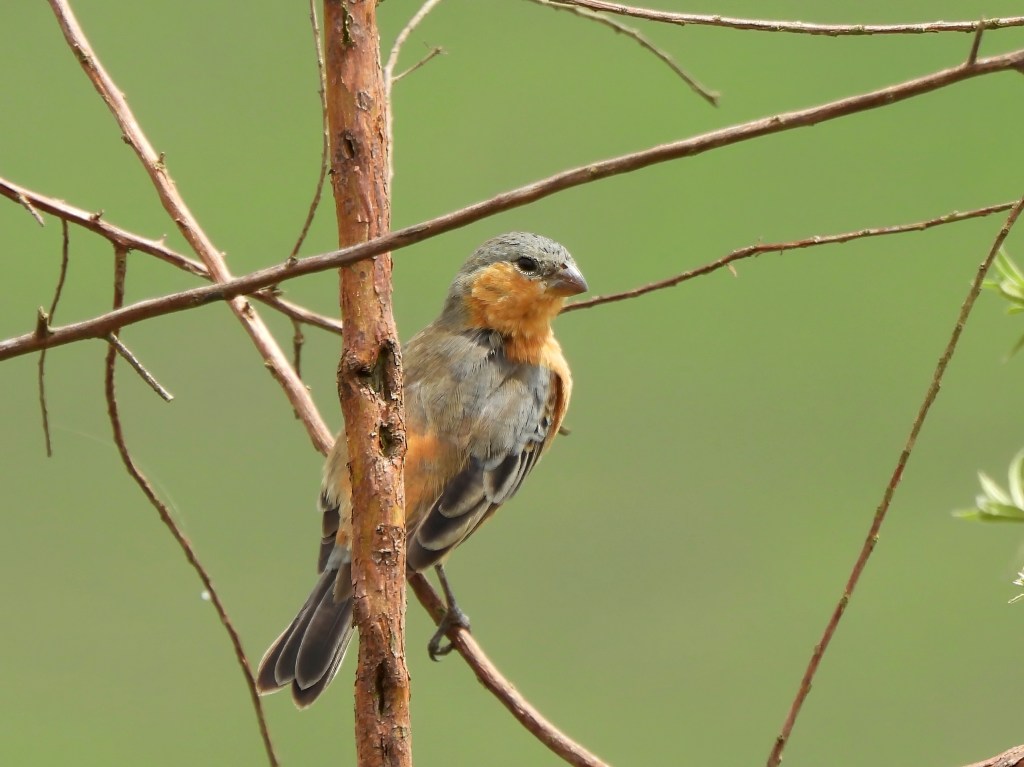
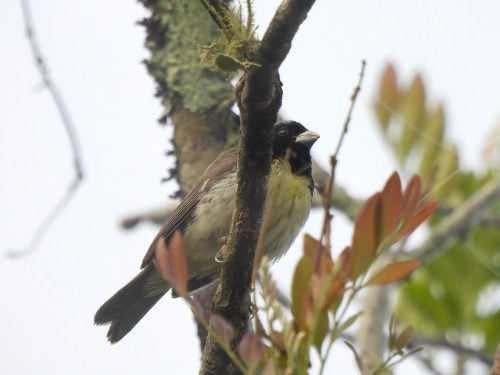
One of the highlights was Dubois’s Seedeater, another life bird for both Sandra and me.
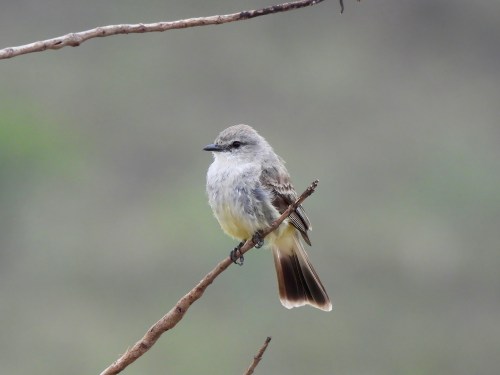
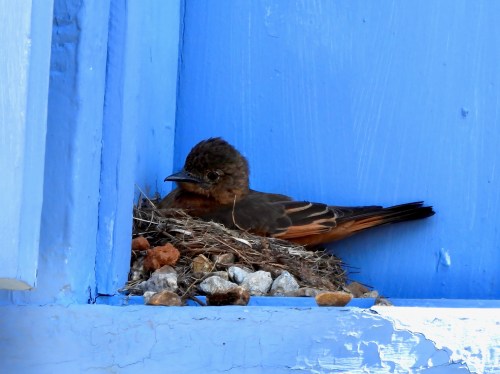
However, one of our favorite birds was not a lifer, but this sweet Cliff Flycatcher that was nesting on a windowsill of the building where our rooms were located.
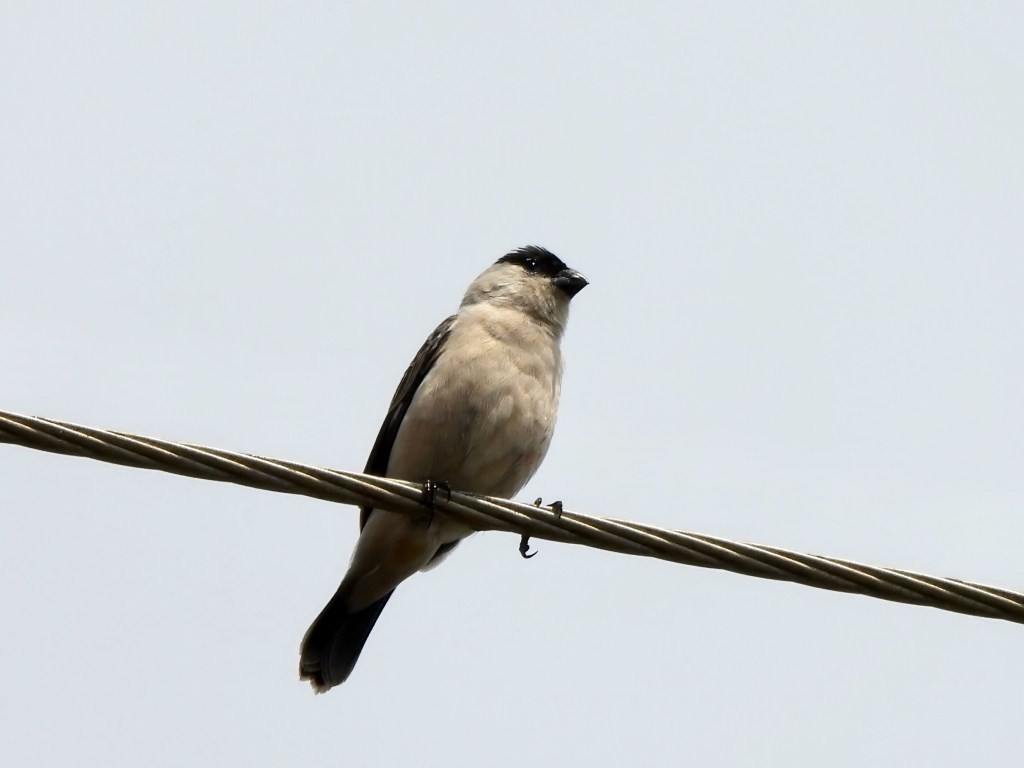
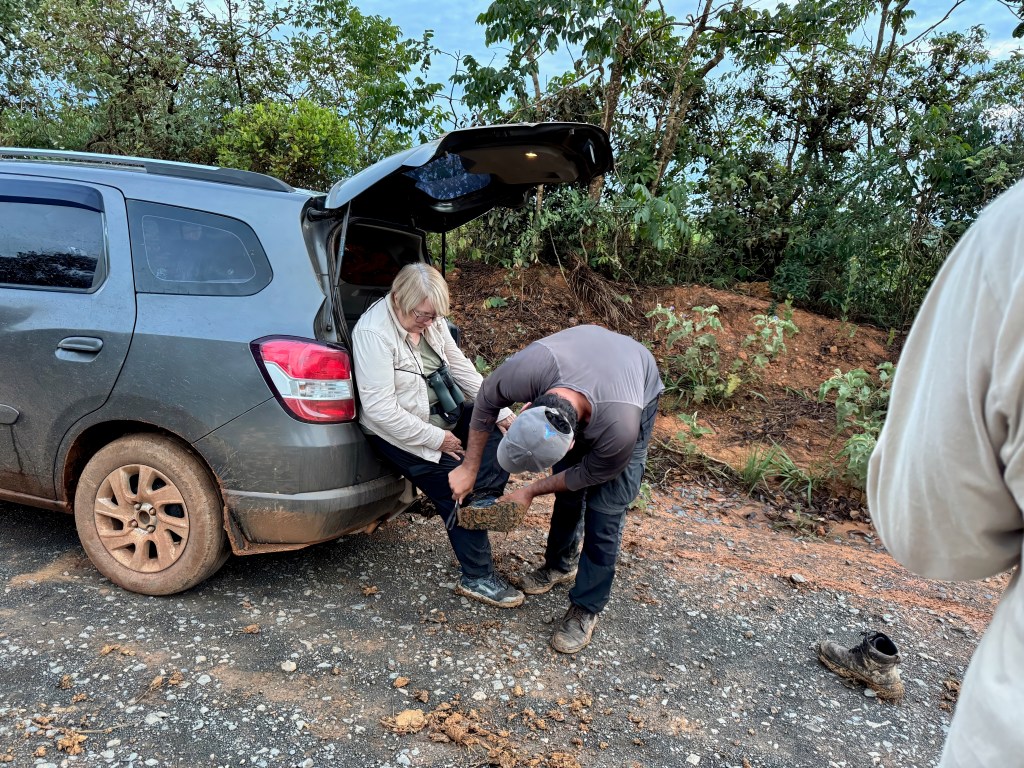
After a late breakfast, we left the sanctuary and headed towards Serra da Canastra. It was a long driving day, and by 2:00 PM, we still had not had lunch when we stopped for a potty break. We went into the little restaurant, and I asked Cirilo why we didn’t eat lunch there. He replied that he thought we would want something nicer. My response was that it was good enough, and look at that view. We filled out plates with what Cirilo described as “honest” food (not bad with a few basic choices) and sat by the table with the view. I hadn’t even realized until then that there were a couple of bird feeders set up. It wasn’t long until a Pileated Finch appeared, and I had another life bird. What started as an unplanned stop for a quick break turned into one of my favorite memories of the trip.
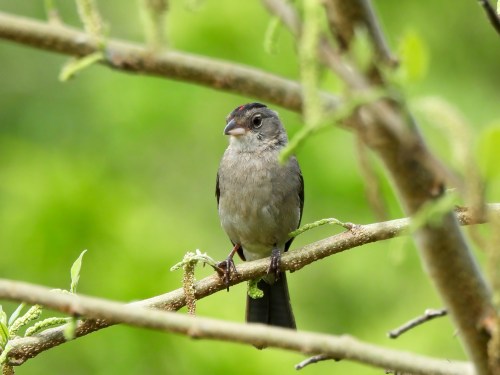
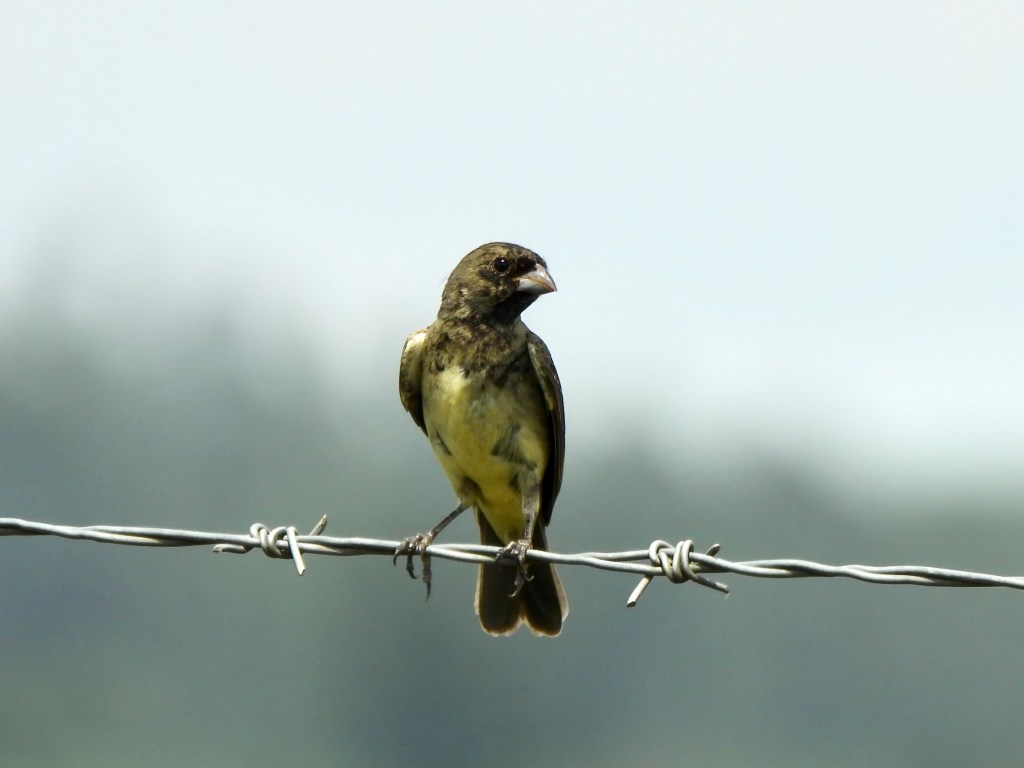
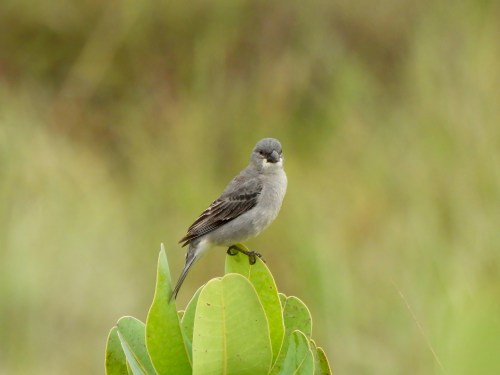
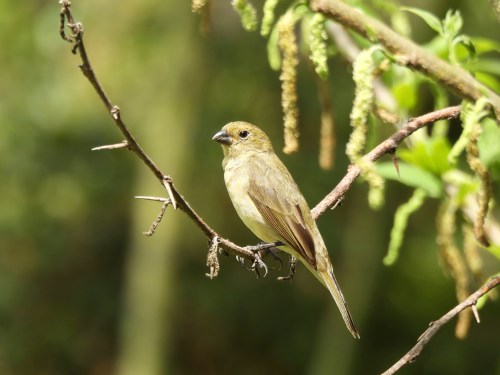
We also saw this female seedeater at the little restaurant, but we were unable to identify the species. Female seedeaters can be notoriously difficult to identify, and many look so similar that they cannot be identified with confidence.
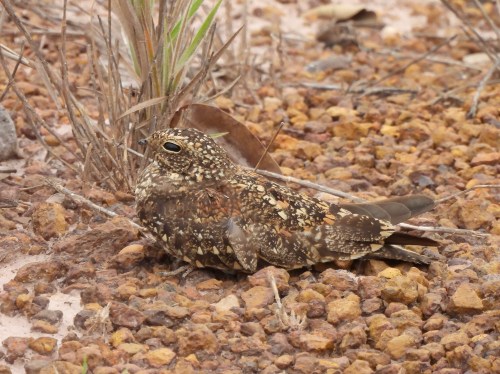
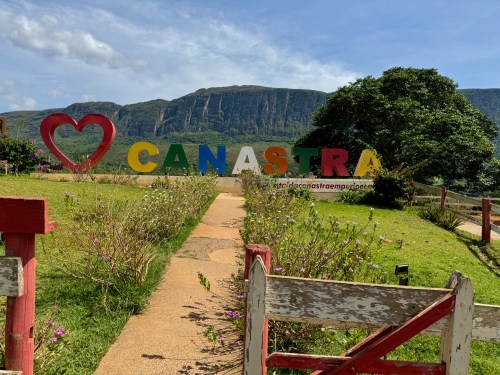
We arrived at Serra da Canastra later that evening, where we would spend two full days birding, November 27-28, the final destination of our Brazil trip. Our primary target was Brazilian Merganser, one of the rarest and most threatened waterfowl species in the world. The total population is believed to be fewer than 250 individuals, and Serra da Canastra is one of the species’ strongholds and among the best places to search for it.
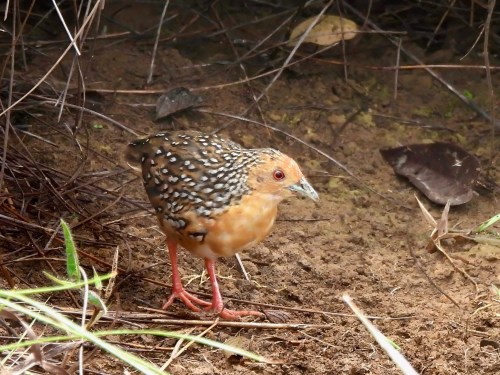
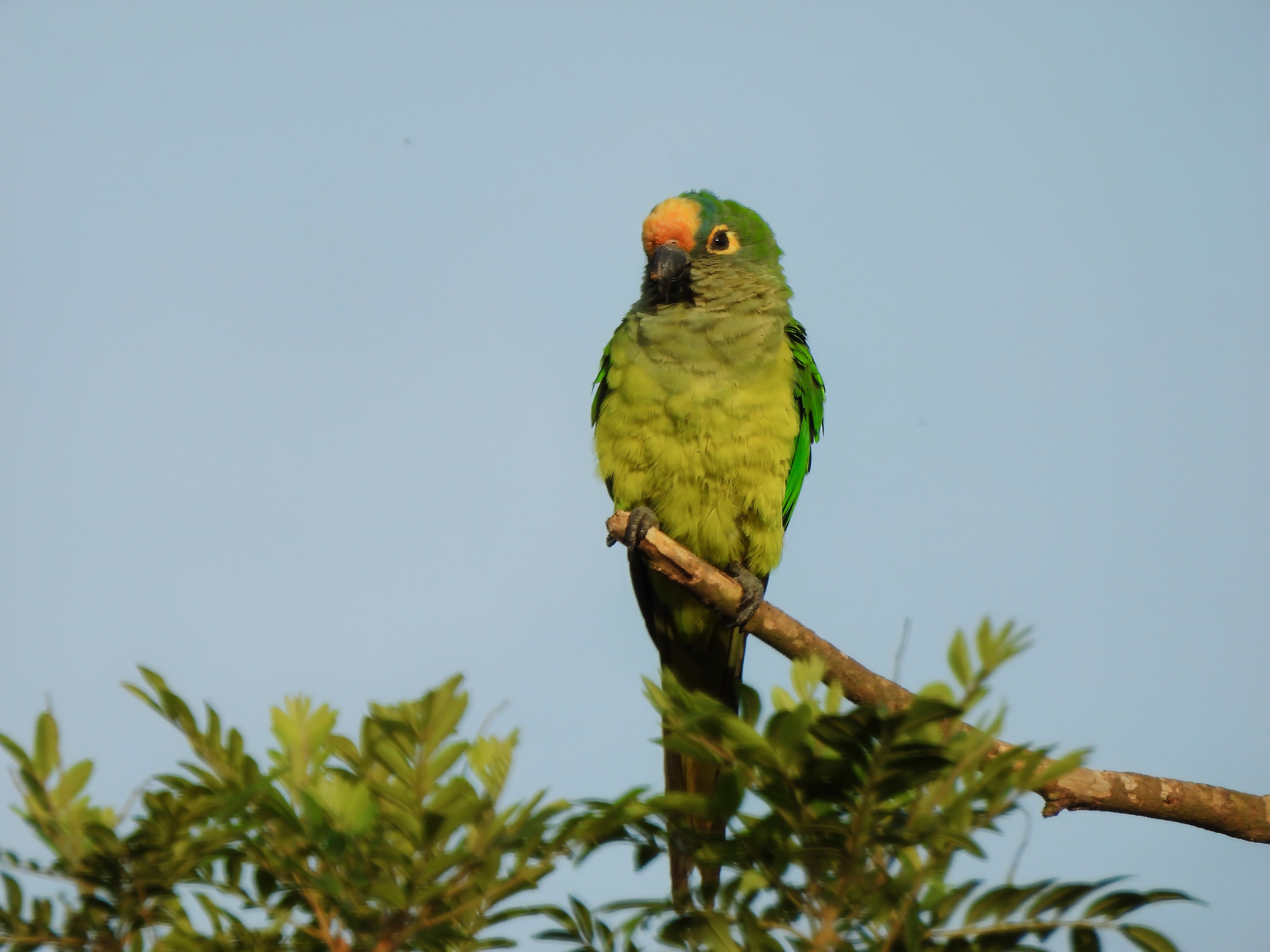
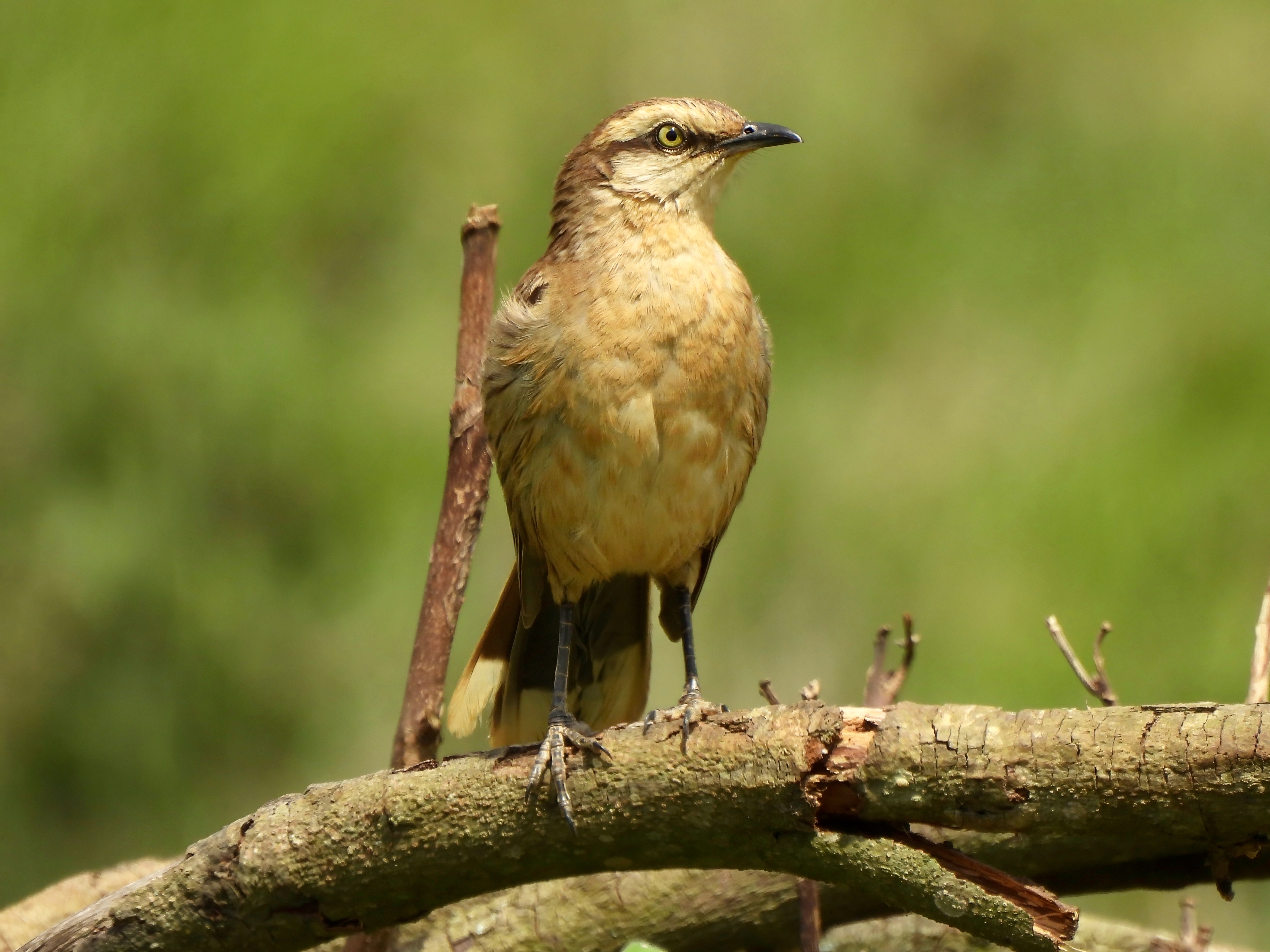
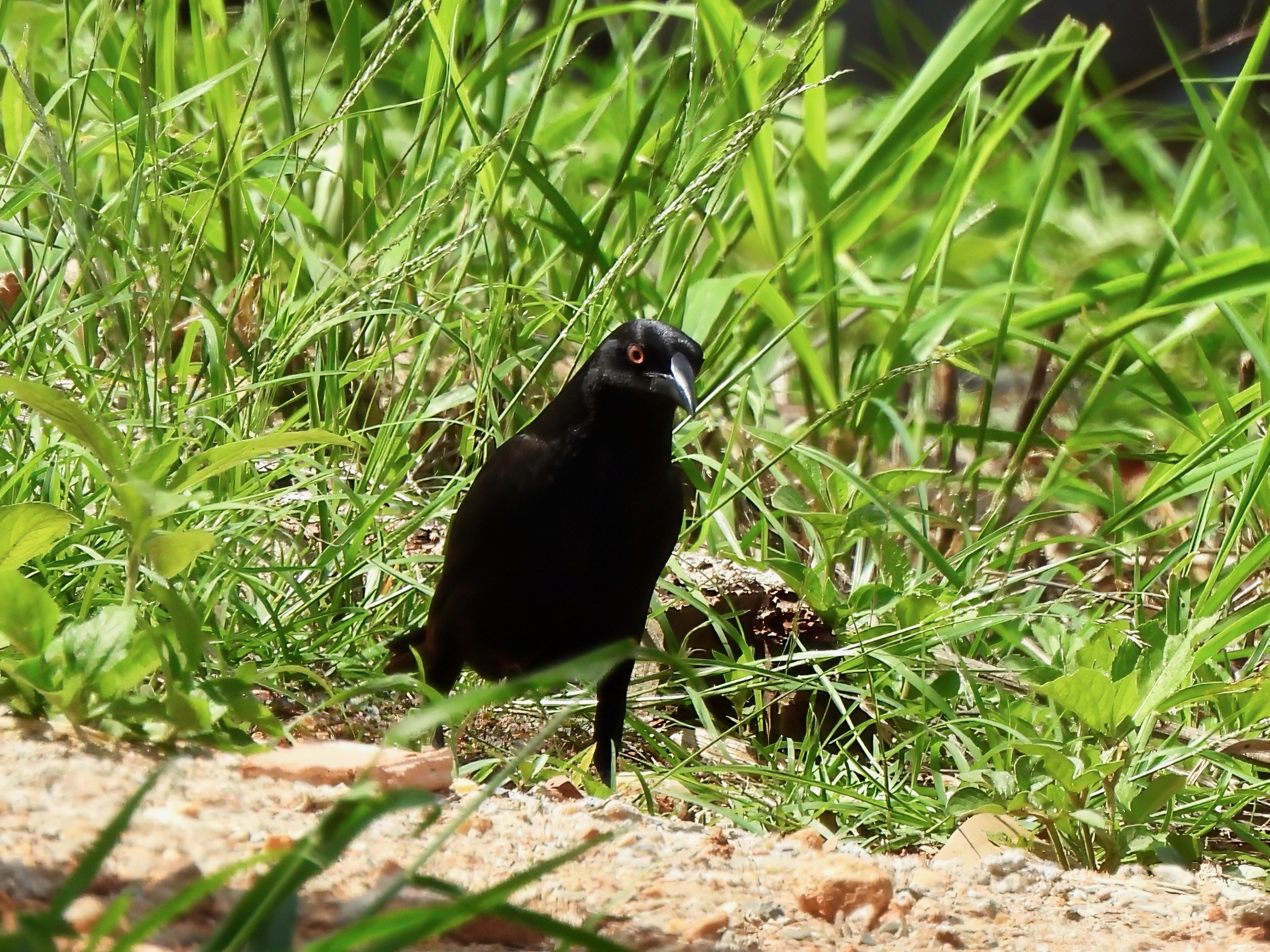
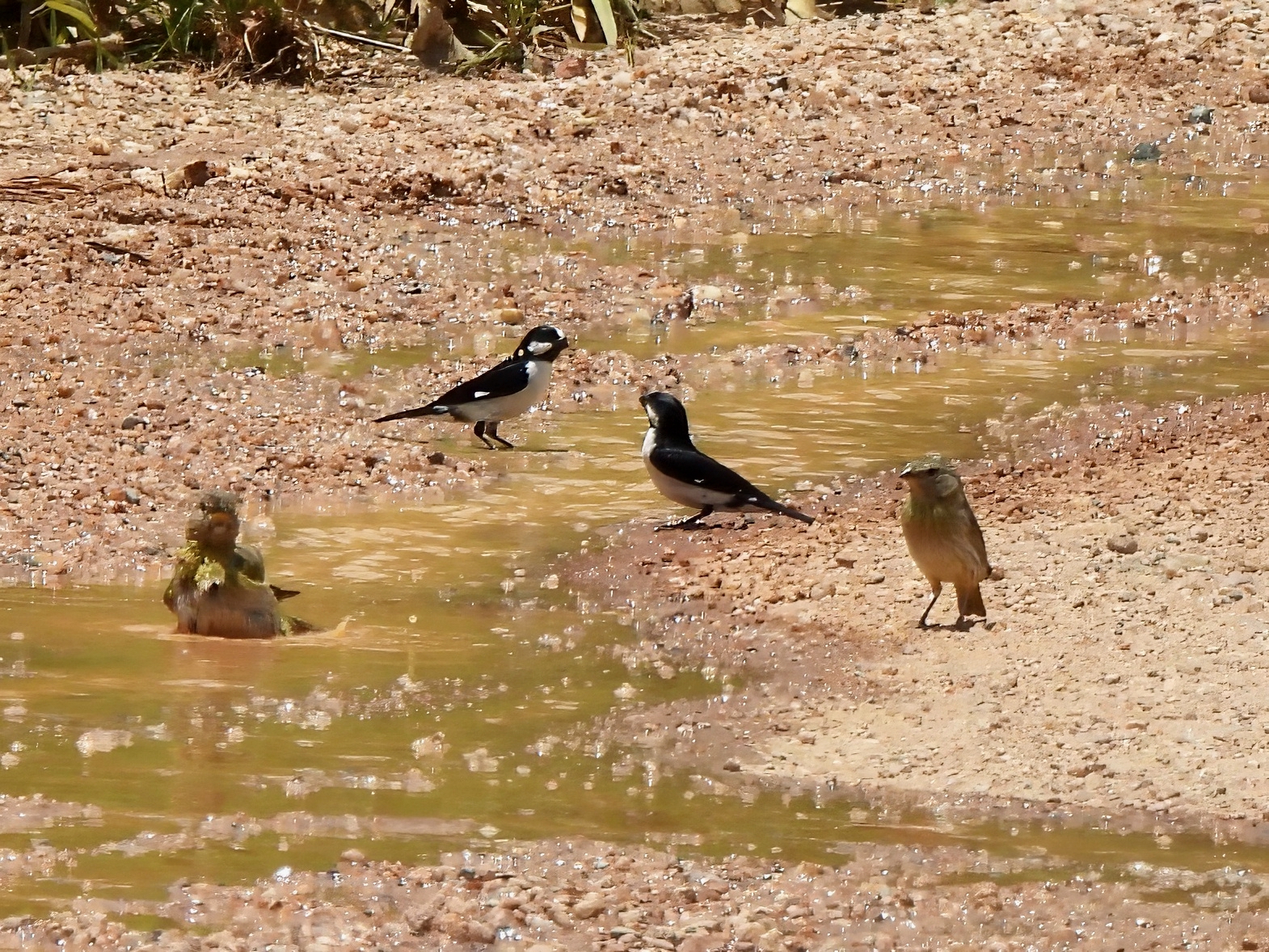
We spent much of our first day searching the rivers for Brazilian Merganser, but had no luck. Even so, we saw quite a few other birds, including those in the following gallery: Peach-fronted Parakeet, Chalk-browed Mockingbird, Giant Cowbird, and Lined Seedeater.
Early the next day, we enjoyed wonderful views of Cock-tailed Tyrant, another major target at Serra da Canastra, and one of Sandra’s most wanted birds. Adult males possess a comical, oversized, and uniquely twisted tail that they hold perpendicular to their bodies. Their unusual tail and bouncy display flights have earned them the local nickname “Galito.” Sandra described these vulnerable little flycatchers as “a clown of a bird,” and it was easy to see why. However, my favorite nickname might be one bestowed by a non-birding friend after I shared a photo on Facebook. She declared that she loved my “Cocktail Tyrant.”
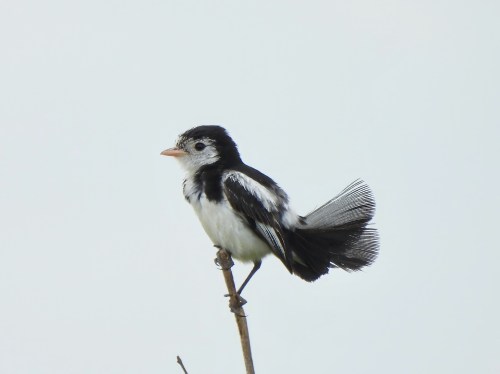
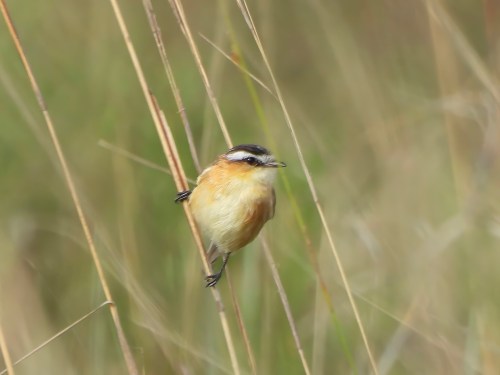
Another vulnerable tyrant flycatcher that I found especially appealing was the Sharp-tailed Tyrant.
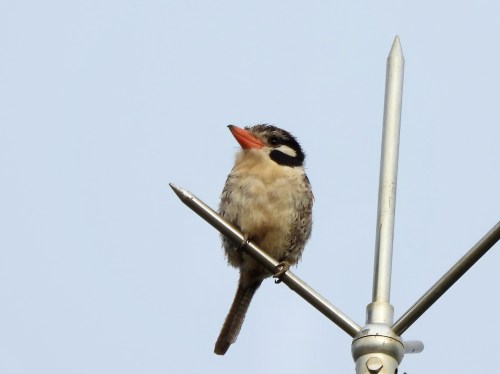
We also saw the adorable White-eared Puffbird. Although Sandra and I had both seen the species before, it’s one of those birds that never loses its charm.
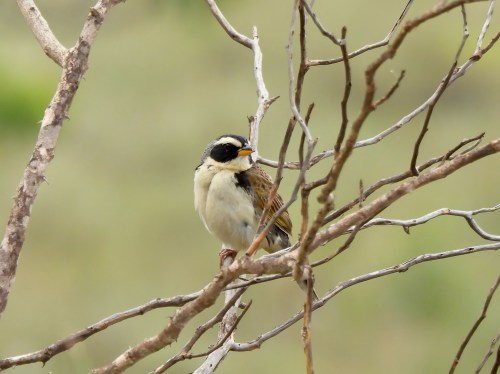
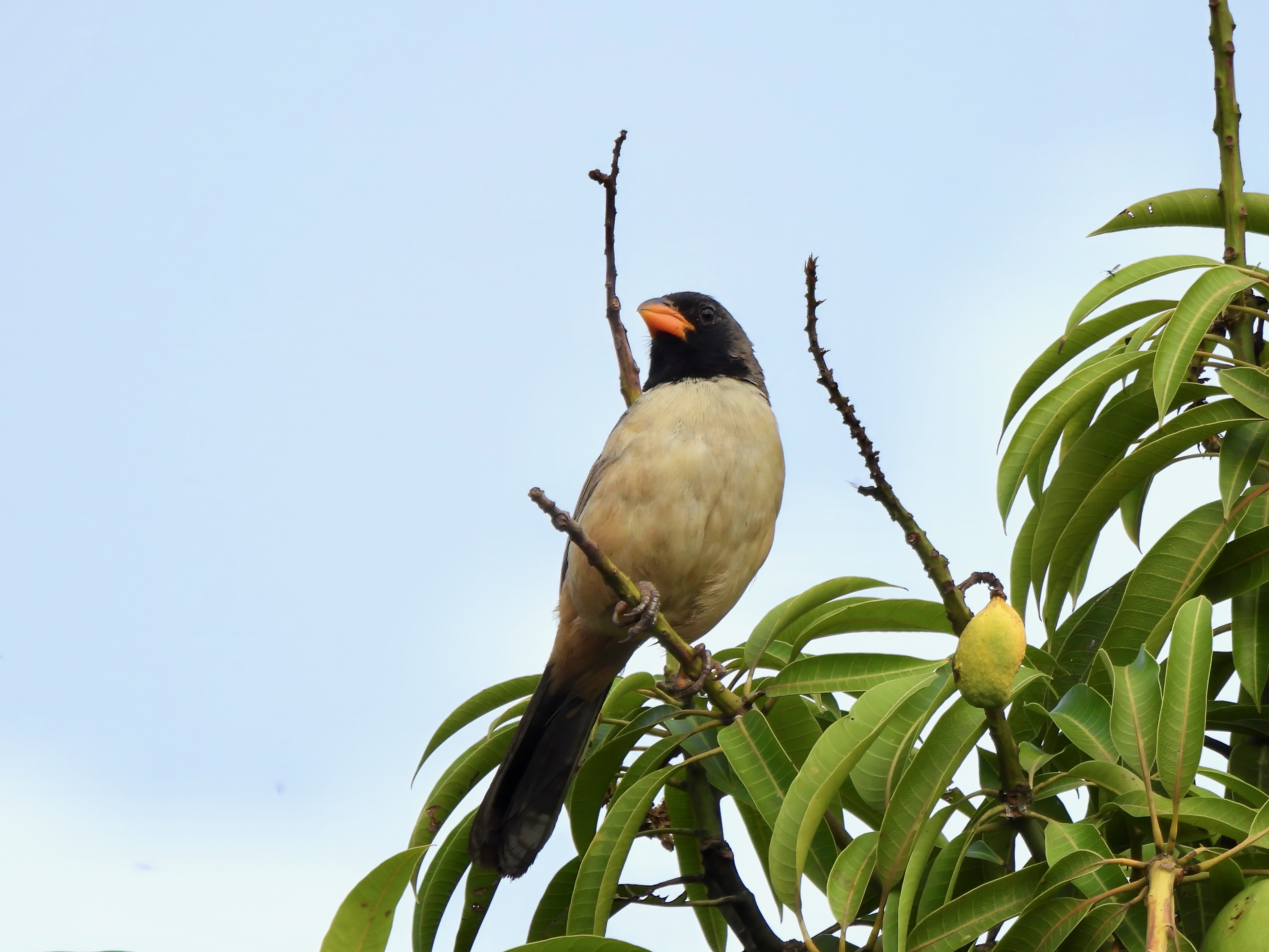
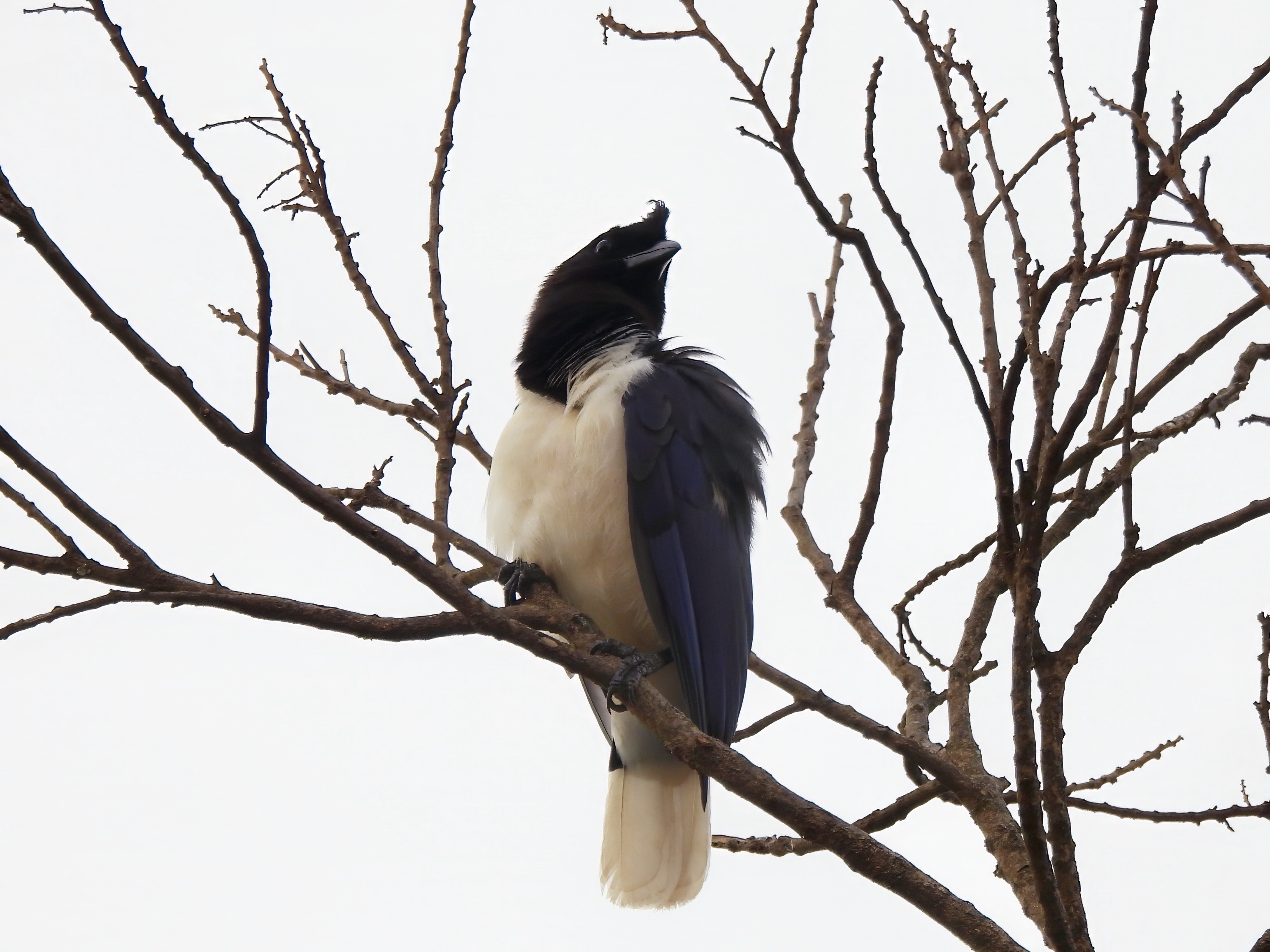
Other birds photographed on our second day included Black-throated Saltator and Curl-crested Jay.
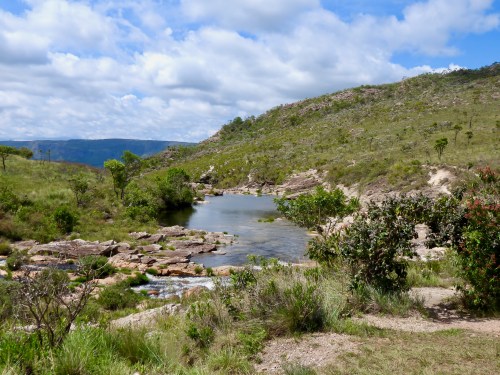
Once again, we spent much of the day searching the rivers for Brazilian Merganser. Near the end of the afternoon, our local guide decided to return to a spot we had already visited earlier. It was a 17-mile drive each way on very rough roads. As we scanned the river, our guide suddenly became excited and announced that he had found a merganser. He was looking far upstream, and neither Sandra nor I could see it. I pointed my camera in that direction and clicked the shutter. Sandra did not see the bird at all, and I can count it only because I got the terrible photo below. After spending two days searching for one of the world’s rarest ducks, this was a huge disappointment for both of us.
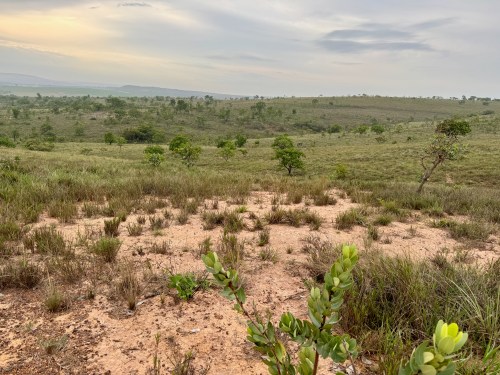
Below, the lovely spot where we “saw” the Brazilian Merganser.
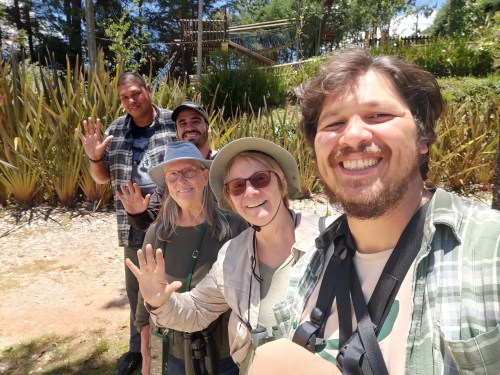
Although it was sad to end the trip on such a disappointing note, it had been an amazing adventure. Cirilo and Paulo took excellent care of us and were fun companions throughout the journey. Sandra and I both added many life birds–71 for Sandra and 92 for me. We had explored new parts of Brazil, met wonderful people, and created memories that will last a lifetime. Brazil is a country I’ve come to love and hope to visit again.