Sandra and I had a wonderful plan for the next phase of our South America adventure. We would fly from Montevideo to Posadas, a small city in the northeast corner of Argentina and the northern gateway to Iberá National Park. We would rent a car and drive south to Carlos Pellegrini, spend two nights there, and Sandra would get her lifer Strange-tailed Tyrant.
After our last day of birding in Uruguay on December 6, we checked our emails so we could check into our flights the following day. The screenshot below is from the message sent by Aerolineas Argentinas.
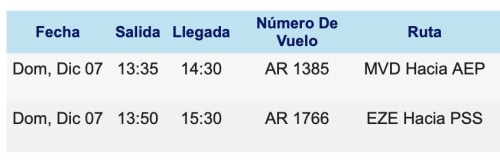
Confused? So were we. AEP and EZE are the two Buenos Aires airports, about an hour apart. Our flights had been changed. Now our flight from Montevideo was scheduled to arrive at AEP at 2:30 PM, and the flight to Posadas would leave from EZE at 1:50 PM. We spent some time trying to resolve these impossible flights before giving up and going to bed. The next morning, we couldn’t find a way to get to Posadas, so we extended our stay at our hotel another night and spent the day exploring other options. We had several days to fill before we were scheduled to fly to Santiago on December 11 for the last leg of our trip.
We pored over maps of South America and settled on Córdoba, Argentina. Sandra reached out to two people for help: the guide she had used several weeks earlier in Argentina, and the local guide on the Rockjumper Argentina trip she had finished just before my arrival. Between the two of them, we soon had a plan—and a guide of our own, Martin Toledo.
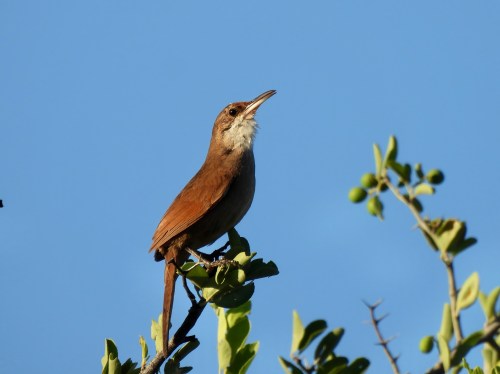
On Monday, December 8, we flew to Córdoba, where Martin met us. He told us his phone had been “blowing up” the previous day as both of Sandra’s contacts reached out to him about us. Martin wasted no time, and we were birding by 4:00 PM. He quickly found the Scimitar-billed Woodcreeper shown below, a new bird for me.

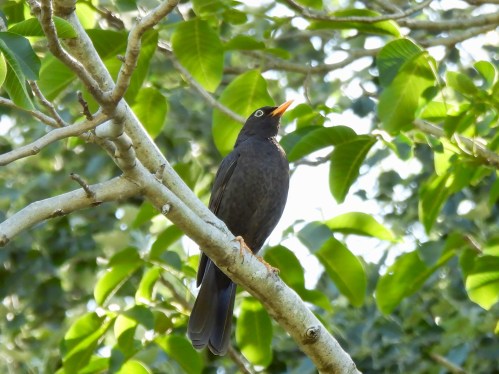
Chiguanco Thrush was another addition to my life list.
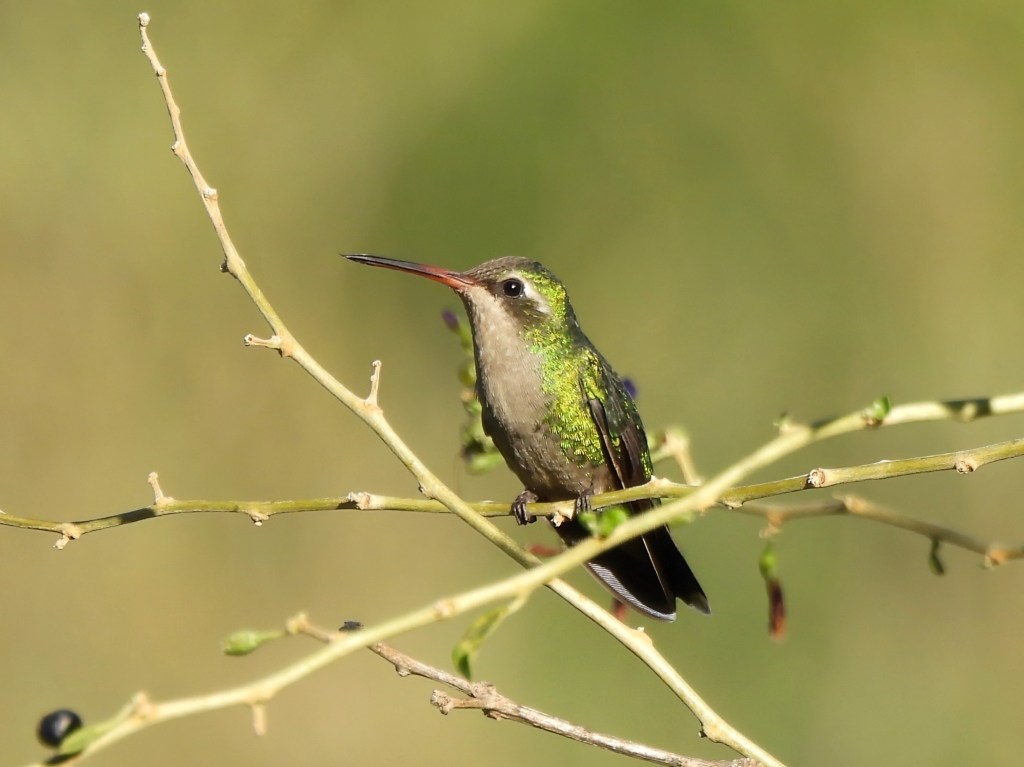
Two hummingbirds soon followed, Red-tailed Comet and Glittering-bellied Emerald, both new species for me. The comet was fast, making it difficult to photograph, but what a gorgeous bird, sparkling like a red and green Christmas ornament. We saw both male and female Glittering-bellied Emeralds, the male showing his glittering green belly, and the lovely female in the photo below.

The next morning started with a Chaco Earthcreeper, another bird with a fun name that I’d first seen just a week earlier in Entre Ríos.
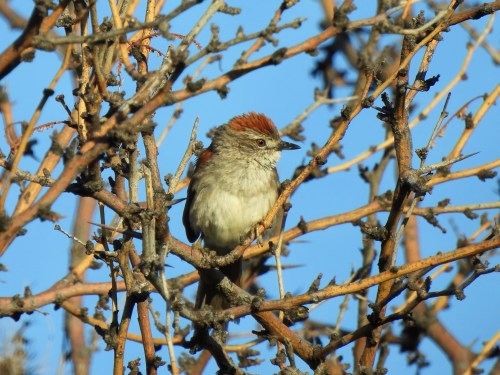
Pale-breasted Spinetail had also been a lifer that same day in Entre Ríos, and I was happy to see this pretty bird again.
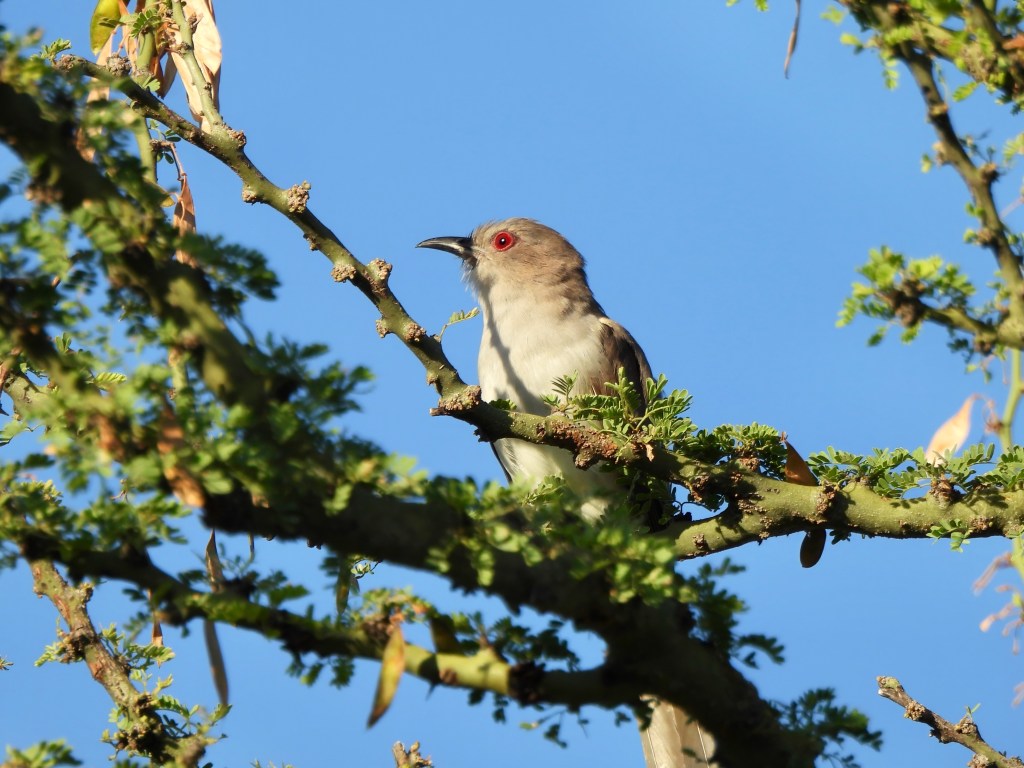
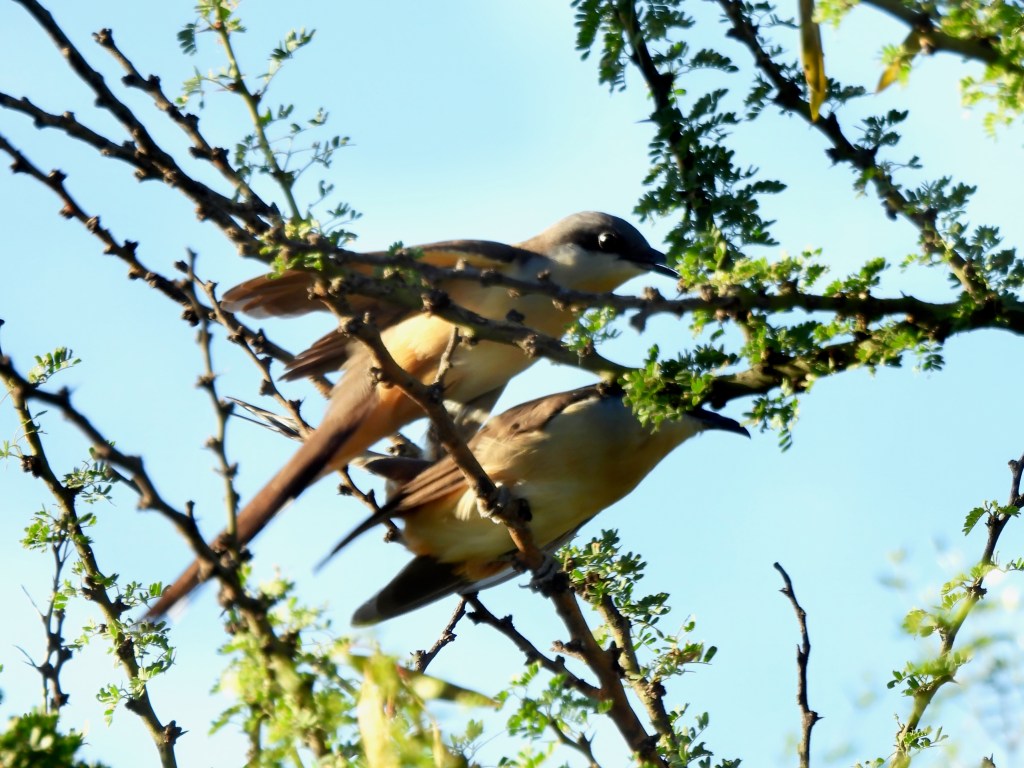
Next it was time for some cuckoo excitement. Laura had tried really hard to find an Ash-colored Cuckoo for us in Entre Ríos, without luck. This morning with Martin, we finally got a great look at one (photo on the left below), a lifer for both Sandra and me. Then two more cuckoos flew into the same tree! These two were Dark-billed Cuckoos, and they showed some cuckoo love right in front of us. In the photo on the right, I almost caught the action.
We’d started the day early to avoid the heat, and by 8:15 AM, we had arrived at Salinas Grandes, a vast salt flat stretching across several provinces of north-central Argentina. In Córdoba, the salt flats are bordered by sparse saline scrub and dry Chaco woodland.

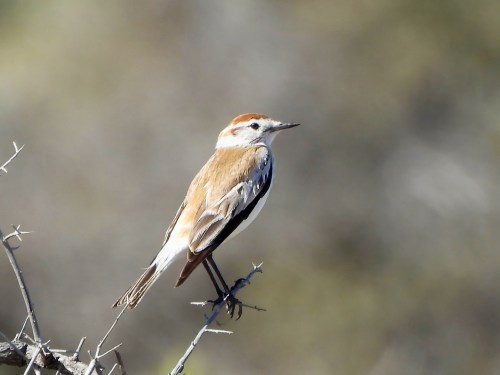
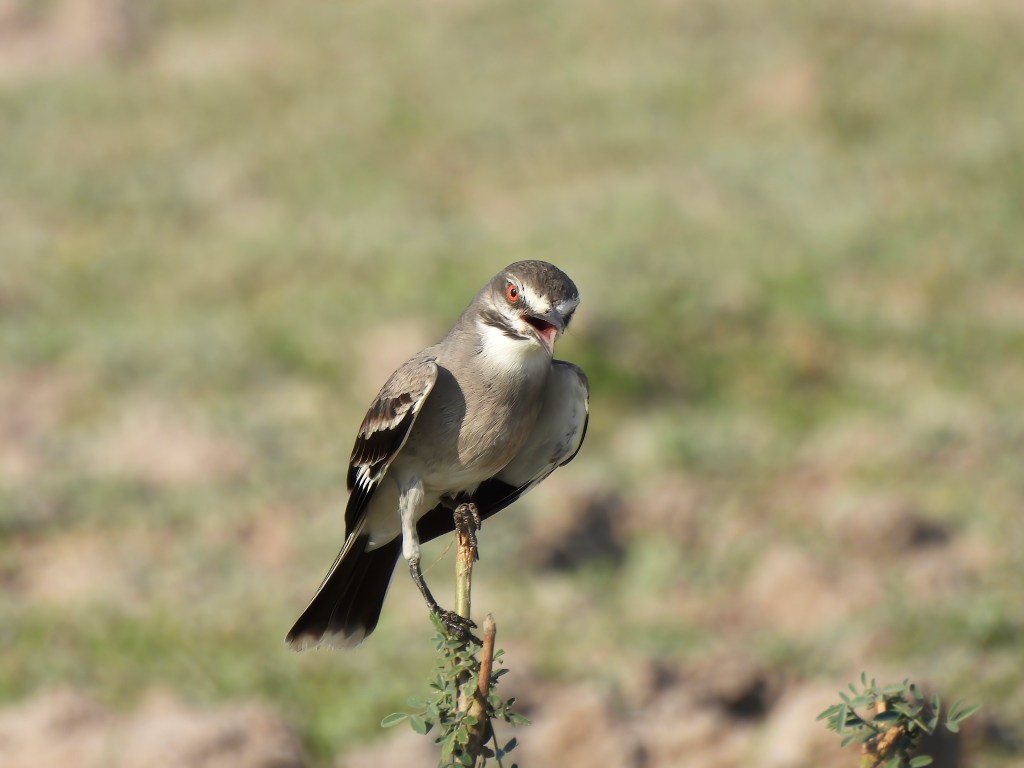
We had come here seeking Salinas Monjita, a species whose range is restricted to the salt flats of the central Argentine lowlands. The monjita thrives in this barren-looking habitat. Happily, we found our target (in the photo below). Other species that inhabit this landscape include the more widespread Lesser Shrike-Tyrant and Patagonian Mockingbird, both of which we also saw.
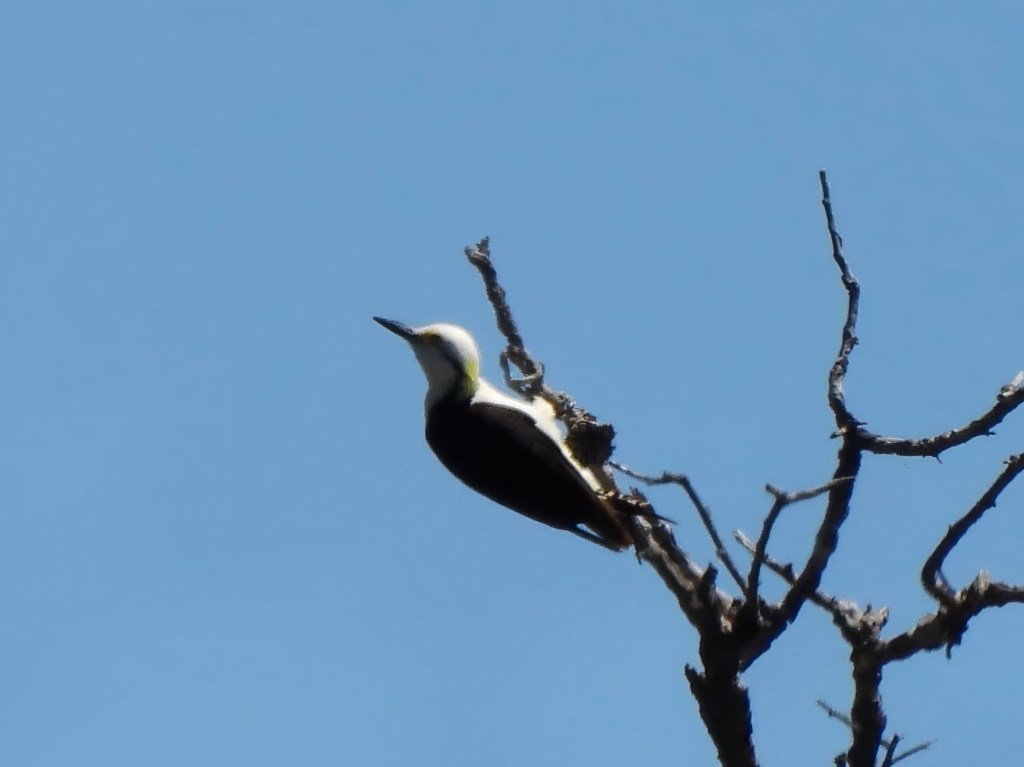
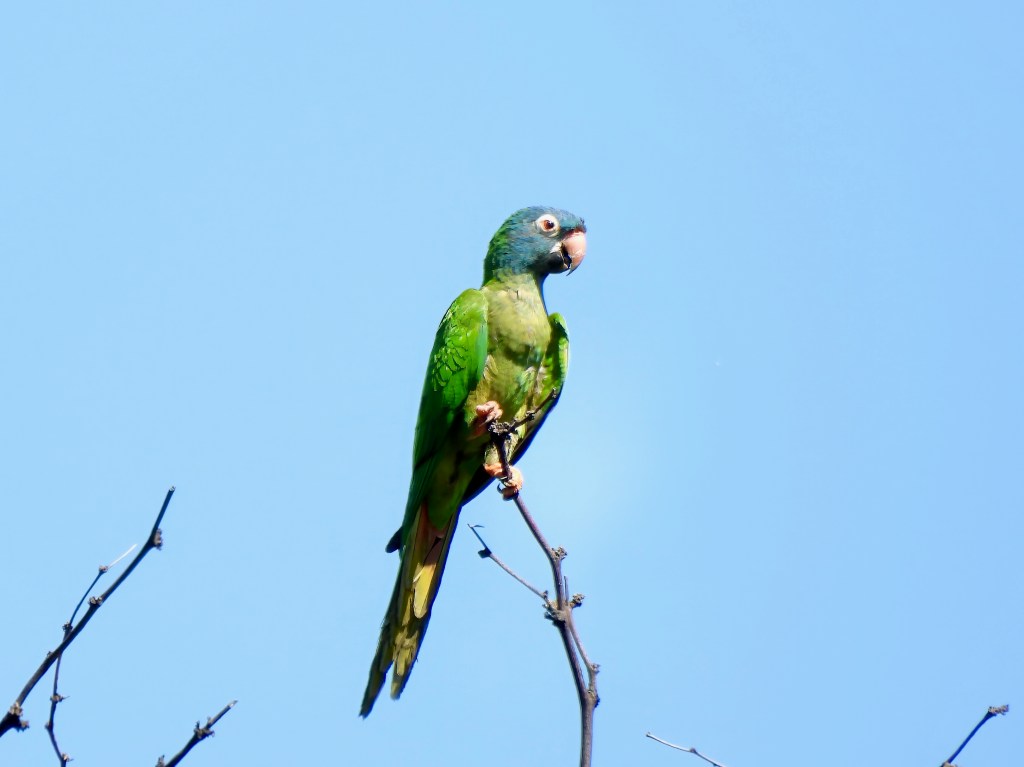
Later that afternoon, I loved seeing this White Woodpecker. It was also fun to see a Blue-crowned Parakeet, and with that sighting, I lost my only realistic chance of getting a life bird in my home county. These parakeets are native to South America, but like many parrots and parakeets, they have become established in Florida.
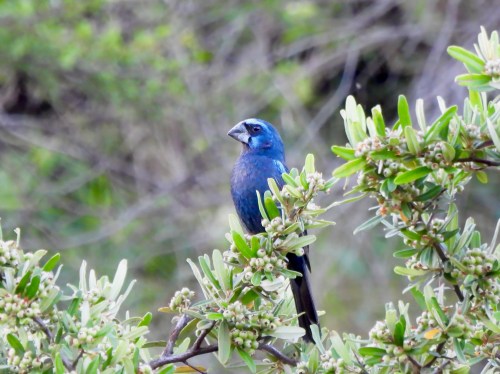
At 7:20 PM, my last lifer of the day was this stunning Ultramarine Grosbeak.
We started our second full day in Córdoba with an iconic bird of South America, Black-legged Seriema. It belongs to a small family; Red-legged Seriema is the only other living member.
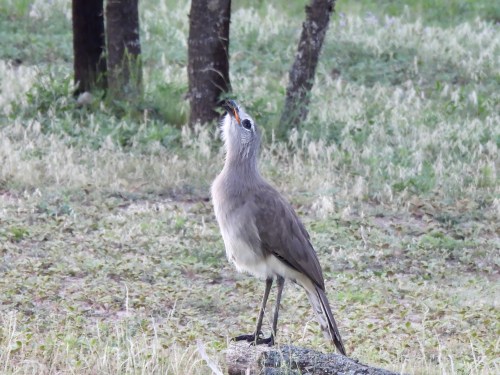
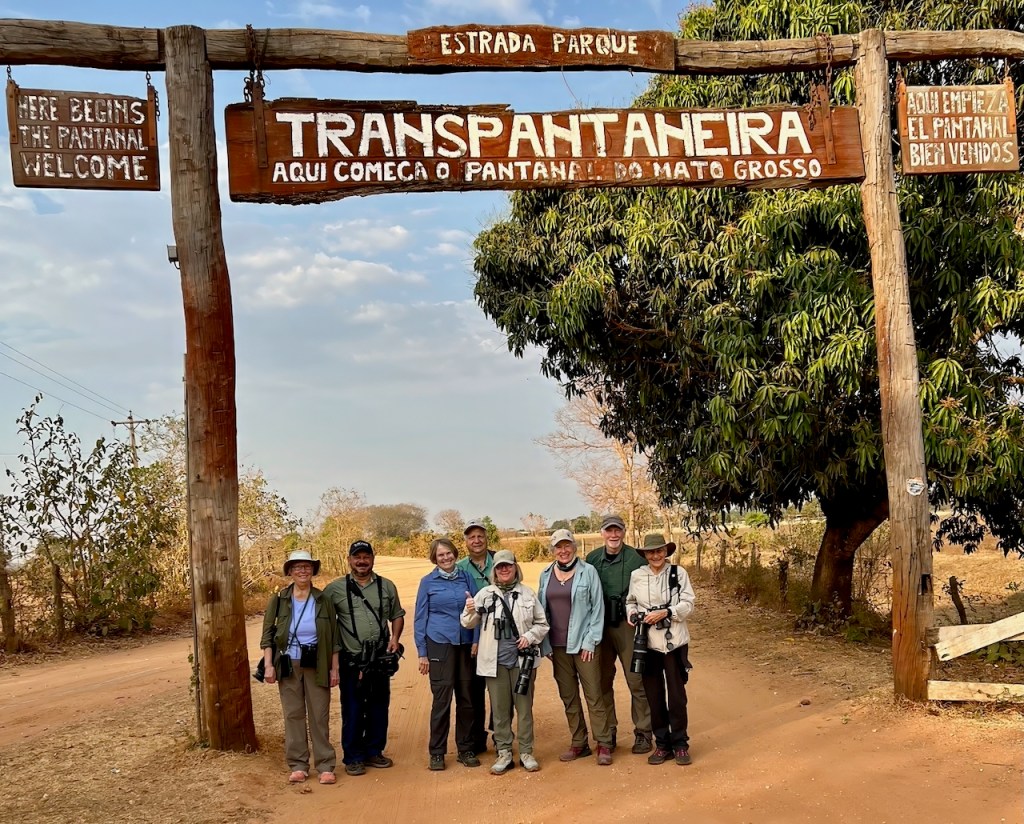
Seriemas are evolutionarily unique—the closest living relatives are falcons, parrots, and passerines. They are striking, prehistoric-looking birds with memorable vocalizations. I didn’t get a recording of the Black-legged Seriema, but here is a video of the similar-sounding Red-legged Seriema that I made the prior year in the Pantanal.
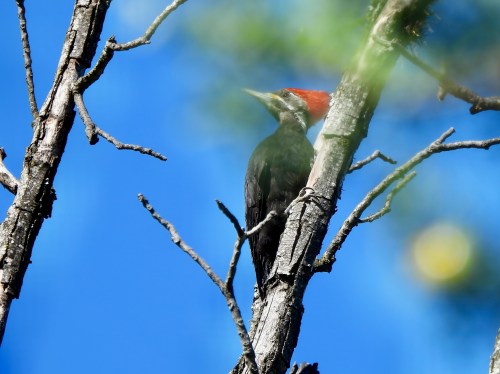
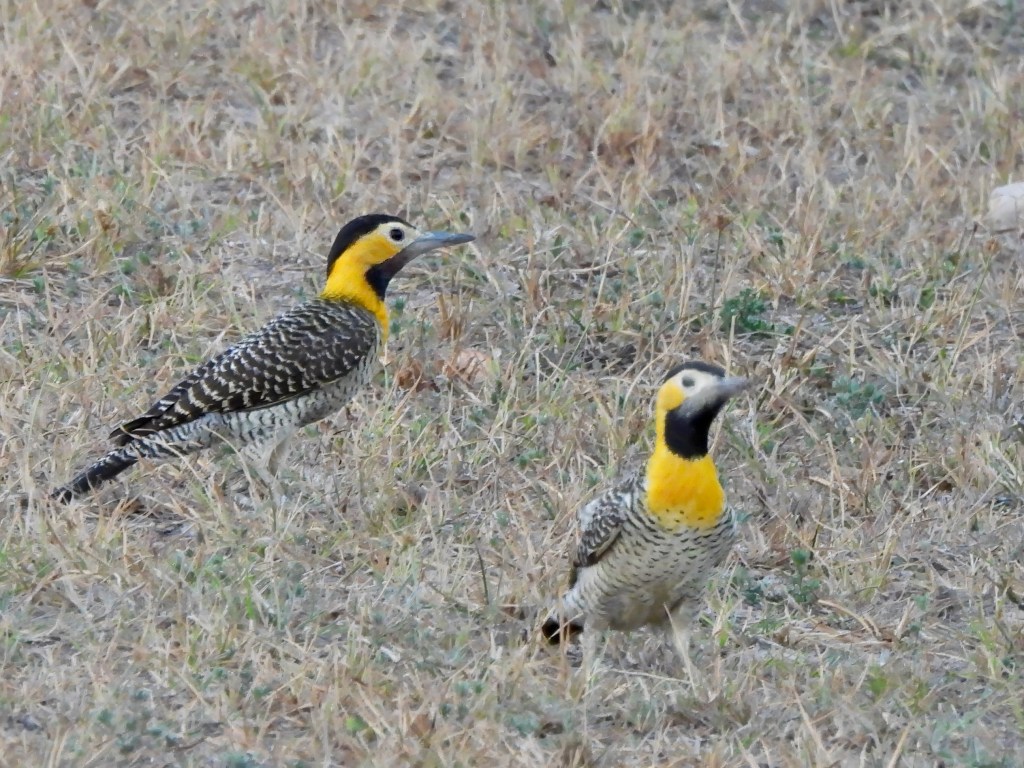
Black-bodied Woodpecker, a highly sought-after species, was our next target. The search was especially fun because we ran into a local birder that Martin knew from an online birding group, and this was their first time meeting in person. He’d seen the woodpecker earlier that morning and was excited to offer suggestions for where to look. We found the woodpecker, which reminded me of our Pileated Woodpecker in North America, although it is significantly smaller, about the same size as a Northern Flicker.
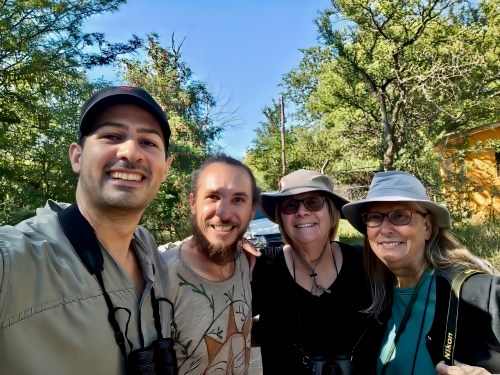
Here are the four of us, from left to right: Martin, his new friend, Sandra, and me.
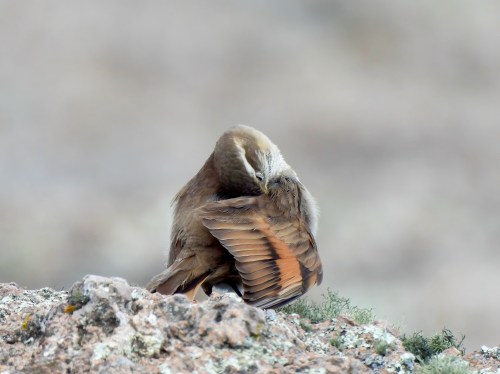
From there we headed toward the higher elevation of Quebrada del Condorito National Park in search of a local endemic, Cordoba Cinclodes. I was pleased to see the bird, and I was lucky to get the photo below, which shows the striking wing pattern—the bases of the flight feathers form a broad, black-edged rufous band, the largest and brightest wing band of any Cinclodes.
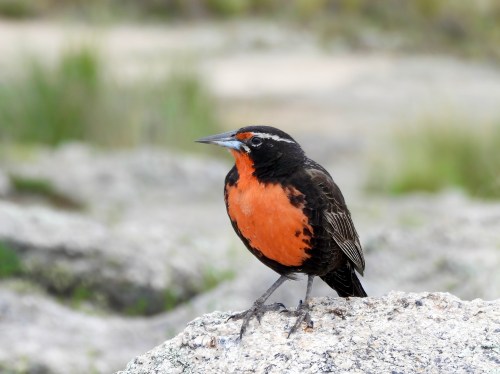
We were also fortunate to see Olrog’s and White-winged Cinclodes, as well as Long-tailed Meadowlark (pictured below).
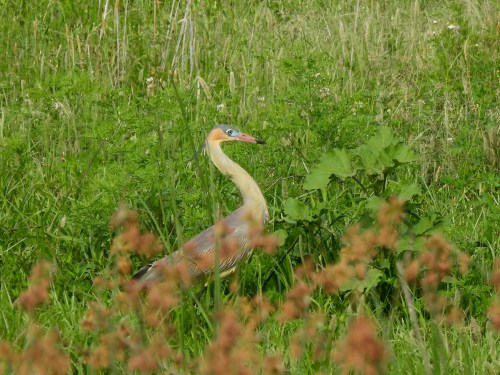
The habitat at Quebrada del Condorito was completely different from everywhere else we’d birded in Córdoba. It was beautiful and peaceful, with very few cars or people that afternoon.
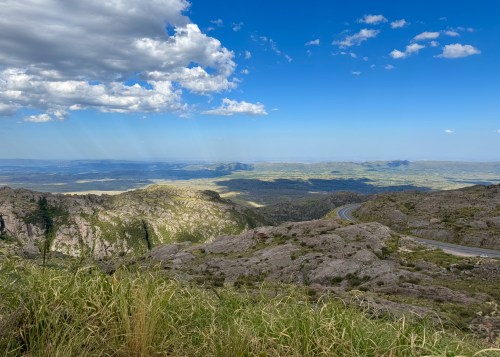
We ended the day with a bird that is special to Martin, Olive-crowned Crescentchest. Martin did his master’s research on this species, and we loved seeing it, a lifer for both Sandra and me, even though it was a bit too shy to get a good photo. At the same location, I was also thrilled to see this Andean Tinamou. Somehow I’d gotten the impression that it was a difficult bird to see, but now I think most birders who visit the area likely do see it. Either way, it was a lovely end to a great day.
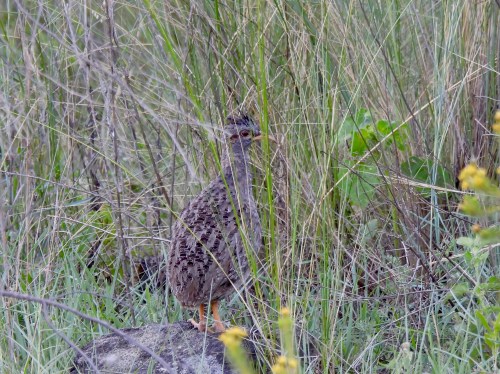
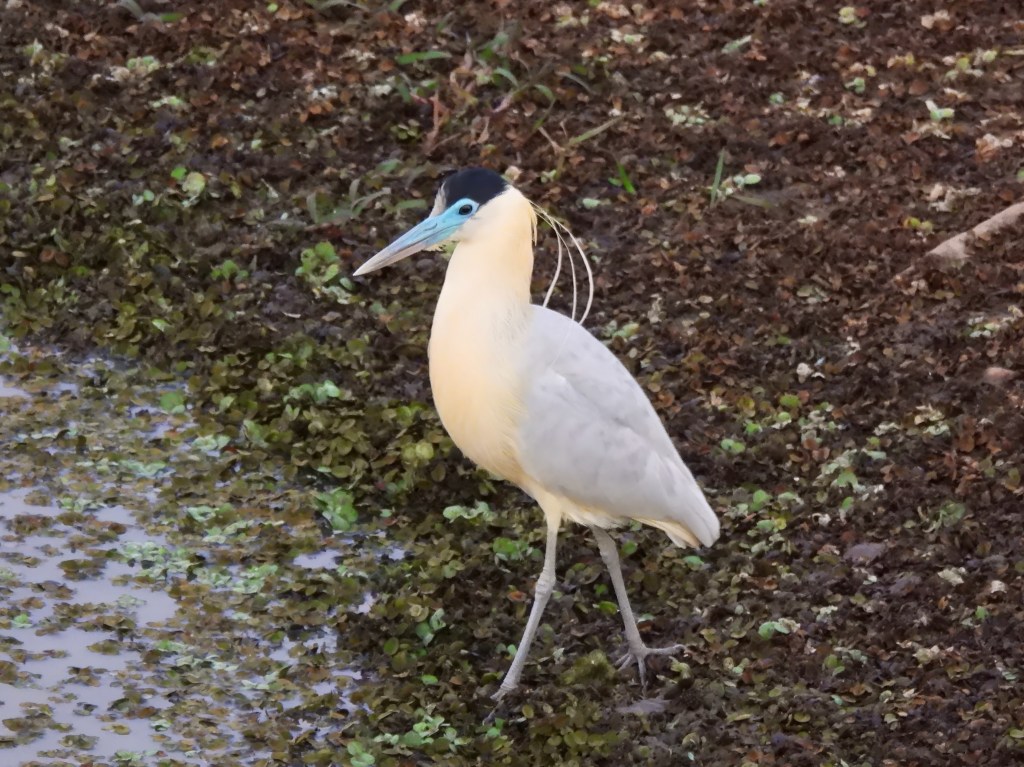
On December 11, our last day with Martin, I picked up three more life birds: a coot, a grebe, and a duck, but my favorite sighting was this Whistling Heron. Martin told us locals call it the “rainbow bird.” I had seen these colorful herons before, but never so well.
Our last stop was at 3:00 PM on the way to the airport. We had just 20 minutes to try to find Dinelli’s Doradito, a potential lifer that Sandra wanted very much. It would have been a life bird for me, too, if I’d seen it. Just before our time was up, Martin called out that he had it, and I went running down the hard-packed dirt road toward him. There was a dip in the road that I knew was there, but my attention was elsewhere, and down I went. My first concern was my camera, which was fine, thankfully. Next, my attention went to my ankle, which had twisted in the fall. I hobbled back to the car.
Sandra got her doradito, and I got points with Martin, who thought I was a very nice person for being happy for my friend despite my fall. We all assumed that my ankle was sprained and we headed to the airport, where Martin did everything he could to take care of us—handling our luggage, buying anti-inflammatories, and getting a wheelchair for me. And then we were off to Santiago!
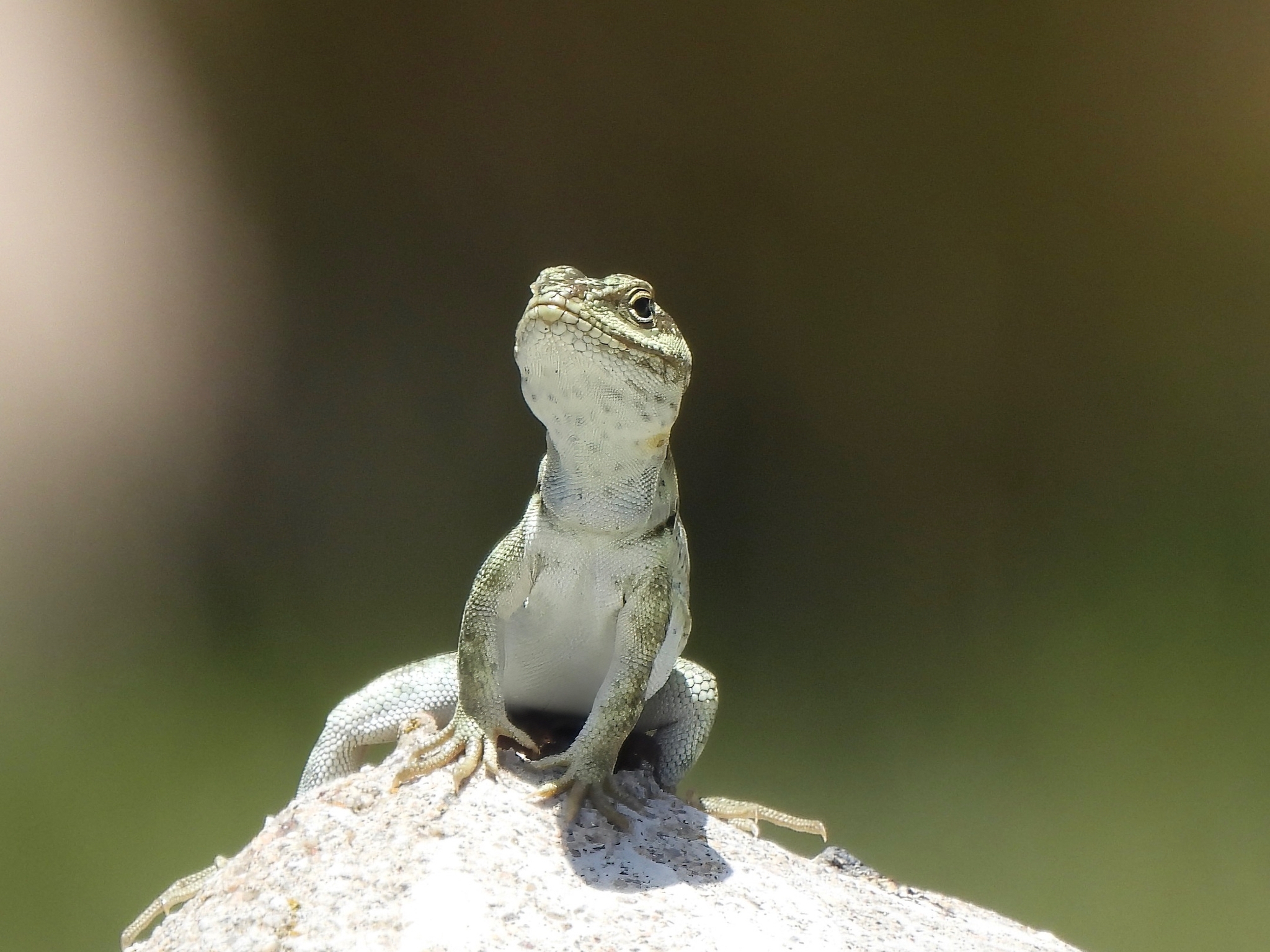
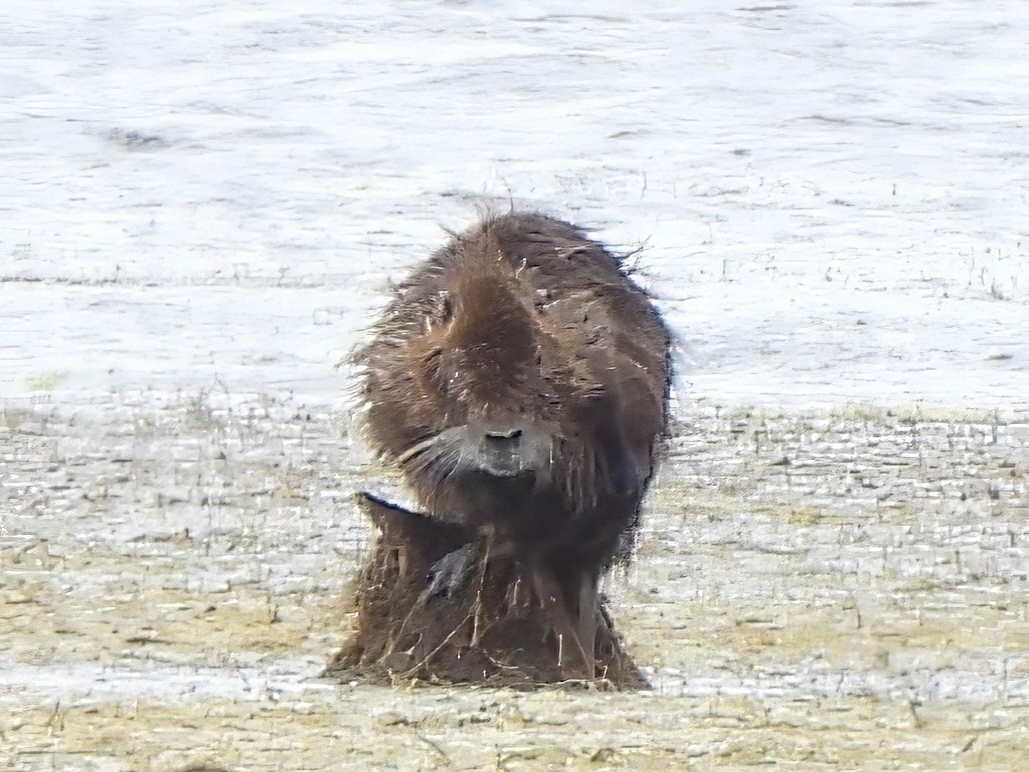
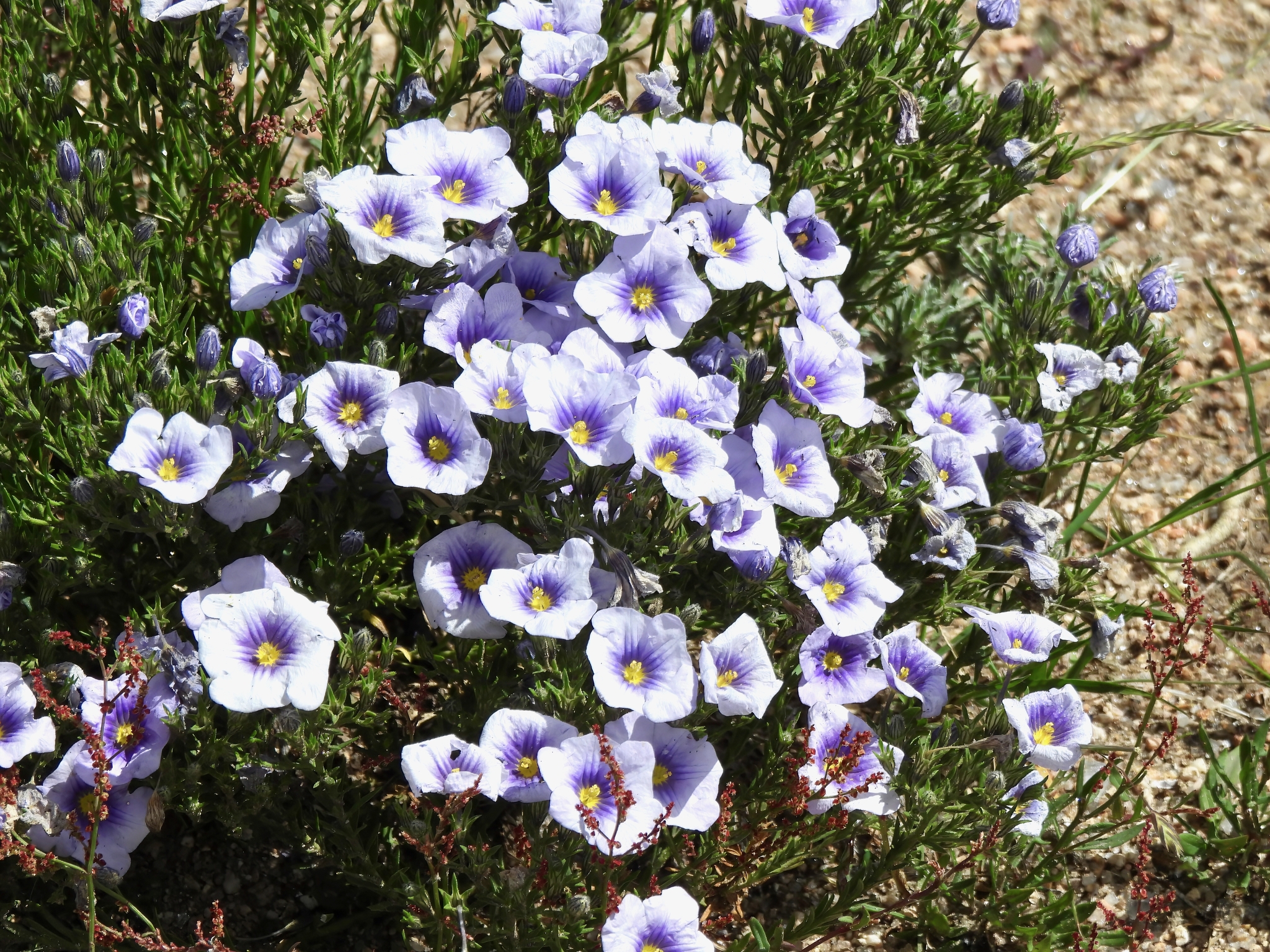
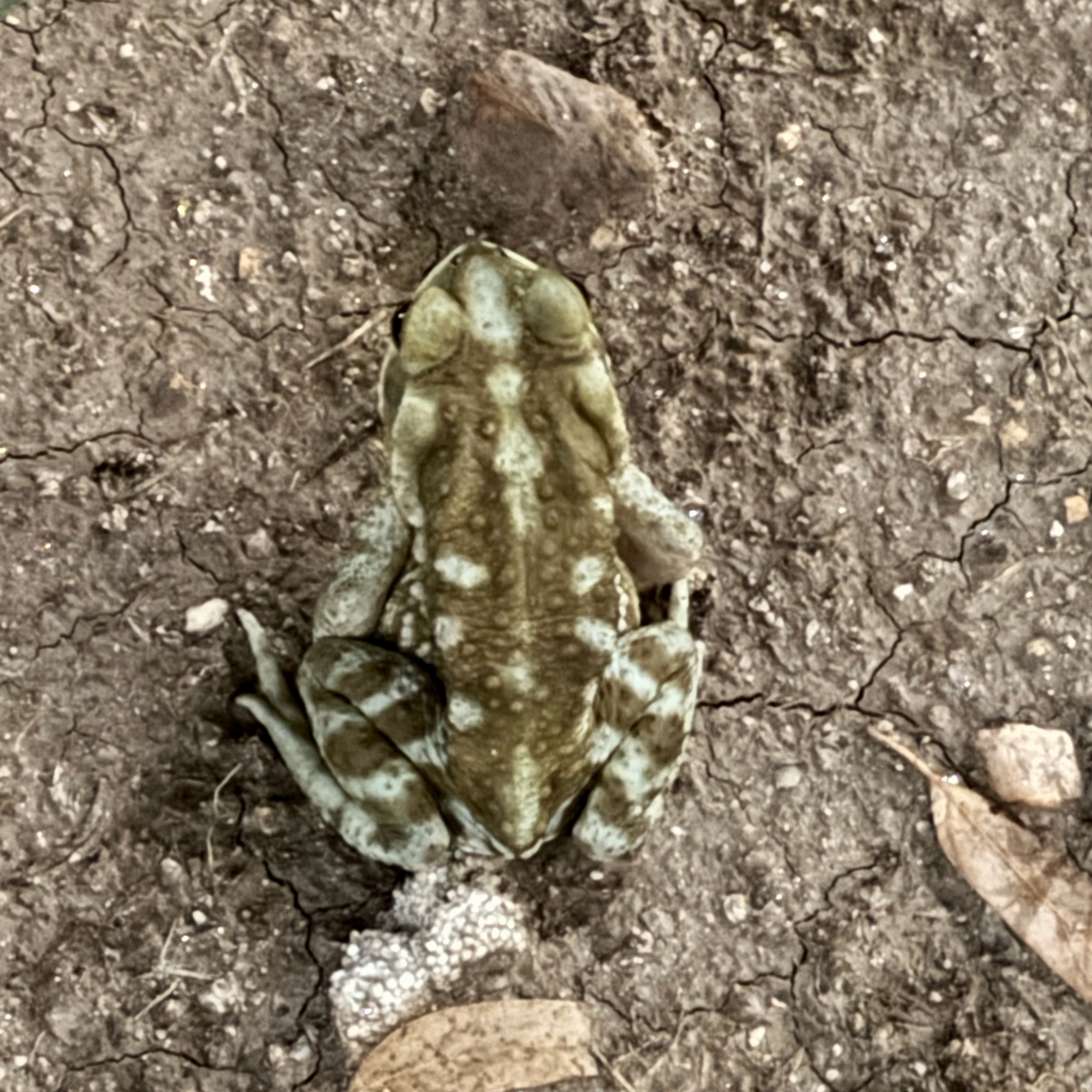
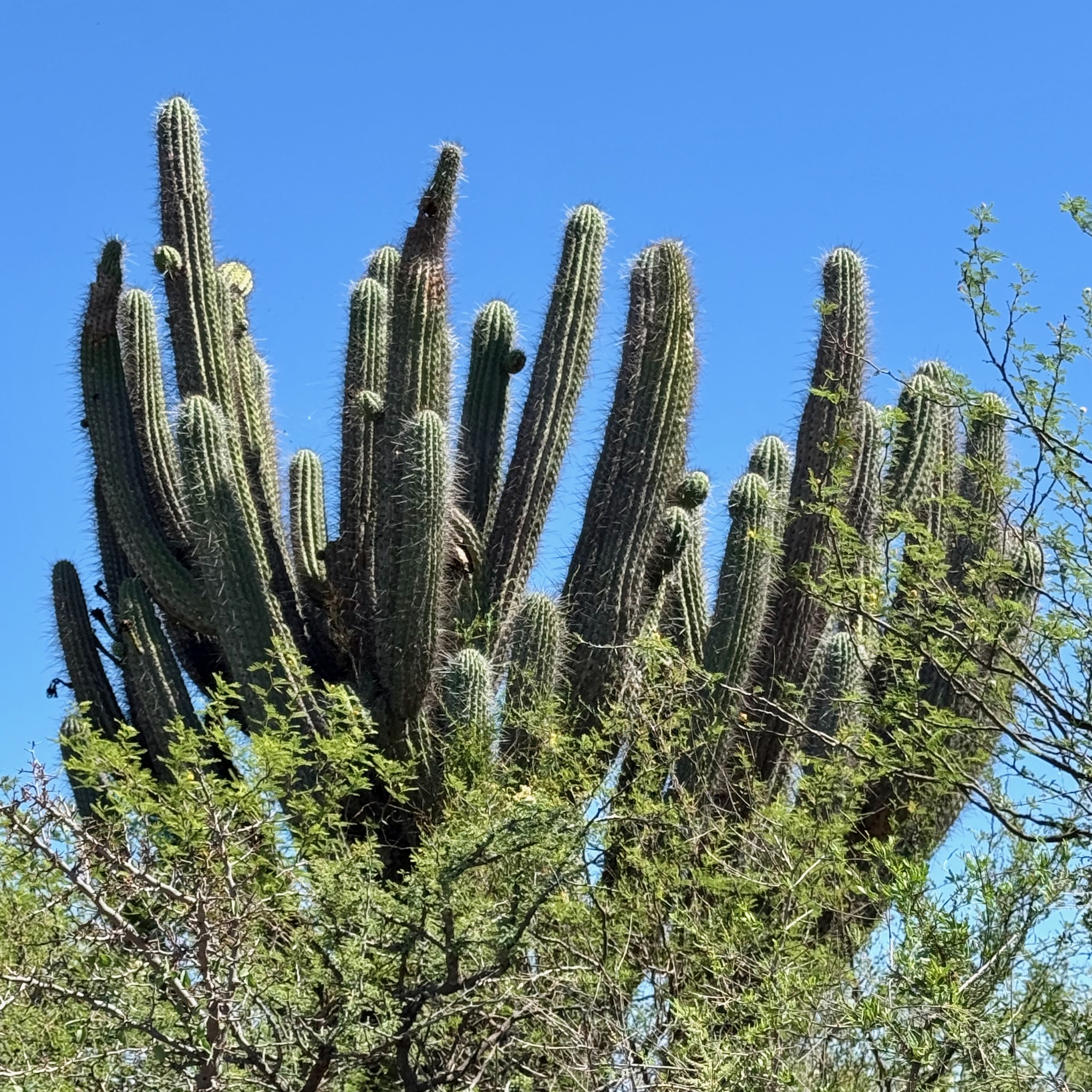
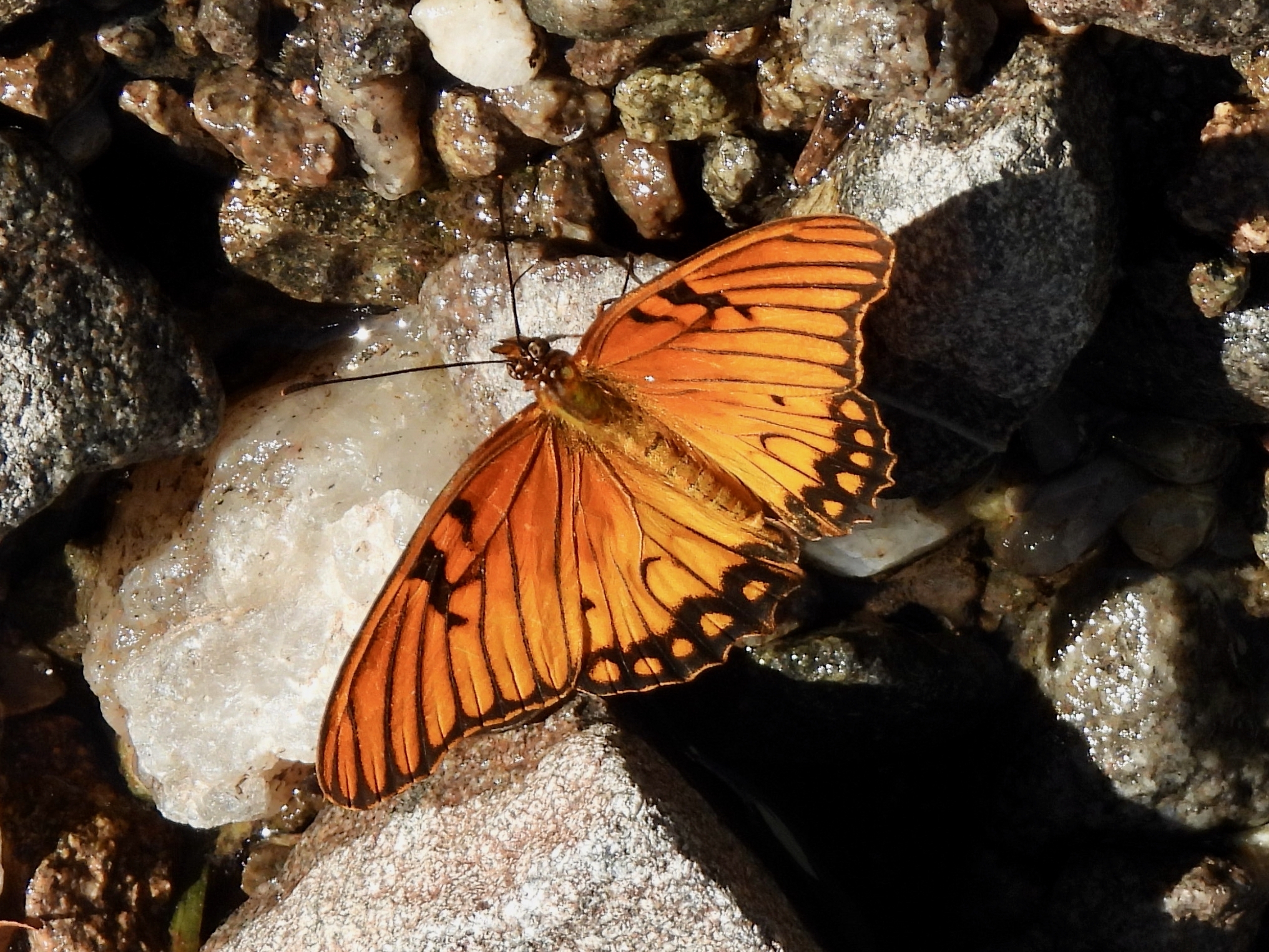
Beyond the birds, Córdoba is home to an incredibly rich and diverse ecosystem. A few highlights below: Argentine Anole, Nutria, Dwarf Cupflower, Argentine Toad, Toothpick Cactus, and Mexican Silverspot.
Sandra and I were very glad we made the last-minute decision to spend a few days birding in Córdoba. Martin was a wonderful guide—a great birder, kind, fun—and in only three days, he found all the expected endemic birds of the area for us. It was an exciting adventure in a beautiful part of the world, bookended by two mishaps, our impossible flights and my “sprained” ankle. I’ll never forget it.








 Birding for Life