Scope creep and FOMO were responsible for my month-long trip to South America in late 2025. It started with Brazil. My friend Sandra and I had both visited before, and we both wanted to return. After carefully planning a trip for the second half of November, Sandra discovered a pelagic trip in Chile that she really wanted to do. There was just one problem: it didn’t depart until December 13, leaving a sizable gap to fill. Argentina was added to the itinerary and, once I realized how close Buenos Aires was to Montevideo, I wanted to include Uruguay, too. I’m a full partner in the scope creep, although Sandra owns the Fear Of Missing Out. Fortunately, I usually benefit from it as well.
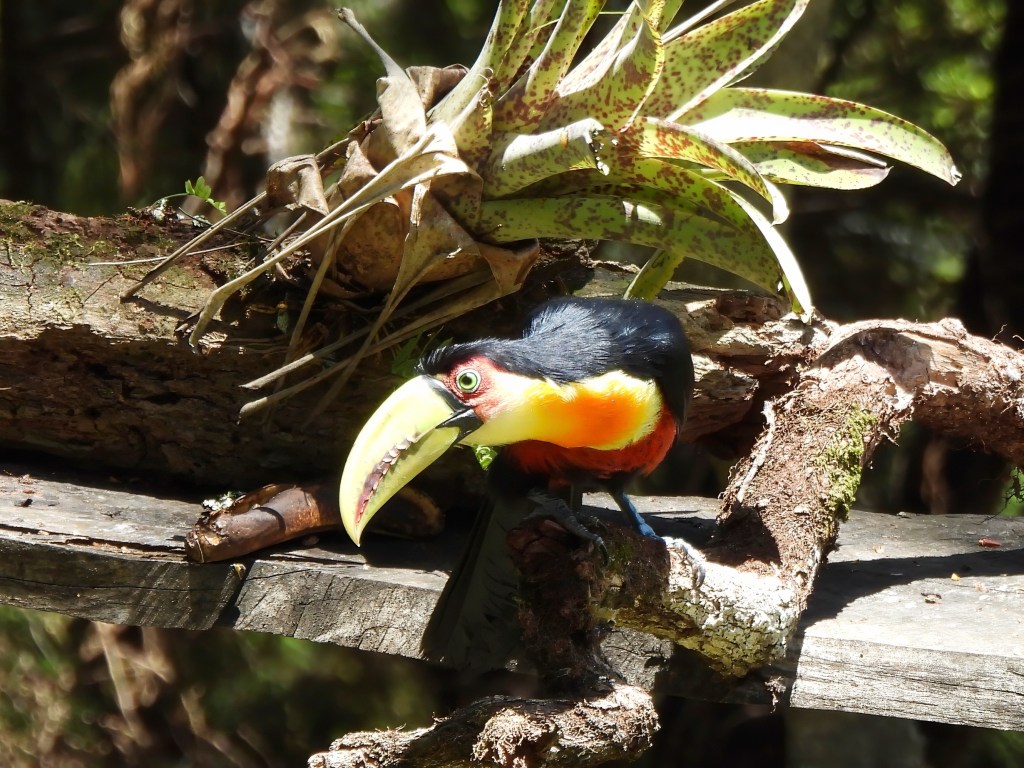
Below, a beautiful Red-breasted Toucan awaited us in Brazil. You’ll have to wait until Part 2 to learn the significance of this particular bird.
Cirilo Vieira had previously guided both of us — separately — at Ecolodge Itororó, so choosing him to lead us again was easy. Andy Foster of Serra dos Tucanos Birding Tours handled the logistics, including arranging local guides at several key locations.
We planned to arrive a day early to rest and recover, but like many travel plans, things did not go as expected. My trip south turned into a nightmare of delays that included an unplanned overnight stay in Miami. After roughly two hours of sleep, we met Cirilo and Paulo, our driver, in Rio de Janeiro on November 14 to begin our drive south along the coast. I was functioning mostly on caffeine and adrenaline.
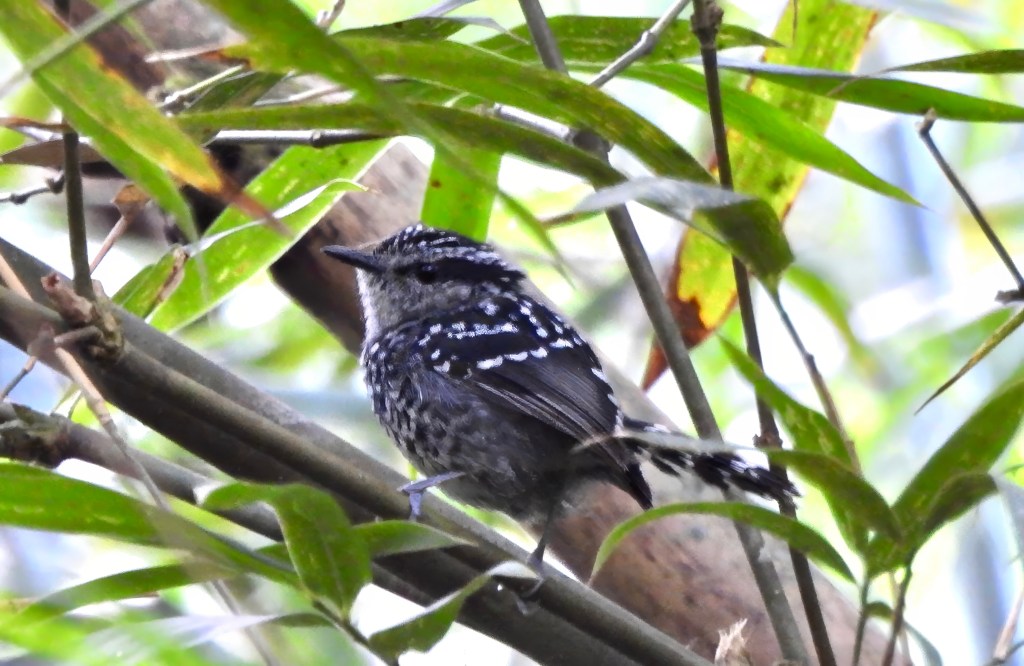
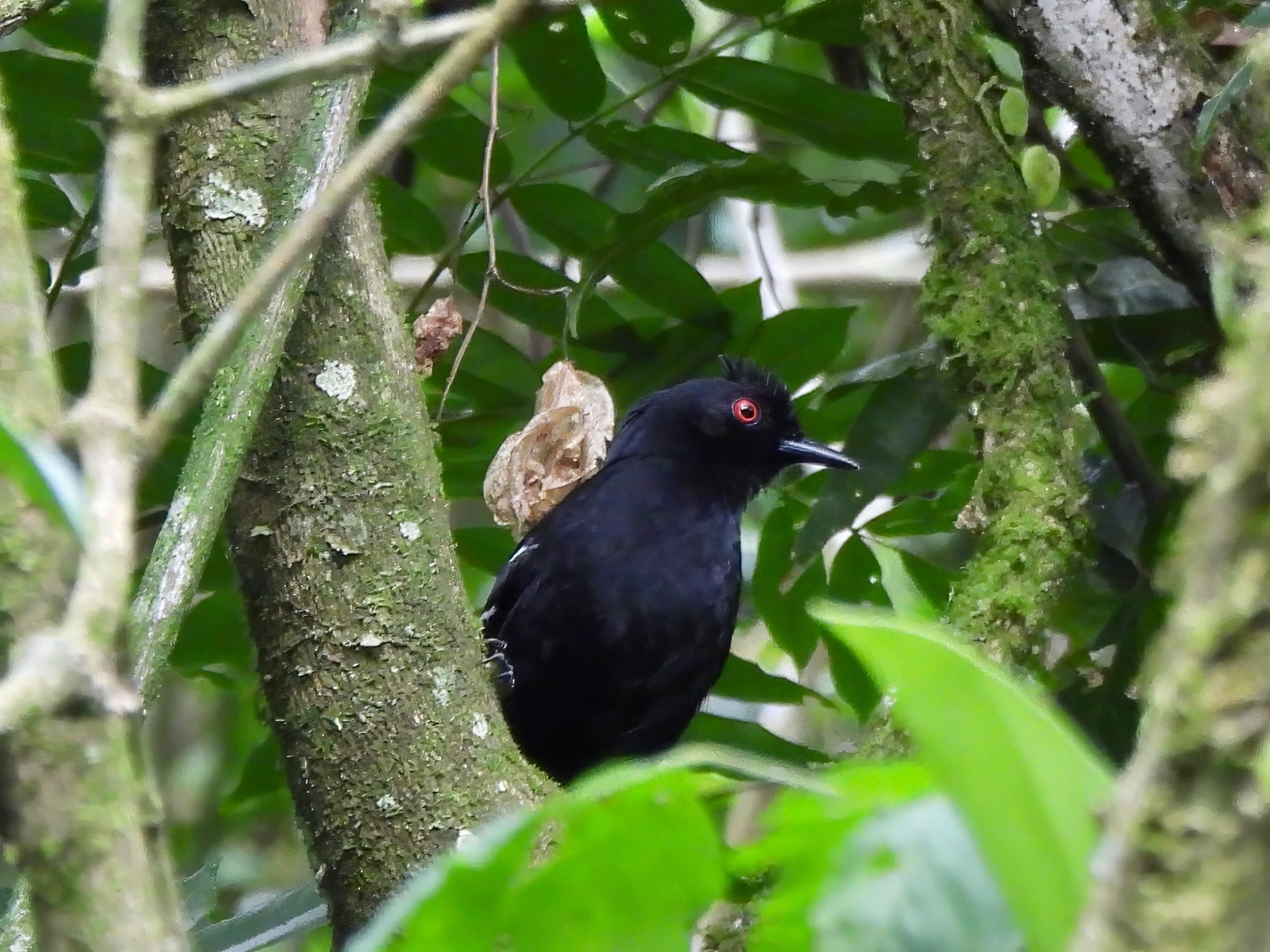
Our first target was Black-hooded Antwren, an extremely localized species found only along a narrow stretch of coastline between Rio de Janeiro and São Paulo. Cirilo quickly found this prize and I even managed a photo.
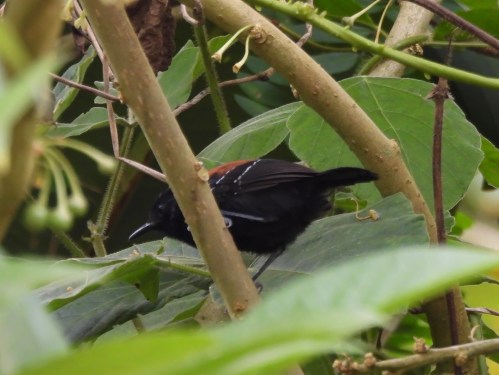
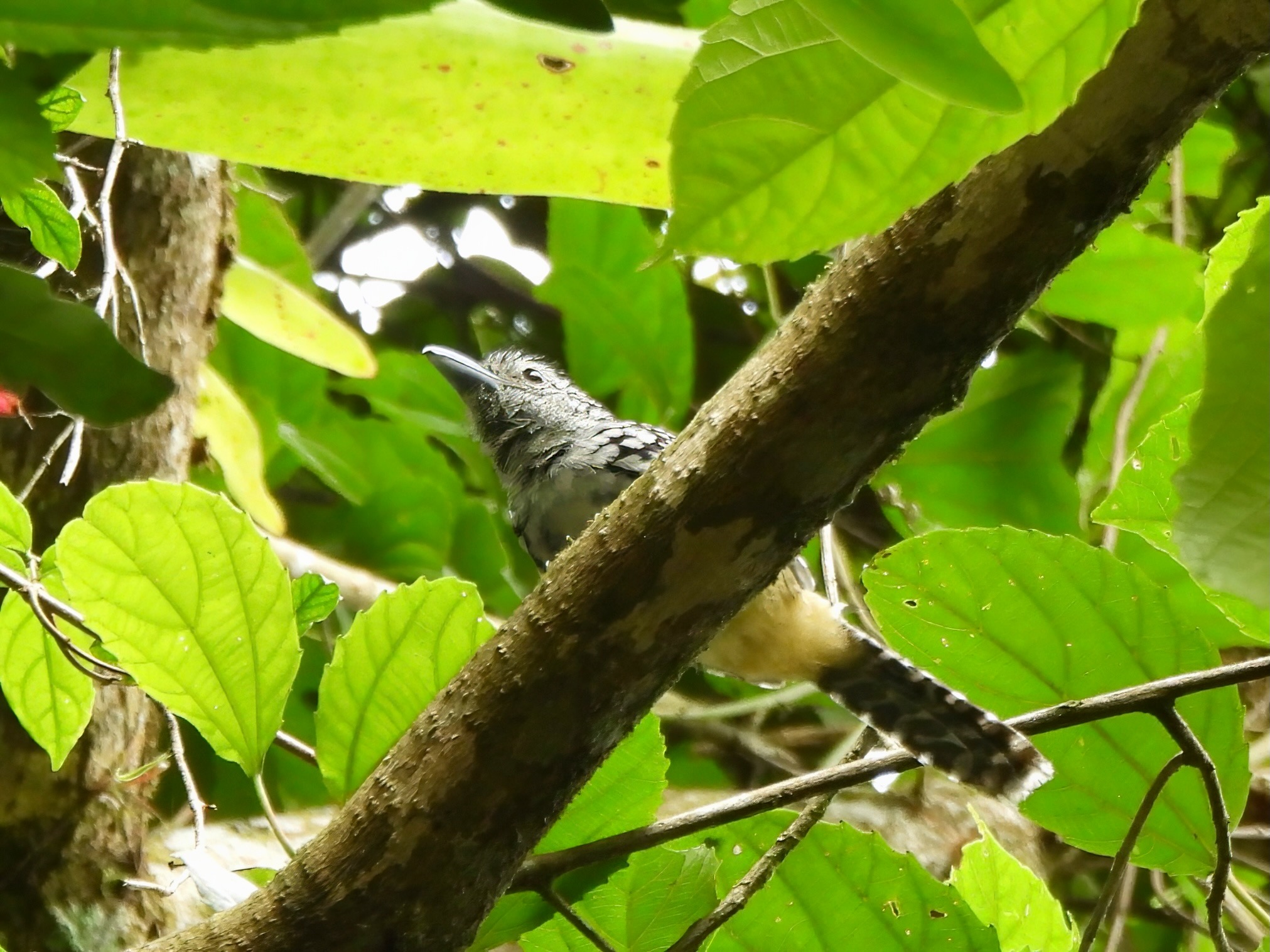
We ended the day in Ubatuba and had time for a little birding before settling into our hotel. Even though I’d birded this area on my 2024 trip, Cirilo expertly found two special birds that evening — White-shouldered Fire-eye, a lifer for me, and Spot-backed Antshrike, a life bird for both of us.
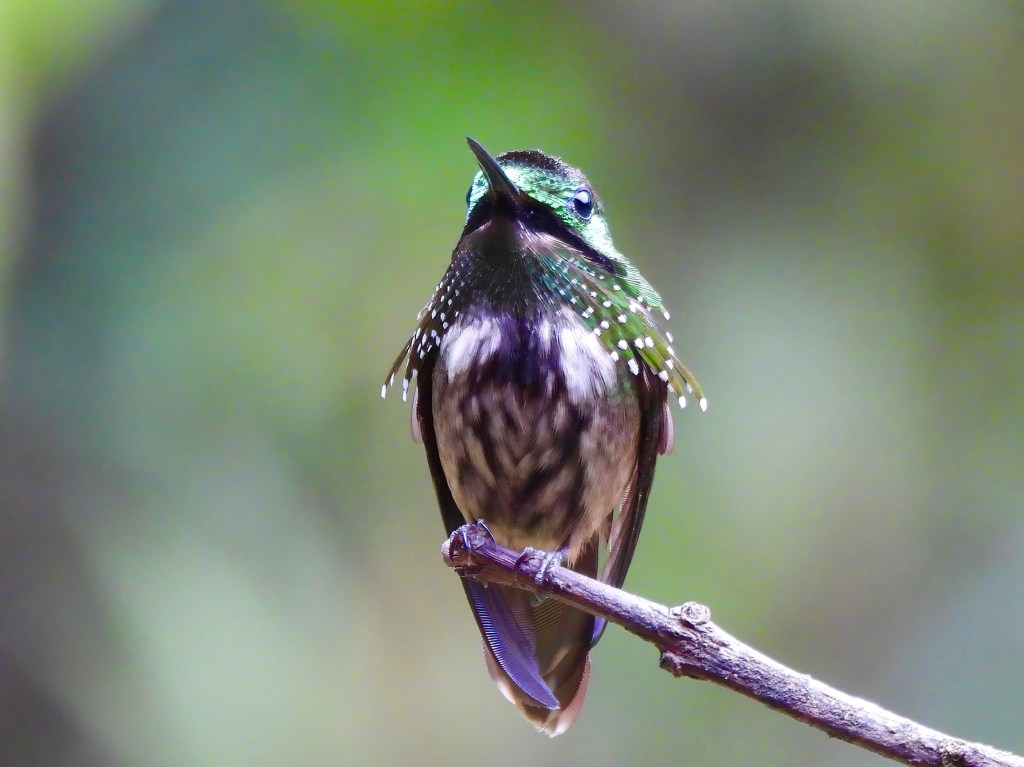
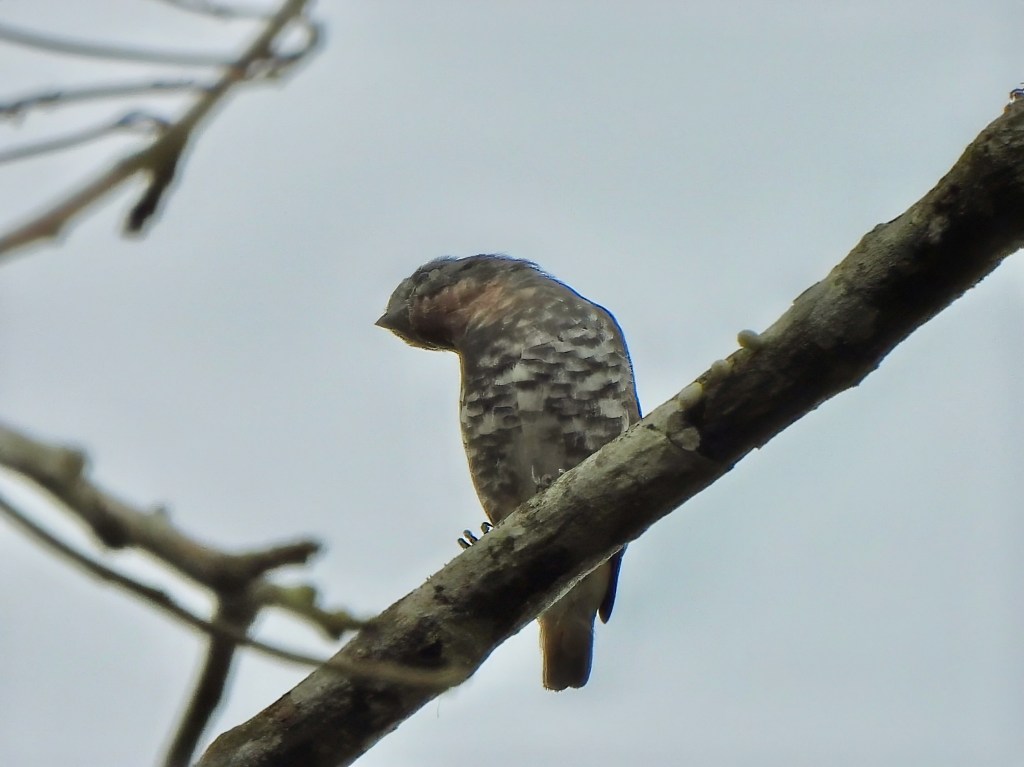
Buff-throated Purpletuft is a rare little bird, less than four inches long, endemic to Brazil, and highly localized. It is widely considered difficult to see. On the morning of November 15, we arrived at the same spot we had birded the previous afternoon and the purpletuft was almost the first bird we saw. Sandra and I were thrilled to see this little jewel so well and to add it to our life lists.
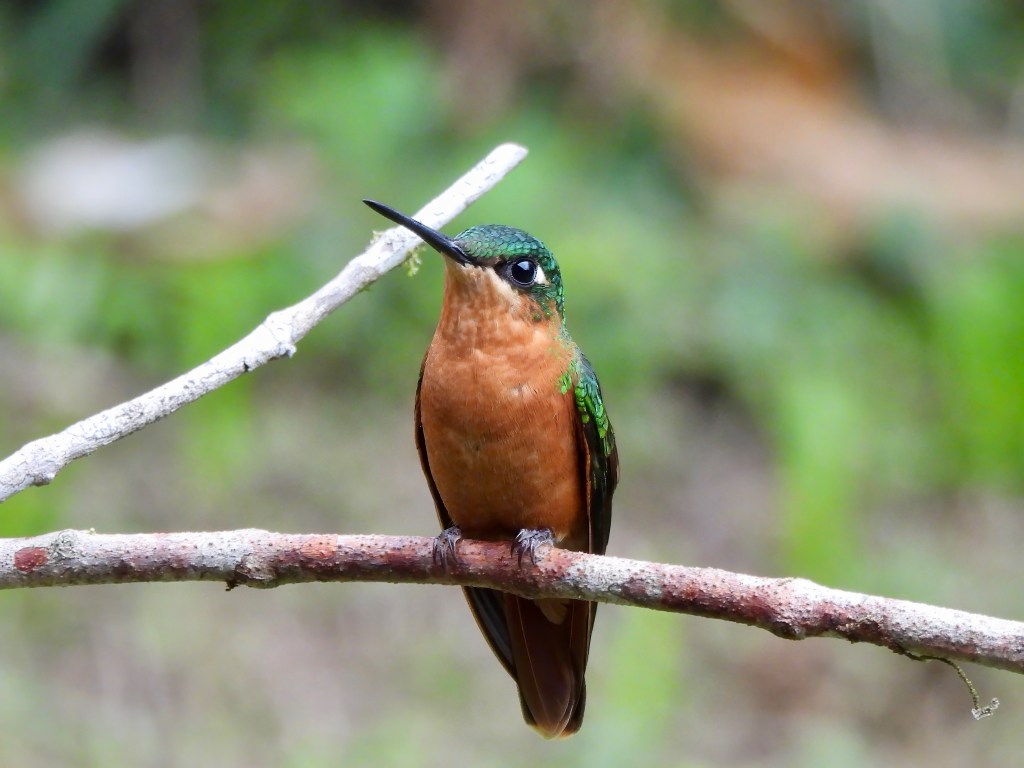
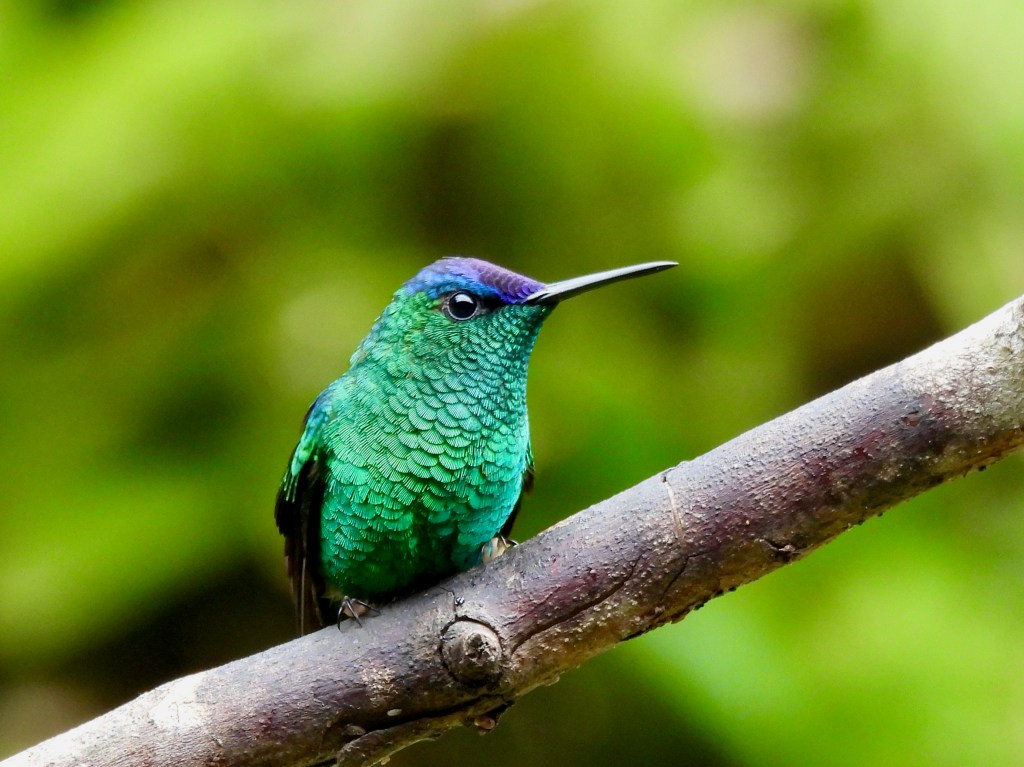
After birding the rest of the morning at this productive spot, we made a quick stop at Sitio Folha Seca for hummingbirds. Then it was on to Sítio Macuquinho, which had been one of my favorite places on my earlier trip to Brazil. That visit had been just a few hours, but this time we would stay two nights.
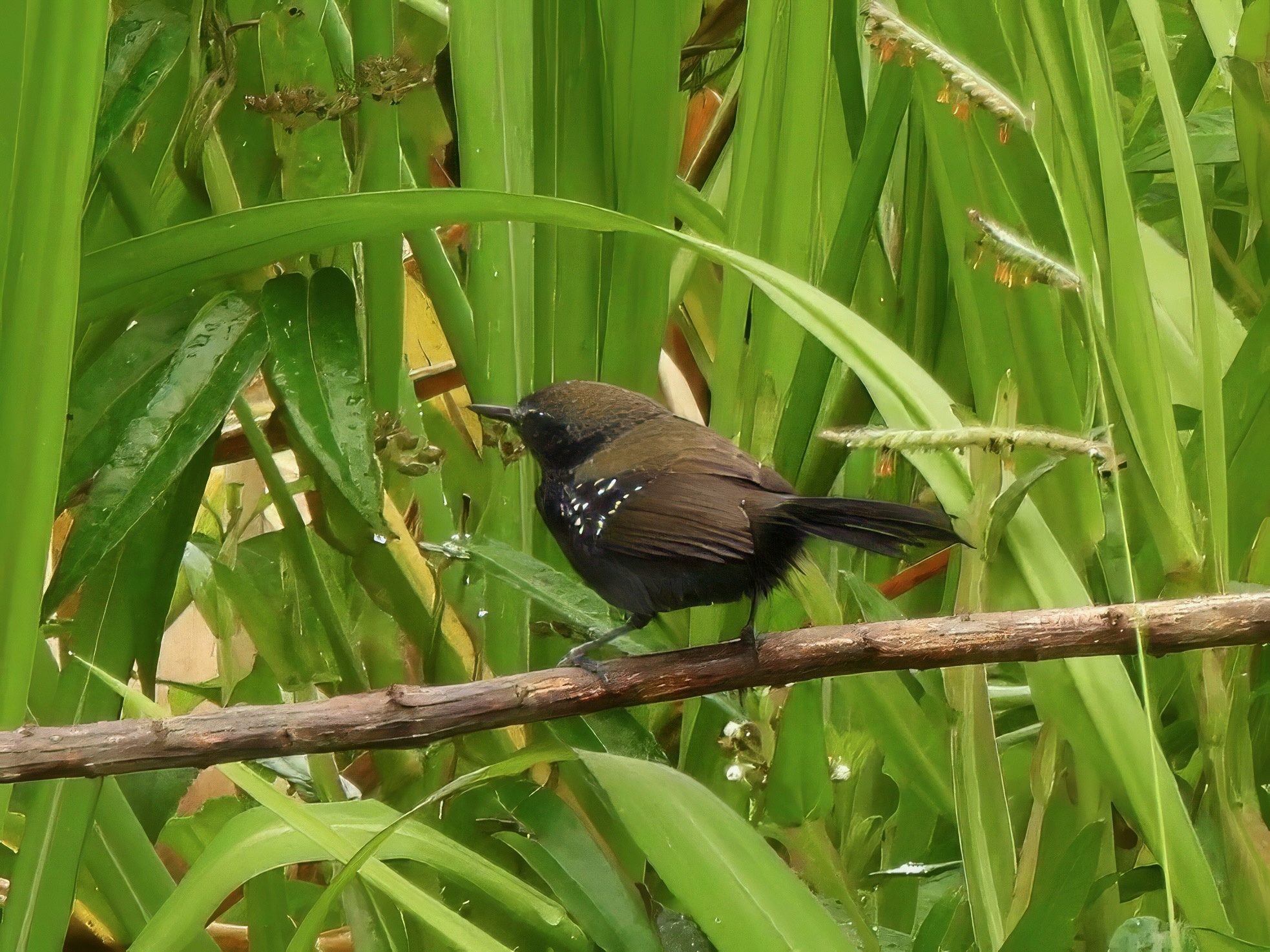
Our full day at Sítio Macuquinho was magical. The very talented guide and owner, Elvis, found many wonderful birds for us. I was especially happy to see the São Paulo Marsh Antwren, a bird that the others had seen on my 2024 trip, but I just couldn’t get my binoculars on that quick little bird then. Click on the photos in the gallery below to see species names.
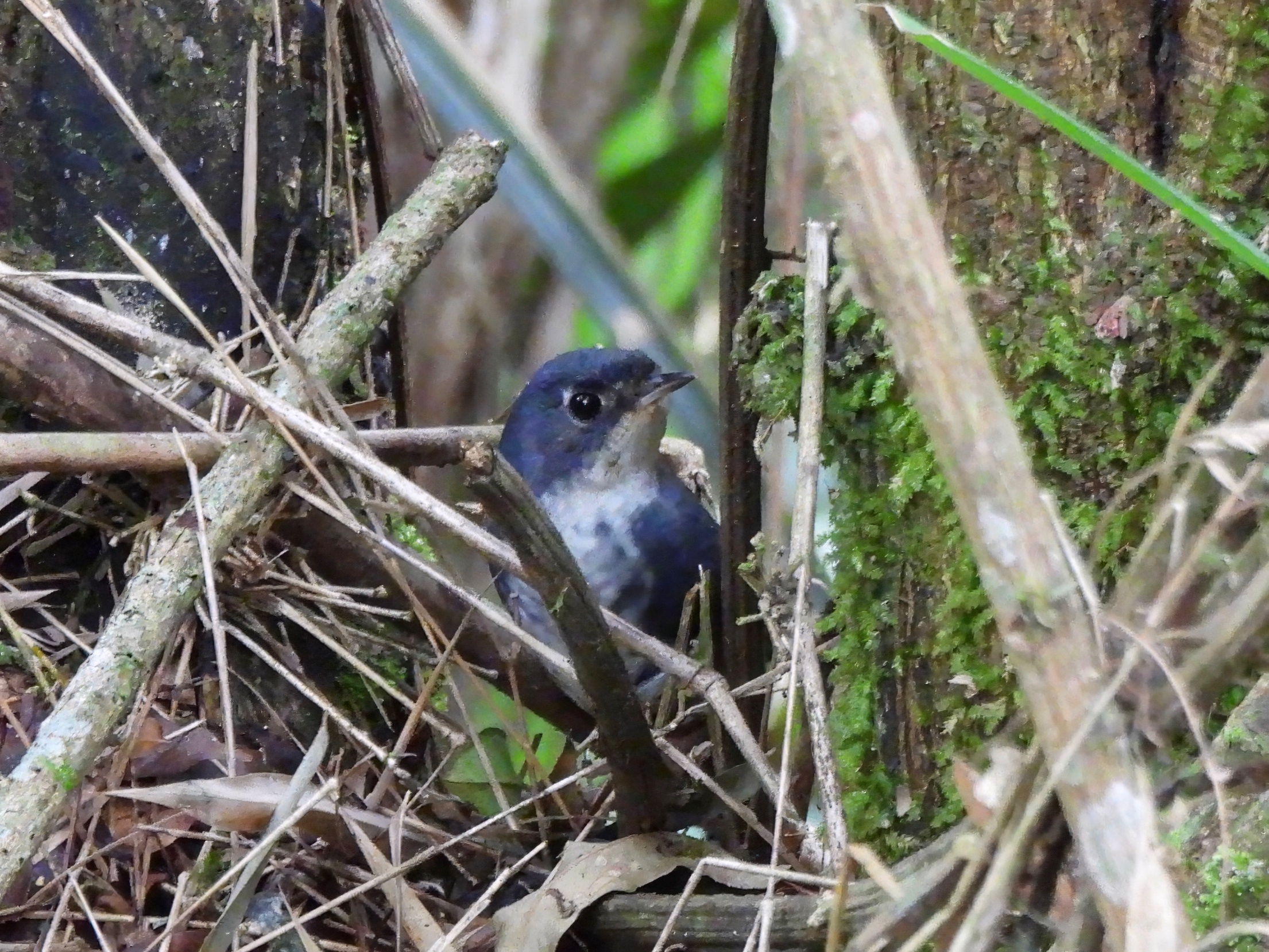
The most magical experience of the entire month-long trip occurred that evening. Sandra described it well: “a dusk show of several Long-trained Nightjars coursing back and forth over us while fireflies popped around us, all in the near-quiet of gentle insects chorusing nearby.” It was one of those rare moments of complete immersion; we stood there awestruck, spellbound by the spectacle unfolding around us.
After a couple of hours birding at Sítio Macuquinho again the next morning, we reluctantly said goodbye to our hosts and spent most of the day on November 17 driving to Intervales State Park. The park protects more than 40,000 hectares as part of the largest remaining mosaic of Atlantic Forest conservation areas, preserving one of the world’s most biodiverse and threatened ecosystems. In addition to its many trails and birding areas, Intervales also offers lodging and a restaurant within the park boundary.
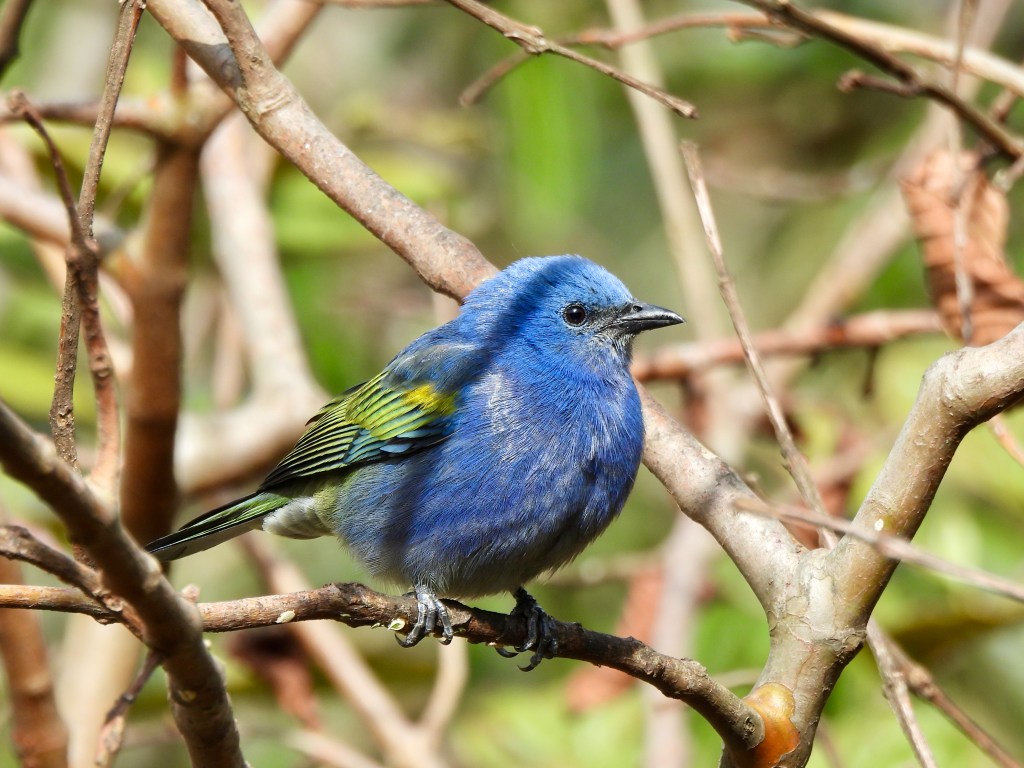
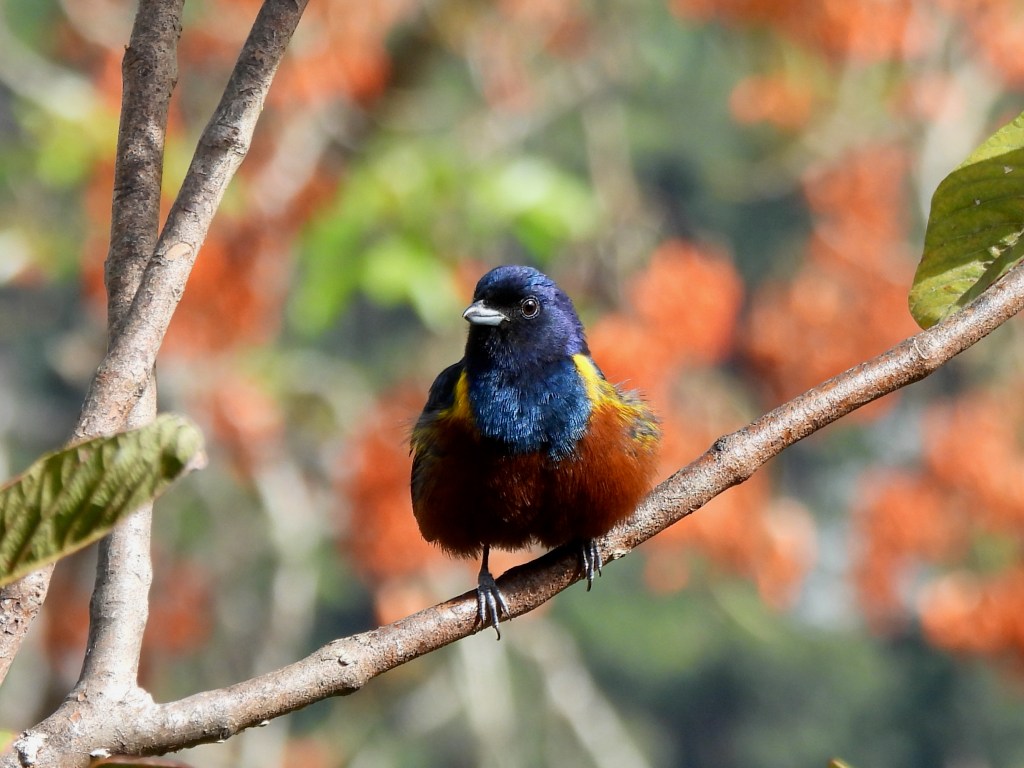
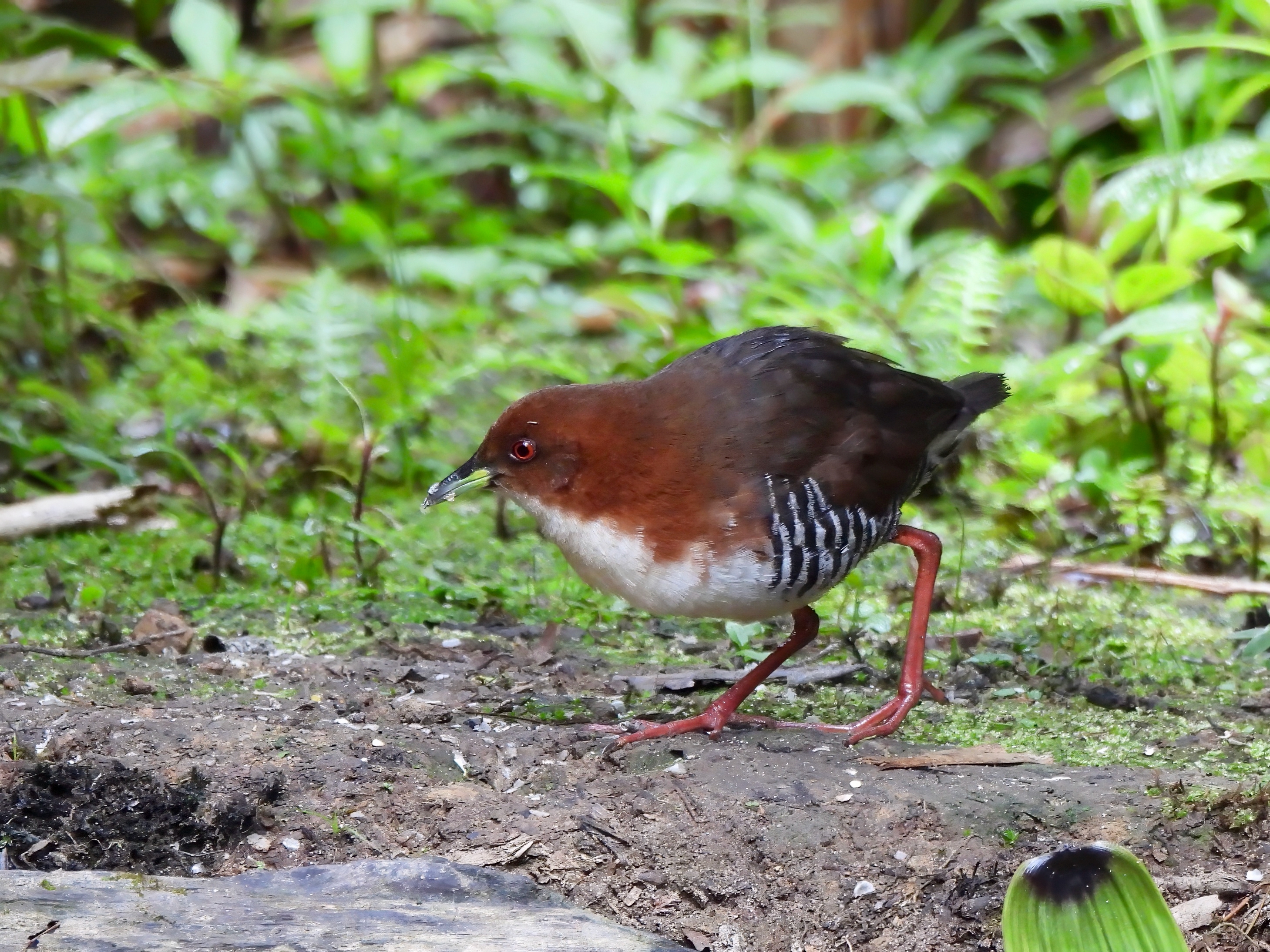
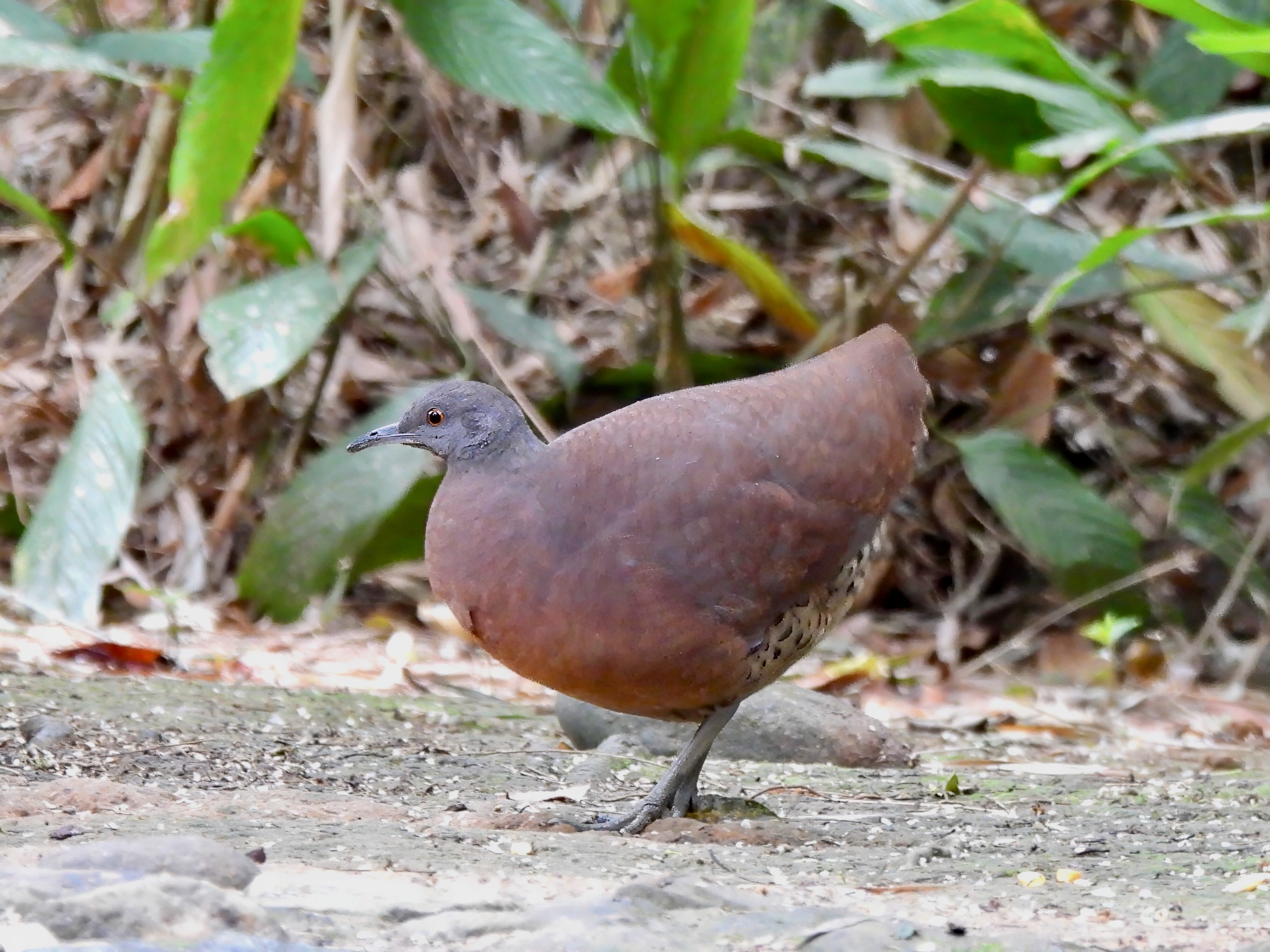
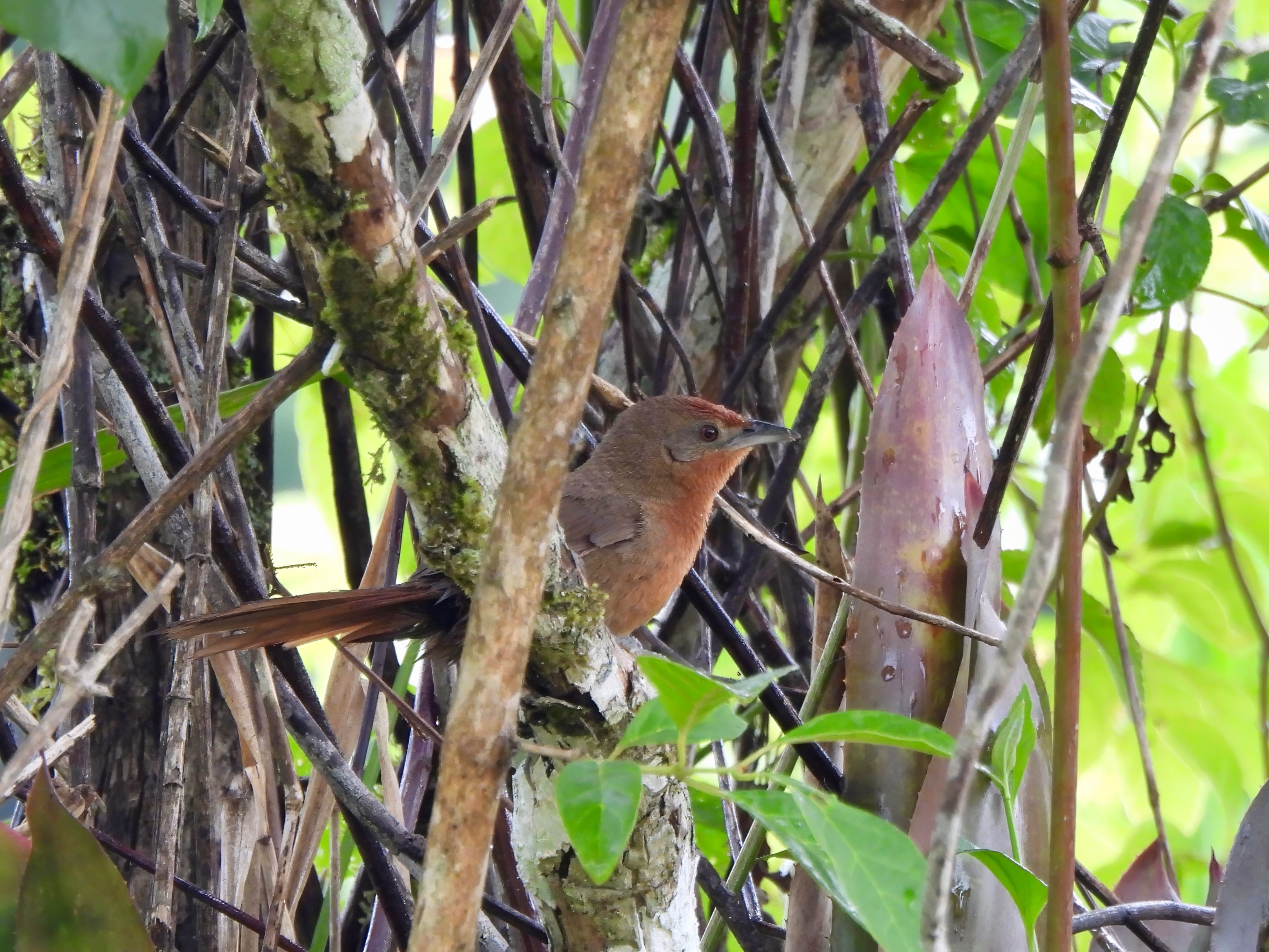
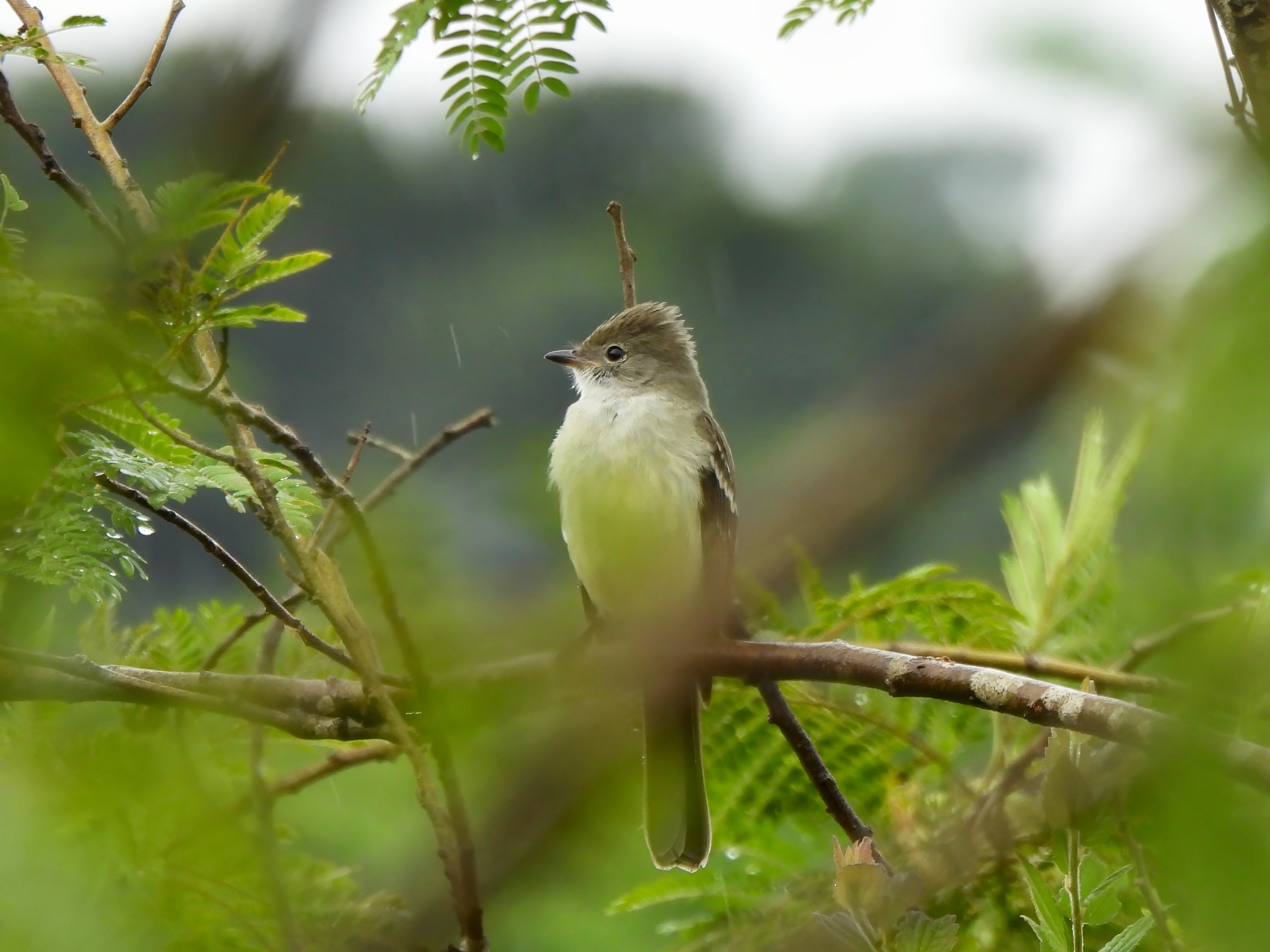
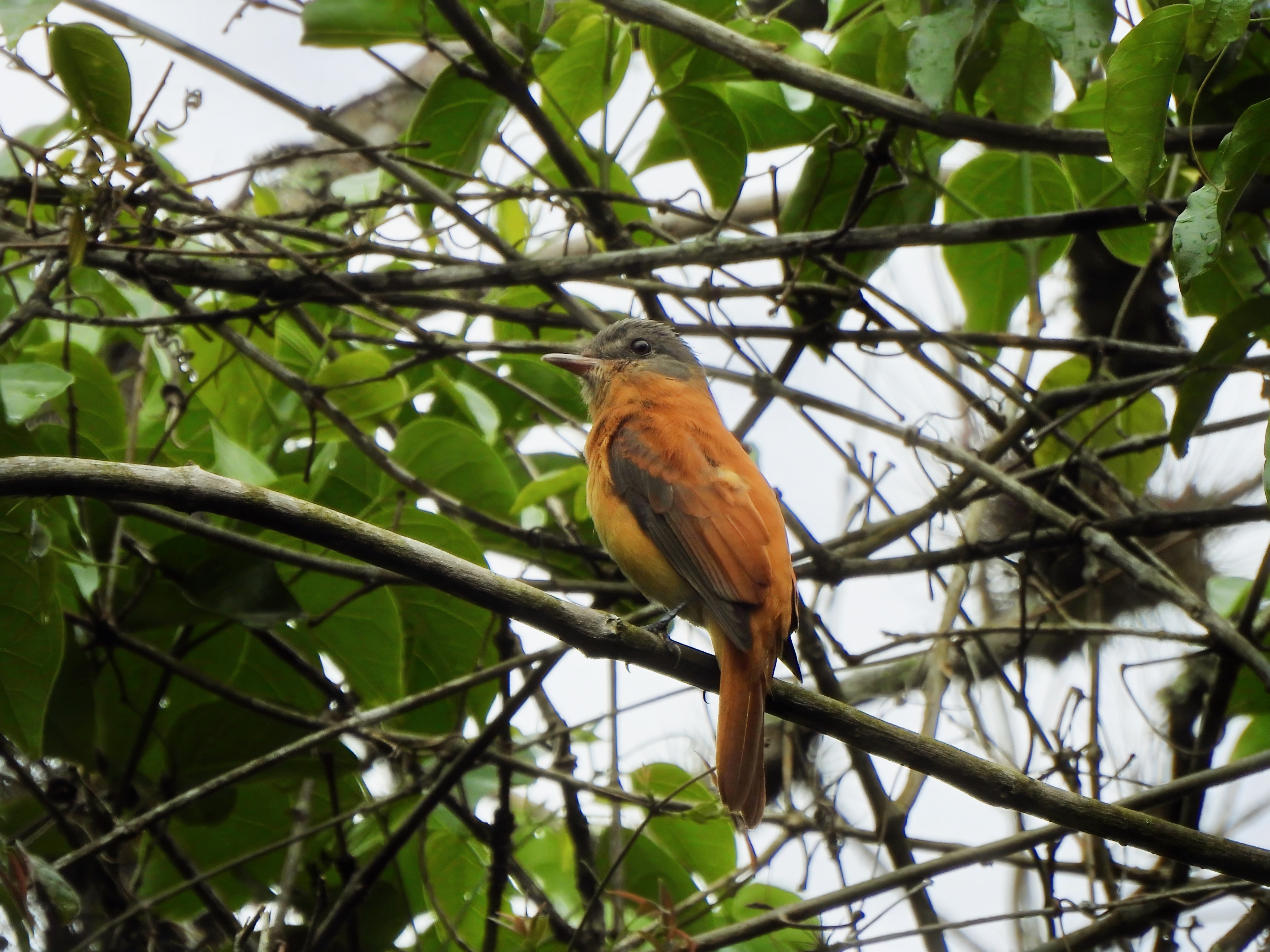
We were aided by Gerson, our local guide at Intervales. His extensive knowledge of the park enabled him to show us some amazing birds; I added 24 species to my life list in just over two days there. A few of my favorites are shown in the gallery below.
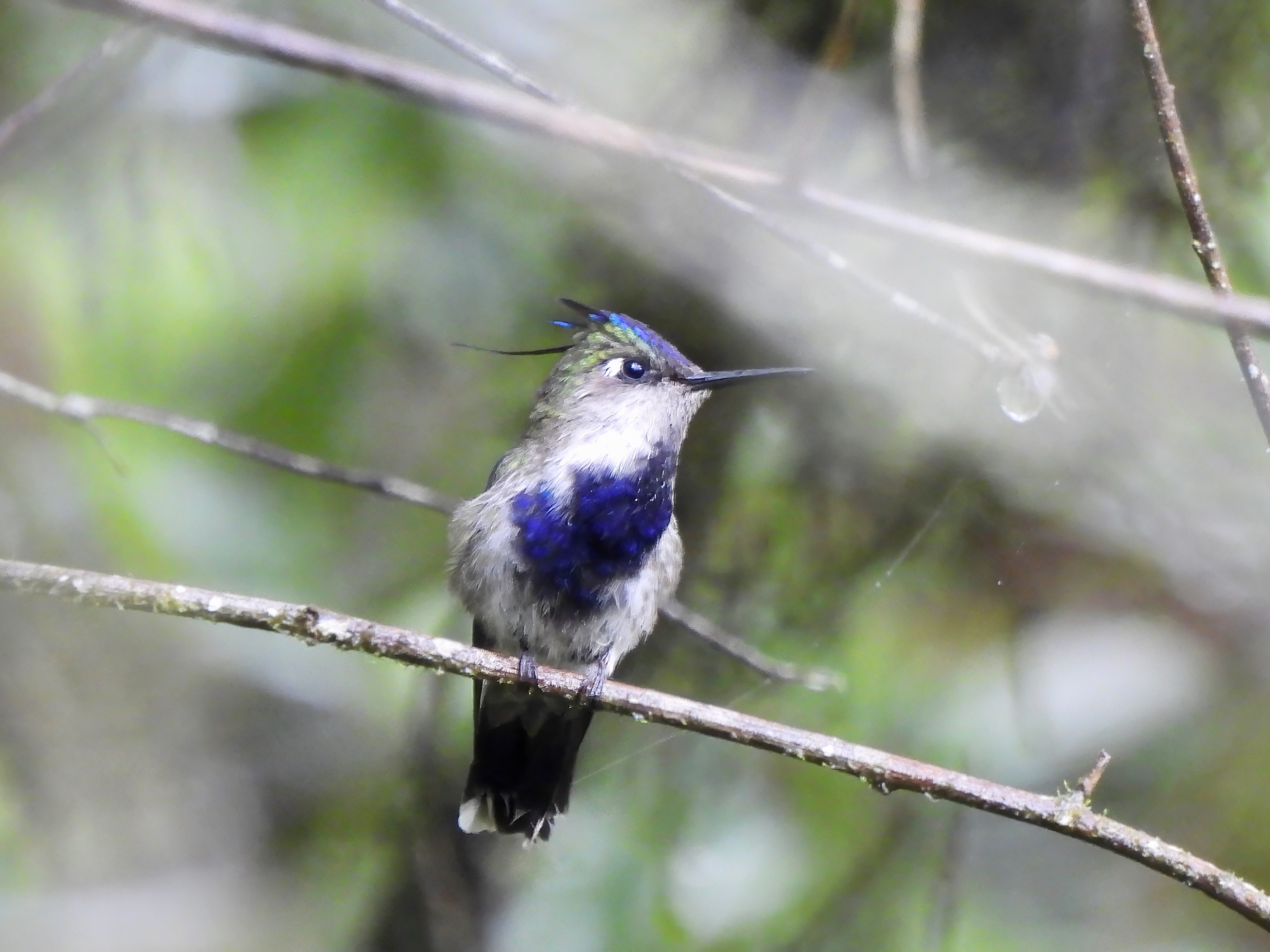
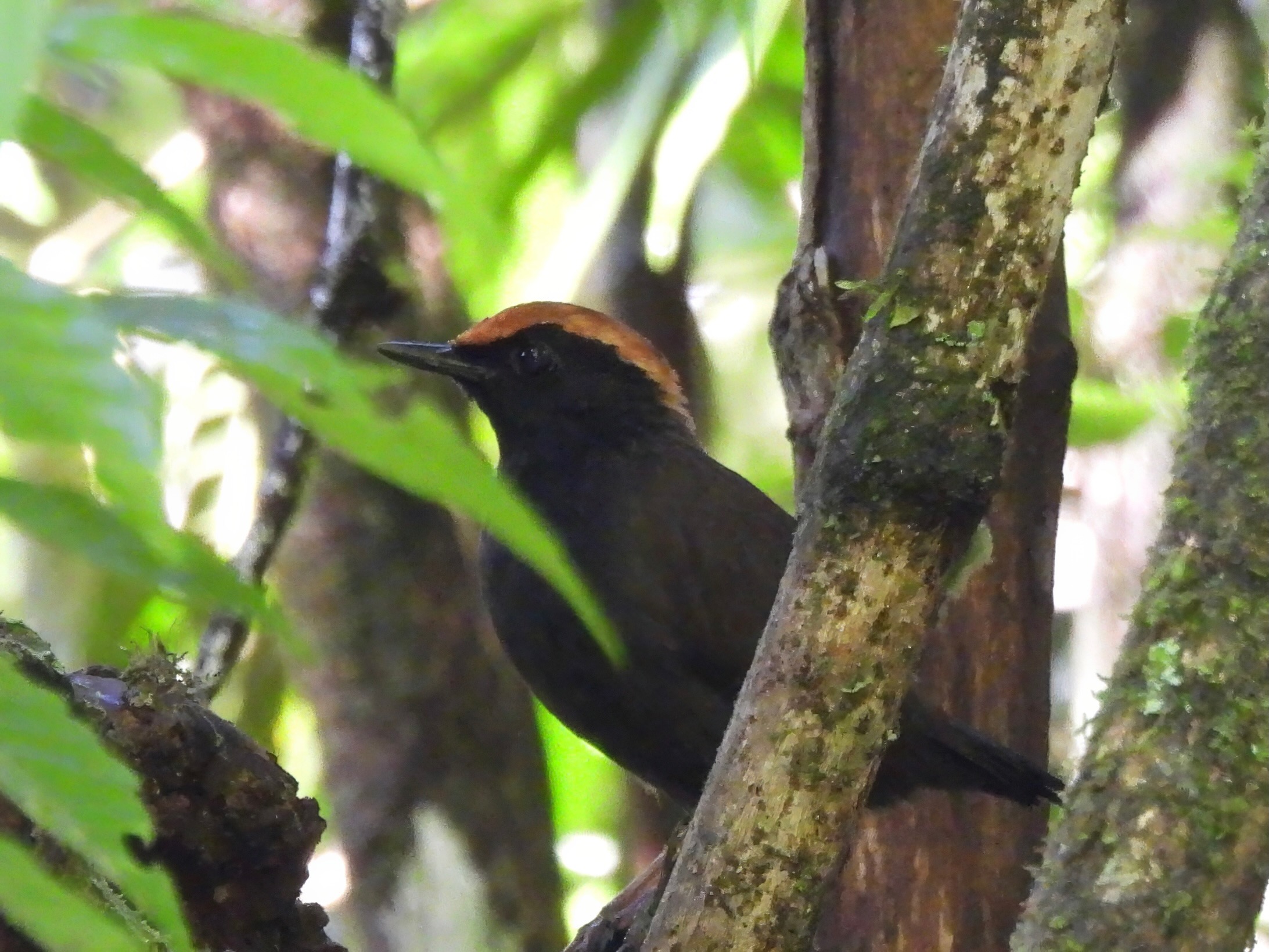
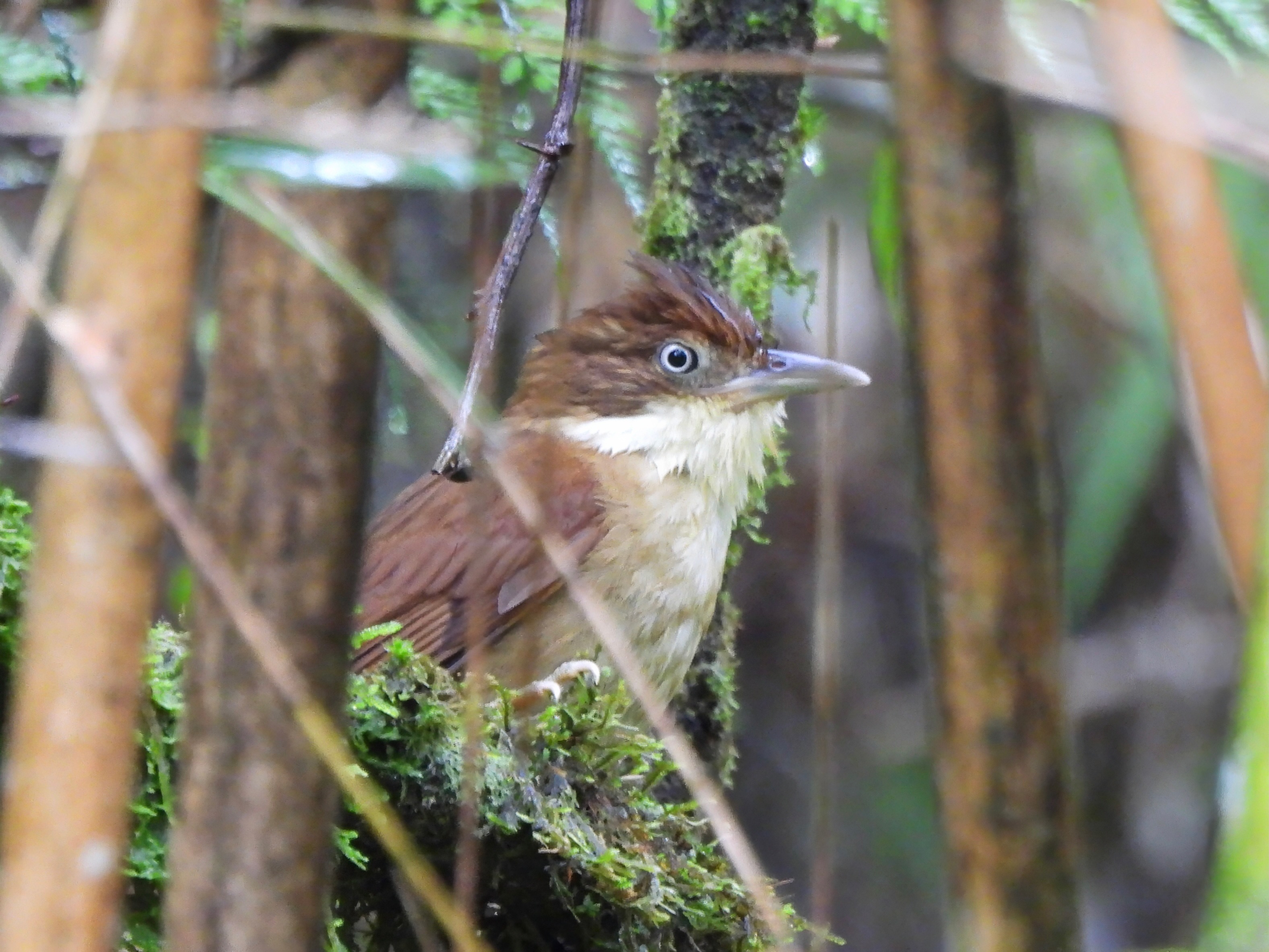
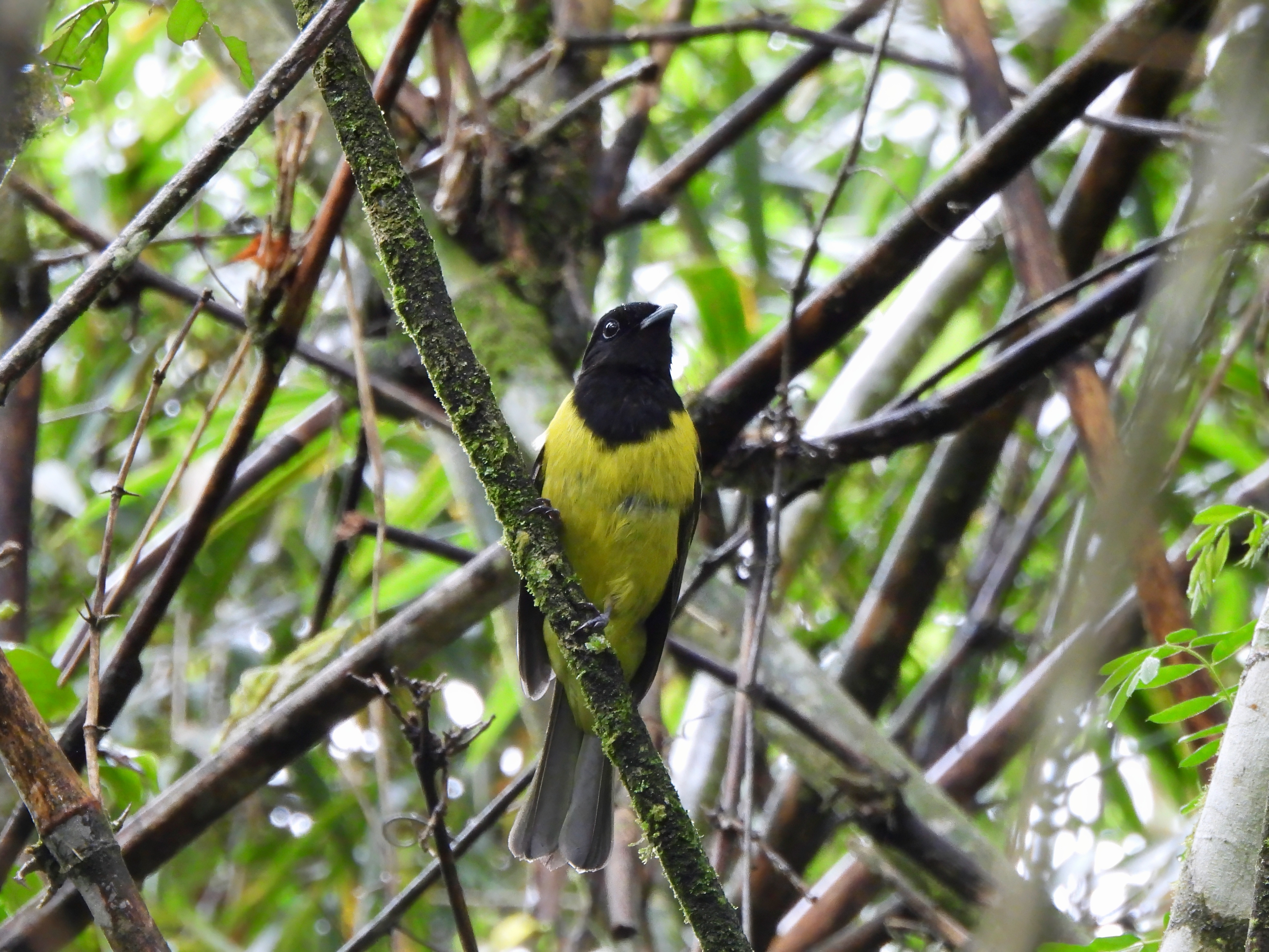
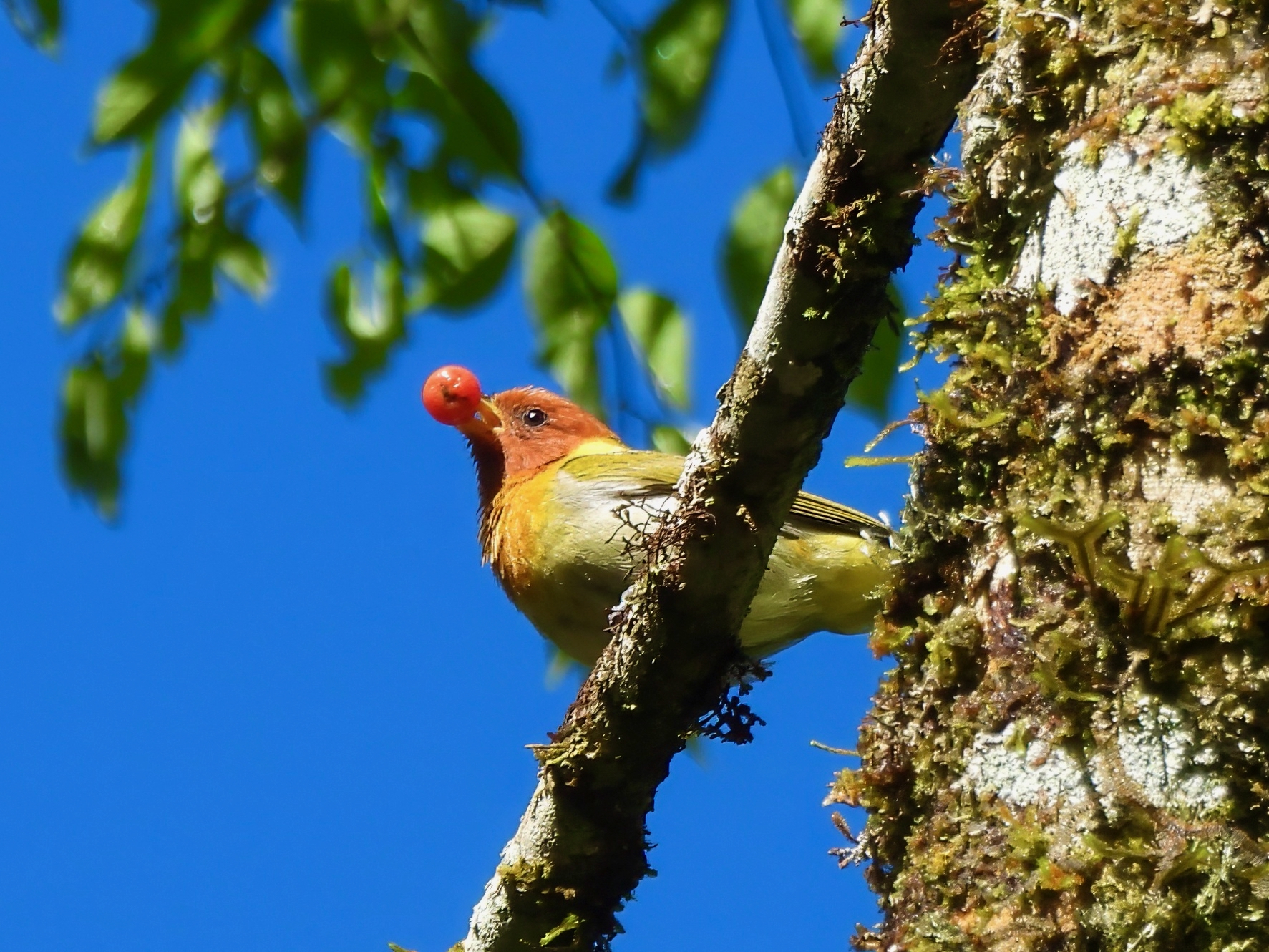
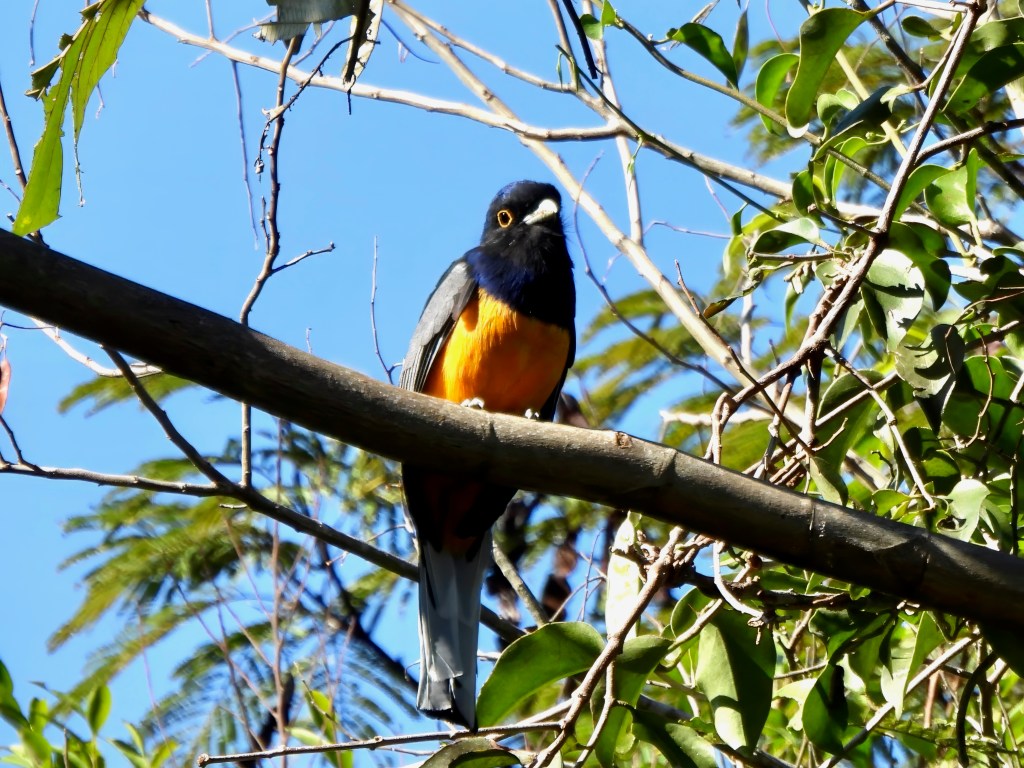
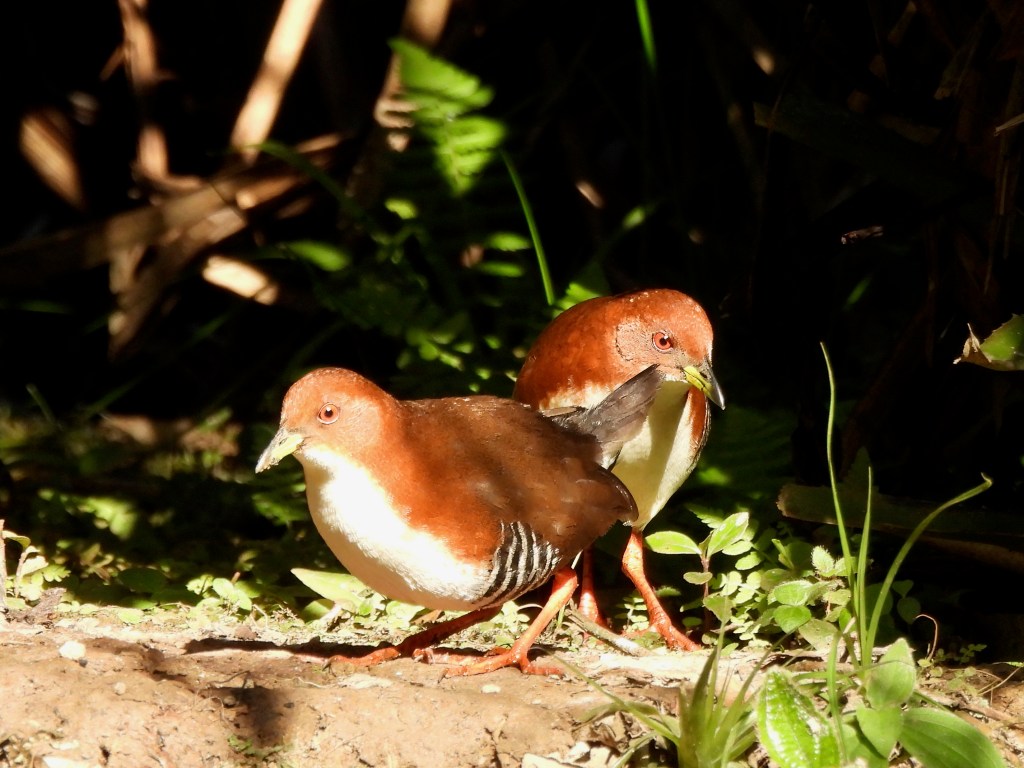
Intervales gave us many happy moments. I was thrilled to feed my lifer Solitary Tinamou. My beloved Red-and-white Crakes scurried around in shallow water just a few feet from us. A Green-backed Trogon was so close to the lodge where we took refuge from the rain that I got a photo with my cell phone. We saw the highly sought-after, nomadic Pileated Parrot. I even got a look — and a blurry photo — of a Rufous-breasted Leaftosser as it stealthily dug in the leaf litter, a species that is notoriously secretive and often difficult to see.
Sandra’s favorite bird was this spectacular little Atlantic Royal Flycatcher, an endemic to southeastern Brazil, and a species that had been among her most-wanted birds for many years.
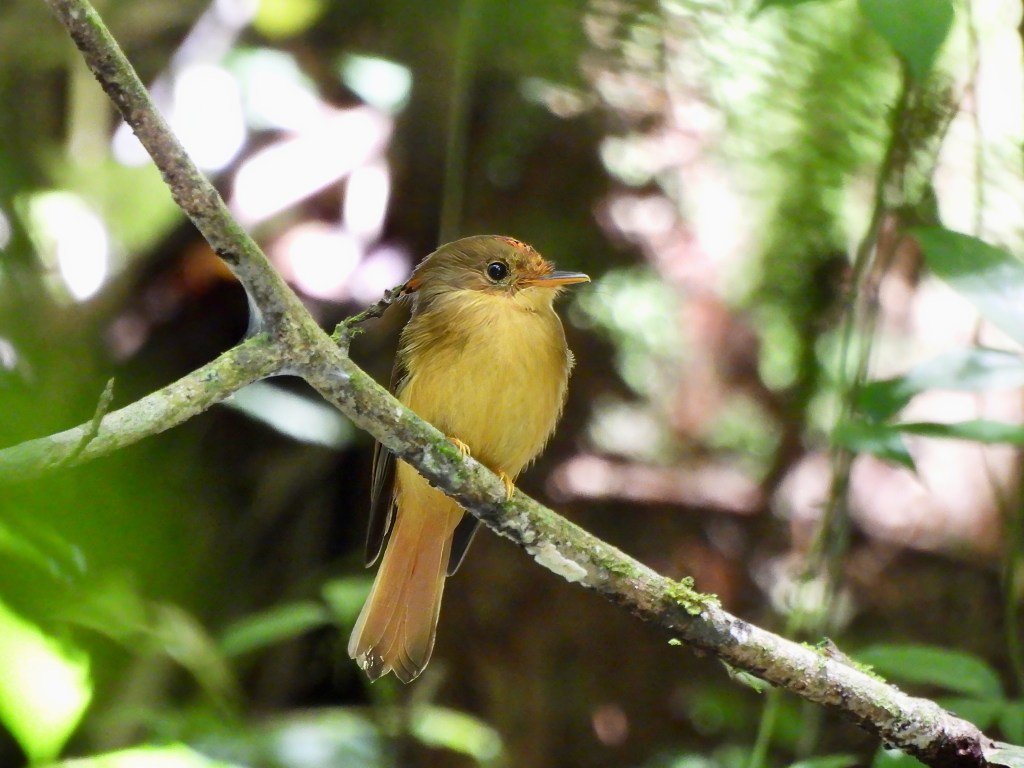
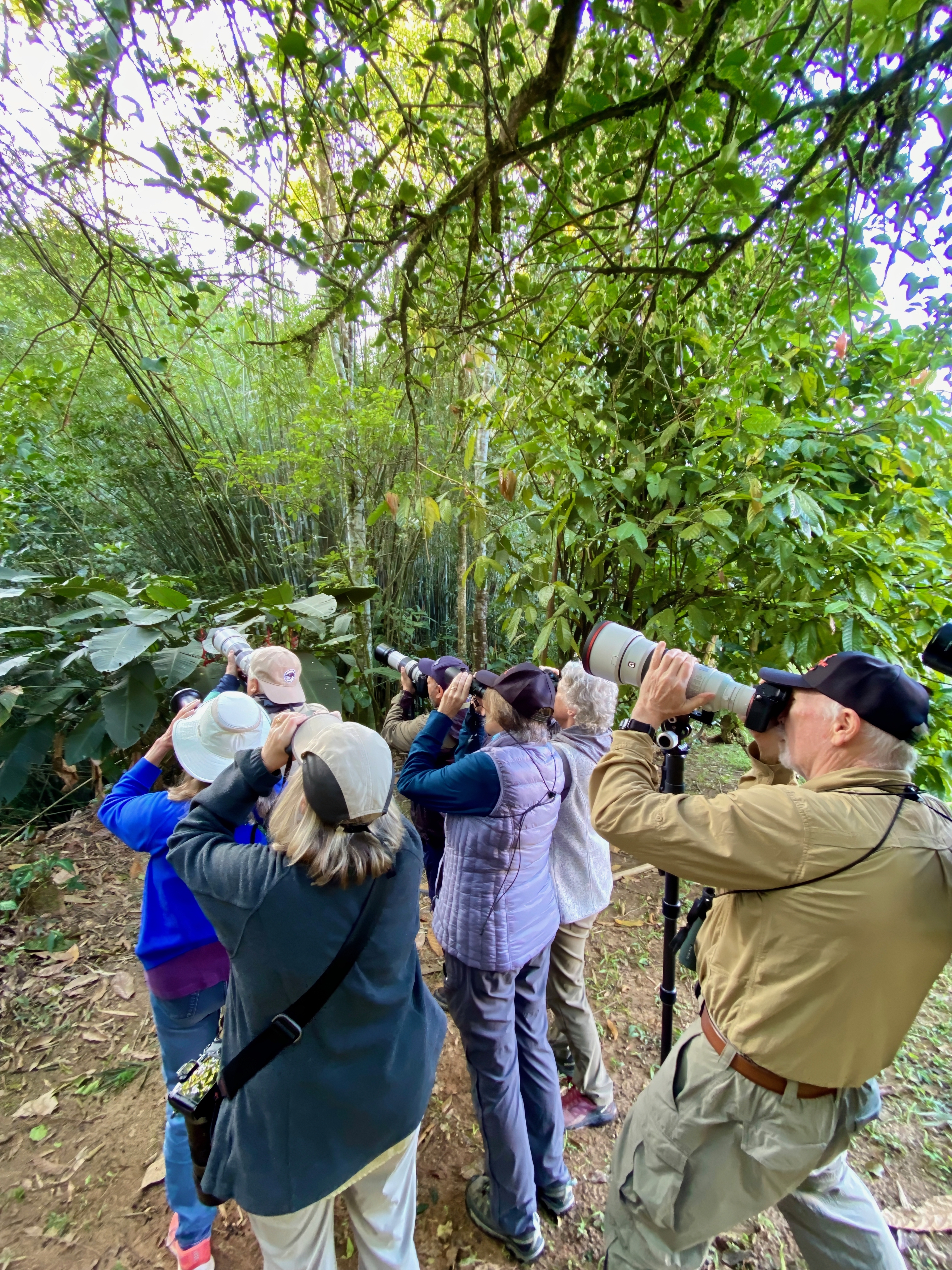
Watching this pretty bird in the sun-dappled branches over a narrow river was another perfect experience. Our little group was alone in the quiet forest and it felt as if the flycatcher had allowed us to enter his world.
Paulo discovered moths outside our rooms at the lodge and I enjoyed that bonus. Look at these beauties!
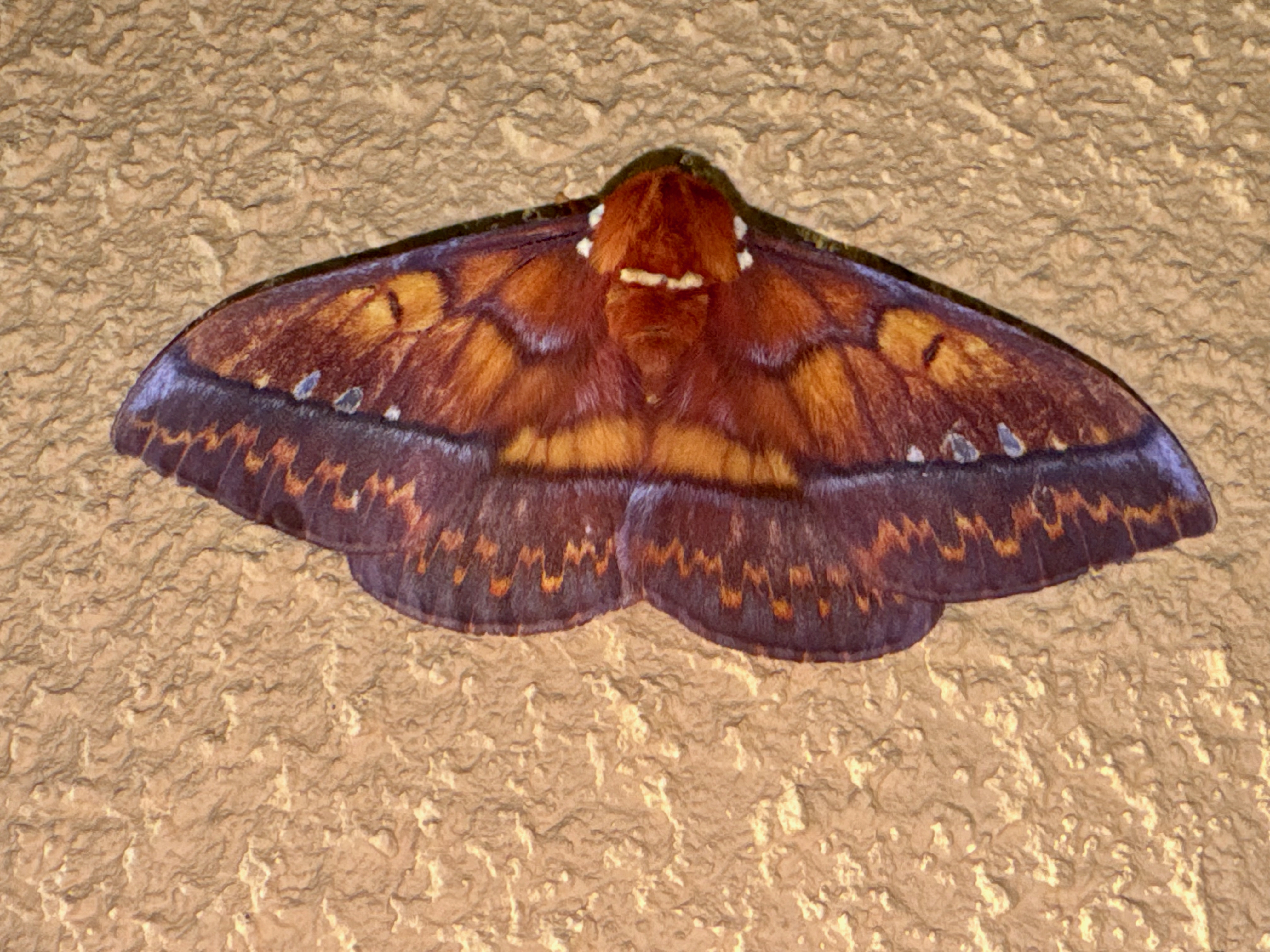
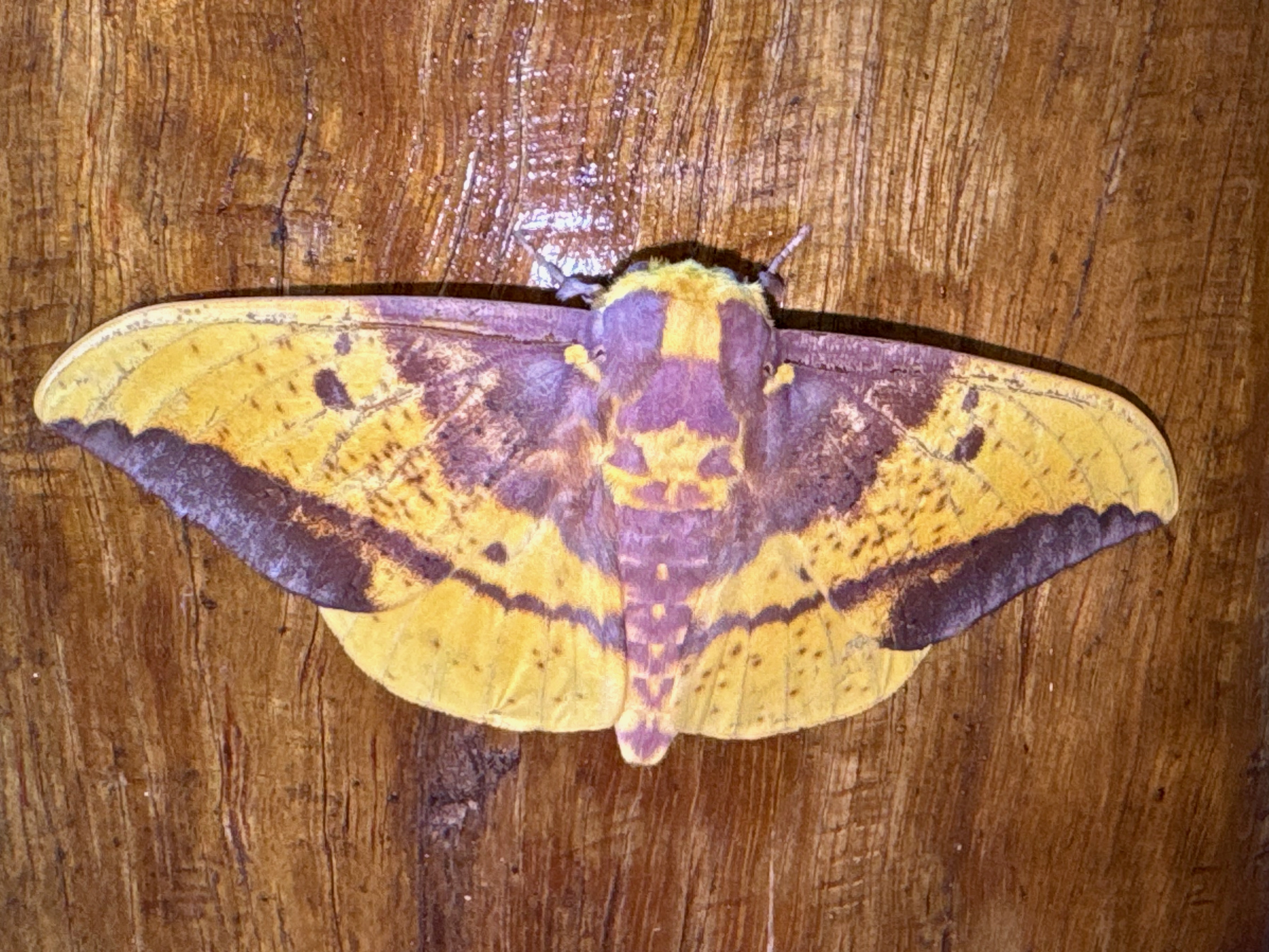
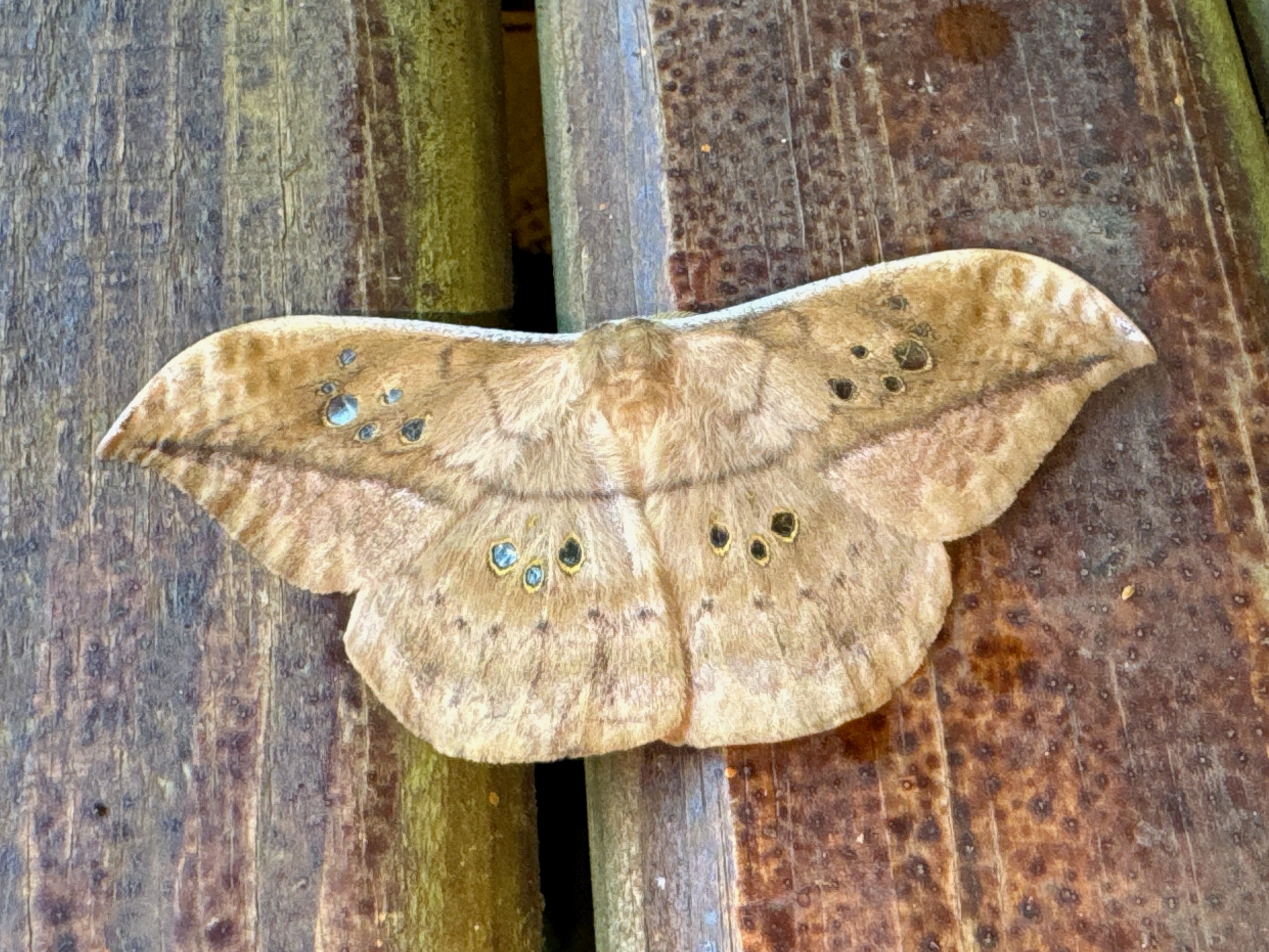
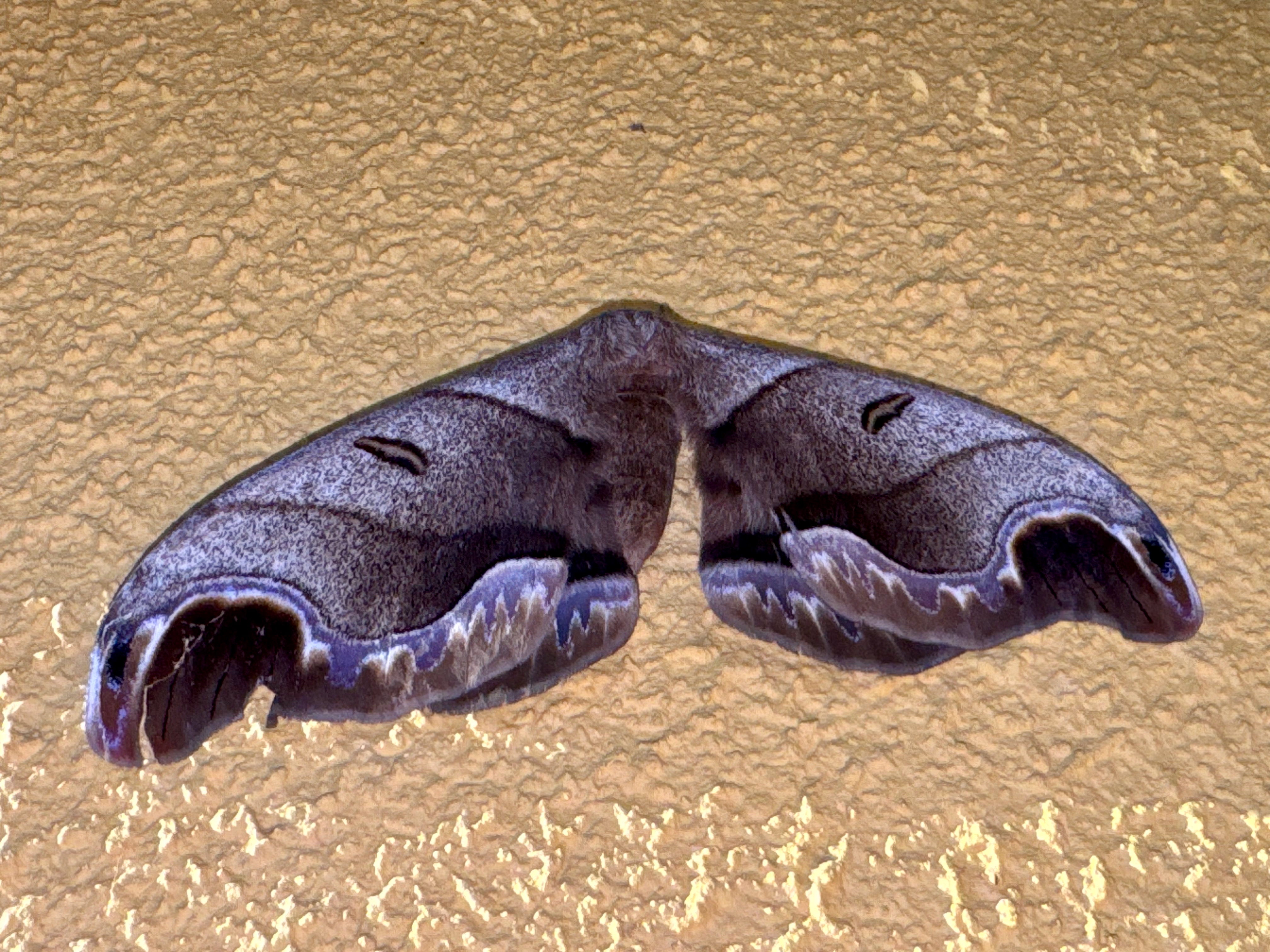
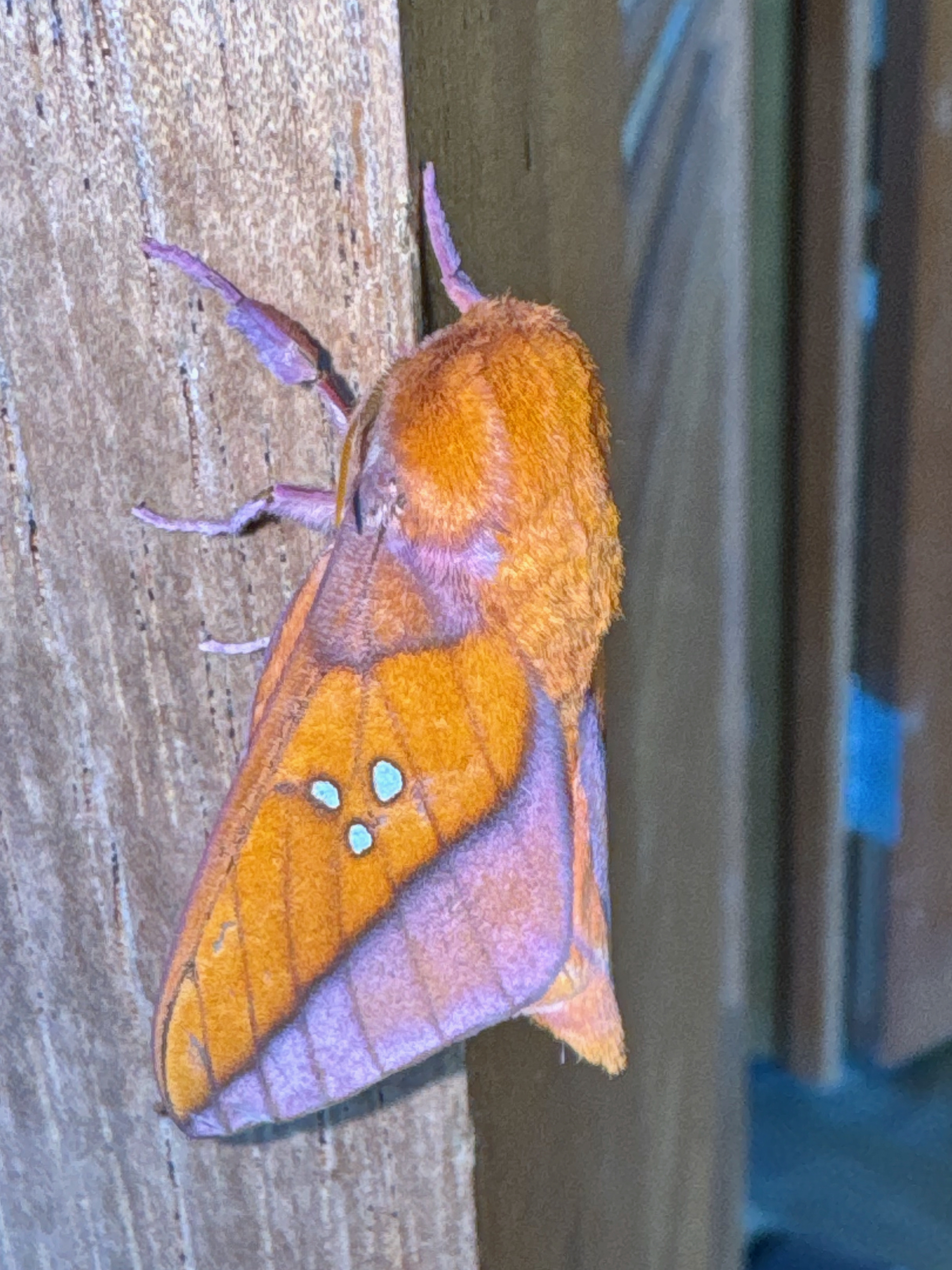
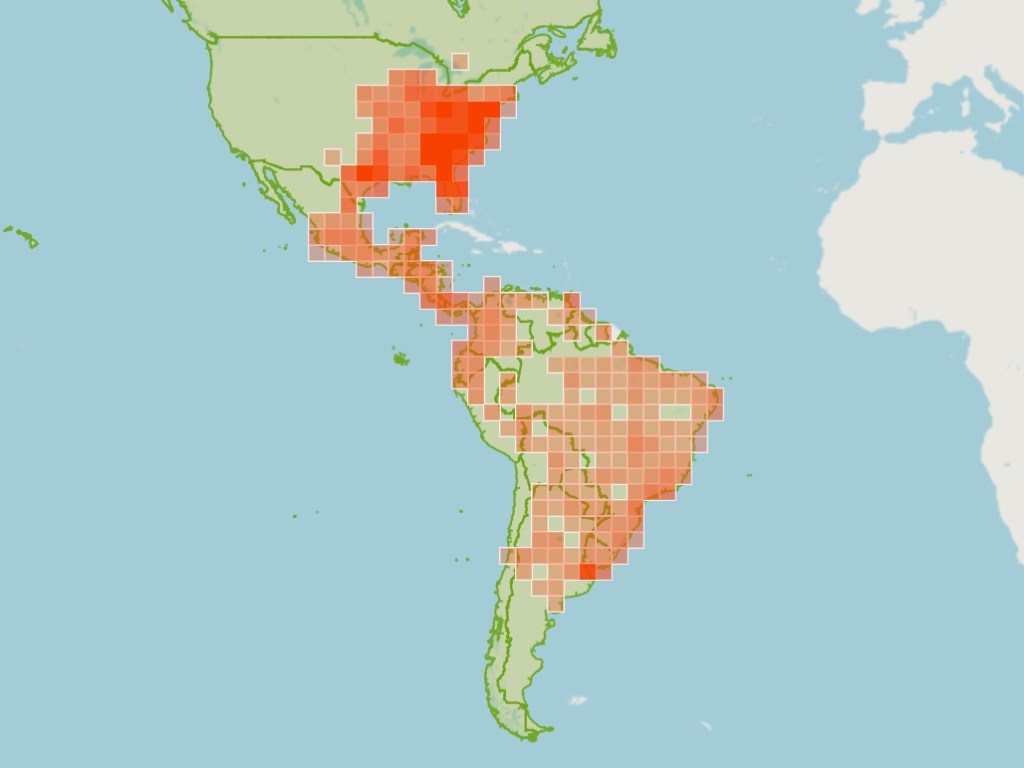
Some of you probably recognize the Imperial Moth. Yes, it’s the same species we have at home in the US. Here’s a range map from iNaturalist showing its wide distribution. Nature is amazing and I find that I learn something new on every trip.
As always, it was difficult to leave a place as wonderful as Intervales State Park. But on the morning of November 20, we left for our next destination, where more adventures awaited us.